

Business
Starbucks Workers United escalates strike during busy holiday season


One week into what baristas have threatened to make the “largest, longest” strike in Starbucks’ history, the Workers United union said it is adding more than two dozen new cities and stores to its strike count.
The union said Thursday it will now be striking at 95 stores in 65 cities, with some 2,000 baristas now engaged in the action. On Wednesday, baristas and allies also picketed and held a rally outside of the company’s distribution center in York, Pa. Starbucks said there were no disruptions to its operations in York.
Workers United said the majority of stores where strikes were held had to close down on the first day of the strike due to staffing issues, and the lack of workers impacted some 50 locations in the days to follow. Starbucks said stores that had issues were often able to reopen quickly and that less than 1% of its locations are experiencing disruption from the strike.
The strike has so far not appeared to dent foot traffic and sales, according to the company and data from Placer.ai. The location intelligence tracking firm’s data show foot traffic on Red Cup Day, when the strike was launched, was up 44.5% compared to the daily average between Jan. 1 and Nov. 14 this year.
In a memo to workers last week, CEO Brian Niccol touted the success of the holiday launch so far.
“Together, we set new records. Last Thursday’s Holiday launch was our biggest sales day ever in North America. Then yesterday, we had our strongest Reusable Red Cup day in company history,” the memo sent Friday said.
Starbucks workers walk a picket line as they go on strike outside a Starbucks store on Nov. 13, 2025 in the Clinton Hill neighborhood of the Brooklyn borough in New York City.
Michael M. Santiago | Getty Images
The union began organizing at Starbucks in 2021 and says it now represents more than 11,000 workers across more than 550 stores. This week, it said five non-union stores filed for union elections, including locations in the Baltimore, Md. area, Harrisonburg, Va., and Little Rock, Ark. The company last week told CNBC that the union only represents 9,500 workers.
Workers United is seeking new proposals that address its top issues to finalize a contract. Those include improved hours, higher wages and the resolution of hundreds of unfair labor practice charges levied against Starbucks. The two parties have not been in active negotiations to reach a contract after talks between them fell apart late last year. The strikes have not changed that fact so far.
Starbucks and the union entered into mediation in February, and hundreds of barista delegates voted down the economic package Starbucks proposed in April. Both sides have pointed blame at the other for failure to reach a bargaining agreement, and say they’re ready to negotiate.
The strike has threatened to hurt business during Starbucks’ busy holiday season, which typically provides a sales boost and will be key to the chain’s plan to turn around performance in the U.S. under Niccol. Starbucks broke a nearly two-year streak of same-store sales declines in its most recently reported quarter. Past strikes have impacted less than 1% of its stores, the company said.
Starbucks maintains it will be ready to serve customers across its stores this holiday season.
“As we’ve said, 99% of our 17,000 U.S. locations remain open and welcoming customers —including many the union publicly stated would strike but never closed or have since reopened,” Starbucks spokesperson Jaci Anderson said in a statement regarding the strike escalation.
“Regardless of the union’s plans, we do not anticipate any meaningful disruption. When the union is ready to return to the bargaining table, we’re ready to talk,” Anderson said. “The facts are clear, Starbucks offers the best job in retail, with pay and benefits averaging $30 per hour for hourly partners. People choose to work here and stay here—our turnover is less than half the industry average, and we receive more than a million job applications every year.”



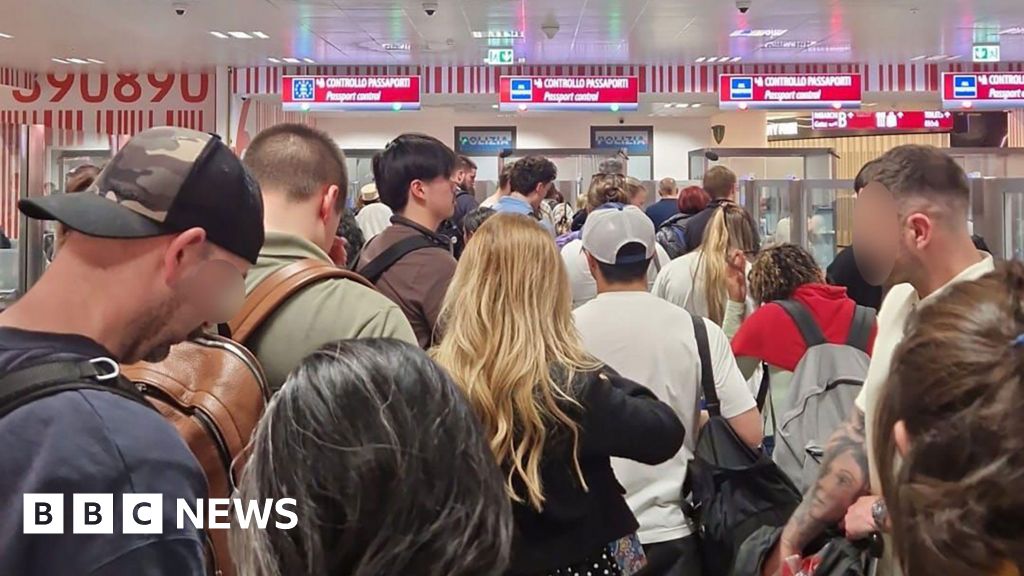
New European border rules have caused delays at airports across the continent, affecting flights.
Source link
Business
‘A win-win for both nations!’ Three-day India-US trade talks to begin this week – The Times of India
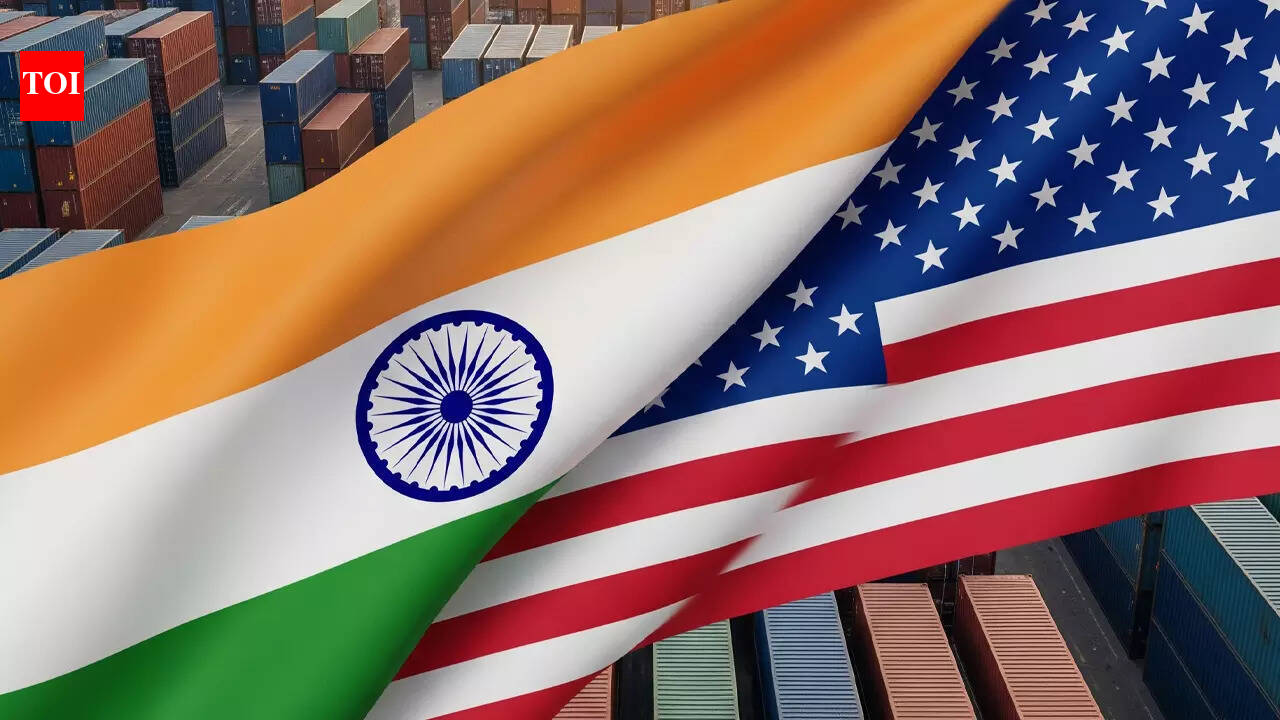
India and the United States are set to resume trade talks this week, taking a “great step to finalize” the proposed agreement. Taking to social media platform X, US Ambassador to India Sergio Gor said “The Indian trade delegation will be arriving in Washington this week. A great step to finalize our bilateral trade deal. A win-win for both nations!”This week, a delegation of around a dozen officials will be travelling from New Delhi to Washington for discussions on the first phase of the proposed bilateral trade agreement (BTA). The talks are scheduled from April 20 to 22 and will be led by India’s chief negotiator Darpan Jain, additional secretary in the department of commerce. The team will also include officials from the customs department and the ministry of external affairs.The negotiations come against the backdrop of recent changes in the US tariff system, prompting both sides to revisit parts of the trade agreement finalised earlier this year and released on February 7.A key development was the US Supreme Court striking down reciprocal tariffs imposed under the 1977 International Emergency Economic Powers Act. Following this, the US administration introduced a temporary flat 10% tariff on all countries for 150 days from February 24.These changes led to the postponement of a planned February meeting between the chief negotiators. The rescheduled talks in Washington will now proceed under the revised tariff framework.Alongside tariff issues, the discussions are also expected to cover two investigations initiated by the US Trade Representative under Section 301 of its trade law. India has refuted the allegations and is seeking withdrawal of the probes, arguing that the initiation notices do not provide adequate justification.
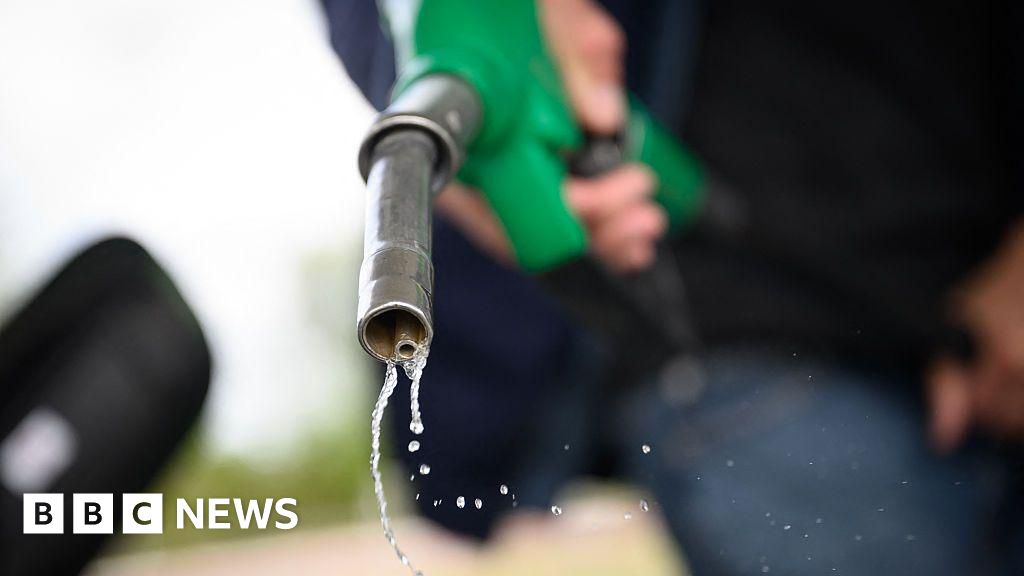
Energy markets have seen wild swings since the US and Israel attacked Iran on 28 February.
Source link

Ryanair flight from Milan to Manchester leaves passengers behind due to border delays

Harry Kane vows Bayern Munich have ‘a lot to play for’ after Bundesliga title

Hyundai’s New Ioniq 3 Has Hot-Hatch Looks, but Can It Beat BYD?

-

 Fashion4 days ago
France’s LVMH Q1 revenue falls 6%, shows resilience amid Iran war
-

 Sports1 week ago
The case for Man United’s Fernandes as Premier League’s best
-

 Entertainment1 week ago
Palace left in shock as Prince William cancels grand ceremony
-
 Business1 week ago
UK could adopt EU single market rules under new legislation
-

 Entertainment5 days ago
Is Claude down? Here’s why users are seeing errors
-

 Fashion1 week ago
Energy emerges as biggest cost driver in textile margins
-

 Tech1 week ago
A Lot of Shops Won’t Fix Electric Bikes. Here’s Why
-
 Business1 week ago
Delta Air Lines unveils first new Delta One suite in premium cabin arms race