

Business
No 10 denies Reeves misled public in run up to Budget


Downing Street has denied Chancellor Rachel Reeves misled the public about the state of the public finances in the run-up to this week’s Budget.
There were warnings ahead of the Budget that Reeves could face as much as a £20bn gap in meeting her rule of not borrowing for day-to-day spending.
But in a letter to MPs, the chairman of the Office for Budget Responsibility (OBR) said he had told the chancellor in mid-September the gap would be much smaller.
Conservative leader Kemi Badenoch said the letter showed Reeves had “lied to the public” and should be sacked.
The weeks leading up to the Budget were dominated by speculation the chancellor would increase the rates of income tax, breaking a Labour manifesto pledge.
On 4 November, Reeves used a rare pre-Budget speech in Downing Street to warn the UK’s productivity was weaker “than previously thought” and that “has consequences for the public finances too, in lower tax receipts.”
Then, on 10 November, she told BBC Radio 5 Live: “It would, of course be possible to stick with the manifesto commitments, but that would require things like deep cuts in capital spending.”
These comments, along with her speech, fuelled speculation she needed to raise significant sums to meet her fiscal rules.
However, the Office for Budget Responsibility has now confirmed that before both of these interventions, it had told Reeves the government had in fact received higher than expected tax receipts, which offset the impact of the productivity downgrade.
That meant she had a surplus to meet both of her fiscal rules.
In a letter to the Commons Treasury select committee, OBR chairman Richard Hughes revealed that he told the chancellor on 17 September that the public finances were in better shape than widely thought.
The letter also reveals that on the 31 October the OBR the Treasury it was on course to meet both of the chancellor’s fiscal rules.
But Reeves continued to indicate that she was likely to increase income tax rates.
In her Downing Street press conference, she said: “It is already clear that the productivity performance…is weaker than previously thought.”
She added: “What I want people to understand ahead of that Budget, is the circumstances we face.”
However, the Treasury then backed away from increasing income tax rates, with government sources claiming this was because of better than expected forecasts from the OBR.
It has now emerged the OBR forecasts did not change significantly in the run up to the Budget.
Conservative shadow chancellor Sir Mel Stride said: “We now know the truth.
“Rachel Reeves spent the months leading up to the Budget claiming she would need to make difficult choices because of a downgrade in the economic forecasts that was not of her making.
“She even let it be known she was considering raising income tax rates.”
He claimed it was “all a smokescreen,” adding: “It appears the country has been deliberately misled.
“In doing so, some people may even have faced higher mortgage rates thanks to the impact on markets from Labour’s chaotic briefings.”
Asked whether Reeves had misled the public and the financial markets, the PM’s spokesperson said: “I don’t accept that.”
He added: “As she [Reeves] set out in the speech that she gave here (Downing Street), she talked about the challenges the country was facing and she set out her decisions incredibly clearly at the Budget.”
He added the government had increased the headroom for the Treasury to meet the fiscal rules, which would creates “certainty and stability for business”.
Heineken has announced a substantial investment exceeding £44 million into hundreds of its pubs across the UK, a move expected to create approximately 850 jobs.
The Dutch brewing giant’s Star Pubs operation, which manages 2,350 sites nationwide, is undertaking this significant financial commitment despite a challenging period for the pub sector.
The industry has faced considerable pressure over the past year, grappling with escalating labour costs and increases in national insurance contributions.
Concurrently, consumer spending has been constrained by concerns over inflation and rising unemployment, further impacting pub revenues. However, pubs did receive additional business rates support from the government last month, aimed at alleviating some of these financial burdens.
Lawson Mountstevens, managing director of Star Pubs, indicated that the investment strategy is partly designed to bolster revenues and help the group navigate the recent “sustained increases in running costs”.
This year, £44.5 million will be allocated to upgrades for 647 pubs. A notable 108 of these venues are earmarked for particularly significant cash injections, with each transformation costing at least £145,000.
Heineken clarified that while the majority of its pubs are group-owned, they are independently operated by local licensees. A key focus for this investment, particularly in the lead-up to the 2026 football World Cup, will be on sports-focused venues.
The pub firm and brewer has a history of significant investment in British pubs, having pumped £328 million into the sector since 2018. Work has already commenced at 52 locations, including eight projects dedicated to reopening boarded-up pubs that have endured lengthy closures.
Mr Mountstevens also urged the government to reduce the tax burden on pubs, arguing it would ease cost pressures and foster further job creation within the industry.
He stated: “We can only do so much; the root-and-branch reform of business rates that the industry has been calling for over many years is urgently required, as well as a lowering of the burden of taxation on pubs, including VAT and beer duty.”
He concluded with a direct appeal: “We are calling on the Government to support us in bringing out the best in the Great British pub.”
GameStop’s boss Ryan Cohen says he sees potential to make eBay a much bigger rival to Amazon.
Source link
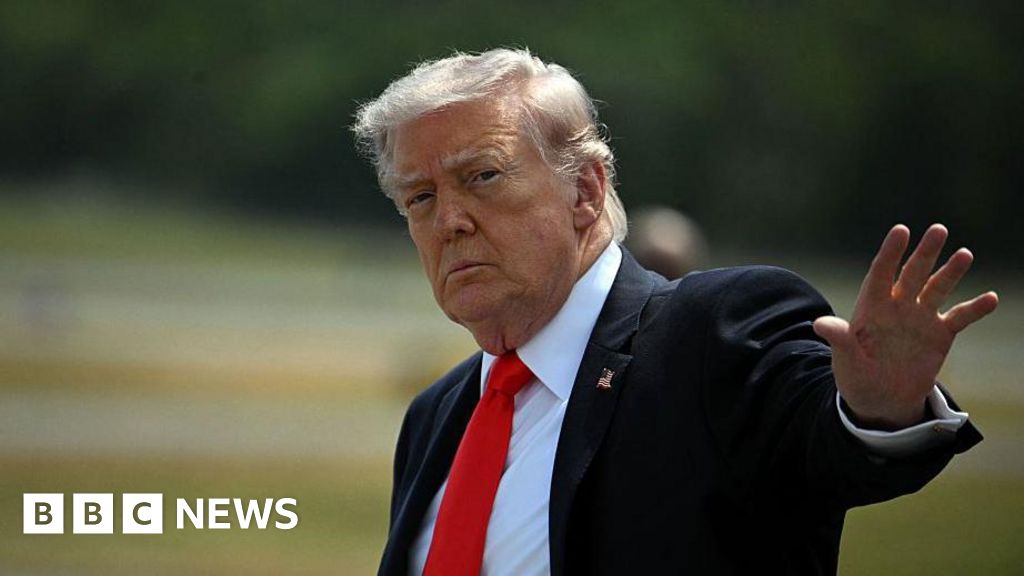
It comes as the US said on Monday it will begin to help “guide” vessels out of the Strait of Hormuz.
Source link


Dwayne Johnson shocks everyone with bold Met Gala outfit

Greg Brockman Defends $30B OpenAI Stake: ‘Blood, Sweat, and Tears’

Met Gala 2026 “Costume Art” red carpet pictures from New York City

-

 Tech1 week ago
A Brain Implant for Depression Is About to Be Tested in Humans
-
 Business1 week ago
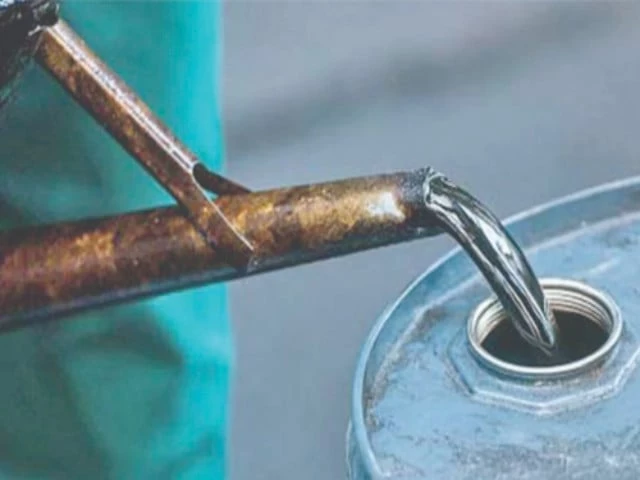
Pakistan’s oil market is fuelling the crisis | The Express Tribune
-

 Tech1 week ago
Almost 90% of women leave tech industry within 10 years | Computer Weekly
-
 Business1 week ago
‘I had £20,000 stolen and had to fight a 13-month fraud reporting rule to get it back’
-

 Sports7 days ago
Pro wrestling star Steph De Lander reveals how colleague’s advice helped lead her to title triumph at ACW
-

 Entertainment1 week ago
Norway joins Type 26 Frigate Programme to boost NATO naval power
-

 Entertainment1 week ago
Melania Trump says ABC should ‘take a stand’ on late-night host Kimmel
-

 Tech7 days ago
This Ambitious Laptop Doesn’t Leave Much Room for Your Hands