

Entertainment
Katy Perry channels Thanksgiving in festive outfit

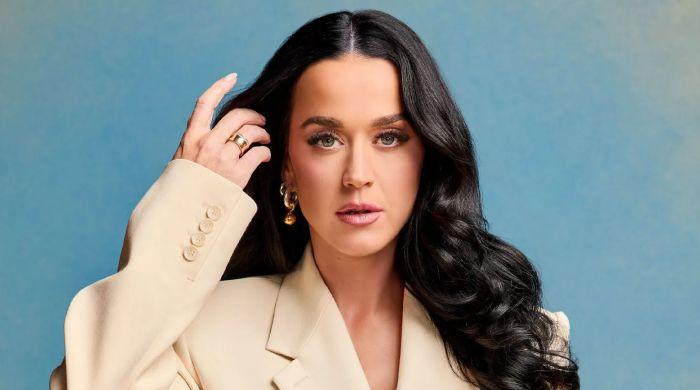
Katy Perry brought some festive joy to Thanksgiving this year, and she did it in her own quirky style.
On Nov. 27, the 41-year-old singer showed off a creative holiday look that immediately grabbed fans’ attention.
She posted a video on Instagram wearing a blue beret decorated with a miniature Thanksgiving meal on top.
The tiny setup included a table setting with turkey, mashed potatoes, peas, cranberry sauce, bread and even pumpkin pie. She ended the clip by saying, “Hatty Thanksgiving.”
Fans quickly jumped into the comments and made playful references to her hit song Bon Appétit.
One fan wrote, “We’re eating GOOD today! BON APPETIT BABY!!,” while another chimed in, “Bon appetit baby.”
Perry is currently overseas on her Lifetimes Tour and spent the holiday in Shanghai, China.
In another post, she shared moments from her visit to the Shanghai Disney Resort where she rode rides, met characters, watched fireworks and enjoyed Minnie Mouse-shaped waffles.
She captioned her post, “How I spent my Thanksgiving on The Lifetimes Tour, Thank you @shanghaidisneyresort for making us feel so at home.”
Along with her focus on touring, Perry is also making headlines for her new romance with former Canadian prime minister Justin Trudeau.
Radar Online reported that her friends are worried she may be moving too fast.
While the singer is said to be excited about her future with Trudeau, insiders claim the politician has been dealing with changes in his personal life and may not be in the best place for a serious commitment.
Trudeau ended his marriage to Sophie after 18 years and Perry recently split from Orlando Bloom in June.
She and Bloom share daughter Daisy Dove, 5. Dating rumours between Perry and Trudeau began a month after her breakup when the two were spotted having dinner at Le Violon and spending more time together.
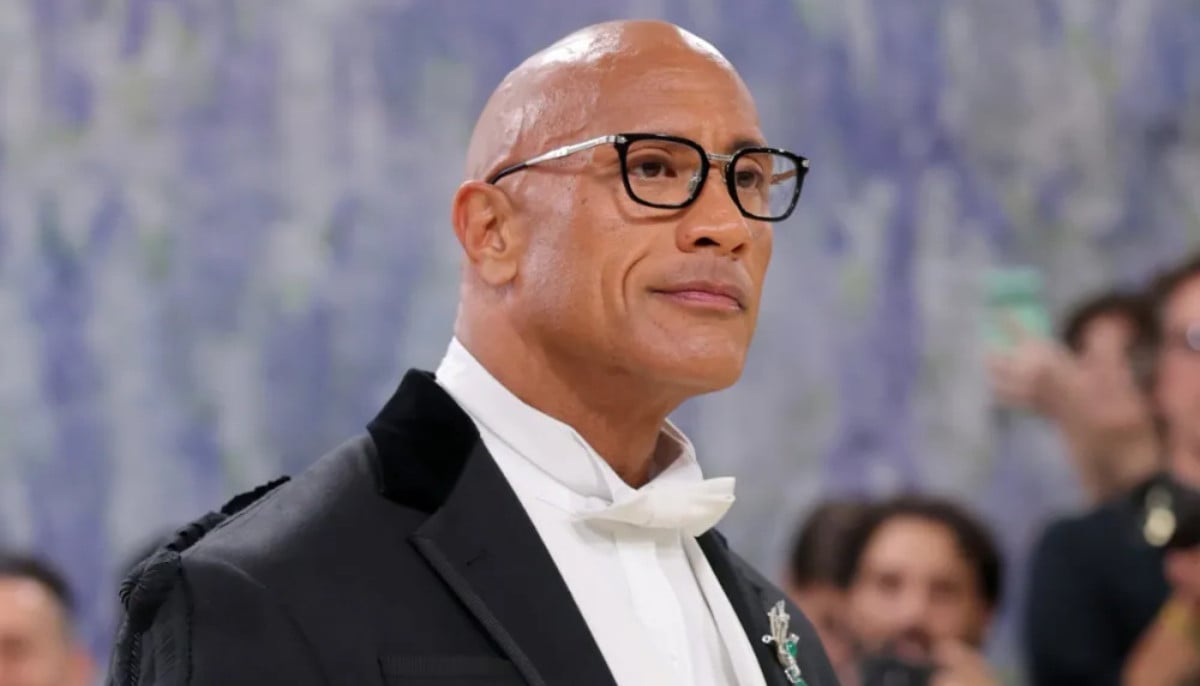
Dwayne Johnson has stunned fans and fashion critics alike by arriving at the 2026 Met Gala in a bold, custom-made pleated skirt.
Walking the red carpet hand-in-hand with his wife, Lauren Hashian, the star known as “The Rock” swapped his usual trousers for a black mohair tailcoat and matching skirt designed by Thom Browne.
The intricate outfit was a true work of art, featuring a “skeletal composition” made from over 350 metres of hand-pleated silk ribbons.
When journalists caught up with him to ask how he felt about the ensemble, Johnson was quick to explain that the look was deeply rooted in his heritage.
He mentioned that when the design team initially questioned if he would be comfortable with a pleated skirt, his answer was an immediate yes.
Johnson pointed out that in Polynesian culture, men frequently wear lavalavas and skirts, noting that the most masculine men in his culture embrace these garments.
“I feel great!” he told reporters, laughing off any suggestion that the outfit was anything less than traditional for him.
The actor joins an elite list of attendees at this year’s event, which is being hosted by a committee including the likes of Zoë Kravitz, Sabrina Carpenter, and Doja Cat.
As one of the most talked-about men of the night, Johnson’s choice to embrace his Polynesian roots through high fashion directly addressed the “Fashion is Art” theme.
By blending Thom Browne’s avant-garde tailoring with the cultural significance of the lavalava, he managed to turn a red-carpet moment into a meaningful conversation about identity and what it really means to be a modern man.
Cosmopolitan editor discusses what celebrities might wear
A senior fashion editor at Cosmopolitan said celebrities’ outfits could vary vastly as they take on their own interpretations of this year’s theme.
Jessica Neises said some could lean into the “body and fitted silhouettes,” meaning bodycon dresses. Some stars could also tap into the art side.
“Maybe the garment itself is a beautiful piece of art with embroidery or different beading,” she said.
Neises said she thinks there will be a lot of color and vibrancy on the red carpet.
“Tonight is not about being quiet with the fashion. It’s really about being loud. Hopefully, no plain black suits. We want extravagance,” she said.
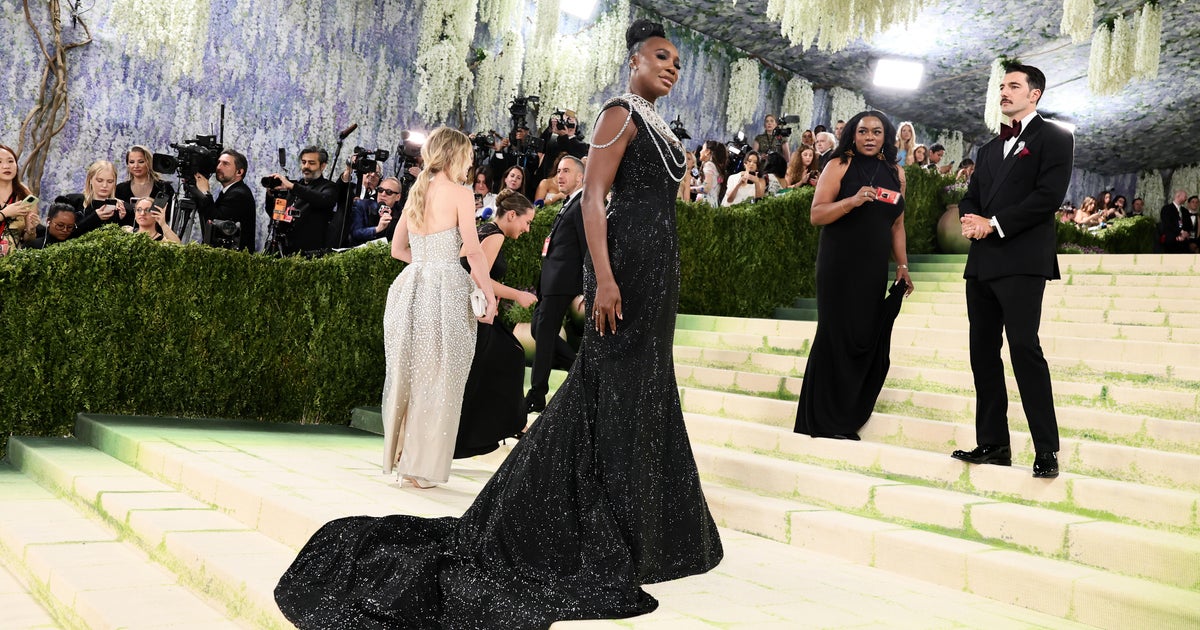
Venus Williams
Tennis players Venus Williams is serving as one of the co-chairs of the event. She, like many other attendees tonight, is leaning into statement jewelry.
Jamie McCarthy / Getty Images
Nicole Kidman and Sunday Rose Kidman Urban
Nicole Kidman, one of tonight’s co-chairs of the event, brings along her daughter, Sunday Rose Kidman Urban. This is Sunday Rose’s first time attending the Met Gala, while Nicole is a seasoned pro who has attended the event for over 20 years.
Mike Coppola / Getty Images 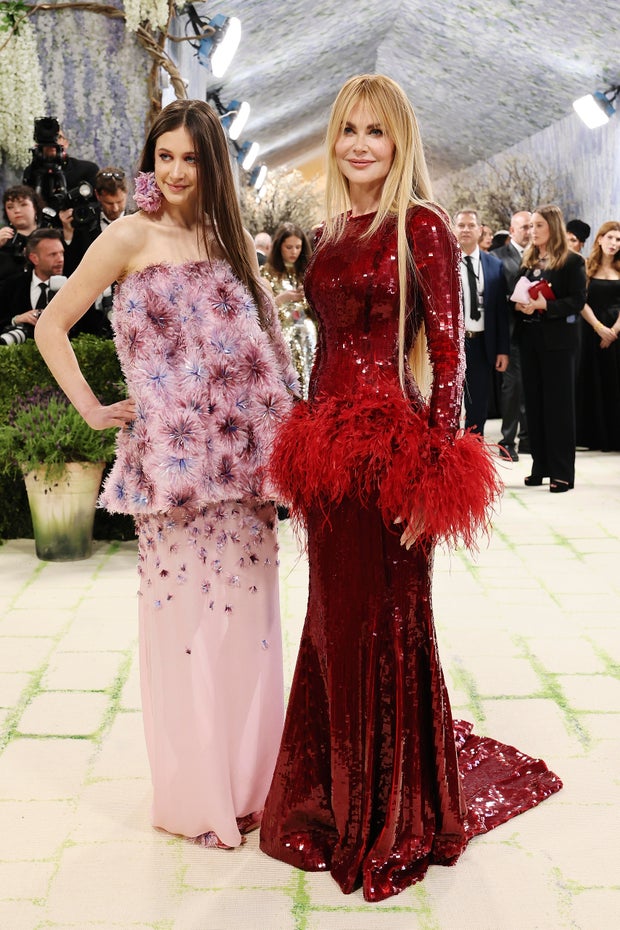
Chloe Malle
Chloe Malle replaced Wintour as head of editorial content at Vogue in September 2025 at the age of 38.
Jamie McCarthy / Getty Images 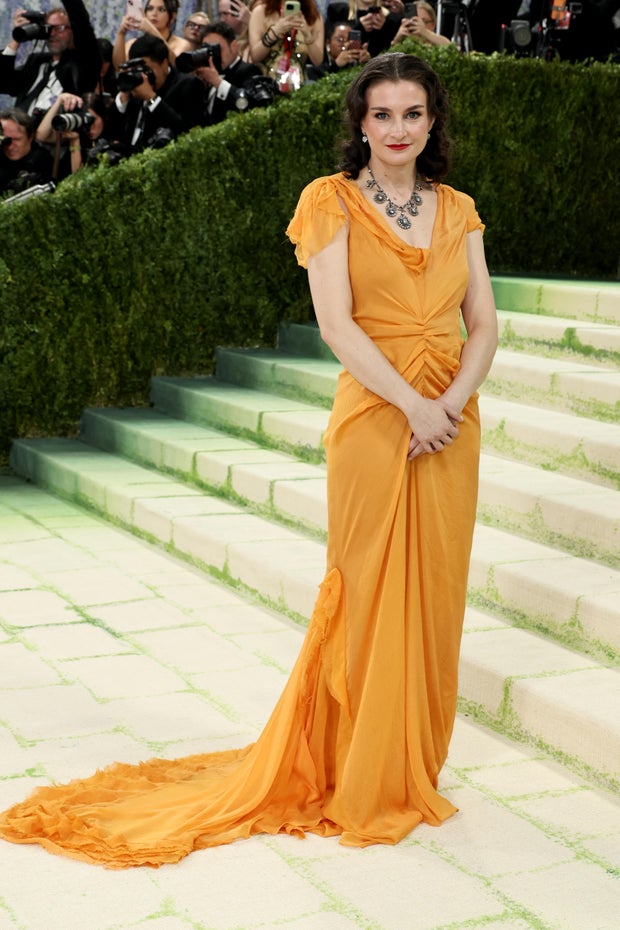
Anna Wintour
Anna Wintour, now the chief content officer for Condé Nast and global editorial director of Vogue, arrives at the Met Gala. Wintour is the deciding force behind who gets to attend the prestigious event.
Mike Coppola / Getty Images 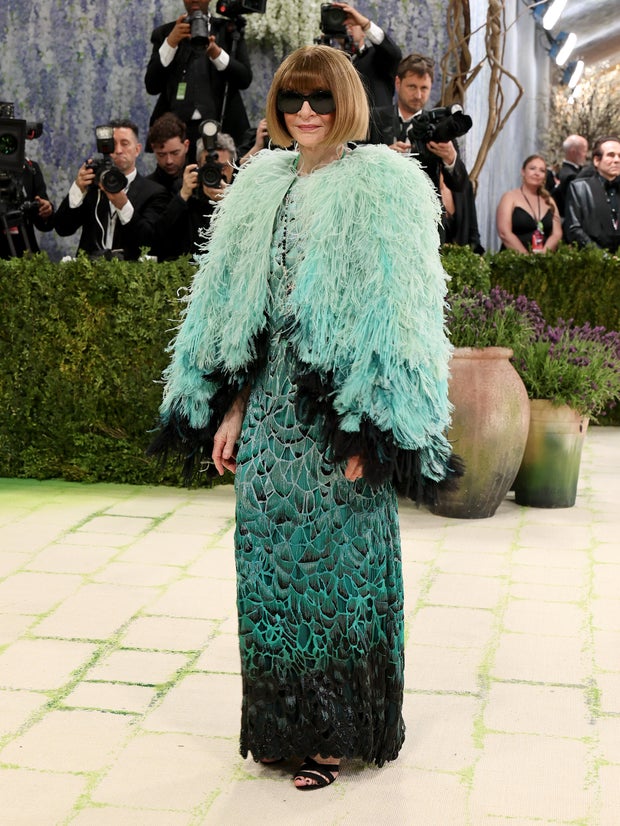
Actress and model Cara Delevingne stuns on the red carpet
Cara Delevingne, one of the red carpet hosts for Vogue, arrives in a custom Ralph Lauren dress. Delevingne has been a frequent face at the Met Gala since her first appearance in 2011.
Theo Wargo/Getty Images 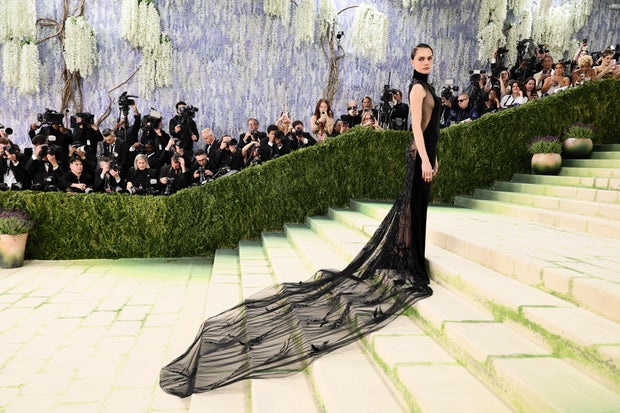
Who is hosting the Met Gala?
Singer Beyoncé, Actress Nicole Kidman and tennis player Venus Williams will co-chair the event alongside Anna Wintour.
There’s also a host committee chaired by designer Anthony Vaccarello and filmmaker Zoë Kravitz.
There are several celebrities who are also on the host committee. It includes musicians Sabrina Carpenter, Doja Cat, LISA, Sam Smith and Yseult; dancer Misty Copeland; actors Teyana Taylor, Elizabeth Debicki, Gwendoline Christie and Lena Dunham; WNBA superstar A’ja Wilson; models Alex Consani, Paloma Elsesser and Lauren Wasser; Vogue editor Chloe Malle; and artist Anna Weyant.
Vogue red carpet hosts, Ashley Graham and Emma Chamberlain, arrive
Model Ashley Graham and influencer Emma Chamberlain will serve as Vogue’s red-carpet hosts throughout the evening, alongside actor Cara Delevingne and TV personality La La Anthony.
Dimitrios Kambouris/Getty Images 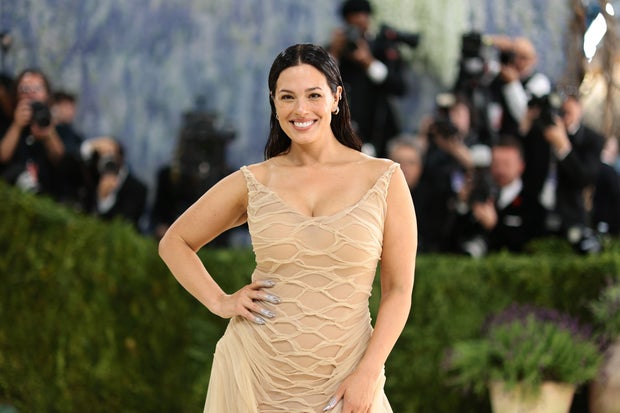
Mike Coppola / Getty Images 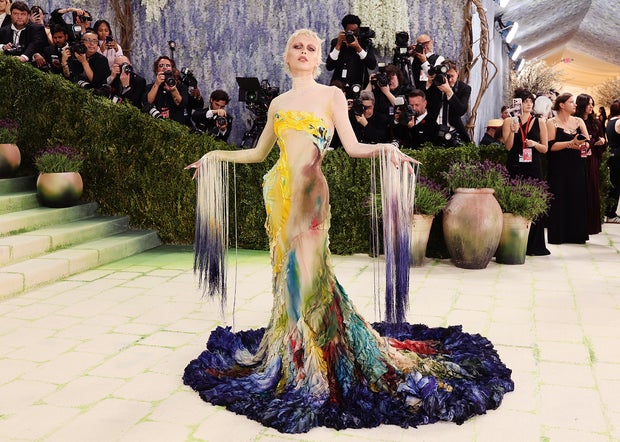
What is the dress code?
The Met Gala’s dress code is “Fashion is Art,” going hand-in-hand with the “Costume Art” theme.
Organizers say the show will highlight the connection between clothing and the body and the “complex interplay between artistic representations of the body and fashion as an embodied art form.”
What time does the red carpet start?
The event is held on the first Monday in May every year at the museum in New York City.
Arrivals officially start at 5:30 p.m., but many stars are known to show up late.
Singer Rihanna showed up around 10 p.m. last year, just after rapper and Bronx native Cardi B and actress Halle Berry. The first to arrive last year was singer-songwriter and actress Teyana Taylor a little after 5 p.m.
Members of the press check in hours before to line up along The Met’s iconic steps and watch the stars arrive.
What does the theme “Costume Art” mean?
The annual gala is based on the spring exhibition at the Metropolitan Museum of Art’s Costume Institute.
“Costume Art” strives to make the connection between bodies and the clothes they wear, according to the exhibit’s curator.
“Costume Art will present a dynamic and scholarly conversation between garments from The Costume Institute and an array of artworks from across The Met’s collection, elevating universal and timeless themes while bringing forward new ideas and ways of seeing,” said Max Hollein, CEO of The Met.
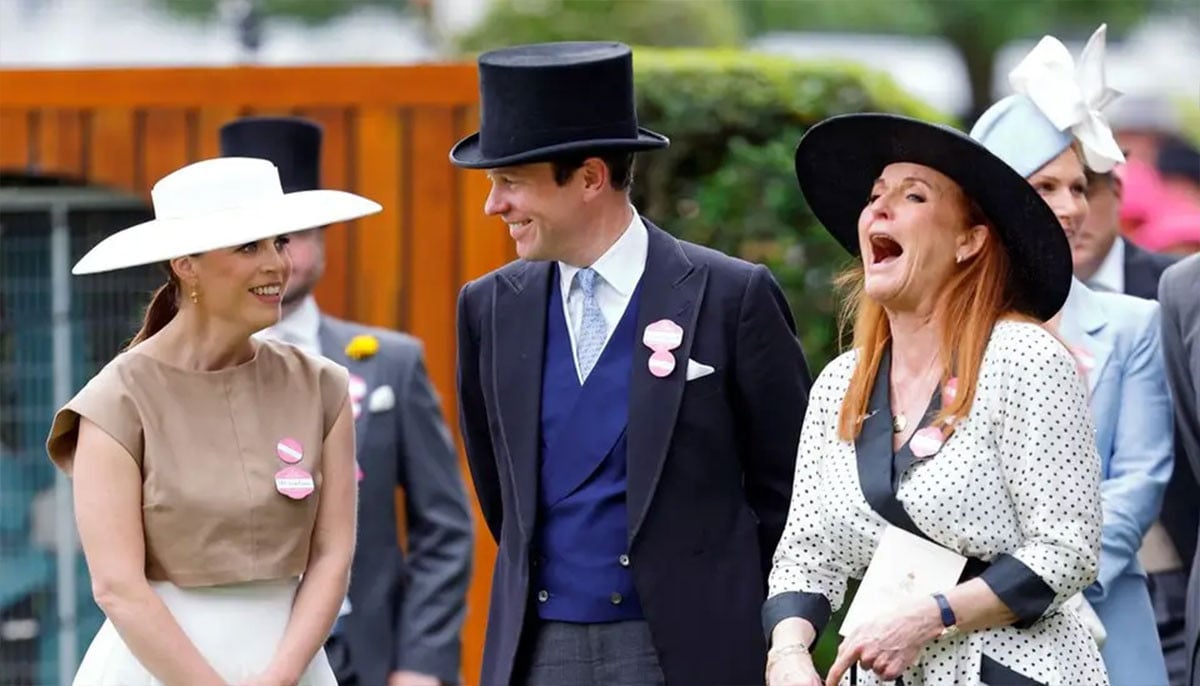
Jack Brooksbank, turning 40 appears to have been a far more low-key affair this year, shaped by family priorities, changing circumstances, and a fresh chapter in life.
The businessman, who celebrated his birthday on Sunday, marked the occasion quietly alongside wife Princess Eugenie and their two young sons, August and Ernest.
The intimate tone of the day comes just as Buckingham Palace confirmed the couple are expecting their third child.
Eugenie offered a rare personal glimpse into their celebrations, sharing relaxed beachside photographs and a heartfelt tribute: “Happy 40th my love. Here’s to another 16. xx”
In recent years, Brooksbank’s life has undergone a notable transformation.
The couple’s move to Portugal in 2022 marked a turning point, offering a quieter environment away from the intensity of royal life in the UK.
There, Brooksbank has been involved with the Discovery Land Company, contributing to high-end property developments, while also continuing his own drinks venture launched in 2016.
This more private chapter comes amid ongoing public scrutiny surrounding the wider York family, which insiders suggest has naturally encouraged a more reserved approach to public life.
As a result, celebrations that might once have been high-profile have instead taken on a more reflective and intimate tone.


Dwayne Johnson shocks everyone with bold Met Gala outfit

Greg Brockman Defends $30B OpenAI Stake: ‘Blood, Sweat, and Tears’

Met Gala 2026 “Costume Art” red carpet pictures from New York City

-

 Tech1 week ago
A Brain Implant for Depression Is About to Be Tested in Humans
-
 Business1 week ago
Pakistan’s oil market is fuelling the crisis | The Express Tribune
-

 Tech1 week ago
Almost 90% of women leave tech industry within 10 years | Computer Weekly
-
 Business1 week ago
‘I had £20,000 stolen and had to fight a 13-month fraud reporting rule to get it back’
-

 Sports7 days ago
Pro wrestling star Steph De Lander reveals how colleague’s advice helped lead her to title triumph at ACW
-

 Entertainment1 week ago
Norway joins Type 26 Frigate Programme to boost NATO naval power
-

 Entertainment1 week ago
Melania Trump says ABC should ‘take a stand’ on late-night host Kimmel
-

 Tech7 days ago
This Ambitious Laptop Doesn’t Leave Much Room for Your Hands