

Business
New labour codes: Indian companies face higher wage expenses; manpower costs may increase 5-15% across sectors – The Times of India


Indian companies are likely to see higher wage bills as they adjust HR policies and compensation structures to comply with the new four labour codes. Experts estimate manpower costs could rise 5-10%, or even more for some firms.The increase in wage expenses is largely driven by higher costs for benefits such as gratuity, overtime, bonuses, and leave encashment, which will now be calculated according to the new wage definition, said Sonu Iyer, national leader, people advisory services – tax at EY India. Labour-intensive sectors like manufacturing, micro, small, and medium enterprises (MSMEs), and companies with fragmented pay structures are likely to experience the steepest increases.Firms where variable pay and allowances make up a significant part of total compensation may see only moderate rises, said Viswanath PS, chief executive at Randstad India. “In such cases, a 5-10% increase in manpower cost is a reasonable estimate, though the exact impact will vary by industry and the current compensation design,” he said, as quoted by ET.
Companies review hiring and pay structures
Companies are also reassessing hiring models, particularly the mix between contract and fixed-term employment, while realigning salary structures to comply with the uniform wage definition, experts noted.“As remuneration in kind (if any) up to 15% will be treated as wages, all employers will now need to re-examine what components of their current compensation structures will be treated as ‘wages,’ and which ones will be excluded from the definition,” said Atul Gupta, partner – labour and employment practice at Trilegal. He added that gratuity is likely to see the most significant impact among employee benefits.“An increase in manpower costs on account of the recent labour codes may go up in the 5-12% range for a typical organised employer. And if the workforce was over indexed on allowances or contract labour, it may be 10-15%, or more,” said Prabir Jha, founder and CEO of Prabir Jha People Advisory.Highlighting the employee perspective, Sudhakar Sethuraman, partner at Deloitte India, said, “The codes specifically prohibit the employer from reducing the wages of the employees…So employees stand to gain from labour codes,” as quoted by ET.The government, however, believes that the significant reduction in compliance burdens under the new codes will balance out any additional employer costs, including those arising from overtime payments or mandatory health checks for workers.


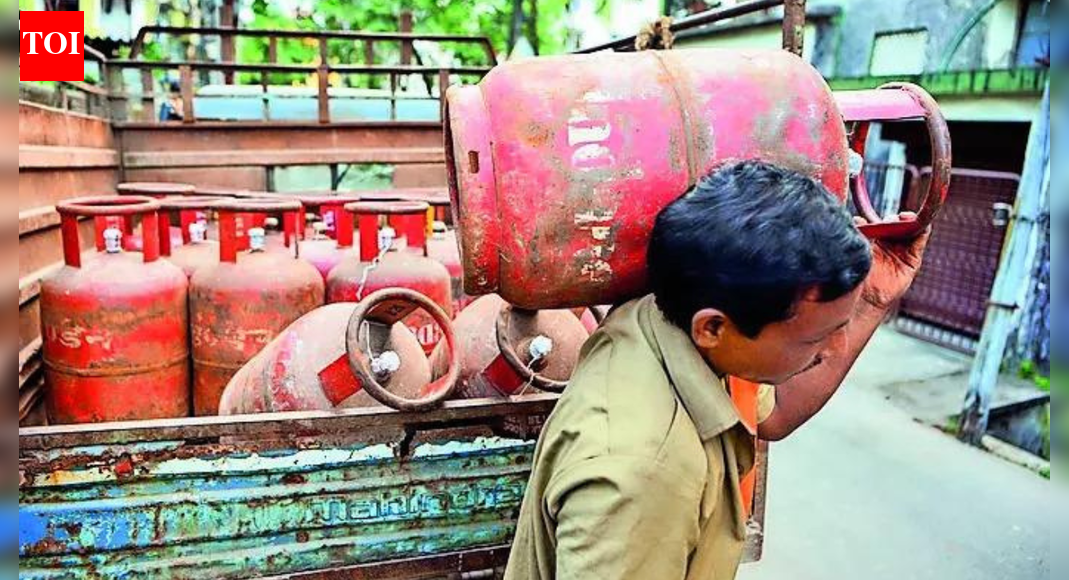

The government on Thursday kept petrol and high-speed diesel (HSD) prices unchanged at Rs253.17 per litre and Rs257.08 per litre respectively, for the coming fortnight, starting from January 16.
This decision was notified in a press release issued by the Petroleum Division.
Earlier, it was expected that the prices of all petroleum products would go down by up to Rs4.50 per litre (over 1pc each) today in view of variation in the international market.
Petrol is primarily used in private transport, small vehicles, rickshaws, and two-wheelers, and directly impacts the budgets of the middle and lower-middle classes.
Meanwhile, most of the transport sector runs on HSD. Its price is considered inflationary, as it is mostly used in heavy transport vehicles, trains, and agricultural engines such as trucks, buses, tractors, tube wells, and threshers, and particularly adds to the prices of vegetables and other eatables.
The government is currently charging about Rs100 per litre on petrol and about Rs97 per litre on diesel.
Business
Gold price today: How much 22K, 24K gold cost in Delhi, Patna & other cities – Check rates – The Times of India

Gold prices climbed to a fresh lifetime high in the domestic market on Thursday amid sustained buying by jewellers and stockists, according to the All India Sarafa Association.Gold advanced by Rs 800 to hit a new peak of Rs 1,47,300 per 10 grams (inclusive of all taxes), extending gains for the fifth consecutive session. The yellow metal had closed at Rs 1,46,500 per 10 grams in the previous session.Since the start of 2026, gold prices have surged Rs 9,600, or around 7 per cent, supported by persistent demand in the physical market. In overseas trade, spot gold slipped USD 12.22, or 0.26 per cent, to USD 4,614.45 per ounce, after having touched a record high of USD 4,643.06 per ounce in the previous session.Here is how much gold costs in major Indian cities today:
Gold price in Delhi today
The price of 22K gold in Delhi is Rs 13,140 per gram, down Rs 75, while 24K gold is priced at Rs 14,333 per gram, lower by Rs 82.
Gold price in Chennai today
In Chennai, 22K gold costs Rs 13,290 per gram, up Rs 10, while 24K gold is priced at Rs 14,498 per gram, higher by Rs 10.
Gold price in Mumbai today
Mumbai markets see 22K gold priced at Rs 13,125 per gram, down Rs 75, while 24K gold stands at Rs 14,318 per gram, lower by Rs 82.
Gold price in Ahmedabad today
In Ahmedabad, 22K gold is priced at Rs 13,130 per gram, down Rs 75, while 24K gold costs Rs 14,323 per gram, lower by Rs 82.
Gold price in Kolkata today
Kolkata markets price 22K gold at Rs 13,125 per gram, down Rs 75, while 24K gold stands at Rs 14,318 per gram, lower by Rs 82.
Gold price in Jaipur today
In Jaipur, 22K gold costs Rs 13,140 per gram, down Rs 75, while 24K gold is priced at Rs 14,333 per gram, lower by Rs 82.
Gold price in Hyderabad today
Hyderabad sees 22K gold at Rs 13,125 per gram, down Rs 75, while 24K gold is priced at Rs 14,318 per gram, lower by Rs 82.
Gold price in Bhubaneswar today
Bhubaneswar markets see 22K gold priced at Rs 13,125 per gram, down Rs 75, while 24K gold costs Rs 14,318 per gram, lower by Rs 82.
Gold price in Patna today
In Patna, 22K gold costs Rs 13,130 per gram, down Rs 75, while 24K gold is priced at Rs 14,323 per gram, lower by Rs 82.
Gold price in Lucknow today
Lucknow markets see 22K gold priced at Rs 13,140 per gram, down Rs 75, while 24K gold costs Rs 14,333 per gram, lower by Rs 82.
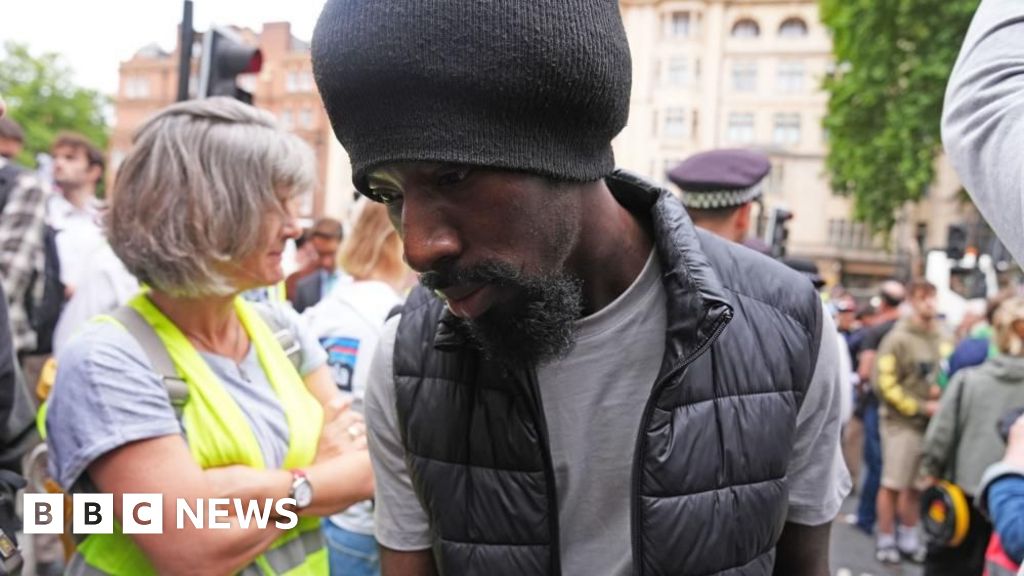
One of Britain’s most prolific rail fare dodgers could face jail after admitting dozens of travel offences.
Charles Brohiri, 29, pleaded guilty to travelling without buying a ticket a total of 112 times over a two-year period, Westminster Magistrates’ Court heard.
He could be ordered to pay more than £18,000 in unpaid fares and legal costs, the court was told.
He will be sentenced next month.
District Judge Nina Tempia warned Brohiri “could face a custodial sentence because of the number of offences he has committed”.
He pleaded guilty to 76 offences on Thursday.
It came after he was convicted in his absence of 36 charges at a previous hearing.
During Thursday’s hearing, Judge Tempia dismissed a bid by Brohiri’s lawyers to have the 36 convictions overturned.
They had argued the prosecutions were unlawful because they had not been brought by a qualified legal professional.
But Judge Tempia rejected the argument, saying there had been “no abuse of this court’s process”.


U.S. names sporting events athletes exempt from visa ban

Trump to attend College Football Playoff championship game in Miami with Rubio

Meta’s Layoffs Leave Supernatural Fitness Users in Mourning

-

 Politics1 week ago
UK says provided assistance in US-led tanker seizure
-

 Entertainment1 week ago
Does new US food pyramid put too much steak on your plate?
-

 Entertainment1 week ago
Why did Nick Reiner’s lawyer Alan Jackson withdraw from case?
-
 Business1 week ago
Trump moves to ban home purchases by institutional investors
-

 Sports5 days ago
Clock is ticking for Frank at Spurs, with dwindling evidence he deserves extra time
-

 Sports1 week ago
PGA of America CEO steps down after one year to take care of mother and mother-in-law
-
 Business1 week ago
Bulls dominate as KSE-100 breaks past 186,000 mark – SUCH TV
-
Sports6 days ago
Commanders go young, promote David Blough to be offensive coordinator