

Business
Government to allow flat rate tourist tax


The Scottish Government will introduce a new Bill to allow councils to institute a flat rate visitor levy.
Local authorities currently have the power to implement a so-called tourist tax on visitors to the area, but can only do so as a percentage of the cost of stays in hotels and other forms of accommodation.
But public finance minister Ivan McKee announced on Tuesday a Bill would be lodged in the new year to allow for a flat fee to be introduced, in the hopes it would pass before the end of the parliamentary term in March.
In a statement, the minister said: “The visitor levy empowers councils by giving them a new way to raise money for investment in tourist services and facilities.
“Our aim has been to give councils the flexibility to design a levy that works for their areas, while ensuring businesses can easily understand what it means for them.
“The Act passed last year was an example of partnership working between the Scottish Government, local government and tourism businesses.
“Through regular discussions with our partners, it became clear that further flexibility would be welcomed.
“That is why we have decided to legislate next year, to ensure local visitor levies work effectively for everyone.”
Scottish Tory economy spokesman Murdo Fraser said that while it was a “relief” the Government had “finally listened” to calls for the flat rate, the levy would still hurt local economies.
“Whilst that is an improvement, this legislation is still going to impose enormous costs on, and damage to, a sector of the economy which is already struggling with too high a cost base,” he said.
“The introduction of the SNP’s visitor levy has been handled in the most cack-handed fashion, with no real assessment of its impact, no clarity about how it will be collected, and a series of farcical U-turns about what powers councils would have.
“This announcement finally confirms the flexibility to set a flat rate on the visitor levy, but it won’t alter the extra costs and red tape being imposed on businesses and travellers – including Scots moving around the country for work or family reasons – or provide any assurance that these funds will benefit local communities.”
Marc Crothall, the chief executive of the Scottish Tourism Alliance, said the move showed the Government’s willingness to “act on feedback from business” as he pushed for councils to pause their plans for a tourist tax.
“It will overall be easier and less costly for accommodation providers and local authorities to administer, and importantly more transparent for our visitors,” Mr Crothall said.
“We now look forward to working constructively in partnership with the Scottish Government to deliver meaningful reform of the visitor levy charging model, which we have championed from the very start.
“In the meantime, we urge all local authorities to consider pausing any plans for a visitor levy scheme as this plays out in the Scottish Parliament over the next few months. Change is coming just down the line.”
UKHospitality Scotland executive director Leon Thompson said the current legislation is “unworkable” and welcomed the Scottish Government’s “pragmatic” approach.

Malaysia-based Karex produces more than five billion condoms a year and supplies global brands like Durex and Trojan.
Source link
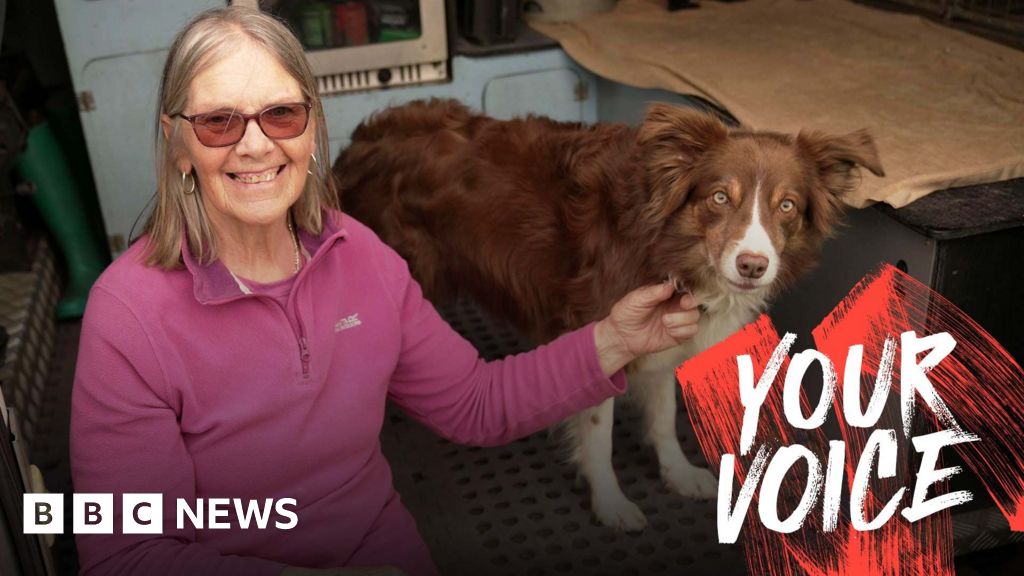
Tesco Pet Insurance, who provided the cover, says “the cost of claims is one of a number of factors that can affect the price of a policy at renewal” and also noted Tilly’s age had been reflected in the quote. It says the couple had a more comprehensive policy, which typically costs more than basic levels of cover, and that alternative options were presented to Fawcett and Neild.
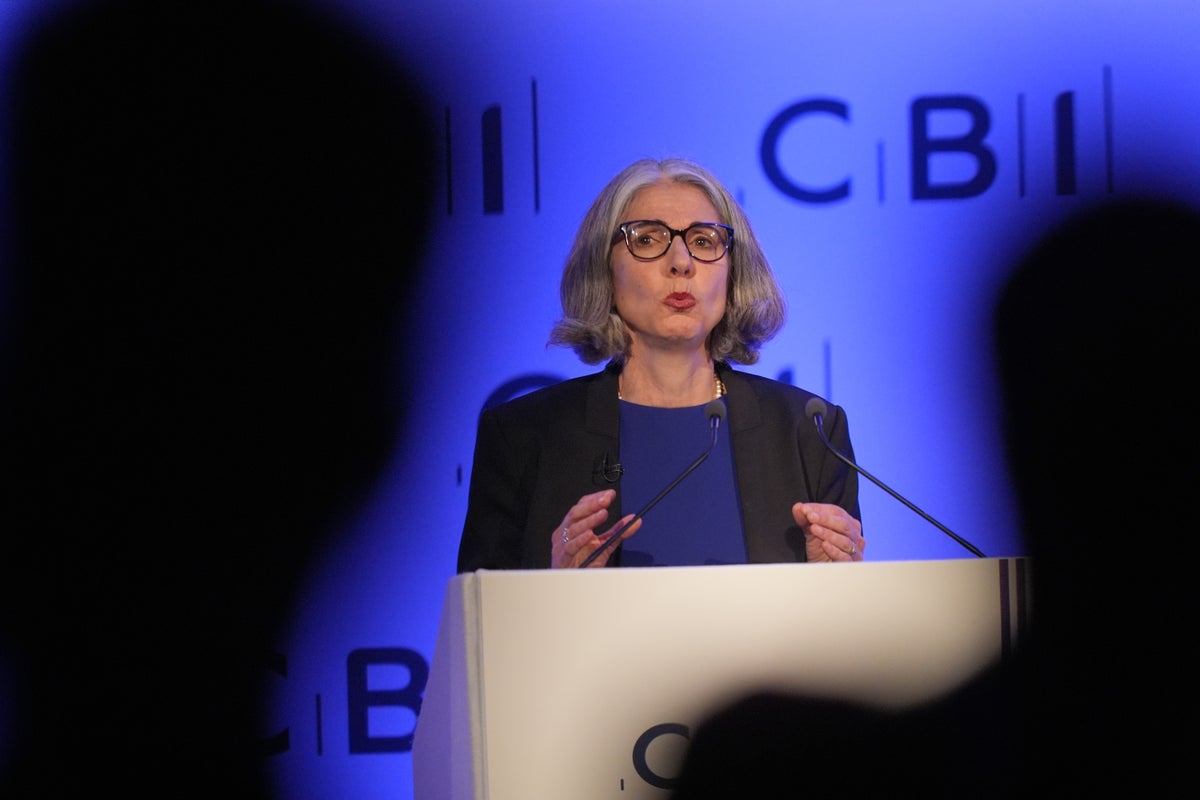
The UK must not “cut ourselves off” from trade opportunities in China despite security and business risks, the head of the Confederation for British Industry has warned.
CBI chief Rain Newton-Smith highlighted that British businesses see increased trade with Chinese firms as an opportunity to drive growth.
Her remarks came as business leaders were questioned by MPs on Parliament’s Business and Trade Select Committee regarding the UK’s economic relationship with China.
Last December, Prime Minister Sir Keir Starmer admitted China poses security threats to the UK but urged for greater business ties.
Ms Newton-Smith, chief executive of one of the UK’s largest business groups, was positive about the Government’s engagement with China.
“You can’t have a growth strategy without a strategy for China,” she said.
“China has the biggest contribution to global growth, is the third largest trading partner, and the world’s largest consumer market.
“The UK is second largest exporter of trade and services.
“We are mindful as all businesses are of security risks but it is really important that we have a strategy towards China.
“This Government has increased the economic engagement with China and including business within this does help us as a country.”
She added: “If we think about the future economy, there is a huge market in China and I think we mustn’t cut ourselves off from some of the opportunities there, even if in some areas there are difficult conversations and negotiations that need to be had.”
Peter Burnett, chief executive of the China-Britain Business Council, told the committee: “There are risks associated with technology advancement, AI, industrial development that they need to assess.
“Increasingly you will find them saying that they need to engage more in China to understand those risks and to develop some of the technologies along some of those risks themselves.”


IMF to give specific attention to low-income, vulnerable nations

A case for fuel reforms
World’s biggest condom maker Karex set to raise prices due to Iran war

-

 Fashion6 days ago
France’s LVMH Q1 revenue falls 6%, shows resilience amid Iran war
-

 Sports1 week ago
The case for Man United’s Fernandes as Premier League’s best
-

 Entertainment1 week ago
Palace left in shock as Prince William cancels grand ceremony
-
 Business1 week ago
UK could adopt EU single market rules under new legislation
-

 Entertainment7 days ago
Is Claude down? Here’s why users are seeing errors
-

 Fashion1 week ago
Energy emerges as biggest cost driver in textile margins
-
 Business1 week ago
Delta Air Lines unveils first new Delta One suite in premium cabin arms race
-
 Fashion1 week ago
Asia claims largest share of markets on Kearney FDI Confidence Index