

Politics
Florida designates CAIR, Muslim Brotherhood ‘terrorist groups’, sparking uproar

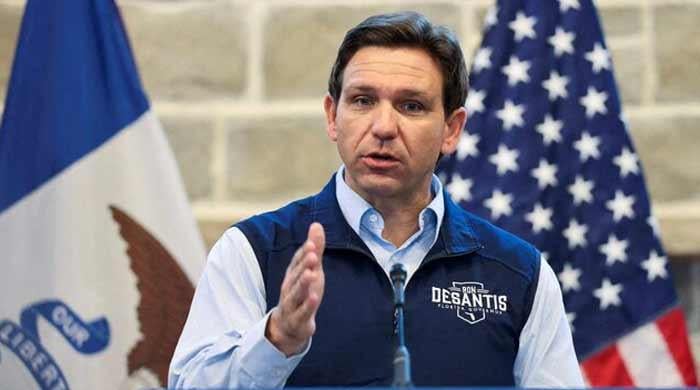
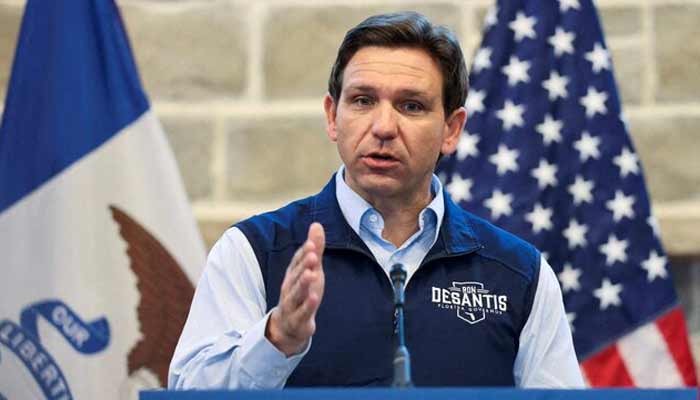
Florida Governor Ron DeSantis on Monday issued an executive order that has stirred deep unease and controversy among Muslims, civil rights organisations, and legal experts across the United States.
In that order, he designates the Council on American-Islamic Relations (CAIR), the country’s largest Muslim civil rights and advocacy group, as well as the Muslim Brotherhood, as “foreign terrorist organi[s]ations.”
The move comes exactly one month after Texas Governor Greg Abbott issued a similar proclamation against CAIR in his state, a measure that CAIR is already challenging in federal court. With Florida now following suit, the legal and political battle around the organisation has widened significantly.
Governor DeSantis, who typically rolls out major executive actions at high-profile public events, chose a markedly quieter route this time.
He posted the order on X, the platform formerly known as Twitter, announcing that it would take effect immediately. Within hours, the move had sent a chill through Muslim communities and civil rights circles nationwide, not least because this is the first time that two major US states have sought to label as “terrorist” an organisation that, for three decades, has been active in US courts and legislative halls defending the Constitution, civil liberties, and religious freedom.
In a joint statement, CAIR’s national office and its Florida chapter condemned the order as unconstitutional, malicious, baseless, and politically motivated, and declared that they will also challenge Florida’s action in federal court.
The statement argued that Governor DeSantis knows full well that CAIR-Florida is a legitimate American civil rights organisation that for years has worked to defend free speech, religious liberty, civil rights, and justice for the Palestinian people, and that it is precisely for this reason that his administration has chosen to target it.
The Florida order asserts that some of CAIR’s founders had ties to the Muslim Brotherhood in Egypt, an organisation that has come under intensified scrutiny in the wake of the October 7, 2023, attack and the broader security discourse that followed.
By highlighting alleged ideological links between the Muslim Brotherhood and Hamas, the order attempts to pull CAIR into the same orbit. CAIR, however, has consistently and emphatically rejected these accusations, stressing that it has no connection to Hamas or to any other such group.
Unlike Texas, Florida’s order does not bar CAIR or the Muslim Brotherhood from purchasing property in the state, but it does issue sweeping instructions to state agencies.
They are directed not to award contracts, grants, funding, employment, or any form of state benefit to these organisations or to any individual, entity, or supporter deemed to be associated with them.
The order further assigns responsibility to Florida’s Domestic Security Oversight Council to review existing state laws and regulations and to recommend additional measures or restrictions against the two organisations. Those recommendations are to be submitted to state leaders by January 6, 2026.
Viewed in a broader political context, the order fits into a longer pattern of criticism directed at Governor DeSantis for his hard line against American Muslims and pro-Palestinian groups.
According to CAIR, DeSantis held his first official cabinet meeting in Israel, funneled millions of Florida taxpayers’ dollars into Israeli bonds, and sought to shut down Students for Justice in Palestine (SJP) chapters on state university campuses — an effort that CAIR challenged in court and successfully forced him to retreat from.
CAIR argues that these steps are part of a systematic attempt to silence American Muslims and marginalise voices critical of US policy toward Israel.
In their press release, CAIR’s national office and its Florida chapter described DeSantis as an “Israel First” politician who prioritises the interests of a foreign state over the US Constitution, civil rights, and the peaceful civic engagement of American Muslims.
They noted that whenever CAIR has taken its unconstitutional actions to court, the governor has been compelled to step back. Now, they contend, he is seeking instead to smear the organisation and attach false labels to it. The statement pledged that CAIR will defeat this latest political stunt in court, “where decisions are based on evidence, not conspiracy theories,” and called on all Americans to speak out against the order.
Last month, the Muslim Legal Fund of America, the CAIR Legal Defense Fund, and a team of prominent attorneys filed suit against Texas Governor Greg Abbott and Attorney General Ken Paxton, arguing that branding an American civil rights organisation as a “foreign terrorist organi[s]ation” without trial, evidence or due process violates the federal Constitution and the fundamental rights of US citizens. That case remains ongoing, and Florida’s new order has only deepened the legal and constitutional questions now before the courts.
Taken together, these developments have created a new moment of crisis for American Muslims. On one side is the post-October 7 climate of heightened surveillance and suspicion, exacerbated by isolated incidents such as a fraud scandal involving members of the Somali community in Minnesota and a shooting by an Afghan immigrant.
On the other are two powerful states now attempting to designate a nationwide Muslim civil rights group as a terrorist entity.
CAIR describes this as a grave assault on civil liberties in US history, a direct attack on the identity and legitimacy of American Muslims and a clear violation of constitutional principles.
Governor DeSantis’s decision has opened the door to a far-reaching legal and political confrontation, and the coming months are likely to be critical for the future of both constitutional rights and minority protections in the United States.
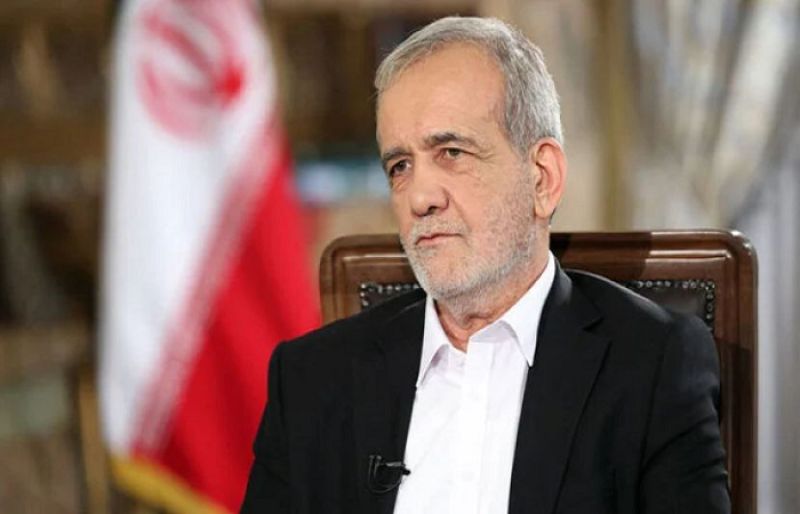

Iranian President Masoud Pezeshkian has issued a significant statement aimed at easing regional tensions, assuring that Iran will not launch missile strikes or take aggressive action against neighbouring countries.
The president said the decision was taken with the approval of the Interim Leadership Council, stressing that Iran’s policy of non-aggression will remain in place as long as no attacks are carried out on Iranian territory.
Commitment to Peace
In a message shared on social media, Pezeshkian said Iran harbours no hostility toward regional countries and expressed regret over the recent tensions affecting neighbouring states.
“We harbor no hostility toward regional countries and apologize for the recent situation with our neighbors,” the president said.
Sovereignty Will Be Protected
While calling for peace, Pezeshkian also emphasized that Iran’s sovereignty and national security would not be compromised.
He added that diplomatic efforts and mediation aimed at ending the ongoing conflict should be led by the countries that initiated the confrontation.
Regional De-escalation Efforts
The statement comes amid rising tensions in the Middle East following military exchanges involving Iran, Israel, and the United States, prompting calls from several countries for de-escalation and dialogue to restore regional stability.
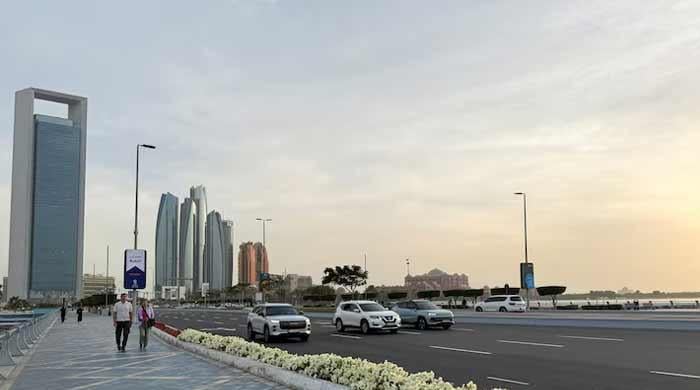
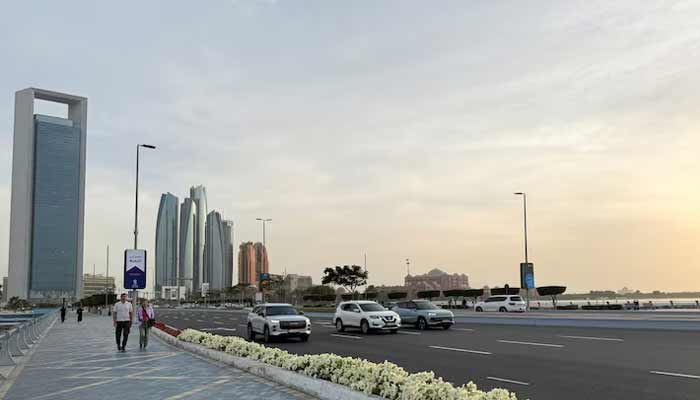
DUBAI: Dubai has announced the implementation of a new public safety law introducing stricter regulations for public spaces and events, with fines ranging from AED500 ($136) to AED1 million ($272,000), authorities said.
Under the legislation, repeat violations within one year could result in fines of up to AED2 million, officials added.
The new law, which takes effect across the emirate on June 1, sets out enhanced safety requirements for public venues and gatherings.
The rules were issued by Dubai’s Ruler, Vice President and Prime Minister of the UAE, Sheikh Mohammed bin Rashid Al Maktoum.
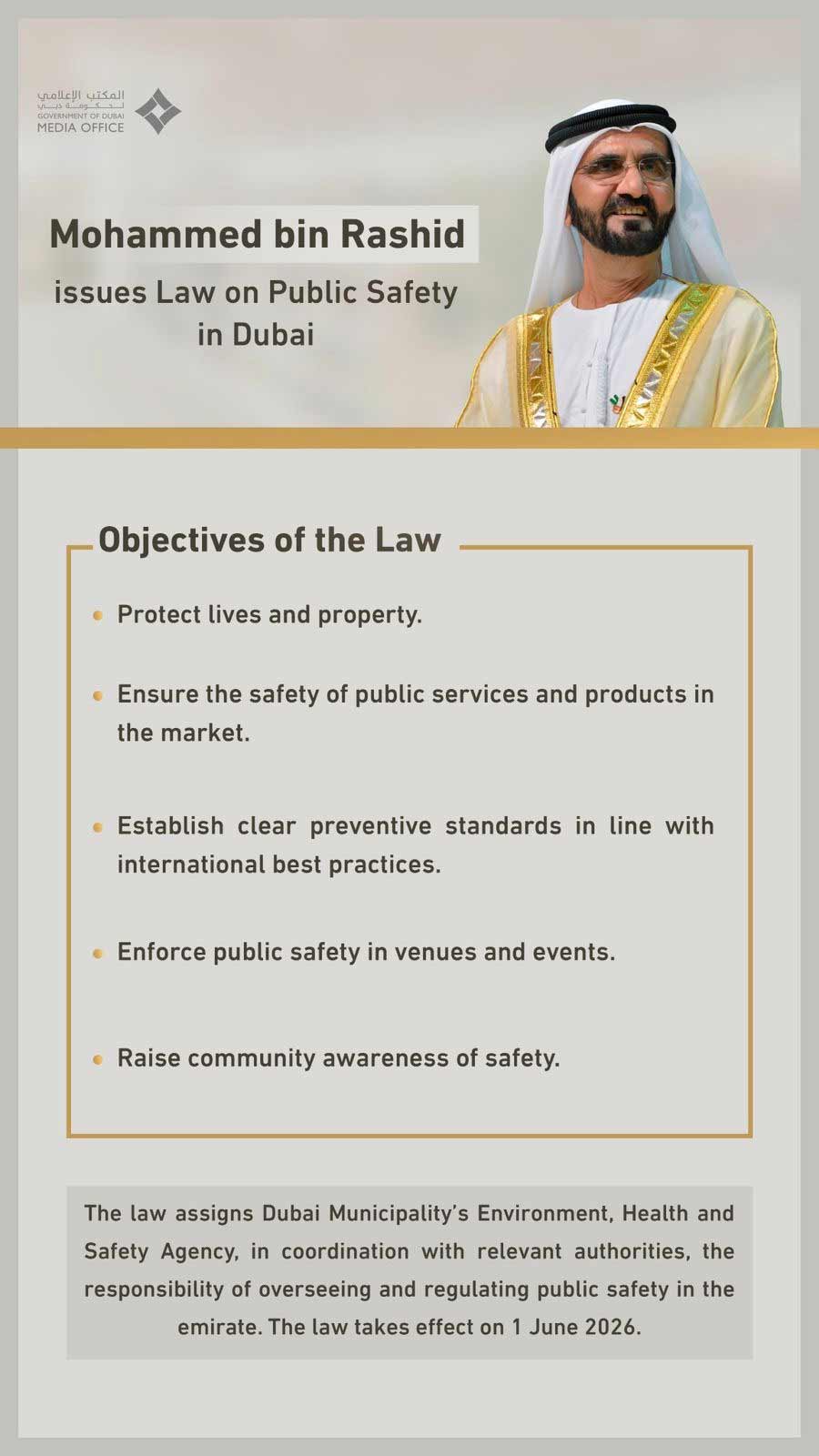
According to the regulations, public venues and events must ensure safe entry and exit routes, adequate lighting, and capacity limits to prevent overcrowding.
Event organisers will be required to provide firefighting equipment, emergency evacuation plans, first aid facilities, and trained security personnel.
Compliance with safety instructions at public venues has been made mandatory.
The law also requires adherence to designated swimming times at beaches and prohibits access to restricted areas.
Possession of explosives or fireworks without a permit is banned, as is the use and transport of hazardous or flammable materials.
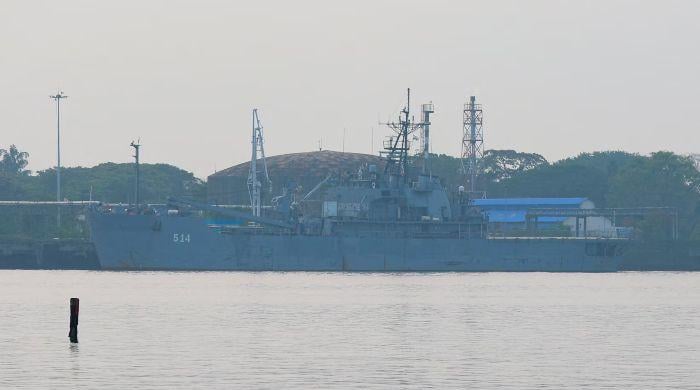
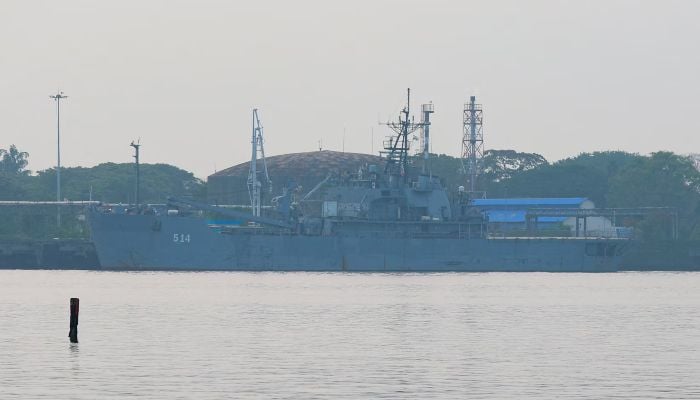
India has allowed an Iranian warship to dock as a humanitarian gesture, Foreign Minister Subrahmanyam Jaishankar said on Saturday, after the US sank another Iranian navy vessel off neighbouring Sri Lanka.
The Lavan docked at India’s southern port of Kochi on Wednesday, the same day the US submarine struck Iranian navy frigate Dena, after an urgent request from Tehran, an Indian government source told Reuters.
US President Donald Trump has said destroying the Iranian navy is one aim of the war he and Israel launched against the Islamic Republic a week ago.
The Lavan – an amphibious landing vessel, according to the US Naval Institute’s online news site – and two other ships “were coming in for a fleet review and then they got, in a way, caught on the wrong side of the events,” Jaishankar told the annual Raisina Dialogue event.
“I think we really approached it from the point of view of humanity, of other than whatever the legal issues were,” he said. “I think we did the right thing.”
At least 87 people were killed in the US attack on the Dena in Sri Lanka’s exclusive economic zone, 19 nautical miles off the coast, outside its maritime boundaries.
India received the docking request for the Lavan on February 28, the day the Iran war started, the source said late on Friday, adding that the request “was urgent as the vessel had developed technical issues”.
Its 183 crew members have been accommodated at naval facilities in Kochi, said the source, who asked not to be identified citing confidentiality.
The Dena was on its way back from a naval exercise organised by India, according to the drill’s website and Sri Lankan officials.
Sri Lankan authorities said on Friday that they were escorting the Iranian naval ship Booshehr to a harbour on the eastern coast and moving most of its crew to a navy camp near Colombo.


Ball State fires Michael Lewis after 3 straight losing seasons

Iran Assures Neighbours of Non-Aggression Amid Regional Tensions

Paul McCartney's overlooked work

India Us Trade Deal: Fresh look at India-US trade deal? May be ‘rebalanced’ if circumstances change, says Piyush Goyal – The Times of India

LPGA legend shares her feelings about US women’s Olympic wins: ‘Gets me really emotional’

South Korea’s Misto Holdings completes planned leadership transition

-
Business1 week ago
India Us Trade Deal: Fresh look at India-US trade deal? May be ‘rebalanced’ if circumstances change, says Piyush Goyal – The Times of India
-
 Sports1 week ago
LPGA legend shares her feelings about US women’s Olympic wins: ‘Gets me really emotional’
-

 Entertainment1 week ago
Bobby J. Brown, “The Wire” and “Law & Order: SUV” actor, dies of smoke inhalation after reported fire
-
 Fashion1 week ago
South Korea’s Misto Holdings completes planned leadership transition
-

 Entertainment1 week ago
Pakistan’s semi-final qualification scenario after England defeat New Zealand
-

 Fashion1 week ago
Texwin Spinning showcasing premium cotton yarn range at VIATT 2026
-
 Business1 week ago
Greggs to reveal trading amid pressure from cost of living and weight loss drugs
-

 Politics1 week ago
Iran launches retaliation against Israel, launches ballistic missiles