

Business
India–US trade ties: Piyush Goyal says India secured best deal among competing nations – The Times of India

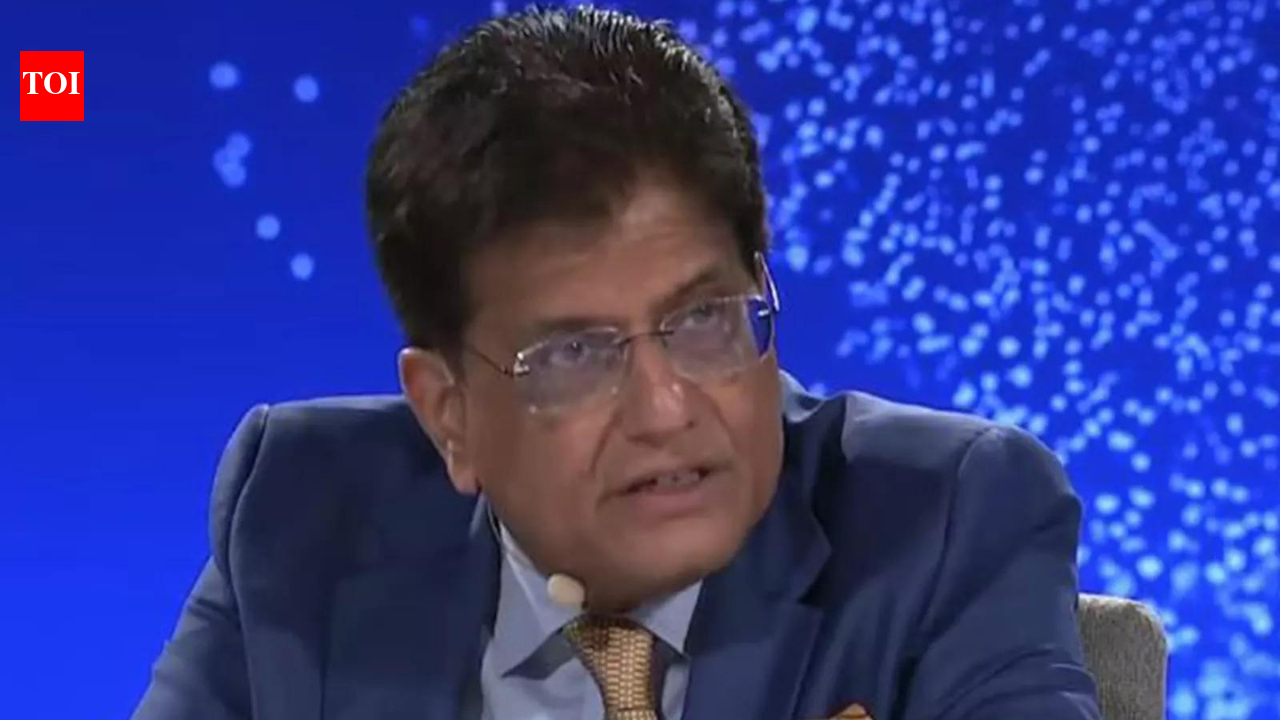
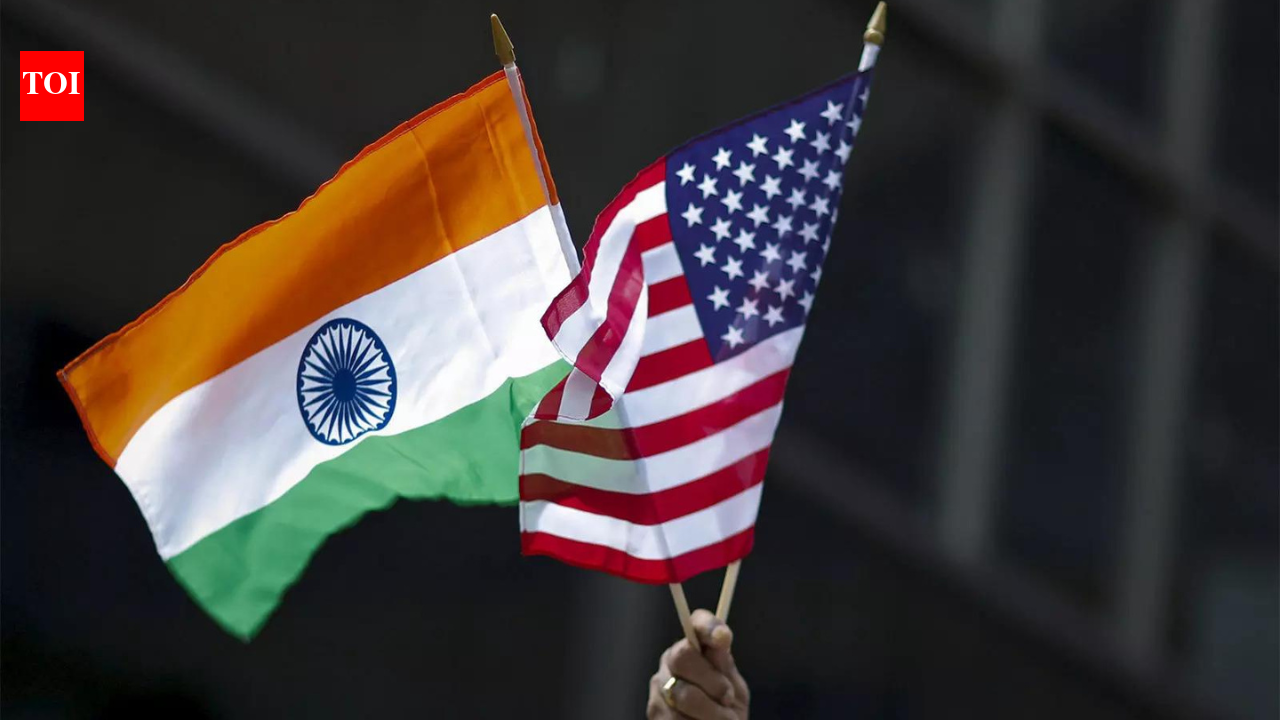
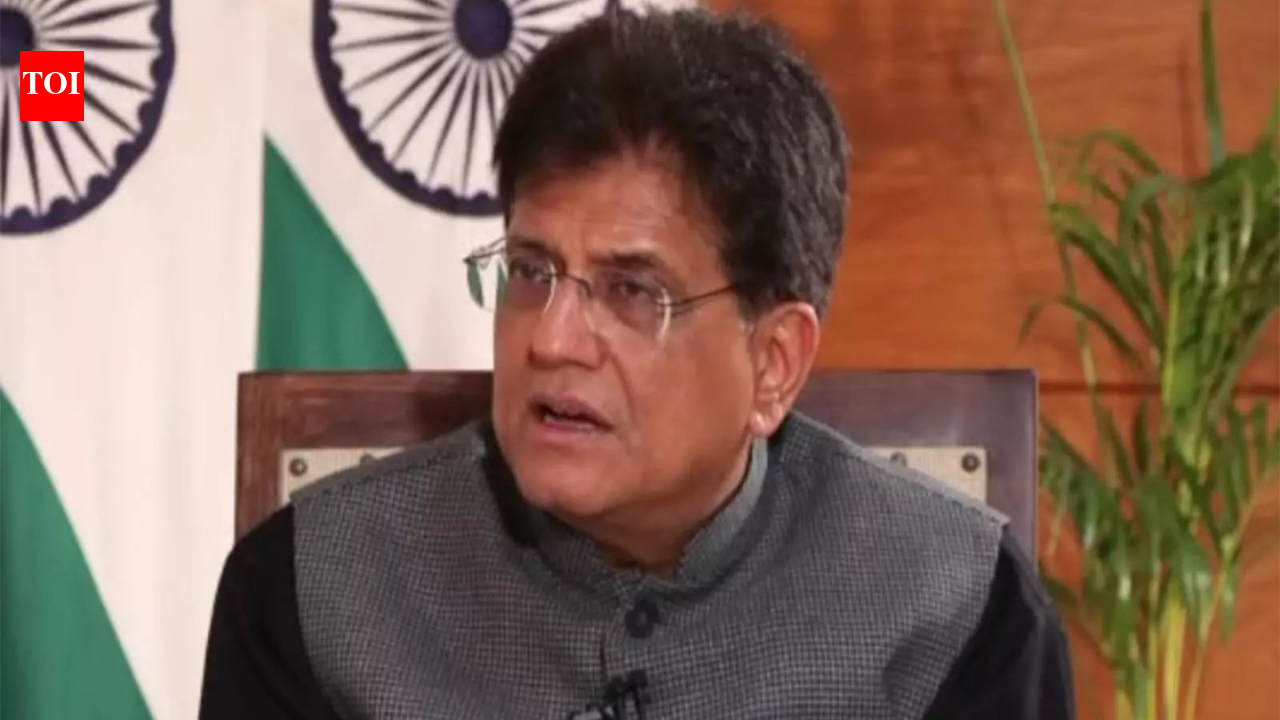
Commerce and industry minister Piyush Goyal on Saturday said India has secured the best trade deal with the United States among competing nations, highlighting the strength of the economic and strategic partnership between the two countries, reported PTI.Speaking at the Raisina Dialogue 2026 in New Delhi, Goyal said India and the US share a “very powerful” relationship, adding that the world’s largest economy remains an important partner for New Delhi.
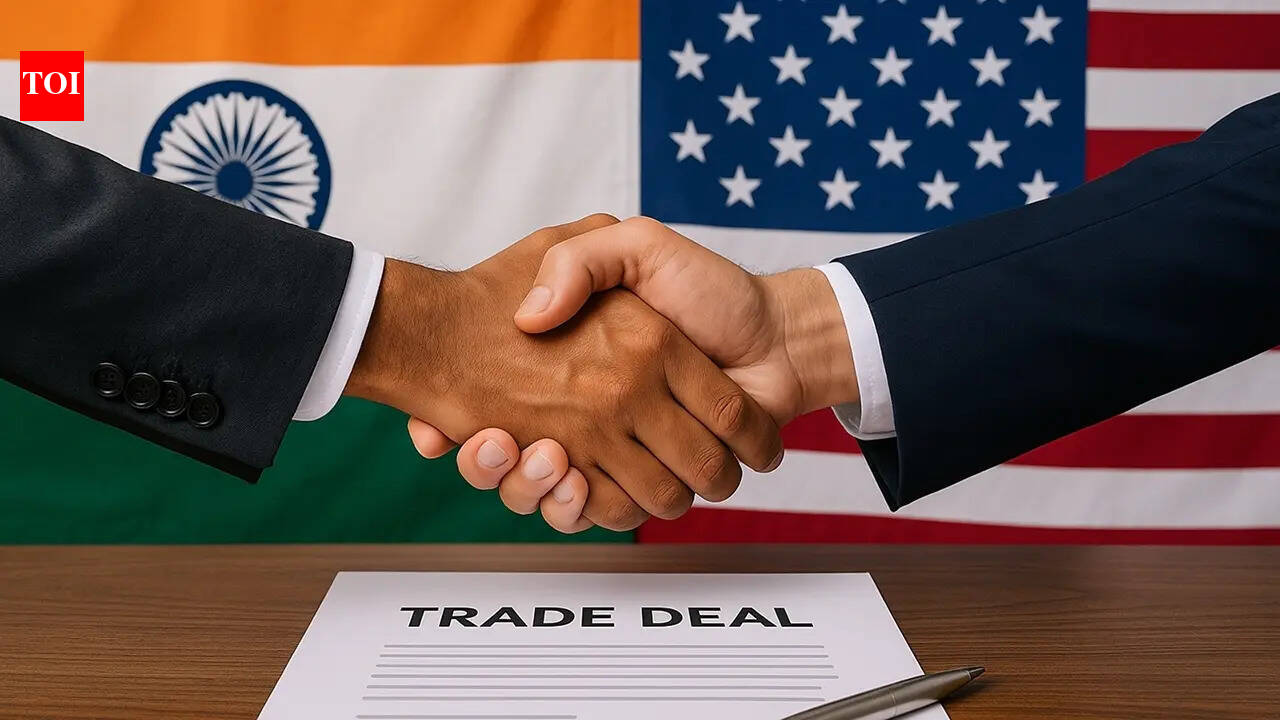
“It has been a fantastic journey. We have the best of relations. You would have observed that through the last year, President Donald Trump has always had the best things to say about India as a country, and about Prime Minister (Narendra) Modi. We have fantastic relations with our counterparts there.“Even within your family, sometimes you can have one or two misunderstandings. It’s a part of the course. I think it’s a very, very powerful relationship that the US and India share. And we got the best deal amongst all the nations with whom we compete,” Goyal said.He added that the two countries are strategic partners and the largest democracies in the world, noting that the US, with a $30 trillion economy, remains central to global trade.“We have a large responsibility cast on both our nations. They are the world’s largest economy, USD 30 trillion economy, nobody can wish them away,” he said.Explaining the significance of trade agreements, Goyal said such deals are meant to secure preferential access for a country’s goods and services compared to competitors.“What’s a trade deal? You are trying to get a preference or a preferential access for yourself, your goods, your services, compared to your competitor. And we got the best deal amongst all the competing nations. I mean whether it’s in our neighbourhood Pakistan or Bangladesh. If we look at the Asian region, we got the best deal amongst all of the competitors…” he said.The minister added that the India-US partnership extends beyond trade, encompassing technology cooperation, critical minerals, defence ties and investments.“There’s a huge technology overlay on it. There’s a huge critical minerals partnership, there’s a defense partnership, there’s a huge amount of investments that flow into India from the US. So it’s a partnership of two countries which is going to define the future,” he said.His remarks come as India and the US have finalised the framework for the first phase of a bilateral trade agreement, under which Washington had announced it would reduce reciprocal tariffs on India to 18 per cent.However, after the US Supreme Court struck down the tariffs, President Donald Trump imposed a 10 per cent tariff on all countries from February 24 for 150 days.A meeting between the chief negotiators of the two countries to finalise the legal text of the agreement has also been postponed.Under the proposed deal, India will eliminate or reduce tariffs on US industrial goods and a range of American agricultural products, including dried distillers’ grains (DDGs), red sorghum for animal feed, tree nuts, fresh and processed fruits, soybean oil, wine and spirits, among others.India has also indicated that it plans to purchase $500 billion worth of US energy products, aircraft and aircraft parts, precious metals, technology products and coking coal over the next five years.Goyal also referred to the nine free trade agreements finalised by the Modi government, saying they were negotiated while safeguarding domestic interests.“These nine free trade agreements, I can say on record with all the courage that I have on my command with all the responsibility that in not a single trade deal, has India compromised on any sensitivity of any of our stakeholders,” he said.Opposition parties, however, have alleged that the government has compromised the interests of farmers in the India-US trade pact.Goyal said opening the auto sector under certain FTAs would expand consumer choice and create employment opportunities.“Demand for this industry is growing at an average of 8 per cent. So you can imagine how much more scope we have to create jobs,” he said.He added that while companies from FTA partner countries may initially export cars to test the Indian market, they would eventually need to manufacture locally once demand is established.“Initially they can sell, say, 5,000 cars or 10,000 cars, to test the market, find the distraction — and then come and manufacture here,” he said.He added that the government’s broader objective is to build a global network of trade partnerships through multiple FTAs.
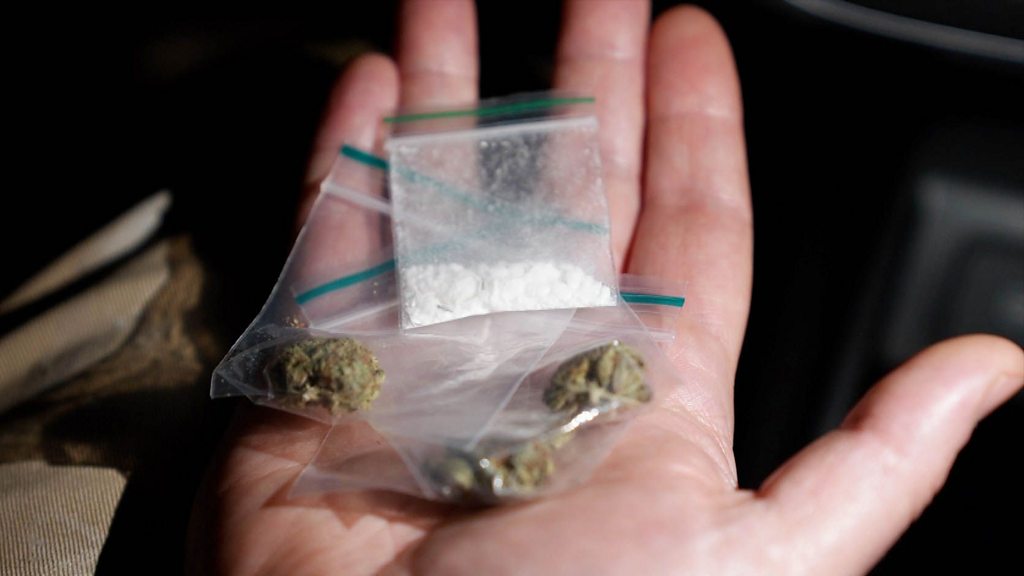
Across the UK, shopfronts are being exploited by criminal gangs pushing illegal drugs, experts say.
Source link

At around 8.25 am, the benchmark US oil contract, West Texas Intermediate (WTI) climbed 4.06% to US$96.73 per barrel.
International oil benchmark Brent North Sea crude rose 3.62% to US$105.63. Both eased back in the following minutes.
Oil prices have soared since Israel and the US attacked Iran on Feb 28, and they have kept inching up due to the uncertainty over whether war will resume.
As the clock ticked for a return to the war that has engulfed the region, US President Donald Trump had said Tuesday he would maintain the truce to allow more time for Pakistani-brokered peace talks.
Iran said it welcomed the efforts by Pakistan but made no other comment on Trump’s announcement.
Wall Street stocks gained ground following President Trump’s unilateral ceasefire extension in the Iran war.
All three major US stock indexes advanced, with tech shares helping to put the Nasdaq out front, while gold advanced and the dollar edged higher.
The S&P 500 and the Nasdaq reached record closing highs.
“Despite the energy shock and headlines that have inundated investors, the macroeconomy, corporate fundamentals, and consumer spending remain strong,” said Bill Merz, head of capital markets research at US Bank Wealth Management in Minneapolis.
“Investors are taking the stance that the Strait of Hormuz will open before too much damage is inflicted on the global economy.”
Iran’s Revolutionary Guards seized two vessels for maritime violations just hours after Trump agreed to extend the ceasefire until negotiations are concluded.
About a fifth of the world’s oil and liquefied natural gas (LNG) supplies normally pass through the strait.
US stocks, initially battered by the war, have since made a full recovery, with the S&P 500 and the Nasdaq having reached all-time closing highs in recent sessions.
But geopolitical uncertainty lingers, and a prolonged period of elevated oil prices remains a threat.
About two-thirds of the S&P 500 companies that have reported quarterly earnings since the beginning of April have voiced concerns about energy prices in their analyst conference calls, according to a Reuters review of transcripts.
“Anytime there’s a global event like the conflict in the Middle East, and it grabs so many headlines and captures attention, it will crop up in earnings commentary,” Merz added. “But we’re not seeing it significantly impact behaviour yet.”
First-quarter earnings season is well underway amid lofty expectations. Analysts currently estimate year-on-year S&P 500 earnings growth of 14.4% for the January-March period, according to the most recent LSEG data.
The Dow Jones Industrial Average rose 341.27 points, or 0.69%, to 49,490.52, the S&P 500 +gained 73.90 points, or 1.05%, to 7,137.91, and the Nasdaq Composite was up 397.60 points, or 1.64%, to 24,657.57.
European shares ended lower for the third straight session as the Middle East strife continued to weigh on markets and investors assessed a raft of corporate earnings.
Dozens of international firms have withdrawn guidance or signalled price hikes since the war began.
MSCI’s gauge of stocks across the globe rose 4.52 points, or 0.42%, to 1,070.98.
The pan-European STOXX 600 index fell 0.35%, while Europe’s broad FTSEurofirst 300 index fell 8.58 points, or 0.35%.
Emerging market stocks fell 9.41 points, or 0.58%, to 1,606.07. MSCI’s broadest index of Asia-Pacific shares outside Japan closed lower by 0.6%, to 822.27, while Japan’s Nikkei .N225 rose 236.69 points, or 0.40%, to 59,585.86.
The dollar rose amid lingering geopolitical worries.
The dollar index, which measures the greenback against a basket of currencies including the yen and the euro, rose 0.26% to 98.63, with the euro down 0.32% at $1.1704.
Against the Japanese yen, the dollar strengthened 0.12% to 159.56.
In cryptocurrencies, Bitcoin gained 4.13% to $78,866.74. Ethereum rose 3.48% to $2,398.37.
US Treasury yields increased, rangebound amid choppy trading.
The yield on benchmark US 10-year notes rose 1.2 basis points to 4.304%, from 4.292% late on Tuesday.
The 30-year bond yield rose 1.1 basis points to 4.9091% from 4.898% late on Tuesday.
The 2-year note yield, which typically moves in step with interest rate expectations for the Federal Reserve, rose 2.1 basis points to 3.8%, from 3.779% late on Tuesday.

Jenny Lennick’s colourful hair clips are sold across the US and around the world.
Source link


Canada forms new advisory committee to strengthen US trade relations
High street drug dealer sells cannabis to undercover reporter

Clearing Hormuz Strait mines could take six months: report

-

 Fashion1 week ago
France’s LVMH Q1 revenue falls 6%, shows resilience amid Iran war
-

 Entertainment1 week ago
Is Claude down? Here’s why users are seeing errors
-

 Tech1 week ago
The Deepfake Nudes Crisis in Schools Is Much Worse Than You Thought
-

 Sports1 week ago
PSL 11: Peshawar Zalmi win toss, opt to field first against Quetta Gladiators
-

 Tech1 week ago
Human-machine teaming dives underwater
-
 Business1 week ago
Standard Life buys rival in £2b deal to create savings giant
-
 Business1 week ago
BP sees ‘exceptional’ oil trading result as Iran war sends crude costs soaring
-

 Fashion1 week ago
What no one is saying about the 2026 apparel slowdown