

Sports
FIFA Introduces $60 Ticket Tier Amid Criticism Over 2026 World Cup Prices – SUCH TV


FIFA on Wednesday announced the introduction of a limited number of $60 “Supporter Entry Tier” tickets, aimed at making the 2026 FIFA World Cup more affordable for supporters of qualified teams.
Football’s governing body said the discounted tickets will be available for all 104 matches, including the final.
According to FIFA, the reduced-price tickets will account for 10 percent of the ticket allocations for Participating Member Associations (PMAs).
These associations represent competing national teams and are responsible for managing fan-focused ticket programmes.
PMAs will oversee the distribution process and set their own criteria to prioritise “loyal fans” with strong ties to their national teams.
FIFA added that 50 percent of each PMA’s total ticket allocation will fall within the most affordable categories, with 40 percent under the Supporter Value Tier and 10 percent under the newly introduced Supporter Entry Tier.
“The remaining allocation will be split evenly between the Supporter Standard Tier and the Supporter Premier Tier,” it added.
Fans who apply through PMA ticketing programmes and whose teams fail to progress to the knockout stage will have administrative fees waived for refund requests.
The announcement comes amid growing scrutiny of ticket pricing ahead of the 2026 tournament, set to take place from June 11 to July 19 across Canada, Mexico, and the United States.
Last week, Football Supporters Europe (FSE) accused FIFA of imposing “extortionate” ticket prices that could prevent average fans from attending the event.
FSE director Ronan Evain told Reuters on Tuesday that while the new pricing was a step in the right direction it was “clearly not sufficient”.
He noted that following a team to the final would cost $480 under category four, but jumps to $6,900 for category three, meaning one fan “sitting in the same section” as another could pay 15 times more.
Evain also said there was a lack of transparency around ticket distribution.
“FIFA doesn’t provide any guidelines or obligations for the PMAs. They have the freedom to choose how they distribute the tickets,” he said.
According to the BBC, this will mean about 400 of the cheaper tickets will be available for England and Scotland in their group games, yet Evain said that most PMAs don’t disclose the number of tickets.
FIFA said in its statement on Wednesday that PMAs were requested to ensure that these cheaper tickets were “specifically allocated to loyal fans who are closely connected to their national teams”.
Evain also raised concerns about accessibility for fans with disabilities.
“The cheapest they can get all the way to the final is $7,000 and they also must pay full price for companion seats, meaning that following a team to the final could cost $14,000,” he said.
Despite the backlash, FIFA reported strong interest in the sale’s third phase draw, which began on December 11 and will remain open until January 13, driven by the release of match schedules, venues and kick-off times.











NEWYou can now listen to Fox News articles!
Indiana’s Fernando Mendoza’s year couldn’t have been more perfect.
He led his Hoosiers to an unblemished 16-0 season, captured the national championship in historic fashion and won the 2025 Heisman before being selected first in the 2026 NFL Draft by the Raiders.
Now that the path is clear for a new athlete to leave NYC in December holding the Heisman, who will it be?
Here are the way-too-early odds at DraftKings Sportsbook as of May 5.
This page may contain affiliate links to legal sports betting partners. If you sign up or place a wager, FOX Sports may be compensated. Read more about Sports Betting on FOX Sports.
2026 Heisman Trophy Winner
CJ Carr (Notre Dame): +750 (bet $10 to win $85 total)
Arch Manning (Texas): +750 (bet $10 to win $85 total)
Julian Sayin (Ohio State): +1000 (bet $10 to win $110 total)
Dante Moore (Oregon): +1000 (bet $10 to win $110 total)
Trinidad Chambliss (Ole Miss): +1100 (bet $10 to win $120 total)
Josh Hoover (TCU): +1200 (bet $10 to win $130 total)
Darian Mensah (Miami, FL): +1200 (bet $10 to win $130 total)
Jeremiah Smith (Ohio State): +1300 (bet $10 to win $140 total)
Gunner Stockton (Georgia): +1800 (bet $10 to win $190 total)
Sam Leavitt (Arizona State): +2000 (bet $10 to win $210 total)
Marcel Reed (Texas A&M): +2500 (bet $10 to win $260 total)
Jayden Maiava (USC): +2500 (bet $10 to win $260 total)
John Mateer (Oklahoma): +2800 (bet $10 to win $290 total)
Here’s more on a few of the names on the 2026 Heisman oddsboard:
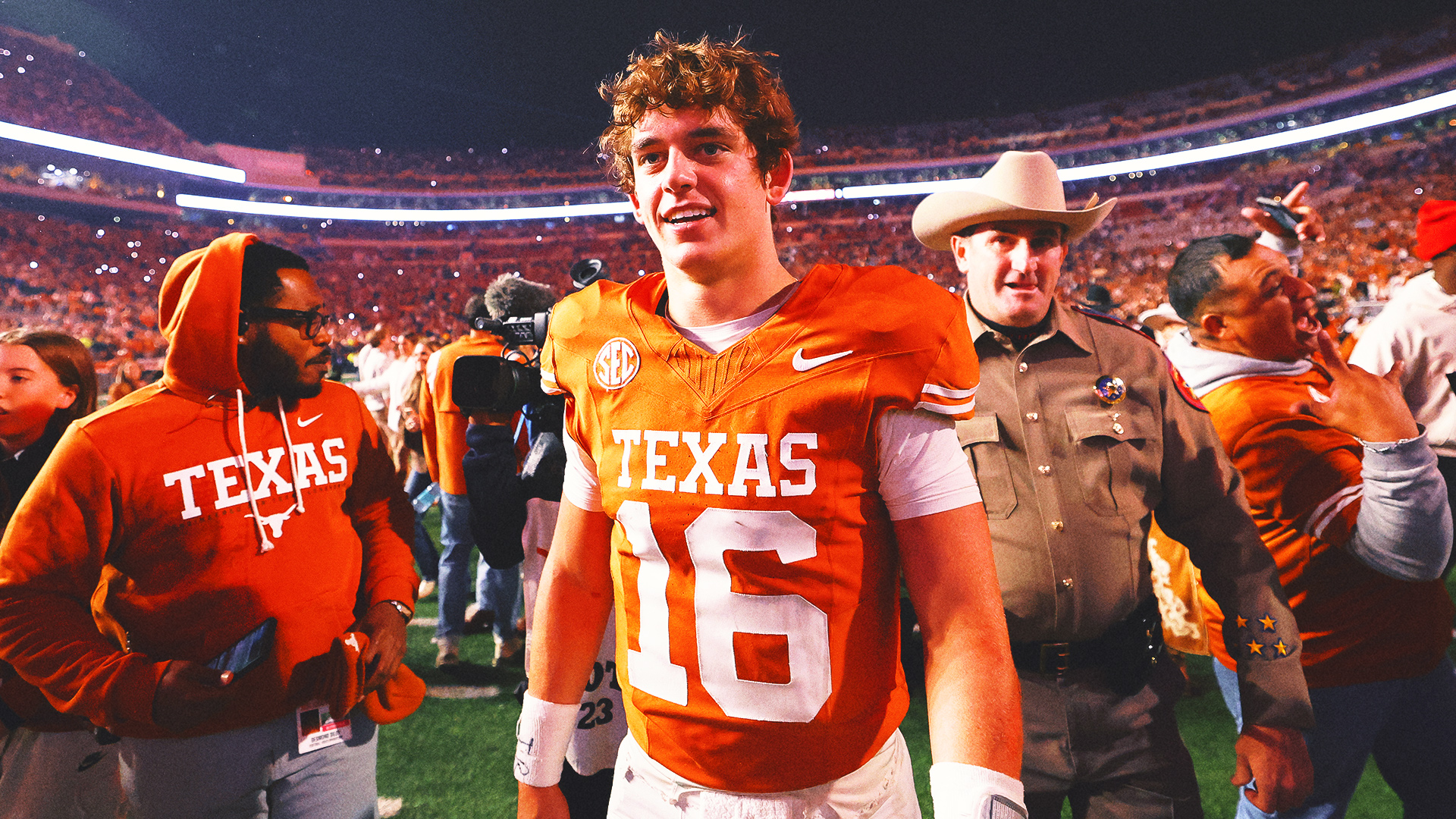
The Favorites: Carr and Manning are tied at +750 to win the Heisman Trophy at the end of the 2026 regular season. And the latter is no stranger to Heisman talk. He opened as the favorite for the 2025 Heisman at several books and right before the season kicked off, bettors were hammering Manning’s futures. The excitement over Manning was short-lived once his Longhorns went 4-2 to begin the season. If he is at least named a finalist, he would follow in the footsteps of his uncles and his grandfather, as both Peyton and Eli Manning, and their dad Archie, were Heisman finalists during their college careers.
Arch Manning is an early favorite to win the 2026 Heisman Trophy.
Ones to Watch: Ohio State teammates Jeremiah Smith and Julian Sayin are two players to watch for next season’s Heisman — especially because they were both in the conversation to win the award most of 2025. Sayin, in fact, was a Heisman finalist and finished fourth in the race with eight first-place votes. Smith didn’t make the trip to New York but finished sixth in the tally. FOX Sports college football writer RJ Young projects that both Smith and Sayin — as well as Manning — will be in the running in 2026.
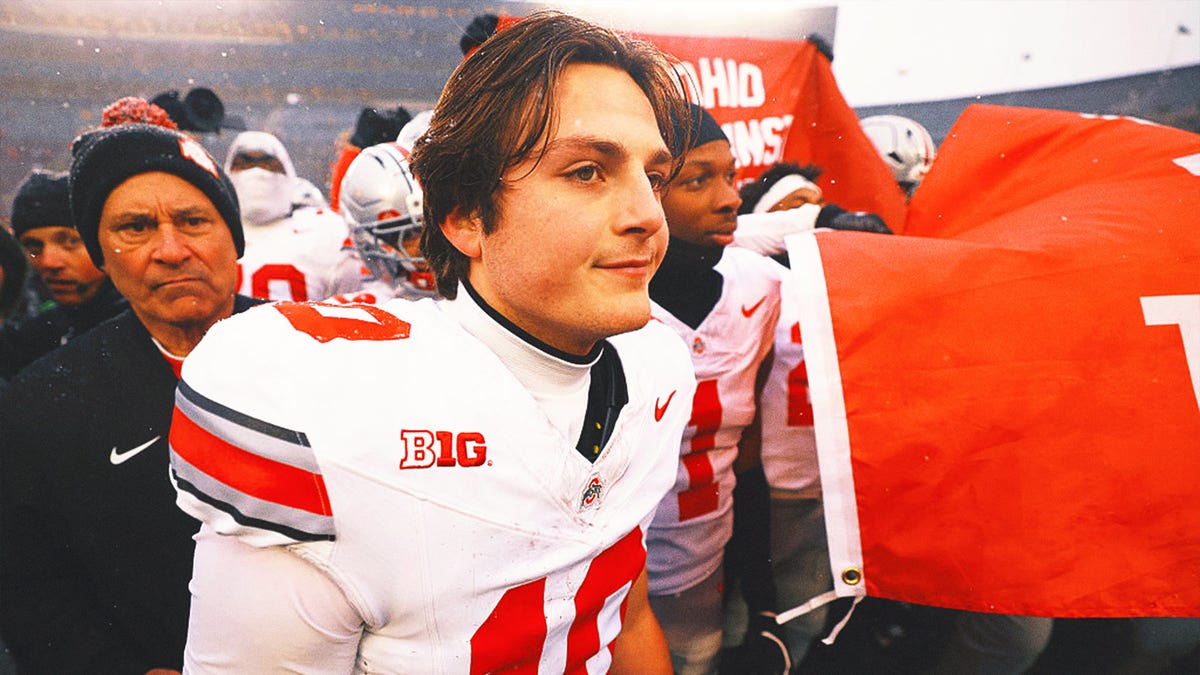
Ohio State’s Julian Sayin could make another trip to NYC — but this time as the winner.
Heisman in Troy?: Could Maiava bring the hardware back to SC from NYC? Based on the early odds, he could have at least a slight chance. If the Trojans’ QB wins the most coveted individual award in college football, he’d be the first USC player since Caleb Williams (2022) to do so. Maiava finished the 2025 season with 3,711 passing yards and 24 touchdowns, as his squad ended the year with a 9-4 record.
Sports
Aaron Rodgers never met with Steelers despite rumor-filled weekend as QB’s decision remains up in air
NEWYou can now listen to Fox News articles!
Aaron Rodgers didn’t make it back to Pittsburgh after all.
After reports surfaced this past Friday that Rodgers was expected to visit the Pittsburgh Steelers in preparation for a return to the team he played for last year, many were hopeful the months-long wait was over.
However, during his appearance on “The Pat McAfee Show” on ESPN this Monday, Adam Schefter said neither the Steelers nor his agent were aware of any such meeting being on the schedule.
CLICK HERE FOR MORE SPORTS COVERAGE ON FOXNEWS.COM
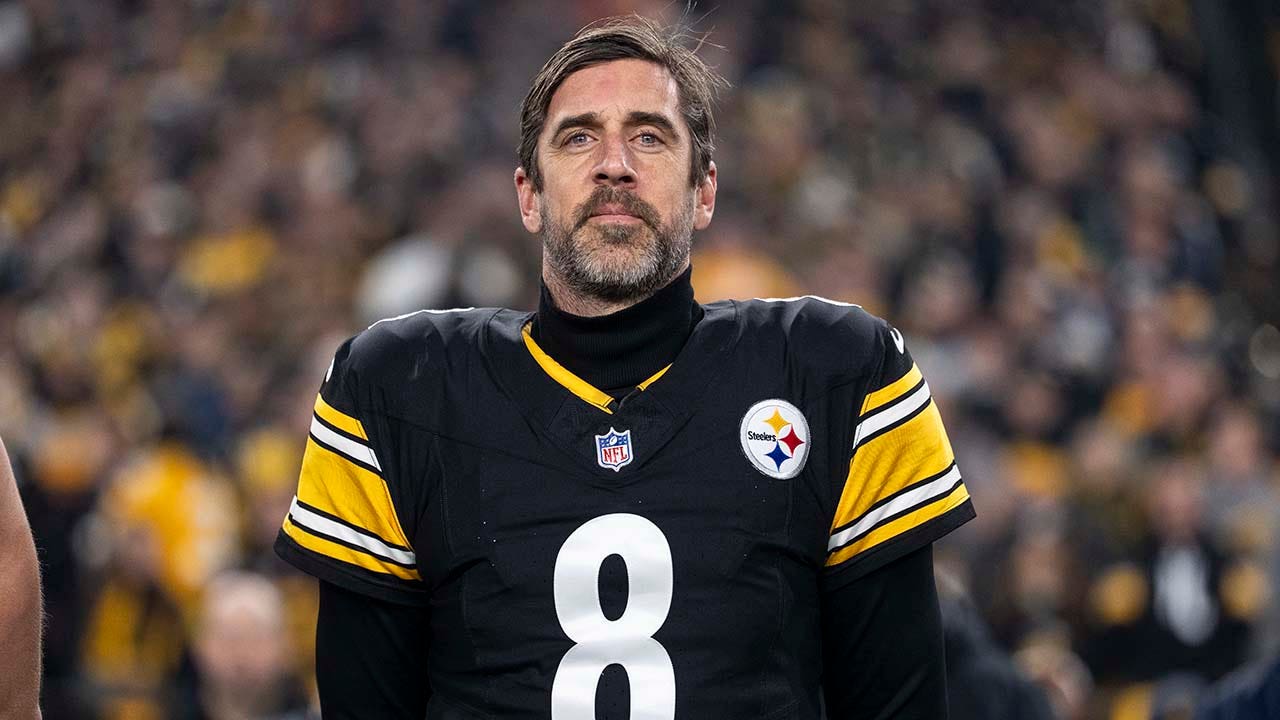
Aaron Rodgers of the Steelers stands during the national anthem before an NFL game against the Baltimore Ravens at Acrisure Stadium in Pittsburgh, Pa., on Jan. 4, 2026. (Michael Owens/Getty Images)
But then, there were the reports about where Rodgers is in the world, with the Pittsburgh Tribune-Review reporting that he was in the Steel City, though he wasn’t scheduled to visit with the team. A report from 93.7 The Fan added on, saying he was in town for golf.
Either way, the decision still lingers whether Rodgers will suit up for the Steelers, but the storied franchise gave themselves some insurance if the four-time MVP quarterback decides he wants to potentially play elsewhere.
STEELERS OWNERSHIP HOPES FOR CLARITY ON AARON RODGERS’ FUTURE ‘IN THE NEXT MONTH OR SO’
The Steelers used an unrestricted free-agent tender on Rodgers last month, which allows Pittsburgh the right to match any offer Rodgers may get from another team.
Despite doubt from some camps on Rodgers’ potential return, Schefter noted his belief he will be in the Steelers’ depth chart come training camp. The Steelers have their OTAs scheduled to begin next Monday.

Steelers quarterback Aaron Rodgers drops back to pass against the Baltimore Ravens at Acrisure Stadium in Pittsburgh, Pa., on Jan. 4, 2026. (Getty Images)
With Rodgers at the helm this past season, the Steelers went 10-7, even earning a playoff berth after Baltimore Ravens rookie Tyler Loop’s now-infamous game-winning field goal did not get through the uprights. The Steelers ended up losing to the Houston Texans in the wild-card round, extending the team’s playoff winless streak to eight straight seasons, including three consecutive campaigns.
Rodgers, who’s slated for the Pro Football Hall of Fame once he decides to call it quits for his career, threw for 3,322 yards with 24 touchdowns to seven interceptions in 16 games for Pittsburgh in 2025.
CLICK HERE TO DOWNLOAD THE FOX NEWS APP
The Steelers also revamped their team for this season, as Mike McCarthy, Rodgers’ old head coach with the Green Bay Packers, takes over for Mike Tomlin, whose generational run in Pittsburgh ended after 19 seasons (2007-25). While D.K. Metcalf and Rodgers built chemistry this past season, the Steelers also added veteran receiver Michael Pittman Jr. in a deal with the Indianapolis Colts, while adding Alabama’s Germie Bernard in the 2026 NFL Draft.
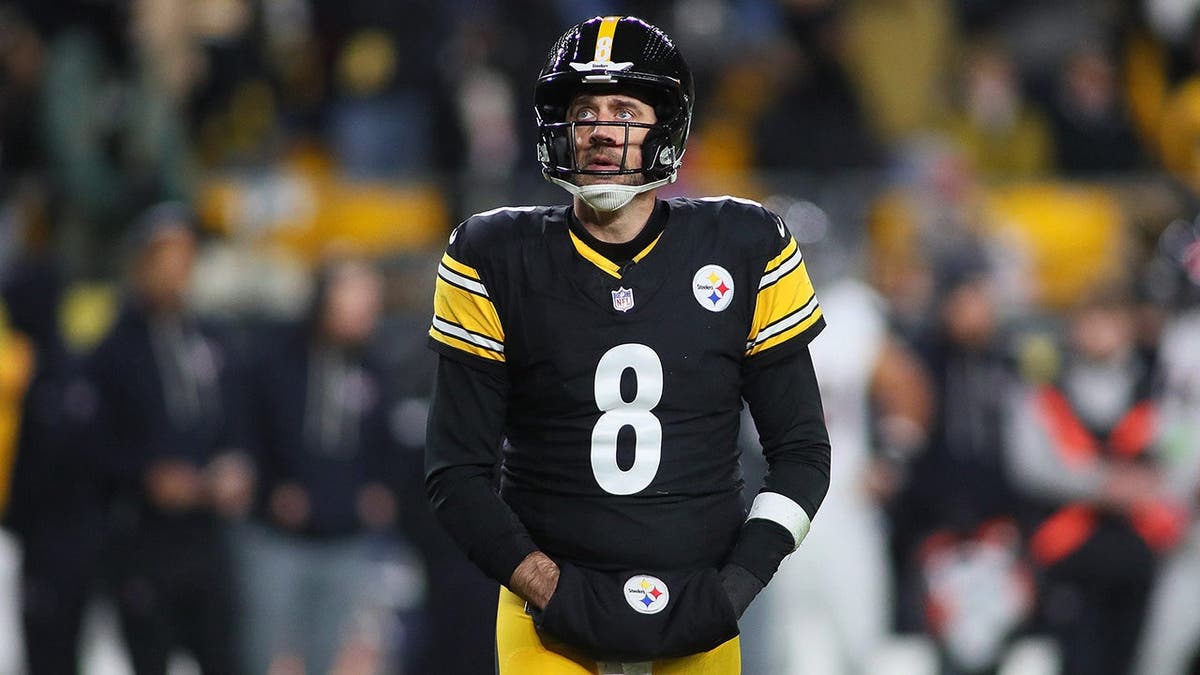
Steelers quarterback Aaron Rodgers after being sacked during the wild-card game against the Houston Texans at Acrisure Stadium in Pittsburgh, Pa., on Jan. 12, 2026. (Michael Longo/For USA Today Network-PA/USA Today Network via Imagn Images)
And while Kenneth Gainwell is gone after a solid performance with Pittsburgh, Rico Dowdle comes into the fold to work alongside Jaylen Warren at running back.
Yet, the biggest question in football still remains: will Rodgers be a part of these new-look Steelers in 2026?
Follow Fox News Digital’s sports coverage on X and subscribe to the Fox News Sports Huddle newsletter.
ISLAMABAD:
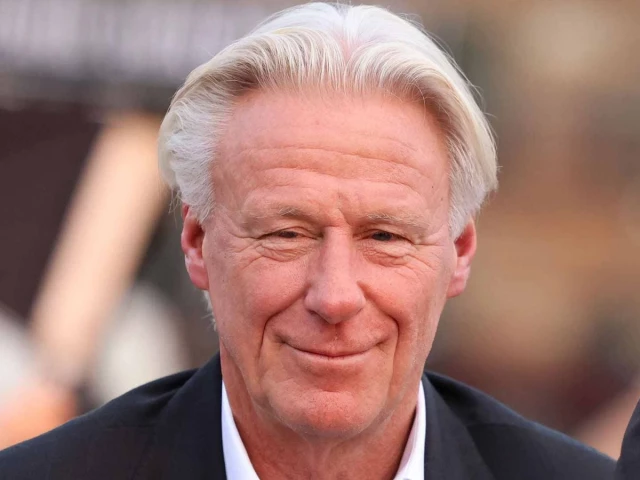
The Pakistan Tennis Federation (PTF) regrets to inform that the visit of former World No. 1 and tennis legend, Björn Borg, has been postponed due to urgent personal circumstances requiring his immediate presence elsewhere. Mr. Borg has therefore conveyed his inability to travel at this time. The PTF fully understands and respects his situation.
Despite this development, the tournament and scheduled events will continue in full spirit. Pakistan’s players have delivered outstanding performances, with national success already achieved in the doubles event, where Pakistani players have clinched the title.
Adding to the excitement, Pakistan’s rising star Muhammad Shoaib has reached the singles final — a remarkable achievement after a gap of 20 years for Pakistan in an ITF Futures event.
The PTF encourages all tennis fans to come out and support our players as they continue to make the nation proud with their exceptional performances.


Ilya Sutskever Stands by His Role in Sam Altman’s OpenAI Ouster: ‘I Didn’t Want It to Be Destroyed’

Pete Davidson takes jab at Lizzo over weight loss
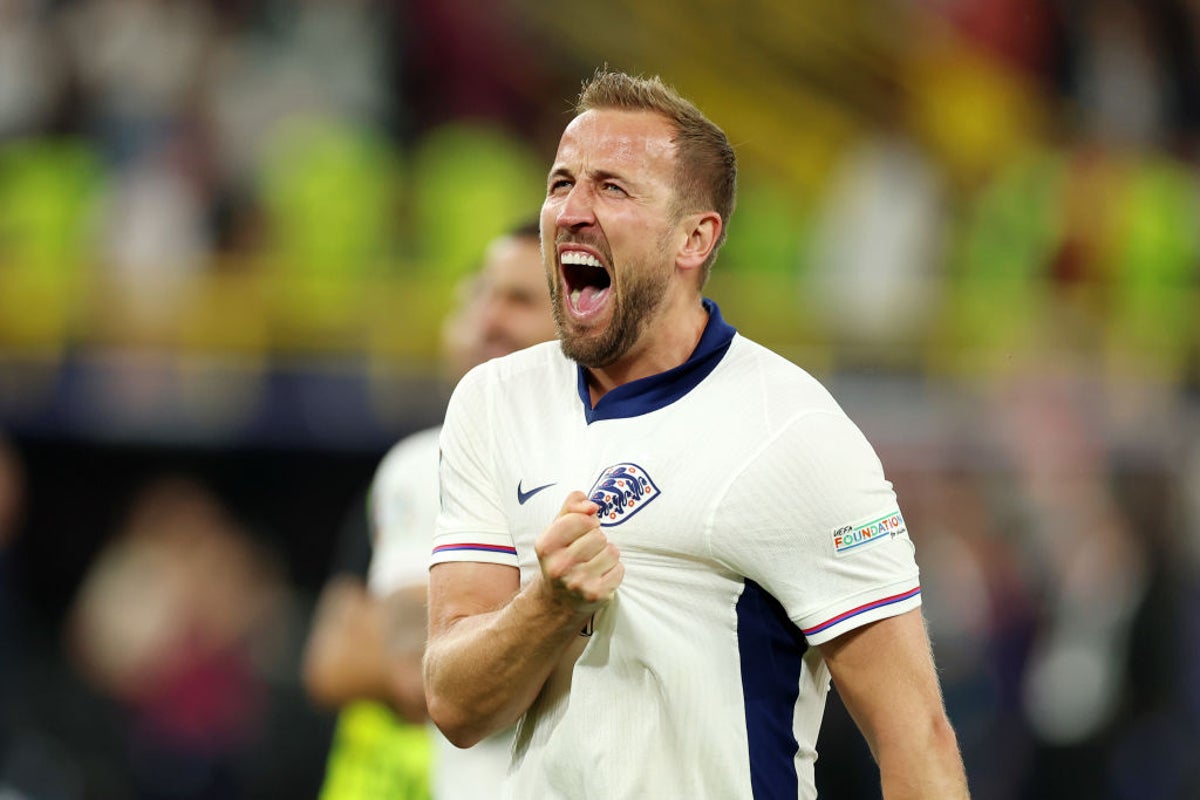
Retailers hope for World Cup boost as high street sales tumble

-

 Politics1 week ago
Iran weighs US reply delivered via Pakistan as Trump signals opposition to deal terms
-

 Fashion1 week ago
US cotton export sales show strong recovery, Upland rise 36%
-

 Tech1 week ago
DHS Demanded Google Surrender Data on Canadian’s Activity, Location Over Anti-ICE Posts
-
 Business1 week ago
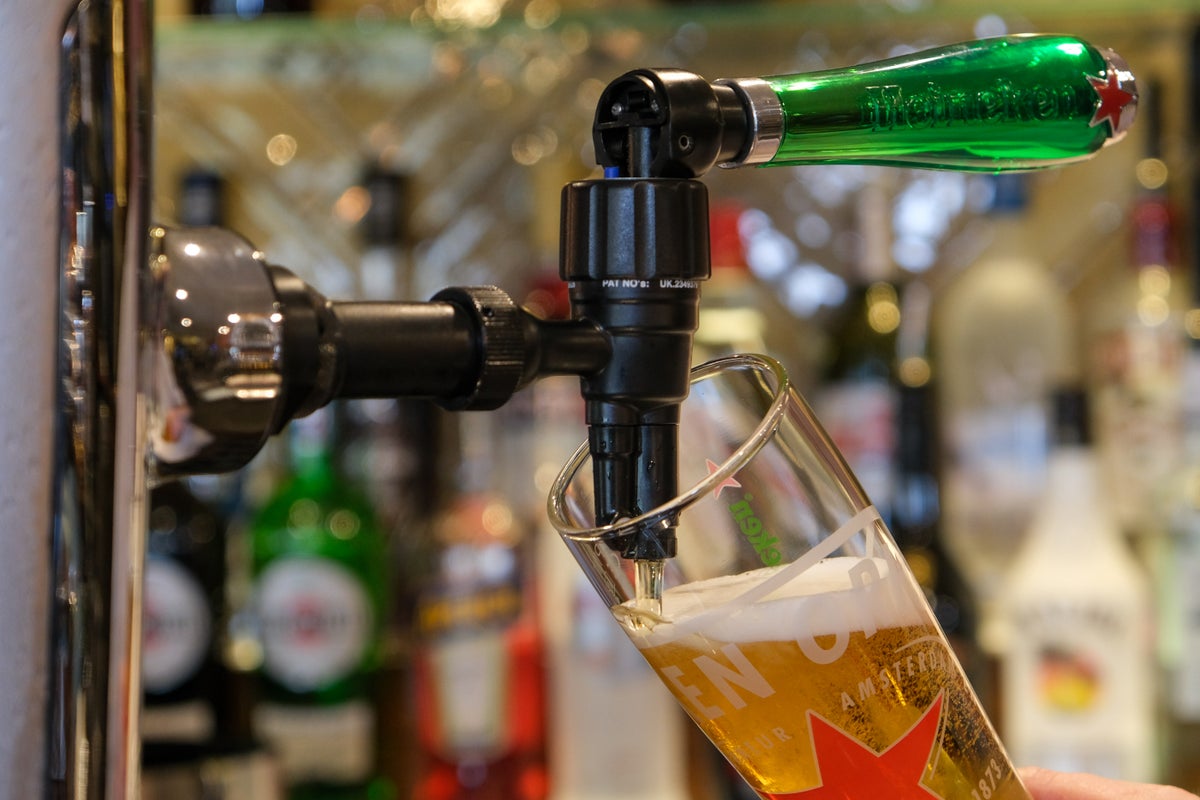
Heineken to invest £44.5m in hundreds of pubs creating 850 jobs
-

 Fashion1 week ago
Middle East conflict clouds India’s FY27 GDP forecast of 7-7.4%: Govt
-

 Entertainment1 week ago
Jelly Roll reacts to daughter Bailee Ann’s major life milestone
-

 Politics1 week ago
Two women die on migrant boat seeking to reach UK
-

 Tech1 week ago
I Lugged the Best Travel Totes on Work Trips, Weekends, and More