

Politics
Australia PM vows to stamp out hatred as nation mourns youngest Bondi Beach victim

- PM targets extremist preachers and hate-linked visas.
- Plan to list organisations tied to hate speech.
- Serious race-based vilification to become federal offence.
SYDNEY: Australia’s prime minister vowed to stamp out extremism on Thursday as the nation mourned the youngest victim of the Bondi Beach shooting, a 10-year-old girl remembered as “our little ray of sunshine”.
Father-and-son gunmen are accused of firing into crowds at a beachside Jewish festival on Sunday evening, killing 15 in an onslaught authorities linked to “Daesh ideology”.
Prime Minister Anthony Albanese promised a sweeping crackdown to banish the “evil of antisemitism from our society”.
“Australians are shocked and angry. I am angry. It is clear we need to do more to combat this evil scourge,” he told reporters.
This included new powers to target extremist preachers and to refuse or cancel visas for those who spread “hate and division”.
Australia would develop a regime for listing organisations whose leaders engage in hate speech, he said.
“Serious vilification” based on race would become a federal offence.
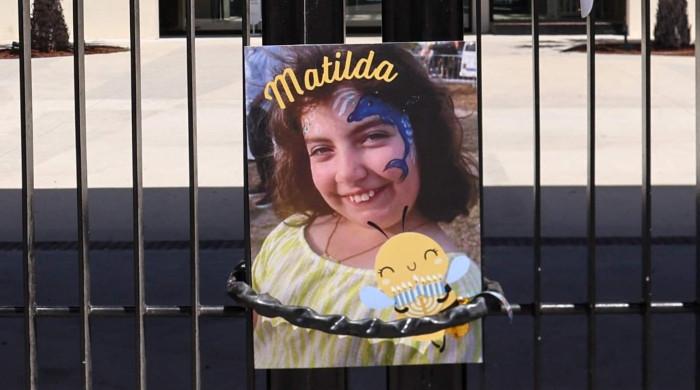
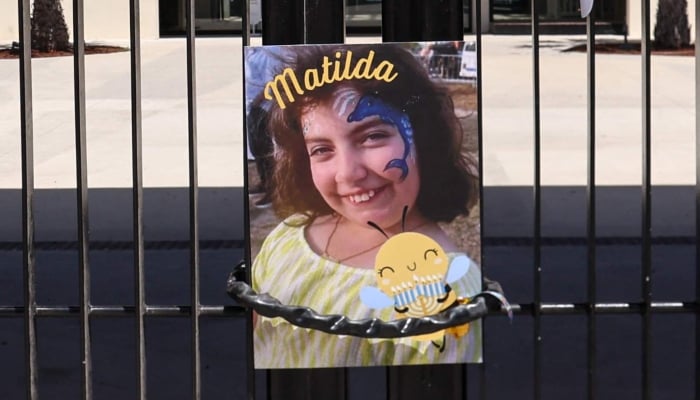
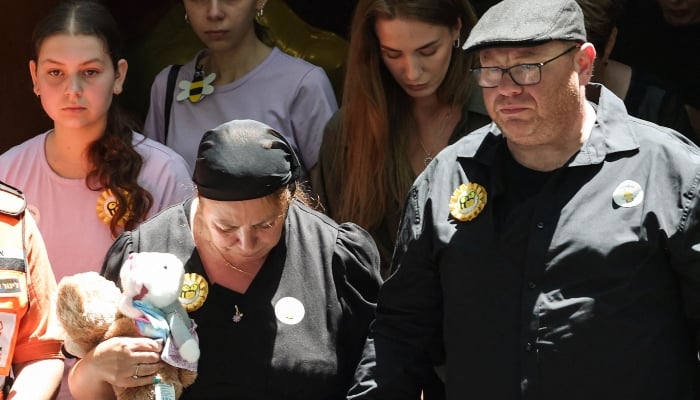
As the prime minister spoke, mourners gathered for the funeral of 10-year-old Matilda, the youngest victim slain in the attack.
“Matilda is our little ray of sunshine,” said the rabbi leading the service, reading out a message from her school.
“She is genuinely the most kind, caring and compassionate young girl, who brightened everyone’s day with her radiant smile and infectious laugh.”
Black-clad mourners clutched bouquets of lilies as they filed into the funeral at Sydney’s Chevra Kadisha, a Jewish society responsible for customary burial rites.
Others held balloons emblazoned with pictures of bumblebees, a reference to the young girl’s nickname “Matilda Bee”.
Photos taken in the hours before the first bullets were fired showed the young girl stroking animals at a petting zoo and smiling after having her face painted.
Matilda’s family — who have asked media not to publish their last name — left Ukraine to settle in Australia before the Russian invasion.
“I couldn’t imagine I would lose my daughter here. It’s just a nightmare,” mother Valentyna told reporters ahead of the funeral.
“It just stays here and here, and I can’t get it out,” she said, pointing to her head and heart.
Her father, Michael, said they chose her name as a nod to Australia, where the beloved folk song “Waltzing Matilda” is sung as an unofficial national anthem.
“We came here from Ukraine, and Matilda was our firstborn here in Australia,” he said earlier this week.
“And I thought that Matilda was the most Australian name that could ever exist.
“So just remember. Remember her name.”
Extremist ideology
Sajid Akram and his son Naveed are accused of opening fire on the Jewish Hanukkah celebration in an antisemitic attack.
Father Sajid, 50, was killed in a shootout with police but 24-year-old Naveed survived.
Reportedly an unemployed bricklayer, Naveed was charged on Wednesday with 15 murders, an act of terrorism, and dozens of other serious crimes.
Authorities believe the pair were radicalised by ” Daesh ideology”.
Australian police are investigating whether the pair met with extremists during a visit to the Philippines weeks before the shooting.
The Philippines said on Wednesday there was no evidence that the country was being used for “terrorist training”.
Questions are mounting over whether authorities could have acted earlier to foil the gunmen.
Naveed came to the attention of Australia’s intelligence agency in 2019.
But he was not considered to be an imminent threat at the time.
The attack has also revived allegations that Australia is dragging its feet in the fight against antisemitism.
“We stand at a very important moment,” government envoy for antisemitism Jillian Segal said Thursday.
“Not only for our community, but for fighting antisemitism around the world.”
Australia’s leaders have agreed to toughen laws that allowed Sajid Akram to own six guns.
The Bondi Beach attack is the deadliest mass shooting since 35 people were killed in the Port Arthur massacre of 1996.
That shooting sparked sweeping reform of Australia’s gun laws.
However, in recent years a steady rise has been documented in privately owned firearms.
- Interim govt announces mourning, special prayers nationwide.
- Police launch manhunt, offer reward for suspects’ arrest.
- Muhammad Yunus says attack aims to derail upcoming polls.
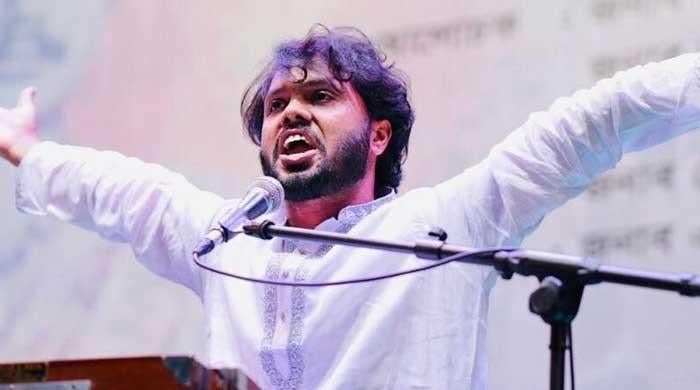
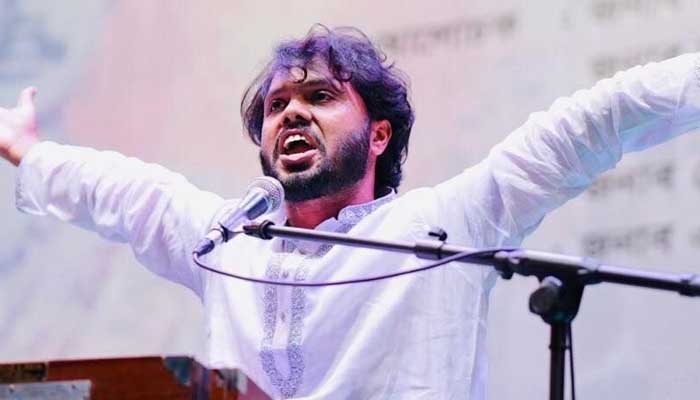
A leader of Bangladesh’s 2024 uprising who was wounded in an assassination attempt and flown to Singapore for treatment has died in the city-state, officials said on Friday.
Masked attackers shot 32-year-old spokesperson for student protest group Inqilab Moncho, Sharif Osman Hadi, 32, a week ago as he was leaving a mosque in the Bangladeshi capital Dhaka, wounding him in the ear.
“Despite the best efforts of the doctors…, Mr Hadi succumbed to his injuries,” Singapore’s foreign affairs ministry said in a statement, adding that it was assisting Bangladeshi authorities with repatriating his body.
Inqilab Moncho first announced Hadi’s death in a Facebook post, stating: “In the struggle against Indian hegemony, Allah has accepted the great revolutionary Osman Hadi as a martyr.”
Hadi was a candidate in the February 2026 elections, the first parliamentary polls since a student-led uprising toppled the autocratic rule of former prime minister Sheikh Hasina last year.
He was airlifted to Singapore on Monday for treatment.
In Dhaka, the interim government headed by Nobel laureate Muhammad Yunus confirmed Hadi’s death.
“I express my deepest condolences. His demise is an irreparable loss for the nation,” Yunus said.
“The country’s march toward democracy cannot be halted through fear, terror, or bloodshed,” he said in a televised speech.
The government also announced special prayers at mosques after Friday prayers and a half-day’s mourning on Saturday.
Hadi was a senior leader of the student protest group Inqilab Mancha and has been an outspoken critic of India — Hasina’s old ally, where the ousted prime minister remains in self-imposed exile.
Manhunt for gunmen
Police in Bangladesh have launched a manhunt for the attackers who shot Hadi, releasing photographs of two key suspects and offering a reward of five million taka (about $42,000) for information leading to their arrest.
Yunus, the 85-year-old Nobel Peace Prize winner leading Bangladesh until the February 12 elections, said last Saturday that the shooting was a premeditated attack carried out by a powerful network, without providing a name.
He said that “the objective of the conspirators is to derail the election”, adding that the attack was “symbolic — meant to demonstrate their strength and sabotage the entire electoral process.”
Muslim-majority Bangladesh, a nation of 170 million people, will directly vote for 300 lawmakers for its parliament, with another 50 selected on a women´s list.
A referendum on a landmark democratic reform package will be held on the same day.
Tensions are high as parties gear up for the polls, and the country remains volatile.
Hasina, convicted in absentia last month and sentenced to death, refused to return to attend her trial. She remains in hiding in India, despite Dhaka´s repeated requests for New Delhi to hand her over.
The last elections, held in January 2024, gave Hasina a fourth straight term and her Awami League 222 seats, but were decried by opposition parties as a sham.
The Bangladesh Nationalist Party (BNP), led by three-time former prime minister Khaleda Zia, is widely tipped to win the upcoming vote.
Zia is in intensive care in Dhaka, and her son and political heir Tarique Rahman, is set to return from exile in Britain after 17 years on December 25.
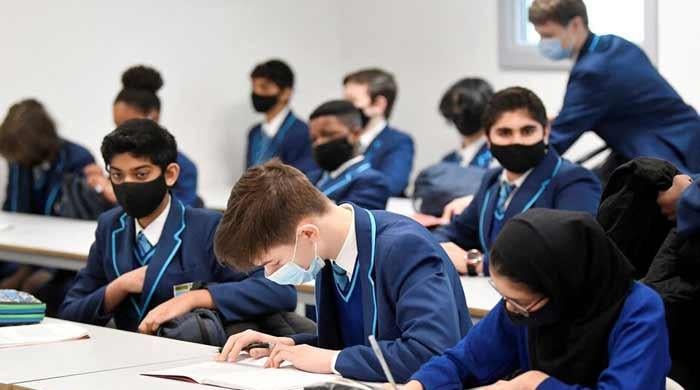
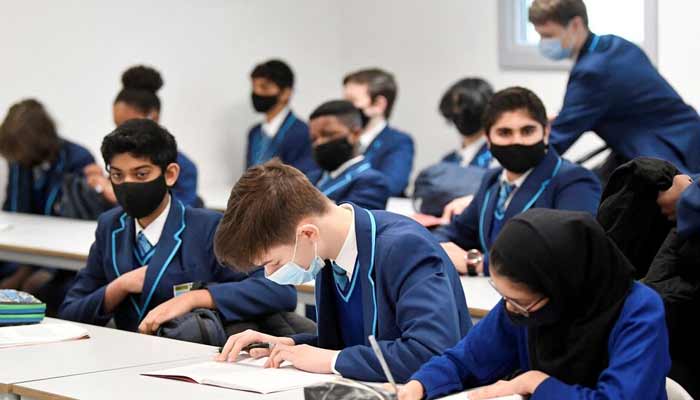
UK teachers will be trained to tackle misogyny in the classroom under a new strategy aimed at halving violence against women and girls over the next decade, a minister told parliament on Thursday.
The new strategy would deploy “the full power of the state” to introduce a joined-up approach to cracking down on violence against women and girls, safeguarding minister Jess Phillips told MPs.
The 20 million pounds plan comes as latest statistics showed over 40% of young men held a positive view of so-called manosphere influencer Andrew Tate, a government statement said citing research by NGO Hope Not Hate.
Over the last year alone, one in every eight women was a victim of domestic abuse, sexual assault or stalking, said Phillips.
“For too long the scale of violence against women and girls has been treated as a fact of life in our country,” she added.
Tackling ‘radicalisation’
Under the strategy, all secondary schools in England will have to teach students about healthy relationships.
Teachers will receive specialist training to talk to pupils about issues such as consent and the dangers of sharing intimate images.
The most worrying attitudes would be tackled early with schools able to send high-risk individuals for support focused on challenging misogyny.
Phillips said the battle would no longer be left to crime-fighting departments alone to tackle in isolation.
Taking the fight into classrooms would help “stop the violence before it starts”, she said, adding “the proliferation of content with the potential to poison young minds” had never been greater.
“Our strategy tackles radicalisation and confronts concerning behaviour long before it spirals into abuse or violence.
“We must empower teachers to challenge harmful attitudes and act before they escalate,” she said.
A new helpline would be launched, targeted at pupils concerned about their own behaviour.
Ban on ‘nudification’ tools
The government would also ban so-called “nudification” tools that allow users to strip clothes from those in photographs.
It will also work with tech companies to make it impossible for children to take, view or share nude images through “nudity detection filters”, Phillips said.
Prime Minister Keir Starmer said the strategy was about “driving forward education and conversation with boys and young men”.
“I want my daughter to grow up in a Britain where she feels safe in school, online, and in relationships,” he said on X.
“Every young girl deserves that, and every young boy should be protected from harmful misogynistic influences. My government is making that happen, by backing teachers,” he added.
The strategy comes after Starmer earlier this year said the searing Netflix drama “Adolescence” would be shown in secondary schools.
The drama about a 13-year-old boy who stabs a girl to death after being radicalised on the internet sparked widespread debate about the toxic and misogynistic influences young boys are exposed to on the internet.
- Police stop protesters from marching towards Indian diplomatic mission.
- New Delhi says it examining Bangladesh’s requests on Hasina’s extradition.
- Protestors demand Hasina, others’ repatriation during sit-in outside mission.
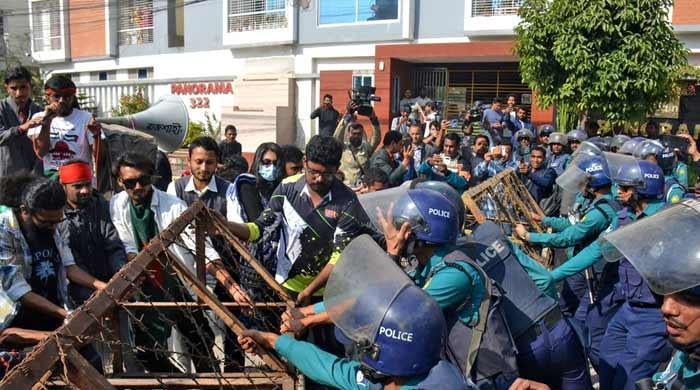
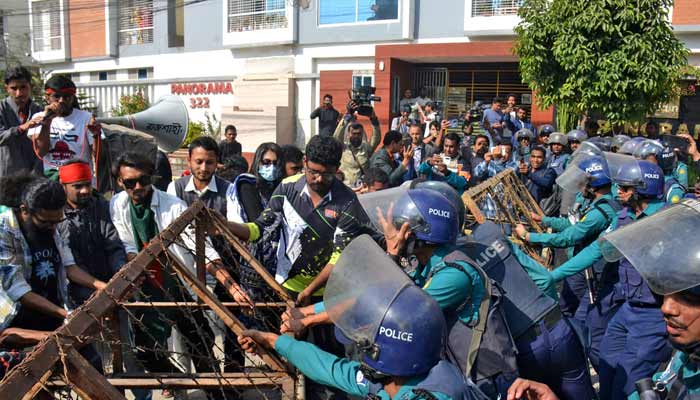
Bangladesh police on Thursday stopped protesters from marching towards an Indian diplomatic mission, a day after India’s foreign ministry conveyed its concerns over the “deteriorating” security environment in the country.
Ties between the two countries have been frosty since former prime minister Sheikh Hasina fled to India following a student-led uprising last year.
Dhaka has repeatedly asked for her extradition so that she could stand trial for her alleged crimes, with Delhi responding that it was examining the requests.
On Thursday, dozens of demonstrators began marching towards the assistant Indian high commissioner office in Rajshahi district, which borders India.
Miftahul Jannat, one of the protesters, said the plan was to carry out a sit-in, demanding the “repatriation of all the killers, including Sheikh Hasina”.
The protest was stalled by the police, who said they “listened to their demands and promised to forward them to the authorities”.
“We are not aware of any further plans (for demonstrations) and hope the issue will be resolved peacefully,” Nashid Farhad, a senior officer with the Rajshahi Metropolitan Police, told AFP.
On Wednesday, a group of protesters tried to march towards the Indian High Commission in Dhaka.
India’s foreign ministry on Wednesday summoned Bangladesh’s top diplomat in New Delhi to convey its concerns about the actions of some “extremist elements”.
In a statement, the ministry also said it expected the interim government under Muhammad Yunus to “ensure the safety of missions and posts in Bangladesh in keeping with its diplomatic obligations”.
Hasina, 78, was sentenced to death in absentia by a Bangladesh court last month for crimes against humanity.
The country of 170 million people goes to the polls on February 12, with Hasina’s former ruling party, the Awami League, banned from running.


American Airlines no longer lets basic economy flyers earn miles

Bangladesh student leader Sharif Osman Hadi dies in Singapore hospital

Weak demand drags US textiles & apparel exports down 3.6% in Jan–Sept

-
 Business5 days ago
Hitting The ‘High Notes’ In Ties: Nepal Set To Lift Ban On Indian Bills Above ₹100
-

 Politics1 week ago
Trump launches gold card programme for expedited visas with a $1m price tag
-
 Business1 week ago
Rivian turns to AI, autonomy to woo investors as EV sales stall
-

 Tech1 week ago
Jennifer Lewis ScD ’91: “Can we make tissues that are made from you, for you?”
-

 Sports1 week ago
Police detain Michigan head football coach Sherrone Moore after firing, salacious details emerge: report
-

 Fashion1 week ago
Tommy Hilfiger appoints Sergio Pérez as global menswear ambassador
-
 Business1 week ago
Coca-Cola taps COO Henrique Braun to replace James Quincey as CEO in 2026
-

 Sports1 week ago
U.S. House passes bill to combat stadium drones