

Business
Hitting The ‘High Notes’ In Ties: Nepal Set To Lift Ban On Indian Bills Above ₹100

Last Updated:
The move is expected to provide an immediate and substantial boost to Nepal’s economy, particularly its tourism and hospitality sectors, which rely heavily on Indian visitors

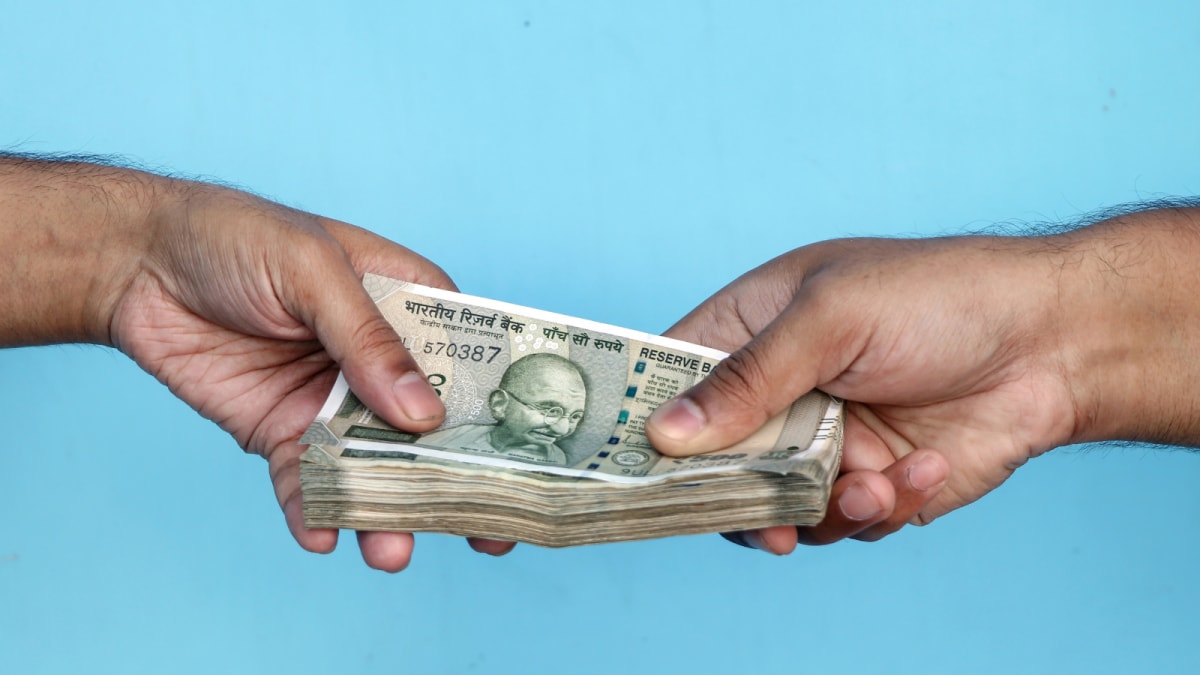
The original restrictions on high-value Indian currency were severely tightened in Nepal following the 2016 demonetisation in India, which withdrew old ₹500 and ₹1,000 notes. Representational image
Nepal is preparing to officially permit the circulation of Indian currency notes above the ₹100 denomination, marking the end of a nearly decade-long ban that has significantly complicated cross-border travel, trade, and remittances between the two countries. The move, currently in its final stages with the Nepal Rastra Bank (NRB) preparing to publish the official notice, follows a crucial regulatory shift by India’s central bank.
The original restrictions on high-value Indian currency were severely tightened in Nepal following the 2016 demonetisation in India, which withdrew old ₹500 and ₹1,000 notes. Even after new notes were introduced, Nepal maintained the ban on all denominations above ₹100 due to concerns over the smuggling of counterfeit currency and security risks. This policy forced Indian tourists and Nepali migrant workers to carry large wads of low-denomination notes, leading to financial hardship, confusion, and frequent incidents of travellers being detained or fined for inadvertent violations.
India’s Regulatory Green Light
The pivotal change that has allowed Nepal to reverse course came from the Reserve Bank of India (RBI). In late November 2025, the RBI amended its Foreign Exchange Management Regulations, formally allowing individuals to transport higher-denomination Indian rupee notes across the border.
The new rule specifies that individuals can carry Indian currency notes of any amount in denominations up to ₹100. Crucially, they are now permitted to carry notes above ₹100 up to a total value of ₹25,000 in either direction—both into Nepal and back into India. This amendment effectively removed the main legal constraint that previously limited the practical utility of higher-value notes for travellers.
Boosting Tourism and Easing Remittances
The lifting of the ban is expected to provide an immediate and substantial boost to Nepal’s economy, particularly its tourism and hospitality sectors, which rely heavily on Indian visitors. Businesses in border towns, casinos, and pilgrimage routes that cater to Indian tourists have been vocal in lobbying for this change, as the previous restrictions limited spending power.
Furthermore, the decision is a massive relief for the estimated two million Nepali migrant workers in India, who previously faced major security risks when bringing home their earnings in small denominations. The Nepal Rastra Bank (NRB) spokesperson, Guru Prasad Poudel, confirmed that the process is nearing completion, stating they are preparing to publish the notice in the Nepal Gazette before issuing circulars to banks and financial institutions, ushering in a new era of smoother financial integration between the two neighbours.
 Click here to add News18 as your preferred news source on Google.
 December 14, 2025, 01:21 IST
Read More



Business
Spirit starts monthslong process of dismantling airline after biggest collapse in a generation

Spirit Airlines‘ more than three-decade run ended over the weekend, but on Tuesday it was just starting the monthslong process of dismantling the company after the biggest U.S. airline collapse in a generation.
Spirit and its stakeholders were in bankruptcy court in White Plains, New York, to start that process, which will take months. The hearing included discussions about airport landing fees, aircraft and staffing.
The carrier filed a cumulative wind-down budget of around $217 million, though that number could change.
The budget went out to February 2028. It included more than $52 million in employee costs through July and another more than $52 million for aircraft-related expenses.
The airline had 59 Airbus A320s in service and 63 in storage, as well as 37 of the larger A321s in service, and 13 of them in storage, according to aviation data firm Cirium. More than three-quarters of its fleet was leased.
Spirit shut down operations after years of struggles, most recently from heavy debt loads and a surge in costs.
Spirit’s lawyer, Marshall Huebner of Davis Polk, told a bankruptcy court on Tuesday that the jump in jet fuel prices following the U.S.-Israel attacks on Iran in February left the carrier with no choice but to shut down. That added $100 million in incremental costs for Spirit in March and April, he said.
U.S. bankruptcy court in White Plains, N.Y.
Leslie Josephs/CNBC
Talks for a potential government bailout in the form of a $500 million loan that could have given the government an up to 90% stake in Spirit fell apart late last week, and the carrier officially shut down at 3 a.m. ET on Saturday.
Spirit passengers scrambled to rebook reservations. American Airlines, JetBlue Airways, Southwest Airlines, United Airlines and others said they have flown tens of thousands of Spirit customers who were stranded by the collapse.
Spirit had flown about 50,000 people in the day leading up to its closure. The airline said about 17,000 direct and indirect employees lost their jobs.
“The closing of Spirit Airlines is a sad and unfortunate event that adversely affects many parties, and that’s particularly true for the thousands of folks who are Spirit employees and families who depend on them,” the presiding judge, Sean Lane, said at Tuesday’s hearing.
“The stress level for these employees and affinities is very high, and they likely have many questions,” he continued. “Hopefully there’ll be some information discussed today to provide some answers to some of those questions, or provides information about where to get those answers. Bankruptcy can be a very difficult process, and today is a sad example of that.”
Under the changed system customers collect points rather than reward coupons, with £1 spent equalling one point.
Source link
There have been extra jitters in UK government debt markets ahead of Thursday’s local and national elections.
Source link


Longtime entertainment publicist was 82
Spirit starts monthslong process of dismantling airline after biggest collapse in a generation

AS-level Business Studies paper allegedly leaked online

-

 Tech1 week ago
A Brain Implant for Depression Is About to Be Tested in Humans
-

 Sports1 week ago
Pro wrestling star Steph De Lander reveals how colleague’s advice helped lead her to title triumph at ACW
-

 Tech1 week ago
Almost 90% of women leave tech industry within 10 years | Computer Weekly
-
 Business1 week ago
‘I had £20,000 stolen and had to fight a 13-month fraud reporting rule to get it back’
-

 Entertainment1 week ago
Norway joins Type 26 Frigate Programme to boost NATO naval power
-

 Entertainment1 week ago
Melania Trump says ABC should ‘take a stand’ on late-night host Kimmel
-
 Business6 days ago
PSX plunges over 4,800 points | The Express Tribune
-

 Tech1 week ago
This Ambitious Laptop Doesn’t Leave Much Room for Your Hands