

Business
Jazz overcharges Rs6.58b: AGP | The Express Tribune


ISLAMABAD:
The Auditor General of Pakistan (AGP) has unearthed Rs6.58 billion in alleged overcharging by telecom operator Jazz from its customers and recommended a formal inquiry to determine responsibility. The audit has also urged implementation of Departmental Accounts Committee (DAC) directives and fixation of responsibility on those at fault.
Auditors revealed that the company had pocketed billions from consumers through various mobile packages beyond the tariff rates approved by the Pakistan Telecommunication Authority (PTA). According to Section 4(1)(m) of the Pakistan Telecommunication (Re-Organisation) Act, 1996 (amended up to 2014), the PTA is responsible for regulating competition in the sector and protecting consumer rights. Similarly, Regulation 10(1)(i) of the Telecom Consumer Protection Regulations, 2009, binds operators to ensure that no tariff is charged or advertisement launched without PTA approval, wherever required.
The PTA had approved tariffs for multiple Jazz packages during FY2023-24. However, the audit observed that the operator overcharged its customers beyond the approved rates. A comparative analysis of selected weekly and monthly packages confirmed that Jazz overcharged an amount of Rs6.58 billion during the financial year.
The audit concluded that charging customers above approved rates reflected weak regulatory oversight on the part of PTA. The matter was reported to the management and Principal Accounting Officer (PAO) in November 2024. In response, PTA argued that as a deregulated industry, it monitors competition and prevents predatory pricing by the Significant Market Power (SMP) operator, while leaving other operators to manage the Average Revenue Per User (ARPU). PTA maintained that ARPU in Pakistan is already among the lowest in the world.
The telecom regulator, through letters dated February 12, 2024, and August 12, 2024, granted approvals to Jazz for increasing package prices by up to 15% per quarter and decreasing incentives in any bundle by up to 5%, subject to prior intimation. These blanket permissions covered February-June 2024 and August-December 2024, respectively. Subsequently, Jazz increased its package rates through a letter dated November 12, 2024, under intimation to PTA.
The auditors, however, rejected the explanation as untenable, noting that granting blanket approvals for tariff hikes went against the spirit of the Consumer Protection Regulations. Audit officials retrieved information from various proposals submitted by Jazz to PTA during FY2023-24 and approvals granted by the Authority, which suggested excessive consumer burden beyond permissible limits.
The matter was later discussed in a DAC meeting held on December 26, 2024. The DAC directed PTA to provide a complete record of approved rate increases for various mobile packages to audit authorities for verification. However, PTA had not furnished the requisite record until the finalisation of the report.
The Competition Commission of Pakistan’s website states that the Commission implements the Competition Act 2010, which prohibits “the abuse of dominant position by one or more undertakings.” Section 3(i) specifically addresses “Exploitative abuses” that result in direct loss of consumer welfare, including “charging excessive prices.” However, a CCP spokesperson clarified that the issue did not fall within the Commission’s jurisdiction.
Meanwhile, Jazz strongly rejected the audit’s findings. A company spokesperson stated, “Jazz is a responsible corporate entity and has consistently operated in full compliance with Pakistan’s regulatory framework. All tariffs and services are launched only after formal approvals by PTA, in accordance with clearly defined processes.”
The spokesperson added that Jazz was reviewing the audit report’s observations regarding PTA for Audit Year 2024-25 and expressed confidence that the company had acted lawfully and transparently. “We remain confident that Jazz has acted in full alignment with PTA’s rules and regulatory procedures, including those related to tariff approvals and mandated contributions. We trust the matter will be reviewed in the context of regulatory facts, documented approvals, and institutional roles,” the statement said.
A formal comment from PTA was still awaited at the time this story was filed.



Business
WTO reform push: India flags dysfunctional dispute system at MC14, seeks review of e-commerce duty moratorium – The Times of India
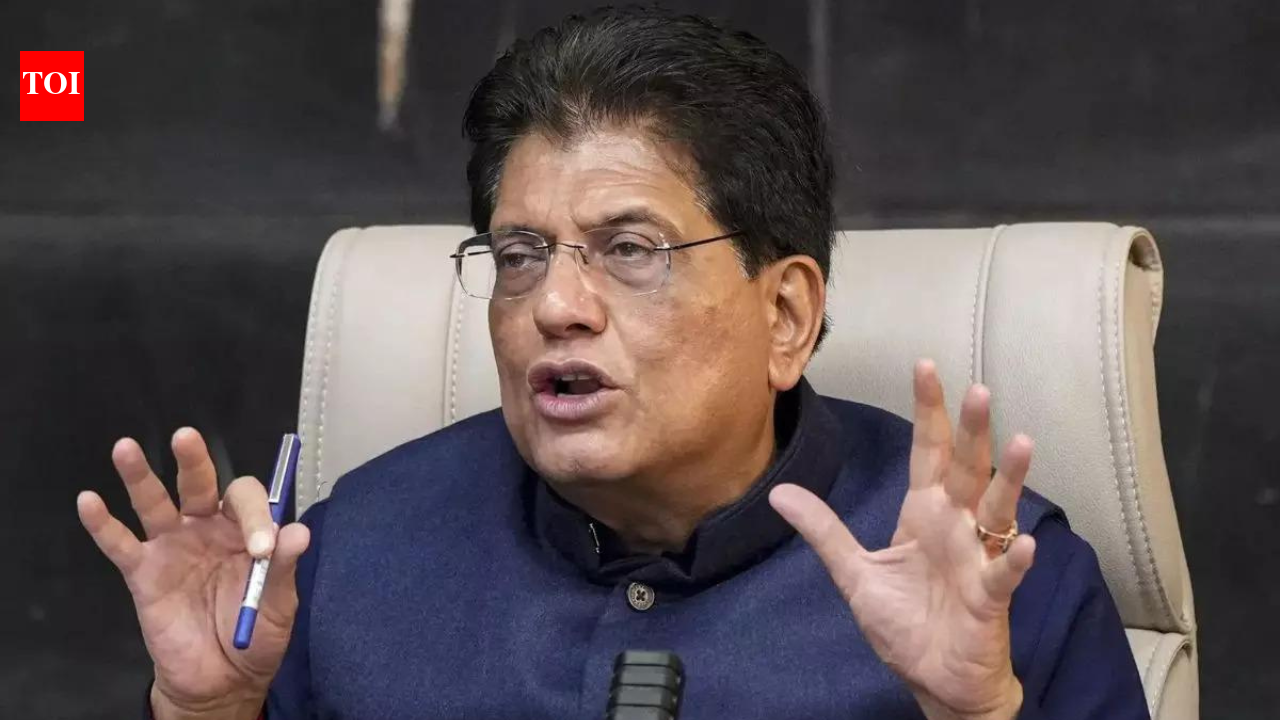
India on Thursday urged members of the World Trade Organisation (WTO) to restore a fully functional dispute settlement system, saying the current mechanism has deprived countries of effective redressal, PTI reported.Speaking on the opening day of the WTO’s 14th ministerial conference (MC14) in Yaounde, Cameroon, commerce and industry minister Piyush Goyal stressed the need to revive the automatic and binding nature of dispute resolution within the global trade body.“A dysfunctional Dispute Settlement System has deprived Members from effective redressal. We must restore the automatic and binding dispute settlement system,” he said.The WTO’s dispute settlement mechanism has faced prolonged disruption since 2009 after the US blocked appointments to the Appellate Body.Goyal also called for a reassessment of the moratorium on customs duties on electronic transmissions, which WTO members have periodically extended since 1998. India has repeatedly raised concerns over the potential revenue implications of the arrangement.“In the absence of a common understanding among Members on the scope of the moratorium on customs duties on electronic transmissions and given its potentially significant implications, the continued extension of this moratorium warrants careful reconsideration,” he said.The four-day MC14 is scheduled to conclude on March 29.On broader WTO reforms, Goyal emphasised that any restructuring should be transparent, inclusive and member-driven, with development concerns at the centre. He underlined that core principles such as non-discrimination, consensus-based decision-making and equity must be upheld. The minister added that the principle of special and differential treatment (S&DT) should be made precise, effective and operational.On agriculture negotiations, he said a permanent solution on public stockholding for food security purposes, the special safeguard mechanism and cotton are long-pending mandated issues that member countries “must deliver on them on priority”.“India remains committed to negotiating a comprehensive Fisheries Subsidies Agreement that balances current and future fishing needs, protects the livelihoods of poor fishers, with appropriate and effective S&DT,” Goyal said.He also stated that incorporating plurilateral outcomes into the WTO framework should be based on consensus and should not undermine the rights of non-participants or impose additional obligations on them.“We will engage constructively to show that WTO remains central to global trade and strive to Reform it to remain responsive, Perform in delivering on development, equity, and inclusiveness, and Transform to better serve the interests of the poor, vulnerable, and marginalized people, anchored in consensus and multilateralism,” he said.Other WTO members also highlighted the need for reforms. According to a statement from US Trade Representative Jamieson Greer, the organisation has struggled to address systemic issues such as persistent trade imbalances, structural excess capacity, economic security and supply chain resilience.“As ministers, our focus should be on reforms that would make the WTO more responsive to Members and improve our ability to achieve outcomes that optimize our trading relationships,” Greer said, adding that countries should consider making the e-commerce duty moratorium permanent.Separately, a ministerial statement by the G-33 grouping of developing countries reiterated that public stockholding for food security remains a crucial policy tool for developing and least developed nations.“We urge all WTO Members to work together in reaching a permanent solution on this issue as per the Ministerial mandates,” the statement said.China also called for restoring a fully functioning dispute settlement mechanism at the earliest to strengthen the WTO’s role in global economic governance. The UK said it wanted to “improve accountability by reinstating a functioning dispute settlement system”.EU trade commissioner Maros Sefcovic warned that inaction could weaken the rules-based trading system. “Maintaining the status quo is not an option — we cannot go on as we are. If we do, we risk erosion of the rules-based system and the WTO sliding into irrelevance. Therefore, I strongly believe we must act urgently to reform the WTO,” he said
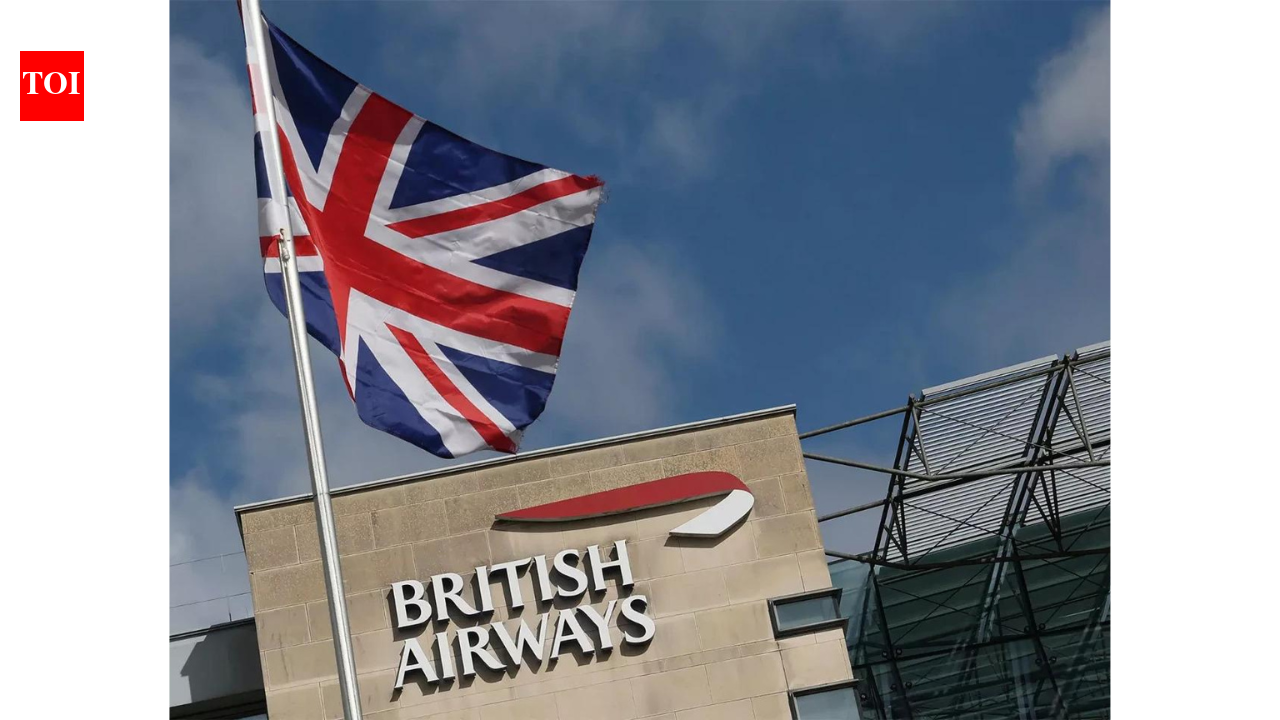
NEW DELHI: With the big Gulf carriers operating a fraction of their schedules, foreign airlines are expanding their India flights to meet the increased demand for options to the likes of Emirates, Qatar Airways and Etihad. SWISS will operate a second daily light between between Delhi and Zurich from April 1 to May 31, 2026. British Airways will have a third daily service from Delhi starting April 7, followed by a third daily service from Mumbai from May 15. Air India has been adding flights to the west whenever possible during the Iran war.In a statement Thursday, Lufthansa group carrier SWISS said it is increasing its flight offering between Switzerland and India. “From April 1 to May 31, 2026, in addition to its regular service from Zurich to Delhi, SWISS will operate a second daily connection using an Airbus A330. Numerous passengers of other airlines are currently unable to take their originally booked flights via the Gulf region. As a result, many are switching to direct connections to and from Asia. SWISS is seeing a corresponding rise in demand for such nonstop services. We are pleased to offer our customers this additional flight to Delhi over the next two months. The flights are available for booking with immediate effect,” SWISS said in a statement.“Depending on further developments in the Middle East, SWISS continuously assesses how aircraft and capacities that become available can be deployed where demand is particularly strong. In addition to demand, key factors include operational constraints such as available airport slots, traffic rights and fleet deployment capabilities,” SWISS statement added.British Airways also announced additional flights from Delhi and Mumbai “to meet strong travel demand”. “In response to the ongoing situation in the Middle East, the airline is adding short-term capacity from Delhi and Mumbai to meet customer demand. A third daily service from Delhi will launch on April 7, followed by a third daily service from Mumbai from May 15. With this additional capacity, British Airways will operate up to 63 weekly flights with more than 1,000 additional seats per week between India and the UK, offering more options for customers travelling to the UK or connecting onwards across the airline’s global network,” BA said in a statement.Neil Chernoff, British Airways’ chief planning and strategy officer, said: “As we continue to respond to the evolving situation in the Middle East, we’ve been able to reallocate additional capacity to meet strong demand to other destinations across our route network. India remains one of our most important global markets, and these additional services from Delhi and Mumbai respond to customer demand and provide greater choice and flexibility for our customers when travelling to the UK and beyond. We will continue to review our network and make adjustments based on where our customers want to fly this summer.”

Two major CEOs told CNBC in recent months that the rise of artificial intelligence contributed to their decisions to hand over the reins and step down from their positions.
It’s one of the latest insights into how America’s corporate leaders are sizing up the AI transition.
Coca-Cola CEO James Quincey told CNBC’s “Squawk Box” on Thursday that his decision to step down from his role was influenced by larger “waves of the organizational momentum.”
“My job is also to think who’s the best team to put on the field to get the next wave done,” Quincey said. “And I concluded that, actually, it was time to put someone else on the field for the next wave of growth.”
Quincey, who has served as CEO of the beverage giant since 2017, will be succeeded by current COO Henrique Braun, effective at the end of this month.
“In a pre-AI, a pre-gen-AI mode, we made a lot of progress. But now there’s a huge new shift coming along,” Quincey said.
While he said he’s leaning into the technological advances, he believes the beverage company needs “someone with the energy to pursue a completely new transformation of the enterprise.”
That person, Quincey said, is Braun, who he believes will uniquely equip the company to embrace its next chapter.
Quincey’s comments echo sentiments from former Walmart CEO Douglas McMillon in December ahead of his departure from that role.

McMillon, who had held the position as CEO of the global retailer since 2014, told CNBC’s “Squawk Box” at the time that he had decided to hand over the role to someone “faster.” John Furner, who was previously head of Walmart U.S., took over the top job on Feb. 1.
“With what’s happening with AI, I could start this next big set of transformations with AI, but I couldn’t finish,” McMillon told CNBC.
“About a year ago, I really started feeling like this next run, you could see what agentic commerce was gonna look like, the vision for AI shopping, and I started thinking about everything that needs to happen over the next few years, and it really caused me to think that now was the right time [to step down],” he said.
Walmart in December made the move to list on the Nasdaq, something McMillon said was symbolic of the progress the company has made with technology.
The retailer has been incorporating AI to optimize its supply chain, provide assistants for customers and more.
“I think what you’re going to see from the Walmart team is they’re just going to keep scaling what we’ve already started, build some new stuff on top, and then use AI to transform it all,” he said.


Amazon’s Spring Sale Is So-So, but Cadence Capsules Are a Bright Spot

The unexpected path that led Morgan and Frankie Price to Arkansas gymnastics

US-Iran mediation: Politicians castigate India’s Jaishankar for spiteful remarks on Pakistan

-

 Fashion1 week ago
Sales at US apparel, clothing accessories stores up 4% YoY in Jan 2026
-

 Tech1 week ago
Justice Department Says Anthropic Can’t Be Trusted With Warfighting Systems
-

 Fashion1 week ago
Spain’s Inditex FY25 sales rise 3.2% to $46.28 bn amid strong demand
-

 Politics1 week ago
Iran strikes Tel Aviv with cluster-warhead missiles in retaliation of Larijani’s martyrdom
-

 Sports1 week ago
March Madness 2026 – How to watch in SA, start time, schedule, TV channel for NCAA championship basketball tournament
-

 Entertainment1 week ago
Val Kilmer revived 1 year after death through AI
-

 Entertainment1 week ago
With few new leads 45 days after Nancy Guthrie’s disappearance, investigation “becomes much harder,” expert says
-
 Business1 week ago
Brits cashing in jewellery as gold price hits record high