

Business
Jazz overcharges Rs6.58b: AGP | The Express Tribune


ISLAMABAD:
The Auditor General of Pakistan (AGP) has unearthed Rs6.58 billion in alleged overcharging by telecom operator Jazz from its customers and recommended a formal inquiry to determine responsibility. The audit has also urged implementation of Departmental Accounts Committee (DAC) directives and fixation of responsibility on those at fault.
Auditors revealed that the company had pocketed billions from consumers through various mobile packages beyond the tariff rates approved by the Pakistan Telecommunication Authority (PTA). According to Section 4(1)(m) of the Pakistan Telecommunication (Re-Organisation) Act, 1996 (amended up to 2014), the PTA is responsible for regulating competition in the sector and protecting consumer rights. Similarly, Regulation 10(1)(i) of the Telecom Consumer Protection Regulations, 2009, binds operators to ensure that no tariff is charged or advertisement launched without PTA approval, wherever required.
The PTA had approved tariffs for multiple Jazz packages during FY2023-24. However, the audit observed that the operator overcharged its customers beyond the approved rates. A comparative analysis of selected weekly and monthly packages confirmed that Jazz overcharged an amount of Rs6.58 billion during the financial year.
The audit concluded that charging customers above approved rates reflected weak regulatory oversight on the part of PTA. The matter was reported to the management and Principal Accounting Officer (PAO) in November 2024. In response, PTA argued that as a deregulated industry, it monitors competition and prevents predatory pricing by the Significant Market Power (SMP) operator, while leaving other operators to manage the Average Revenue Per User (ARPU). PTA maintained that ARPU in Pakistan is already among the lowest in the world.
The telecom regulator, through letters dated February 12, 2024, and August 12, 2024, granted approvals to Jazz for increasing package prices by up to 15% per quarter and decreasing incentives in any bundle by up to 5%, subject to prior intimation. These blanket permissions covered February-June 2024 and August-December 2024, respectively. Subsequently, Jazz increased its package rates through a letter dated November 12, 2024, under intimation to PTA.
The auditors, however, rejected the explanation as untenable, noting that granting blanket approvals for tariff hikes went against the spirit of the Consumer Protection Regulations. Audit officials retrieved information from various proposals submitted by Jazz to PTA during FY2023-24 and approvals granted by the Authority, which suggested excessive consumer burden beyond permissible limits.
The matter was later discussed in a DAC meeting held on December 26, 2024. The DAC directed PTA to provide a complete record of approved rate increases for various mobile packages to audit authorities for verification. However, PTA had not furnished the requisite record until the finalisation of the report.
The Competition Commission of Pakistan’s website states that the Commission implements the Competition Act 2010, which prohibits “the abuse of dominant position by one or more undertakings.” Section 3(i) specifically addresses “Exploitative abuses” that result in direct loss of consumer welfare, including “charging excessive prices.” However, a CCP spokesperson clarified that the issue did not fall within the Commission’s jurisdiction.
Meanwhile, Jazz strongly rejected the audit’s findings. A company spokesperson stated, “Jazz is a responsible corporate entity and has consistently operated in full compliance with Pakistan’s regulatory framework. All tariffs and services are launched only after formal approvals by PTA, in accordance with clearly defined processes.”
The spokesperson added that Jazz was reviewing the audit report’s observations regarding PTA for Audit Year 2024-25 and expressed confidence that the company had acted lawfully and transparently. “We remain confident that Jazz has acted in full alignment with PTA’s rules and regulatory procedures, including those related to tariff approvals and mandated contributions. We trust the matter will be reviewed in the context of regulatory facts, documented approvals, and institutional roles,” the statement said.
A formal comment from PTA was still awaited at the time this story was filed.





Business
Petrol and diesel prices may rise if Middle East crisis persists, says RBI Governor Sanjay Malhotra – The Times of India
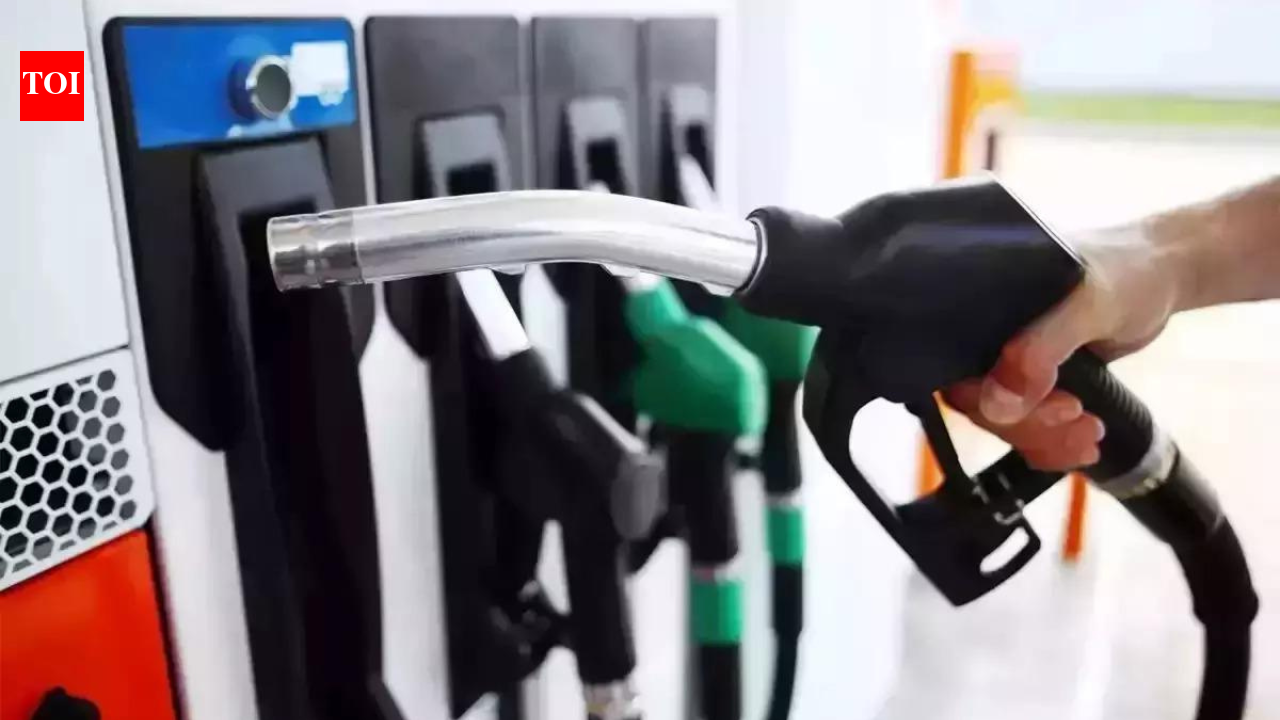
Reserve Bank Governor Sanjay Malhotra has said the government may eventually have to raise petrol and diesel prices if the ongoing Middle East crisis continues for a prolonged period, PTI reported on Wednesday.Speaking at a conference in Switzerland on Tuesday, Malhotra said the disruption in oil and gas supplies due to the conflict and blockade of the Strait of Hormuz has begun impacting India, which remains heavily dependent on energy and fertiliser imports.Referring to the crisis, the RBI governor said if it continues for a longer duration, it is a “matter of time that the government will actually pass on some of these price increases”.The government has so far not increased retail petrol and diesel prices despite the conflict in West Asia that began on February 28.Malhotra also said the government has remained fiscally prudent and continues on the path of fiscal consolidation.The comments come amid rising pressure on India’s external sector due to elevated crude oil prices and a weakening rupee, which has slipped below the 95 mark against the US dollar.Prime Minister Narendra Modi had earlier called for measures such as reducing fuel consumption and lowering edible oil usage to help conserve foreign exchange reserves.As global crude oil prices surge amid the prolonged Middle East conflict and disruptions around the Strait of Hormuz, India has so far avoided major increases in petrol and diesel prices, choosing instead to absorb the pressure through state-run oil marketing companies (OMCs), tax adjustments and supply management measures.The Centre has repeatedly asserted that there is no fuel shortage in the country and no plan to introduce rationing of petrol, diesel or LPG despite disruptions in global energy shipments linked to the Iran conflict and the Strait of Hormuz crisis.“There is no need to panic. There are sufficient supplies. There is no rationing in place. It’s not going to happen,” Oil Secretary Neeraj Mittal said recently at the CII Annual Business Summit.Officials said India currently maintains around 60 days of fuel stocks and nearly 45 days of LPG inventories despite continuing volatility in global energy markets.
OMC losses mount as crude prices surge
The government’s decision to hold retail fuel prices steady despite rising international crude rates has increased pressure on state-run oil companies.According to official discussions reviewed during recent government briefings, OMCs are estimated to be losing between Rs 1,000 crore and Rs 1,200 crore every day because of elevated crude prices and unchanged pump rates.Under-recoveries are estimated to have approached nearly Rs 2 lakh crore during the first quarter of 2026.The current crisis intensified after shipping movement through the Strait of Hormuz — a key global oil transit route handling nearly one-fifth of global crude flows — came under severe disruption during the Iran conflict.Brent crude prices surged above $110 per barrel during the latest phase of the crisis, sharply increasing import costs for major oil-consuming countries like India. India imports nearly 90 per cent of its crude oil requirements, making the economy highly vulnerable to global energy price shocks.
Govt focuses on supply stability, inflation control
The Centre has simultaneously attempted to prevent inflationary shocks and avoid panic in domestic fuel markets.Officials said India has increased procurement from alternate suppliers and secured additional energy cargoes to maintain uninterrupted supplies.“We have procured from other sources. We have procured from other countries. We have increased procurement from existing countries and that has kept us going in terms of supply management in the short run,” Mittal said.The government has also absorbed part of the global price shock through excise duty adjustments on petrol and diesel. Officials estimate the revenue impact of fuel-related tax reductions at nearly Rs 1.6 lakh crore.Prime Minister Narendra Modi on Sunday (May 10) urged citizens to conserve fuel, reduce unnecessary imports and avoid wasteful consumption as rising oil prices increase pressure on India’s import bill and foreign exchange reserves. The Prime Minister also encouraged greater use of public transport, carpooling, electric vehicles and work-from-home arrangements wherever possible. The government has described these as precautionary steps rather than emergency restrictions.
Pressure likely to continue
Fuel prices remain among the most politically sensitive economic issues in India because increases in petrol and diesel rates directly affect transport costs, food prices and household budgets.While the Centre has so far avoided large retail fuel price increases, analysts say prolonged suppression of prices could further strain OMC finances if crude prices remain elevated for a longer period.

Containers at the Port of Oakland in Oakland, California, US, on Thursday, March 26, 2026.
David Paul Morris | Bloomberg | Getty Images
Months after the Supreme Court ruled some tariffs were unconstitutional, the first round of tariff refunds has begun flowing in.
Oshkosh Corporation CFO Matt Field confirmed to CNBC that the company has started receiving tariff refunds as of Tuesday.
“Following acceptance of our initial filing, we have begun receiving payments on our tariff refund claims, representing an initial portion of our total claims submitted,” Field said.
The company has not yet verified its total refund amount, Field added.
Basic Fun, the company behind Care Bears and Tonka trucks, also told CNBC it began receiving tariff refunds on Tuesday.
CEO Jay Foreman said the refunds so far have only represented 5% of the company’s total claim on its early invoices.
“We will utilize the refund dollars to help support our 2026 cash flow and invest in our team. This is the toughest time of the year for toy companies,” Foreman said in a statement. “We’ll also be announcing to our staff that we will be increasing salaries to help offset cost of living increase, announcing promotions and larger merit increases. We are reinvesting the funds in our business and people.”
Logistics companies UPS, FedEx and DHL have previously said that they will file for tariff refunds on behalf of their customers, requiring no further action from them. The first phase of tariff refunds only covers requests for entries that CBP finalized within the past 80 days, though that process could take months to reach customers.
The U.S. Customs and Border Protection said in a court filing that it anticipated paying refunds of $35.46 billion on 8.3 million shipments, as of Monday morning.
In February, the Supreme Court invalidated President Donald Trump‘s tariffs imposed under the International Emergency Economic Powers Act of 1977. In the months that followed, companies began filing for tariff refunds in a portal, called the Consolidated Administration and Processing of Entries.
In a radio interview with WABC on Tuesday morning, Trump called the tariff refund situation “crazy.”
“In theory, you have to pay the tariffs back. We’ll fight that,” Trump said. “We were taking in fortunes from people that hate us, countries and companies that hate us.”

A cyber security expert says deleting chat history could lead to a lack of accountability if things go wrong.
Source link


Army officer among five soldiers martyred, 7 terrorists killed in Balochistan operation

Overworked AI Agents Turn Marxist, Researchers Find
Petrol and diesel prices may rise if Middle East crisis persists, says RBI Governor Sanjay Malhotra – The Times of India

-

 Tech5 days ago
A new frontier: Identity stack evolves for agentic systems | Computer Weekly
-

 Tech5 days ago
‘Orbs,’ ‘Saucers,’ and ‘Flashes’ on the Moon: Pentagon Drops New UFO Files
-

 Tech5 days ago
Nick Bostrom Has a Plan for Humanity’s ‘Big Retirement’
-

 Fashion5 days ago
New orders in German manufacturing up 5% MoM in Mar 2026: Destatis
-
 Business1 week ago
India among most resilient large EMs, better placed for future global shocks; policy reforms & strong buffers help: Moody’s – The Times of India
-

 Tech6 days ago
What Microsoft Executives Really Thought About OpenAI in 2018
-

 Sports5 days ago
Shaheen Afridi achieves landmark feat during opening Test against Bangladesh
-

 Tech6 days ago
The Canvas Hack Is a New Kind of Ransomware Debacle