

Business
UK social media campaigners among five denied US visas

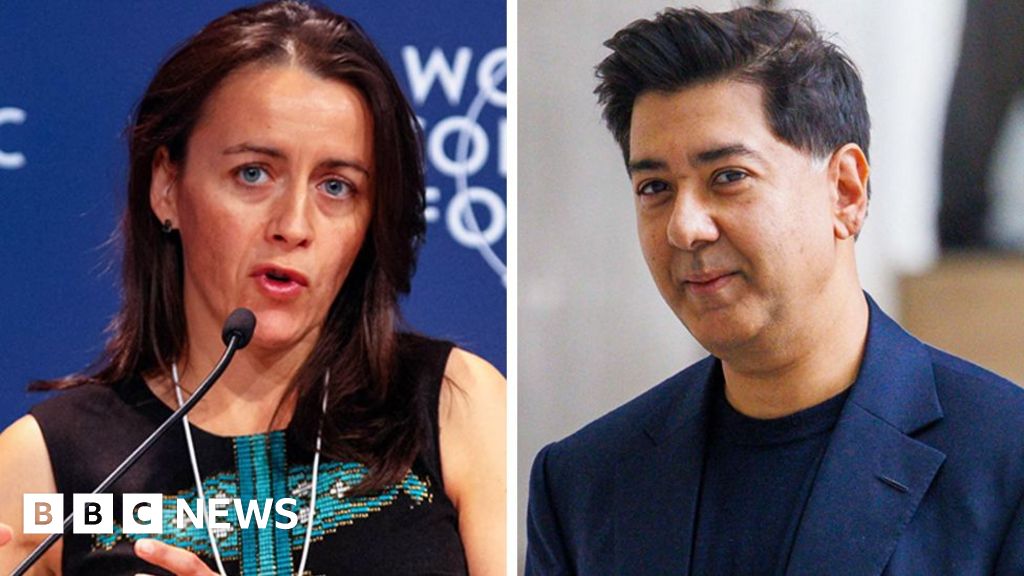
Two British campaigners are among five people denied US visas after the State Department accused them of seeking to “coerce” American tech platforms into suppressing free speech.
Imran Ahmed, an ex-Labour adviser who now heads the Centre for Countering Digital Hate (CCDH), and Clare Melford, CEO of the Global Disinformation Index (GDI), were labelled “radical activists” by the Trump administration and banned from entering the US.
A French ex-EU commissioner and two senior figures at a Germany-based anti-online hate group were also denied visas.
European leaders have condemned the measures, while the UK government said it is “fully committed” to upholding free speech.
“While every country has the right to set its own visa rules, we support the laws and institutions which are working to keep the internet free from the most harmful content,” a UK government spokesperson said.
French President Emmanuel Macron described the travel ban as “intimidation and coercion aimed at undermining European digital sovereignty” while the EU’s foreign policy chief Kaja Kallas said it was “unacceptable and an attempt to challenge our sovereignty”.
The US billed the measures as a response to people and organisations that have campaigned for restrictions on American tech firms, with Secretary of State Marco Rubio saying they belonged to a “global censorship-industrial complex”.
He said: “President Trump has been clear that his America First foreign policy rejects violations of American sovereignty. Extraterritorial overreach by foreign censors targeting American speech is no exception.”
Ahmed from the CCDH, which says it advocates for government action against hate speech and disinformation online, has links to senior Labour figures. He was previously an aide to Labour minister Hilary Benn, and Sir Keir Starmer’s chief of staff Morgan McSweeney has served as a director of the group he founded.
The US government labelled Ahmed a “collaborator” for the CCDH’s purported past work with the Biden administration. BBC News has contacted the CCDH for comment.
Melford founded the GDI, a non-profit that monitors the spread of disinformation, in 2018.
US Undersecretary of State Sarah B Rogers accused the GDI of using US taxpayer money “to exhort censorship and blacklisting of American speech and press”.
A GDI spokesperson told the BBC that “the visa sanctions announced today are an authoritarian attack on free speech and an egregious act of government censorship”.
“The Trump Administration is, once again, using the full weight of the federal government to intimidate, censor, and silence voices they disagree with. Their actions today are immoral, unlawful, and un-American.”
Also targeted was Thierry Breton, the former top tech regulator at the European Commission, who suggested that a “witch hunt” was taking place.
Breton was described by the State Department as the “mastermind” of the EU’s Digital Services Act (DSA), which imposes content moderation on social media firms.
However, it has angered some US conservatives who see it as seeking to censor right-wing opinions. Brussels denies this.
Breton has clashed with Elon Musk, the world’s richest man and owner of X, over obligations to follow EU rules.
The European Commission recently fined X €120m (£105m) over its blue tick badges – the first fine under the DSA. It said the platform’s blue tick system was “deceptive” because the firm was not “meaningfully verifying users”.
In response, Musk’s site blocked the Commission from sharing adverts on its platform.
Reacting to the visa ban, Breton posted on X: “To our American friends: Censorship isn’t where you think it is.”
Also subject to bans were Anna-Lena von Hodenberg and Josephine Ballon of HateAid, a German organisation that the State Department said helped enforce the DSA.
In a statement to the BBC, the two CEOs called it an “act of repression by a government that is increasingly disregarding the rule of law and trying to silence its critics by any means necessary”.
They added: “We will not be intimidated by a government that uses accusations of censorship to silence those who stand up for human rights and freedom of expression.”

Hyderabad: Aurobindo Pharma’s board on Monday approved a Rs 800 crore share proposal to buy back up to 54.23 lakh fully paid-up equity shares of the company of face value Rs 1 each at Rs 1,475 a share.The proposed buyback, which is subject to regulatory and statutory approvals, represents up to 0.93% of the total number of equity shares in the company’s total paid-up equity share capital.The Hyderabad-based generics drug maker informed the bourses that April 17, 2026, has been fixed as the record date to determine shareholder eligibility and entitlement for the buyback, which will be carried out through the tender offer route on a proportionate basis, in line with SEBI’s Buyback Regulations and the Companies Act.All eligible equity shareholders, including promoters and promoter group entities holding shares on the record date, will be entitled to participate in the offer for which the company has already constituted a buyback committee.The company also said the board or buyback committee may increase the buyback price and correspondingly reduce the number of shares to be bought back up to one working day before the record date but the overall size will remain unchanged.The Rs 800 crore buyback size excludes transaction costs and related expenses such as brokerage, taxes, filing fees, legal charges and publication expenses, it said.The latest buyback comes less than two years after the last buyback offer aggregating to Rs 750 crore that was made at Rs 1,460 a piece in August 2024 by the company.As of December 31, 2025, promoters and promoter group entities held 51.82% stake in the company, mutual funds 19.52%, foreign portfolio investors 13.94%, insurance companies 5.50%, and public shareholders and others 7.93%.
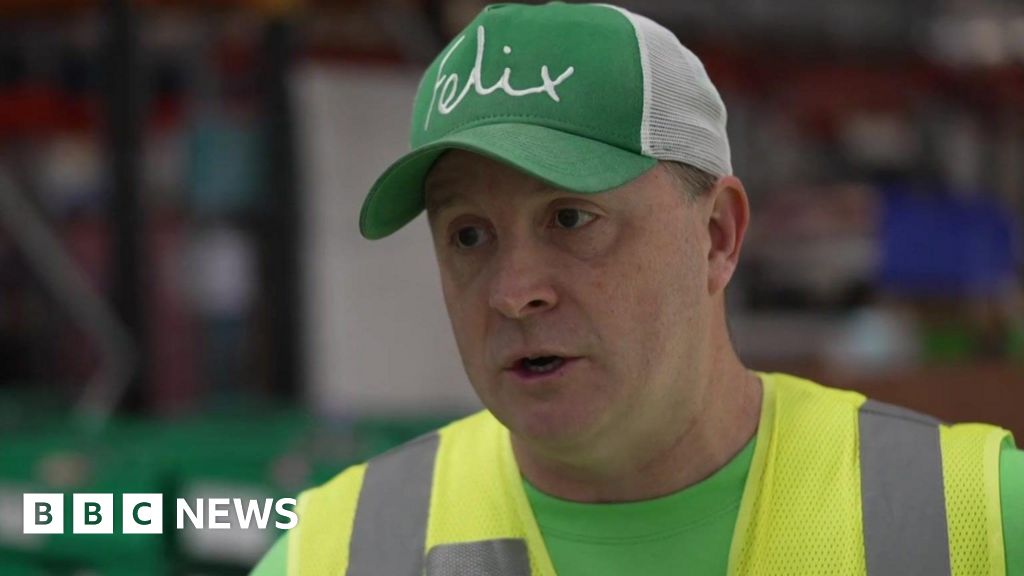
The Felix Project is among the organisations feeling the effects of increased costs due to the conflict in Iran.
Source link
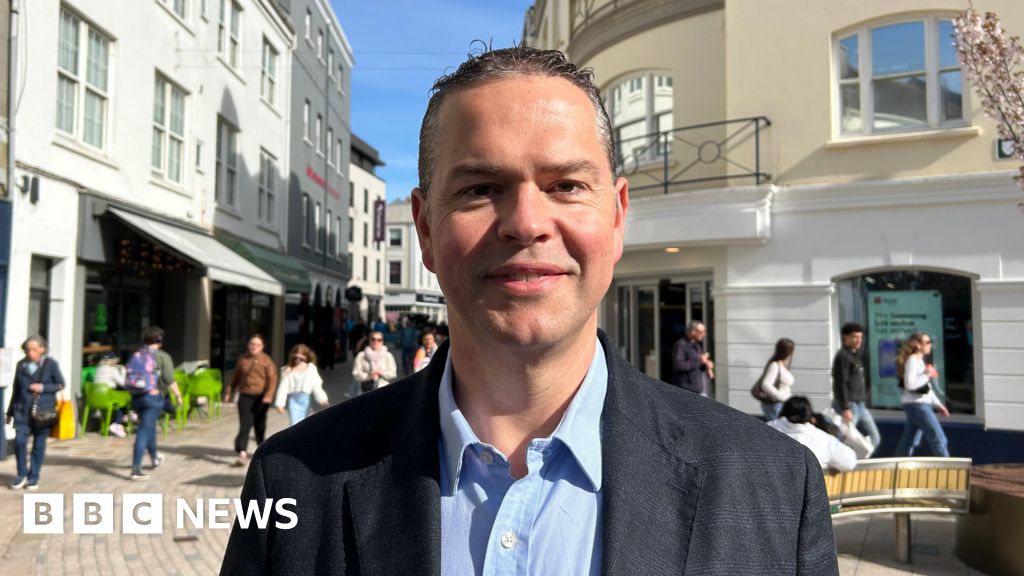
Bosses say a good start to the year has been put at risk, but opportunities have also emerged.
Source link


Sportswear giants bet on India as US, EU markets slow

Taylor Swift, Travis Kelce wedding date rumor spirals, planner breaks silence
Aurobindo Pharma gets board nod for Rs 800 crore share buyback plan – The Times of India

-

 Sports1 week ago
USMNT handed reality check by Doku, Belgium ahead of World Cup
-

 Sports1 week ago
2026 NCAA men’s hockey tournament: Schedule, results
-
Uncategorized4 days ago
[CinePlex360] Please moderate: “Trump signals p
-

 Entertainment3 days ago
Joe Jonas shares candid glimpse into parenthood with Sophie Turner
-

 Tech3 days ago
Our Favorite iPad Is $50 Off
-
Uncategorized7 days ago
[CinePlex360] Please moderate: “Further tariff
-
 Entertainment1 week ago
The Avett Brothers’ bassist explains why he wrote a book about John Quincy Adams
-

 Entertainment1 week ago
Demystifying the PTI