

Business
Disney’s ‘Avatar: Fire and Ash’ disappoints with weak $88 million domestic opening


Still from Disney’s “Avatar: Fire and Ash.”
Disney
The opening weekend for Disney’s “Avatar: Fire and Ash” was less of a blaze and more of a simmer.
And that’s the expectation for the full theatrical run of the third installment in James Cameron’s Avatar franchise.
During its first three days in theaters, “Fire and Ash” tallied $88 million, falling well shy of analysts’ expectations, which called for a debut haul between $110 million and $125 million. For comparison, 2022’s “Avatar: The Way of Water” brought in $134 million during the same three-day period.
Internationally, the film collected $257 million, bringing the film’s global opening to an estimated $345 million.
“Fire and Ash” faced some theatrical headwinds, namely its over-three-hour runtime. There was also less pent-up demand compared to “The Way of Water,” which was released more than a decade after the first Avatar film. Some box office analysts and critics noted that “Fire and Ash” has less technological innovation than its predecessors, which had been a driving factor in past ticket sales.
Around 5.2 million domestic moviegoers went to see “Fire and Ash,” according to data from EntTelligence, a massive decline from the 8.7 million that ventured out in 2022 to see the opening weekend of “The Way of Water.”
Still, the Avatar franchise has never been front-loaded at the box office. The first film, 2009’s “Avatar,” generated just $77 million in its opening weekend domestically, but stayed in theaters for nearly a year. By the time it exited theaters, the film had generated $2.7 billion globally. With re-releases, the film now stands at $2.9 billion, according to data from Comscore.
“The Way of Water” ran in theaters for 23 weeks and has grossed $2.3 billion globally.
“With less than two weeks remaining in the box office year, the pressure on ‘Avatar: Fire And Ash’ to deliver big was intense and though the film may have come in a bit below pre-release opening weekend projections, the Avatar films have always been known for their marathon box office trajectories,” said Paul Dergarabedian, head of marketplace trends at Comscore.
Also aiding the franchise at the box office are premium large-format ticket sales. The Avatar films have over-indexed with the more expensive experiential screens like IMAX and Dolby as well as 3D showings. Disney reported that 3D and premium theaters accounted for 66% of the weekend total.
While 3D films have fallen out of favor with domestic audiences, they remain popular internationally —especially in China. Indeed, “Avatar” made the bulk of its money outside the U.S., with a whopping $2.08 billion coming from overseas.

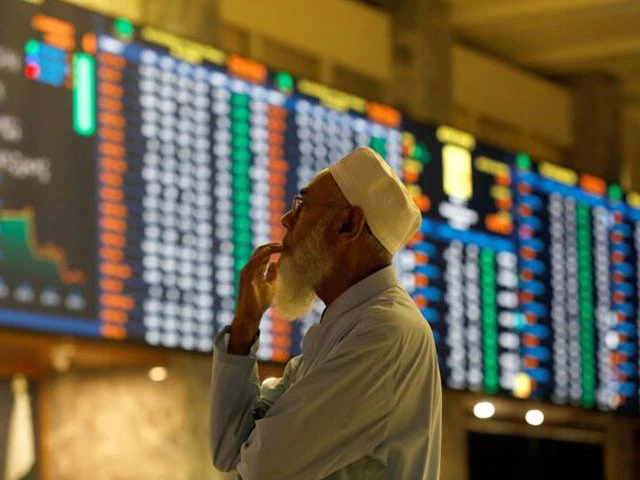







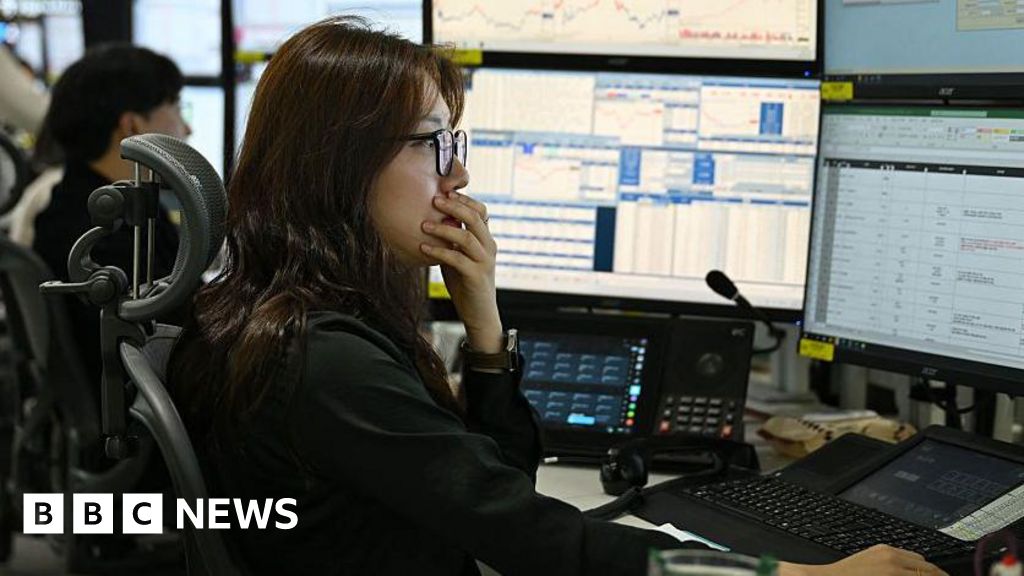
The conflict in the Middle East has rattled financial markets and global energy prices have soared.
Source link
Last Updated:
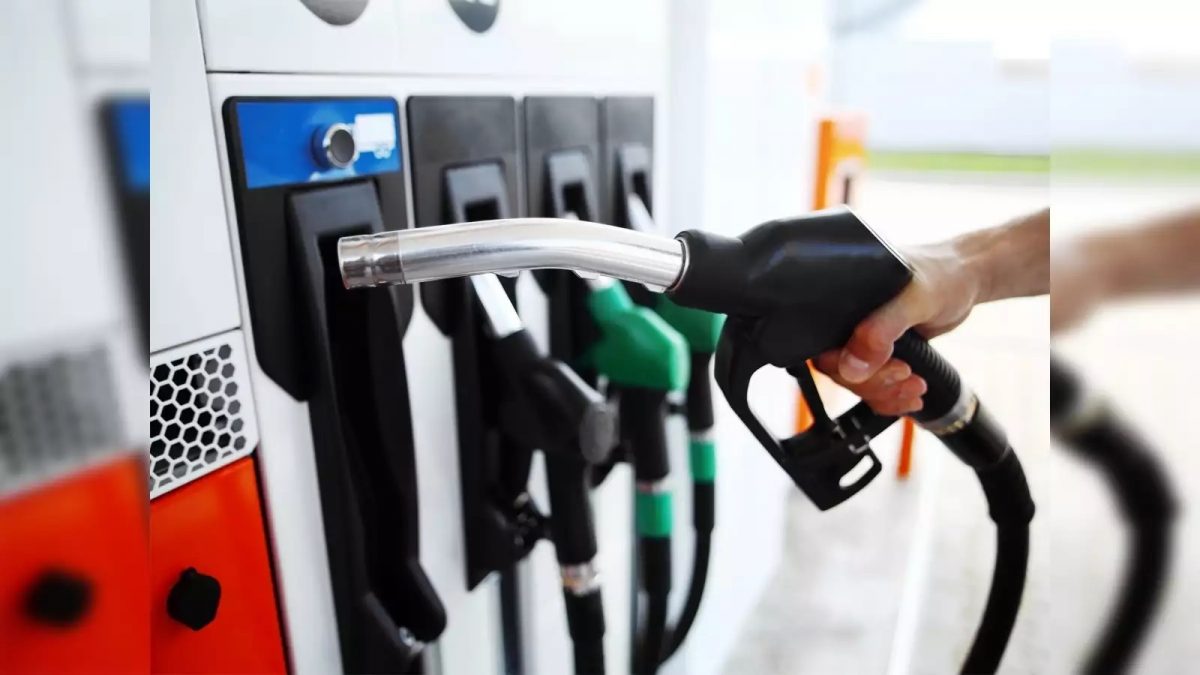
Petrol, Diesel Price On March 4: Check City-Wise Rates Across India Including In Delhi, Mumbai and Chennai.




Petrol, Diesel Prices On March 4.
Petrol and Diesel Prices on March 4, 2026: OMCs update petrol and diesel prices daily at 6 AM, aligning them with fluctuations in global crude oil prices and currency exchange rates. This daily revision promotes transparency and ensures consumers have access to the most up-to-date and accurate fuel prices.
Petrol Diesel Price Today In India
Check city-wise petrol and diesel prices on March 4:
| City | Petrol (₹/L) | Diesel (₹/L) |
|---|---|---|
| New Delhi | 94.72 | 87.62 |
| Mumbai | 104.21 | 92.15 |
| Kolkata | 103.94 | 90.76 |
| Chennai | 100.75 | 92.34 |
| Ahmedabad | 94.49 | 90.17 |
| Bengaluru | 102.92 | 89.02 |
| Hyderabad | 107.46 | 95.70 |
| Jaipur | 104.72 | 90.21 |
| Lucknow | 94.69 | 87.80 |
| Pune | 104.04 | 90.57 |
| Chandigarh | 94.30 | 82.45 |
| Indore | 106.48 | 91.88 |
| Patna | 105.58 | 93.80 |
| Surat | 95.00 | 89.00 |
| Nashik | 95.50 | 89.50 |
Key Factors Behind Petrol and Diesel Rates
Petrol and diesel prices in India have remained unchanged since May 2022, following tax reductions by the central and several state governments.
Oil Marketing Companies (OMCs) update fuel prices daily at 6 am, adjusting for fluctuations in global crude oil markets. While these rates are technically market-linked, they are also influenced by regulatory measures such as excise duties, base pricing frameworks, and informal price caps.
Key Factors Influencing Fuel Prices in India
-
Crude Oil Prices: Global crude oil prices are a primary driver of fuel prices, as crude is the main input in petrol and diesel production.
-
Exchange Rate: Since India relies heavily on crude oil imports, the value of the Indian rupee against the US dollar significantly affects fuel costs. A weaker rupee typically translates to higher prices.
-
Taxes: Central and state-level taxes constitute a major portion of retail fuel prices. Tax rates vary across states, leading to regional price differences.
-
Refining Costs: The cost of processing crude oil into usable fuel impacts retail prices. These costs can fluctuate depending on crude quality and refinery efficiency.
-
Demand-Supply Dynamics: Market demand also influences fuel pricing. Higher demand can push prices up as supply adjusts to consumption trends.
How to Check Petrol and Diesel Prices via SMS
You can easily check the latest petrol and diesel prices in your city through SMS. For Indian Oil customers, text the city code followed by “RSP” to 9224992249. BPCL customers can send “RSP” to 9223112222, and HPCL customers can text “HP Price” to 9222201122 to receive the current fuel prices.
 Click here to add News18 as your preferred news source on Google.
Follow News18 on Google. Join the fun, play games on News18. Stay updated with all the latest business news, including market trends, stock updates, tax, IPO, banking finance, real estate, savings and investments. To Get in-depth analysis, expert opinions, and real-time updates. Also Download the News18 App to stay updated.
March 04, 2026, 07:33 IST
Read More

Gold slumped more than 5%, ending a four-day rally on Tuesday. The metal was weighed down by a stronger dollar and fading prospects of an interest rate cut as inflation concerns intensified against the backdrop of a potentially prolonged conflict in West Asia. Spot gold was down 5.6% at $5,029.59 an ounce whereas prices had hit an over four-week high in the previous session. US gold futures lost 5.1% to $5,041.50.The US dollar, a competing safe-haven asset, rose to an over one-month peak, making dollar-priced bullion less affordable for holders of other currencies. US Treasury yields rose for a second consecutive session.Indian bullion traders and associations are speculating that gold could attain Rs 2 lakh per 10 gm and silver may well scale Rs 3.5 lakh per kg if the conflict does not abate swiftly.Spot silver fell 11.2% to $79.42 an ounce after climbing to a more than four-week high on Monday. As the Iran conflict entered its fourth day, crude oil benchmarks jumped over 8% in response.


Barkbox Offers: Themed Dog Toys, All-Natural Treats, and Subscription Deals

Miami (Ohio) beats Toledo to extend 30-game winning streak

Trump, Rubio offer conflicting reasons for US entry into Iran war

-

 Politics6 days ago
US arrests ex-Air Force pilot for ‘training’ Chinese military
-
 Business1 week ago
Households set for lower energy bills amid price cap shake-up
-

 Politics6 days ago
What are Iran’s ballistic missile capabilities?
-
 Business6 days ago
Attock Cement’s acquisition approved | The Express Tribune
-

 Fashion5 days ago
Policy easing drives Argentina’s garment import surge in 2025
-

 Sports1 week ago
Top 50 USMNT players of 2026, ranked by club form: USMNT Player Performance Index returns
-

 Sports6 days ago
Sri Lanka’s Shanaka says constant criticism has affected players’ mental health
-
 Business1 week ago
Lucid widely misses earnings expectations, forecasts continued EV growth in 2026