

Fashion
Turkiye year-end review 2025: Beneficiary in turmoil


International Trade
In the first eight months of 2025, exports to the EU, which accounts for 40.8 per cent of the Turkish textile industry’s market share, fell by 0.4 per cent to $3.09 billion y-o-y. Exports to the former eastern bloc countries, which ranked third, fell by 12.3 per cent. Europe accounts for over 70 per cent of Turkiye’s garment exports, thanks to the Customs Union. Turkiye provides fast overland shipping across Europe too. The country group with the highest export growth for the Turkish textile sector was Asia and Oceania. The increase rate, which was 26 per cent in value terms, rose to 40.5 per cent in unit terms. Meanwhile, exports to African countries rose by 19 per cent from $858.5 million to $1.02 billion, with growth rate being 24 per cent in unit terms. During this period, the topmost textile export destinations were the United States, Germany, and Italy, in that order. Over a period of 12 months, from September 2024 to August 2025, there was a 5.5 per cent decline in capacity utilisation rates in the textile industry.
Turkiye–US trade reached about $45 billion, with textiles and apparel emerging as a strategic opportunity amid relatively moderate US tariffs.
Despite export pressures in the EU and rising costs at home, Turkiye gained competitiveness against higher-tariff rivals in the US.
Carpets, in particular, stand out as a major advantage, supporting a cautiously positive export outlook.
The US Market
The US is an important export destination for Turkiye which can logistically deliver by ship to the US in under three weeks. Turkish textile & apparel exports’ current share of the US market remains under 3 per cent. In 2023, Turkiye textile exports reached $2.68 billion, and in 2024, the US ranked second in Turkiye’s textile and raw materials exports with a 6.8 per cent share. In early 2025, Turkish textiles exports rose 14 per cent y-o-y, and the US ranked third with 6 per cent share after Italy and Germany. Historically, the US was a significant market for Turkish garments until the expiration of the WTO’s Multi-Fibre Agreement in 2005, which led to a sharp drop in Turkish exports due to increased competition from Asia. Now, with around 40 per cent of the Turkish garment industry prepared to export to the US, encouraged by relatively lower tariffs, there is a renewed ambition to capture more of the market.
Textile & Apparel Sector
The textiles & apparel sector, one of Turkiye’s most globally competitive industries, employs 27.8 per cent of the country’s manufacturing labour force and contributes 15.2 per cent of manufacturing output. The country ranked world’s seventh-largest exporter of textile and ready-to-wear products last year. Within clothing exports, knitted apparel and accessories, such as T-shirts, pullovers, and similar items, dominate. This segment accounts for over half of the sector’s total value.
In a year burdened by tariff hikes, specifically between January–August 2025, Turkiye’s textile and apparel exports dropped from $18 billion to $17.2 billion, declining 4.4 per cent y-o-y. In this, textile and raw materials maintained a stable performance with a 0.8 per cent increase, reaching around $7.5 billion, while apparel and garment exports fell 8 per cent, from $10.5 billion to $9.7 billion. During this period, textiles and apparel accounted for 9.7 per cent of Turkiye’s total exports of $178.1 billion.
Moderate Tariff
On April 2, US imposed a minimum basic tariff of 10 per cent on all countries, including Turkiye, with its biggest competitors in the textile sector China, India, and Vietnam, subjected to higher tariffs of 34 per cent, 26 per cent and 46 per cent, respectively. However, in a notable shift, on April 9, a 90-day pause on tariff hikes for all countries except China was announced. While China’s tariffs were sharply increased to 125 per cent, Turkiye, being a non-retaliatory trade partner through July 2025, continued with the 10 per cent blanket tariff. Just ahead of August 1 deadline, tariff of Turkiye’s imports was raised to 15 per cent, described as moderate. The 15 per cent tariff reflected Turkiye’s ‘white list’ status, stemming from balanced bilateral trade and mutual investments with the US. The new tariff took effect on August 7.
The Turkish Ministry of Trade described 15 per cent duty as a positive differentiation despite the flagship export categories of textiles, apparel and carpets getting exposed to an increased risk of margin compression. On August 29, the US additionally eliminated the $800 de minimis threshold for imports, impacting Turkish e-commerce segment, especially D2C models. The D2C operators were made to build duties and taxes directly into checkout, rethink pricing and delivery strategies, and explore US-based logistics solutions such as warehouses and subsidiaries.
In another development, Turkiye terminated additional tariffs, imposed in 2018, on the US imports ranging from passenger cars to fruits. The terminated tariffs were imposed in retaliation for the US tariffs put during the first term of Trump in office.
Tariff Impact – a Mixed Bag
Turkiye previously exported to the US with very low tariff rates, including zero per cent for some goods. So, even a 10 per cent rate in April still made Turkiye’s exports to the US more expensive. Tariff on Turkish textiles rose from 4.92 per cent to 14.92 per cent. Increasing the tariff rate from 10 per cent to 15 per cent in August only intensified the impact. Additionally, domestic challenges, including rising input costs, inflationary pressures, and a volatile exchange rate, further impacted exporters’ profit margins. Exporters also remained wary of the indirect fallout, particularly through supply chains linked to the EU, underscoring the complex position the country occupied in a rapidly shifting global trade order. They struggled to compete against both lower-tariff competitors and US domestic producers. The textile sector also contended with structural challenges, including dependency on imported raw materials.
At the same time, it created some upsides. Since tariff was much lower than many textile-exporting nations, it enhanced Turkiye’s competitiveness in the US market, particularly in high-value segments of premium fabrics, apparel, and home textiles. Many Turkish officials and economists saw potential strategic gains amid the disruption. Turkiye’s relatively moderate rate offered a comparative advantage in select export sectors and attracted foreign manufacturers seeking more favourable trade conditions.
Brands Shifted Base
Due to political and economic developments in Turkiye, the increase in dollar exchange rate and costs put Turkiye at a disadvantage in production. This made major apparel brands shift their focus to far eastern countries. In September, outdoor clothing and gear brand The North Face shifted much of its production from Turkiye to Vietnam and Bangladesh due to rising prices. The US-based company decided to cut back orders by 80 per cent from Gelisim Tekstil, brand’s supplier for more than a decade. Out of 4 million units, only 400,000–500,000 remained with Turkiye. Consequently, Gelisim Tekstil, The North Face’s second-largest manufacturer worldwide and its largest in the EU, will see orders shrinking from €30 ($34.75) million to just €4–5 million. Not only the far east, but even Africa also emerged as a major competitor. A Turkish product costing €5.10 could be procured from Kenya for €2.80, attracting brands to outsource production there under the umbrella of social responsibility projects. While China is often seen as major rival for Turkiye, Bangladesh, Sri Lanka, Cambodia and Vietnam emerged even more formidable rivals.
Advantage Carpets
In 2024, the products with the highest trade surplus with the US included carpets and other textile floor coverings, with a valuation of $820 million. This puts Turkish carpets in a special league of products exported to the US. With US imposing 50 per cent tariff on Indian carpets, compared with 15 per cent on Turkish exports, carpet producers in Turkiye stand to gain. Steep tariff disparity between both countries created new prospects for Turkiye’s carpets. Demand for Turkiye’s carpets from the US buyers started increasing by September with further increase expected in the coming year. Carpet manufacturing companies geared up to develop new designs to replace products previously sourced from India, besides making plans for the summer 2026 season. In addition to trading with the US, companies planned to grow in Northern Europe, South America, the Middle East, and North Africa. Gaziantep, in southeastern Turkiye, is one of the world’s leading centres for carpet manufacturing. The city’s producers account for 65 per cent of global demand for machine-made carpets, with more than 200 firms and about 1,500 looms in operation.
A Positive Outlook
Turkish government and industry stakeholders are expected to double down on export promotion, trade diplomacy, and market diversification to fully capitalise on the changing global trade dynamics. The outlook with the new tariff showed that Turkiye can be an attractive candidate for globally renowned brands that have recently shifted their production from China to Vietnam in their search for new destinations. The US tariffs, originally intended to protect American industry, inadvertently elevated Turkiye’s position in the global textile supply chain. With a 15 per cent tariff rate, Turkiye enjoys an edge over its South Asian competitors and China, presenting itself as a viable alternative in the US supply chains. In this regard, Turkiye targets to replace products from these countries, which are expected to lose market share due to higher tariff. But at the same time, the moderate hike on Turkish imports presents challenges as well. Given the legal uncertainty around tariffs, Turkish exporters will be required to include adjustment clauses in contracts and prepare for multiple scenarios. They also need to adapt pricing strategies, secure resilient logistics, through investing in the US operations, if needed, and maintain strict compliance to avoid penalties. Local partnerships along with distributor networks will need to be strengthened. Brand positioning will shift from cost-based to value-based. To spread out the risk, existing stronghold in the EU market will be leveraged to expand trade. If additionally supported by strategic export policies and investment in competitiveness, Turkiye can capture larger US market in the coming years.
Fibre2Fashion News Desk (SB)









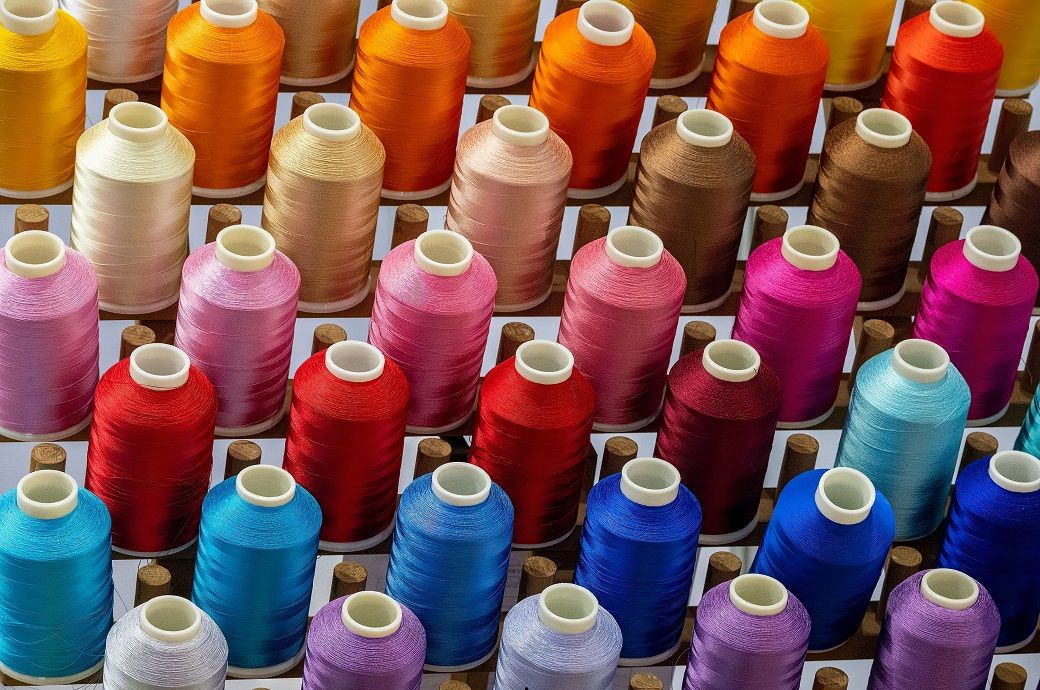
Following earlier increases in purified terephthalic acid (PTA), melt and PSF, Indian producers have now raised PFY prices. POY, FDY and PTY prices have been increased by ****;* per kg across all deniers and lustres with effect from March *, reflecting rapid cost pass-through amid heightened volatility in crude-linked value chains, according to the market sources.
In the previous weekly revision effective February **, ****, PTA was increased by ****;*.** per kg to ****;**.** per kg, while monoethylene glycol (MEG) was retained at ****;**.** per kg. Polyester melt prices were raised by ****;*.** per kg to ****;**.** per kg. Downstream PSF prices were also revised upward by ****;*.** per kg from March *.
May 2026 cotton settled at 64.59 cents per pound, down 1.02 cents. This marked the lowest settlement price for May contract since February 20, effectively erasing all gains made over that period.
Cotton futures on Intercontinental Exchange (ICE) fell over 1 per cent, with May 2026 settling at 64.59 cents/lb, the lowest since Feb 20, amid Middle East tensions and a stronger US dollar.
Rising inventories and risk aversion pressured prices.
Speculators cut net shorts, while crude oil surged.
ICE cotton traded mixed in early Indian hours today.
Total trading volume for the session came in at 73,225 contracts. ICE-certified deliverable No. 2 cotton inventory rose to 126,178 bales as of February 26, up from 119,457 bales the previous trading day.
The US dollar climbed to its highest level in over a month, making dollar-denominated commodities like cotton more expensive for international buyers and reducing export demand.
Market analysts stated that the Middle East conflict is putting significant pressure on cotton and that a broader risk-aversion tone is affecting the market.
On March 2, Iran continued launching attacks on US military bases across multiple countries in the Middle East, with explosions reported in several locations. An advisor to the Iranian Islamic Revolutionary Guard Corps commander announced that the Strait of Hormuz had been closed, with Iran threatening to strike any vessels attempting to pass through it.
US President Trump indicated that military action against Iran could last four to five weeks, while also expressing readiness for operations to extend considerably longer.
Major Wall Street indices declined on Monday as the conflict raised fears of disrupted global trade routes and renewed inflationary pressures. Analysts warned that investors appear to be rebuilding short positions in cotton, suggesting continued downward price pressure in the near term. The earlier May contract low of 62.86 cents per pound as a key support level that could be tested again.
CFTC data released the prior Friday showed that speculators reduced their net short positions in ICE cotton futures and options by 26,508 contracts in the week ending February 24, bringing net shorts to 48,922 contracts.
International crude oil and natural gas prices surged sharply on Monday following US and Israeli strikes on Iran, with retaliatory actions forcing the closure of several energy facilities in the region.
This morning (Indian Standard Time), ICE cotton for May 2026 was traded at 64.75 cents per pound (up 0.16 cent), cash cotton at 62.59 cents (down 1.02 cent), the March 2026 contract at 62.59 cents ((down 1.02 cent)), the July 2026 contract at 66.75 cents (up 0.14 cent), the October 2026 contract at 68.18 cents (down 0.49 cent) and the December 2026 at 69.04 cents (up 0.12 cent). A few contracts remained at their previous closing levels, with no trading recorded so far today.
Fibre2Fashion News Desk (KUL)
If the US administration imposes a 15-per cent levy, the US ETR would rise to 11.3 per cent.
President Donald Trump reinstated tariffs immediately following the US Supreme Court’s February 20 ruling that invalidated the reciprocal tariffs imposed under the International Emergency Economic Powers Act (IEEPA). The new blanket 10-per cent tariff rate is authorised under Section 122 of the Trade Act of 1974 and expires in 150 days unless extended by Congress.
The 10-per cent blanket reciprocal tariff imposed by the US on most trading partners has reduced the US effective tariff rate (ETR) to 9.4 per cent from 12.7 per cent, Fitch Ratings said.
If a 15-per cent levy is imposed, the ETR would rise to 11.3 per cent.
China has the highest ETR among trading partners, followed by Vietnam, Japan and Brazil.
China’s ETR is around 19 per cent from 29 per cent earlier.
Section 122 permits a maximum rate of 15 per cent but does not allow for tariff adjustments for individual countries.
Prior to the court decision, China was subject to two reciprocal tariffs: a fentanyl tariff of 10 per cent that applied to all imports and a 10-per cent reciprocal tariff on an import base subject to carveouts. The two tariffs have been consolidated into the 10-per cent blanket tariff, reducing China’s ETR to around 19 per cent from 29 per cent, Fitch said in a release.
China still has the highest ETR among major trading partners, followed by Vietnam, Japan and Brazil. Of the United States’ 31 largest trading partners, 26 will see their ETRs decline. Brazil benefits the most, with its ETR decreasing by 18 percentage points (pp) to 11 per cent from 29 per cent.
ETRs for most countries largely remain unchanged following the switch in tariff regimes, and no country will see an increase in its ETR if the Section 122 tariff rate remains at 10 per cent.
Fibre2Fashion News Desk (DS)


Oil Prices: US, Israel attack Iran: With oil prices up, forex volatility set to continue – The Times of India

See Zara Larsson reply cheekily to fan’s insensitive TikTok post

Demi Lovato, Keke Palmer question relationship with older men

-

 Politics6 days ago
US arrests ex-Air Force pilot for ‘training’ Chinese military
-

 Politics6 days ago
What are Iran’s ballistic missile capabilities?
-
 Business1 week ago
Households set for lower energy bills amid price cap shake-up
-

 Sports1 week ago
Top 50 USMNT players of 2026, ranked by club form: USMNT Player Performance Index returns
-

 Sports6 days ago
Sri Lanka’s Shanaka says constant criticism has affected players’ mental health
-
 Business1 week ago
Lucid widely misses earnings expectations, forecasts continued EV growth in 2026
-

 Fashion5 days ago
Policy easing drives Argentina’s garment import surge in 2025
-
 Business5 days ago
Attock Cement’s acquisition approved | The Express Tribune