

Business
Why Second-Hand Cars Are Luxury In Venezuela? A 1995 Car Prices At USD….

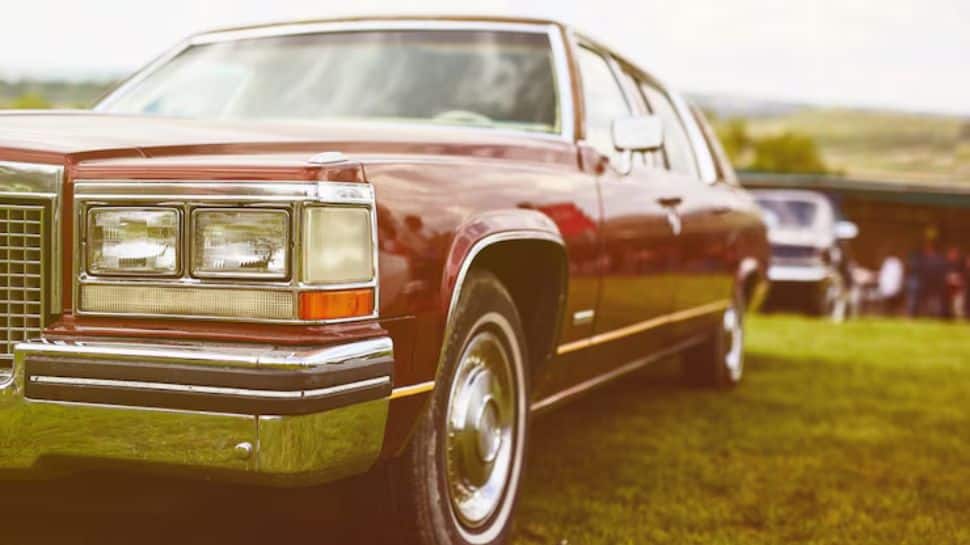
Venezuela: In most countries, used cars are cheaper than new vehicles. But in Venezuela, owning even an old, second-hand car is a luxury. Years of economic crisis, currency collapse, and strict policies have turned the used car market into an expensive and difficult space for ordinary citizens.
Venezuela has faced a prolonged economic crisis marked by hyperinflation and a sharp fall in the value of its currency, the bolívar. As prices rise rapidly, salaries have failed to keep pace. For many people, buying a car—new or used—is financially out of reach. Even basic used vehicles are often priced in US dollars, while most workers earn very little in local currency. As a result, a 1995 car prices between $2,200 and $4,400.
Restrictions on New Car Imports
New car sales in Venezuela have collapsed due to import restrictions, foreign exchange controls, and sanctions. Automakers either shut down operations or drastically reduced production. With very few new cars entering the market, demand has shifted heavily to used vehicles, pushing their prices higher.
Shortage of Spare Parts
Another major reason used cars are costly is the lack of spare parts. Many parts are imported, but shortages of foreign currency and sanctions have disrupted supply chains. As a result, maintaining a car is expensive and difficult. Vehicles that are still in good working condition become more valuable, even if they are decades old.
(Also Read: How To Convert A Manual Car To Automatic? Check Total Cost And Details)
Car Market
While Venezuela officially uses the bolívar, much of the used car market operates in US dollars. Sellers prefer dollars to protect themselves from inflation. This puts cars far beyond the reach of people who do not have access to foreign currency, making used cars a status symbol rather than a basic necessity.
Poor Public Transport
Public transport in many Venezuelan cities is unreliable due to fuel shortages, lack of maintenance, and reduced services. This increases the demand for private vehicles, which drives up used car prices.
Old Cars, High Prices
It is common to see cars from the 1980s or 1990s selling for prices that would seem unreasonable elsewhere. In Venezuela’s current situation, age matters less than functionality.
In short, a mix of economic collapse, limited supply, high maintenance costs, and dollar-based pricing has turned used cars into a luxury few Venezuelans can afford.







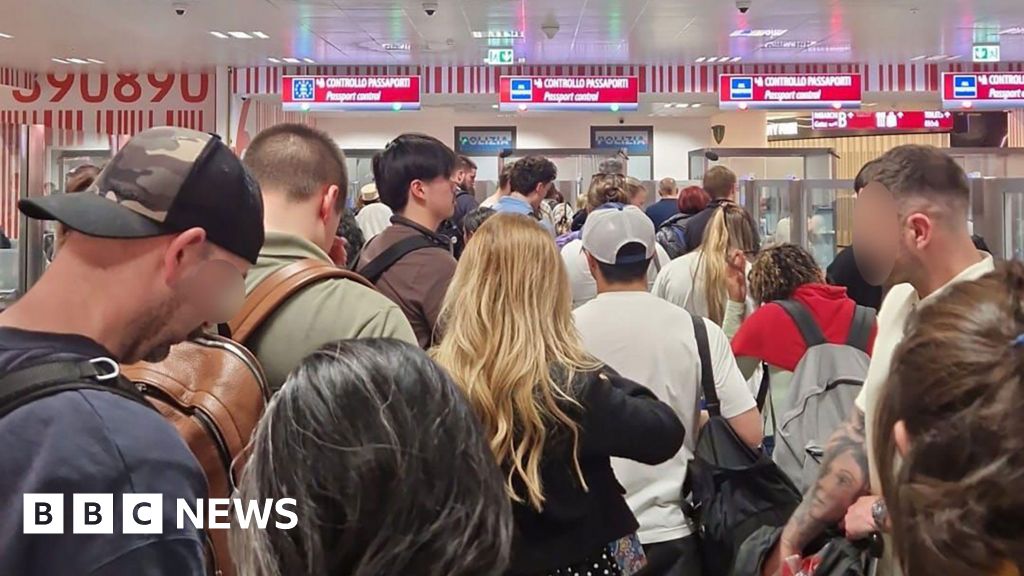
New European border rules have caused delays at airports across the continent, affecting flights.
Source link
Business
‘A win-win for both nations!’ Three-day India-US trade talks to begin this week – The Times of India

India and the United States are set to resume trade talks this week, taking a “great step to finalize” the proposed agreement. Taking to social media platform X, US Ambassador to India Sergio Gor said “The Indian trade delegation will be arriving in Washington this week. A great step to finalize our bilateral trade deal. A win-win for both nations!”This week, a delegation of around a dozen officials will be travelling from New Delhi to Washington for discussions on the first phase of the proposed bilateral trade agreement (BTA). The talks are scheduled from April 20 to 22 and will be led by India’s chief negotiator Darpan Jain, additional secretary in the department of commerce. The team will also include officials from the customs department and the ministry of external affairs.The negotiations come against the backdrop of recent changes in the US tariff system, prompting both sides to revisit parts of the trade agreement finalised earlier this year and released on February 7.A key development was the US Supreme Court striking down reciprocal tariffs imposed under the 1977 International Emergency Economic Powers Act. Following this, the US administration introduced a temporary flat 10% tariff on all countries for 150 days from February 24.These changes led to the postponement of a planned February meeting between the chief negotiators. The rescheduled talks in Washington will now proceed under the revised tariff framework.Alongside tariff issues, the discussions are also expected to cover two investigations initiated by the US Trade Representative under Section 301 of its trade law. India has refuted the allegations and is seeking withdrawal of the probes, arguing that the initiation notices do not provide adequate justification.

Energy markets have seen wild swings since the US and Israel attacked Iran on 28 February.
Source link

Ryanair flight from Milan to Manchester leaves passengers behind due to border delays

Harry Kane vows Bayern Munich have ‘a lot to play for’ after Bundesliga title

Hyundai’s New Ioniq 3 Has Hot-Hatch Looks, but Can It Beat BYD?

-

 Fashion4 days ago
France’s LVMH Q1 revenue falls 6%, shows resilience amid Iran war
-

 Sports1 week ago
The case for Man United’s Fernandes as Premier League’s best
-

 Entertainment1 week ago
Palace left in shock as Prince William cancels grand ceremony
-
 Business1 week ago
UK could adopt EU single market rules under new legislation
-

 Entertainment5 days ago
Is Claude down? Here’s why users are seeing errors
-

 Fashion1 week ago
Energy emerges as biggest cost driver in textile margins
-
 Business1 week ago
Delta Air Lines unveils first new Delta One suite in premium cabin arms race
-

 Tech1 week ago
A Lot of Shops Won’t Fix Electric Bikes. Here’s Why