

Business
Gold reaches $4,670, silver surges as markets react to rising global uncertainty | The Express Tribune


The prices of gold and silver reached new record highs both globally and locally, driven by rising geopolitical tensions and economic factors, including further cuts in the US Federal Reserve’s interest rates.
On Monday, the price of gold per ounce surged by $75 to a new record high of $4,670 in the international bullion market. This increase follows months of escalating political tensions, particularly in the Middle East, where fears of a potential military escalation involving the United States and Iran have stirred uncertainty.
The market’s response to this geopolitical volatility, and the Federal Reserve’s decision to continue lowering interest rates, has resulted in a surge in demand for safe-haven assets like gold and silver.
As a result, the price of 24-carat gold per tola in Pakistan saw a significant jump, increasing by Rs 7,500 to reach a historic high of Rs 489,362. Similarly, the price of gold per 10 grams rose by Rs 6,431, setting a new all-time high of Rs 419,549.
In parallel, silver prices also hit record levels. On Monday, the price of silver per tola increased by Rs 300, climbing to Rs 9,782. The price of silver per 10 grams also rose by Rs 257, reaching Rs 8,386, reflecting growing demand for the precious metal as a store of value during times of uncertainty.
Yesterday’s price movements
Yesterday, the price of gold per ounce rose by an additional $50, while silver prices also gained further ground. This sustained increase was largely attributed to market reactions to continued fears of conflict in the Middle East, along with concerns over global inflation and economic instability.
Experts suggest that the Fed’s rate cuts have also played a key role in fueling demand for precious metals. As interest rates remain low, investors are seeking alternatives to traditional assets such as bonds, which offer lower returns, thus pushing more capital into gold and silver.
In the local markets, the impact of rising international prices was immediately reflected in the value of gold and silver. The increase in gold prices has prompted heightened demand among investors seeking to secure their wealth amid growing uncertainty. At the same time, silver has gained popularity as a relatively more affordable investment compared to gold, contributing to its price surge.
Despite the market’s strong performance for precious metals, analysts are cautioning that the continued volatility in both the geopolitical and economic landscape could lead to unpredictable price movements in the short term. Market watchers are also paying close attention to any changes in global economic policy or military developments that could further influence commodity prices.






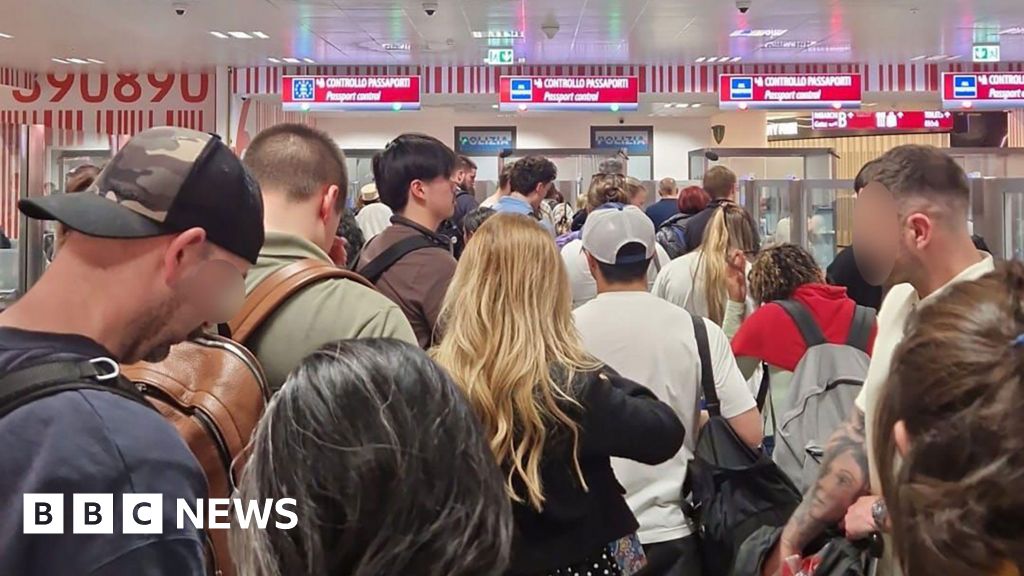
New European border rules have caused delays at airports across the continent, affecting flights.
Source link
Business
‘A win-win for both nations!’ Three-day India-US trade talks to begin this week – The Times of India
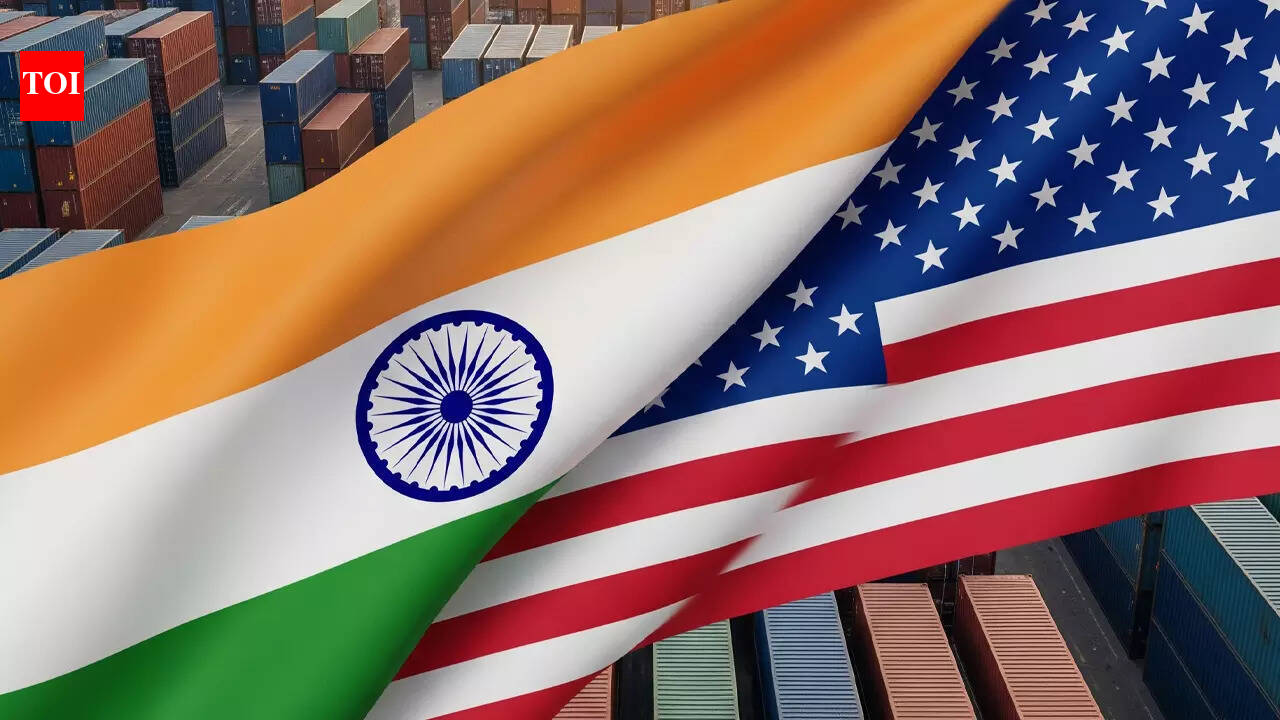
India and the United States are set to resume trade talks this week, taking a “great step to finalize” the proposed agreement. Taking to social media platform X, US Ambassador to India Sergio Gor said “The Indian trade delegation will be arriving in Washington this week. A great step to finalize our bilateral trade deal. A win-win for both nations!”This week, a delegation of around a dozen officials will be travelling from New Delhi to Washington for discussions on the first phase of the proposed bilateral trade agreement (BTA). The talks are scheduled from April 20 to 22 and will be led by India’s chief negotiator Darpan Jain, additional secretary in the department of commerce. The team will also include officials from the customs department and the ministry of external affairs.The negotiations come against the backdrop of recent changes in the US tariff system, prompting both sides to revisit parts of the trade agreement finalised earlier this year and released on February 7.A key development was the US Supreme Court striking down reciprocal tariffs imposed under the 1977 International Emergency Economic Powers Act. Following this, the US administration introduced a temporary flat 10% tariff on all countries for 150 days from February 24.These changes led to the postponement of a planned February meeting between the chief negotiators. The rescheduled talks in Washington will now proceed under the revised tariff framework.Alongside tariff issues, the discussions are also expected to cover two investigations initiated by the US Trade Representative under Section 301 of its trade law. India has refuted the allegations and is seeking withdrawal of the probes, arguing that the initiation notices do not provide adequate justification.

Energy markets have seen wild swings since the US and Israel attacked Iran on 28 February.
Source link

Ryanair flight from Milan to Manchester leaves passengers behind due to border delays

Harry Kane vows Bayern Munich have ‘a lot to play for’ after Bundesliga title

Hyundai’s New Ioniq 3 Has Hot-Hatch Looks, but Can It Beat BYD?

-

 Fashion4 days ago
France’s LVMH Q1 revenue falls 6%, shows resilience amid Iran war
-

 Sports1 week ago
The case for Man United’s Fernandes as Premier League’s best
-

 Entertainment1 week ago
Palace left in shock as Prince William cancels grand ceremony
-
 Business1 week ago
UK could adopt EU single market rules under new legislation
-

 Entertainment5 days ago
Is Claude down? Here’s why users are seeing errors
-

 Fashion1 week ago
Energy emerges as biggest cost driver in textile margins
-
 Business1 week ago
Delta Air Lines unveils first new Delta One suite in premium cabin arms race
-

 Tech1 week ago
A Lot of Shops Won’t Fix Electric Bikes. Here’s Why