

Business
Monetary assets swell to Rs69tr since 1970s | The Express Tribune

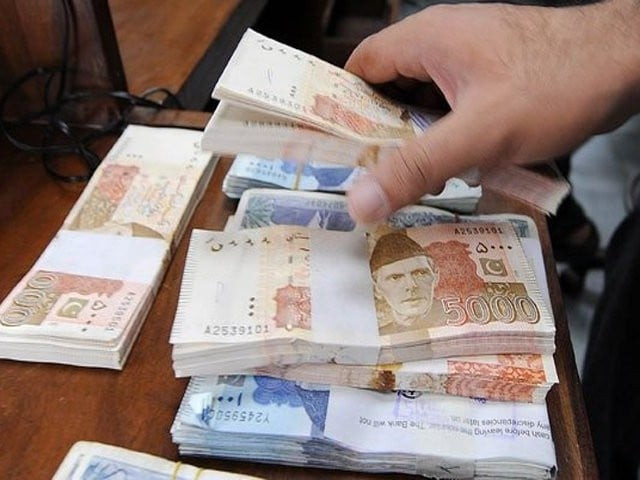
Gallup analysis finds bank deposits surged but reserves showed notable volatility
KARACHI:
Pakistan’s banking sector has expanded dramatically in size and reach over the past five decades, with strong growth in monetary assets, bank deposits and foreign exchange reserves, according to a new analysis based on legacy financial records from the State Bank of Pakistan (SBP).
The report, titled “Long-Run Pakistan Analysis on Financial Development Structure (1970-2021)” released by Gallup Pakistan, examines how the country’s financial system evolved from a small, relatively simple structure and largely cash-based economy into a much larger banking and financial network.
Pakistan’s total monetary assets increased from less than Rs25 billion in the early 1970s to more than Rs69 trillion by 2021. The rise reflects long-term financial deepening, expansion of banking services and higher economic activity over the decades. Currency in circulation also recorded strong growth during the same period. The amount of cash in the economy increased from around Rs5.4 billion in 1972 to more than Rs7.3 trillion by 2021. The increase reflects both economic expansion and continued reliance on cash transactions in different parts of the country.
Bank deposits grew even more sharply during the period. Total deposits with scheduled banks increased from Rs19.2 billion in 1972 to more than Rs13 trillion by 2021. Deposit growth accelerated after the early 2000s. Banking reforms, technological changes and wider access to financial services encouraged more individuals and businesses to use formal banking channels.
The rise in deposits also reflects stronger savings mobilisation within the banking system and a gradual increase in the use of institutional financial services. Foreign exchange reserves, including gold, also expanded significantly during the period. Pakistan’s reserves increased from about Rs3.1 billion in 1972 to roughly Rs3.9 trillion by 2021.
However, the level of reserves showed notable volatility – influenced by external economic conditions, trade flows and international financial movements. “The expansion in Pakistan’s monetary aggregates over the past five decades reflects a clear trend of financial deepening and economic growth,” Arif Habib Limited (AHL) Economist Sana Tawfik told The Express Tribune.
Currency in circulation has increased significantly, indicating greater transactional demand and the overall expansion of economic activity, she said. Similarly, the sharp rise in bank deposits highlights stronger financial intermediation within the banking system.
However, part of the increase in deposits may also be attributed to higher inflows of workers’ remittances and periods of relatively elevated interest rates that incentivised savings within the formal banking system, she added.
Commenting on foreign exchange reserves, Tawfik said Pakistan recorded substantial long-term expansion despite experiencing periodic volatility linked to external sector pressures.
These fluctuations were often influenced by shifts in trade balances, capital inflows and broader global economic conditions. Overall, these developments illustrate the evolution of Pakistan’s financial system from a relatively narrow and less developed framework into a more expansive and mature structure. They also reflect changing drivers behind deposit growth and financial participation within the economy, the economist noted.
The time-series data also highlights a structural shift within the banking sector. Bank deposits and credit have become increasingly concentrated in larger account sizes, particularly accounts holding more than Rs1 million.
This trend became more visible after 2010 as high-value accounts represented a growing share of overall deposits and lending within the financial system.
The shift indicates a gradual move towards larger institutional accounts and higher-value banking activity within the formal financial sector. However, the data also points to several challenges within the financial system. The increasing concentration of deposits and credit in large accounts suggests that wealthier individuals and large firms dominate formal banking activity.
Many small savers and borrowers remain outside the formal financial system. The continued high level of currency in circulation also indicates that cash remains widely used across the economy. This reflects limits in financial inclusion and digital adoption in some parts of the country.




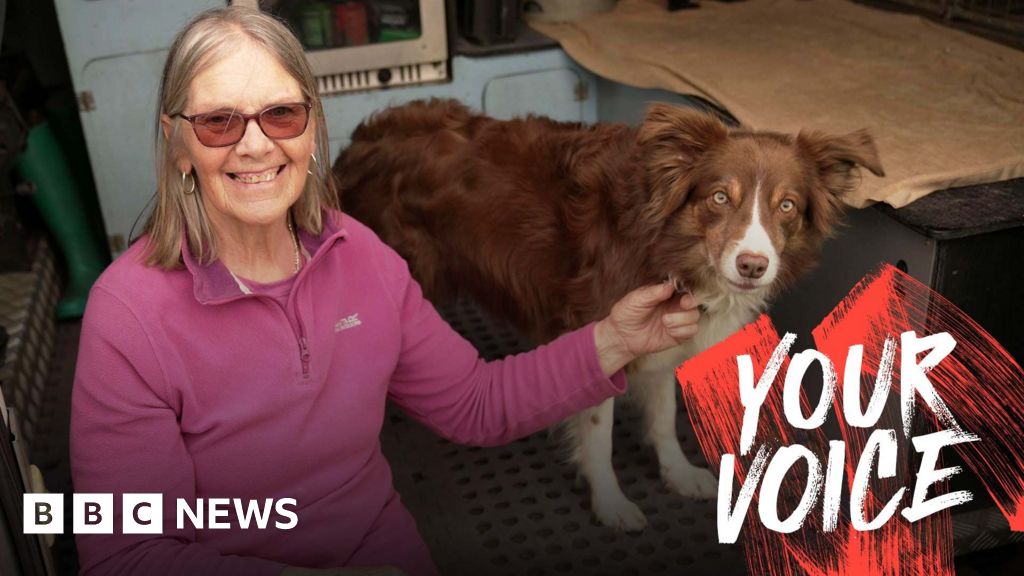
Tesco Pet Insurance, who provided the cover, says “the cost of claims is one of a number of factors that can affect the price of a policy at renewal” and also noted Tilly’s age had been reflected in the quote. It says the couple had a more comprehensive policy, which typically costs more than basic levels of cover, and that alternative options were presented to Fawcett and Neild.
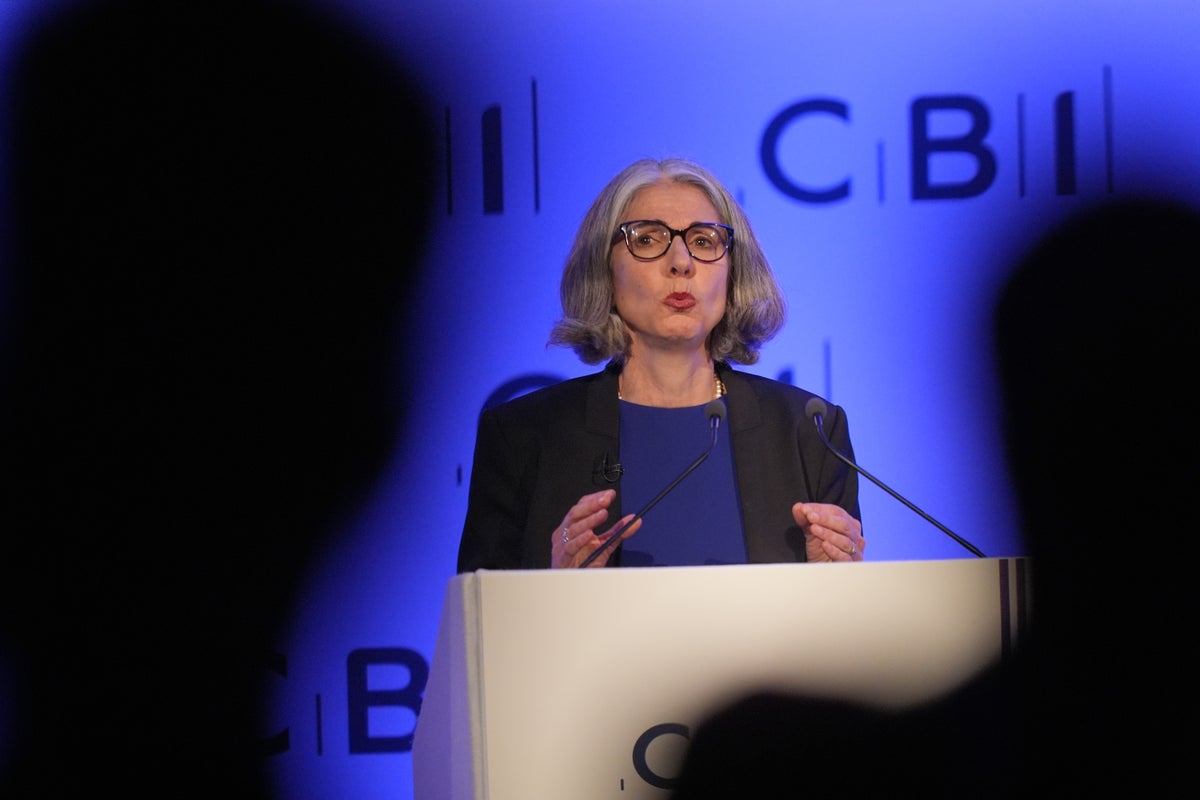
The UK must not “cut ourselves off” from trade opportunities in China despite security and business risks, the head of the Confederation for British Industry has warned.
CBI chief Rain Newton-Smith highlighted that British businesses see increased trade with Chinese firms as an opportunity to drive growth.
Her remarks came as business leaders were questioned by MPs on Parliament’s Business and Trade Select Committee regarding the UK’s economic relationship with China.
Last December, Prime Minister Sir Keir Starmer admitted China poses security threats to the UK but urged for greater business ties.
Ms Newton-Smith, chief executive of one of the UK’s largest business groups, was positive about the Government’s engagement with China.
“You can’t have a growth strategy without a strategy for China,” she said.
“China has the biggest contribution to global growth, is the third largest trading partner, and the world’s largest consumer market.
“The UK is second largest exporter of trade and services.
“We are mindful as all businesses are of security risks but it is really important that we have a strategy towards China.
“This Government has increased the economic engagement with China and including business within this does help us as a country.”
She added: “If we think about the future economy, there is a huge market in China and I think we mustn’t cut ourselves off from some of the opportunities there, even if in some areas there are difficult conversations and negotiations that need to be had.”
Peter Burnett, chief executive of the China-Britain Business Council, told the committee: “There are risks associated with technology advancement, AI, industrial development that they need to assess.
“Increasingly you will find them saying that they need to engage more in China to understand those risks and to develop some of the technologies along some of those risks themselves.”
Business
Trump says he’d be disappointed if Fed pick doesn’t cut rates; Warsh vows to be ‘independent actor’ – The Times of India
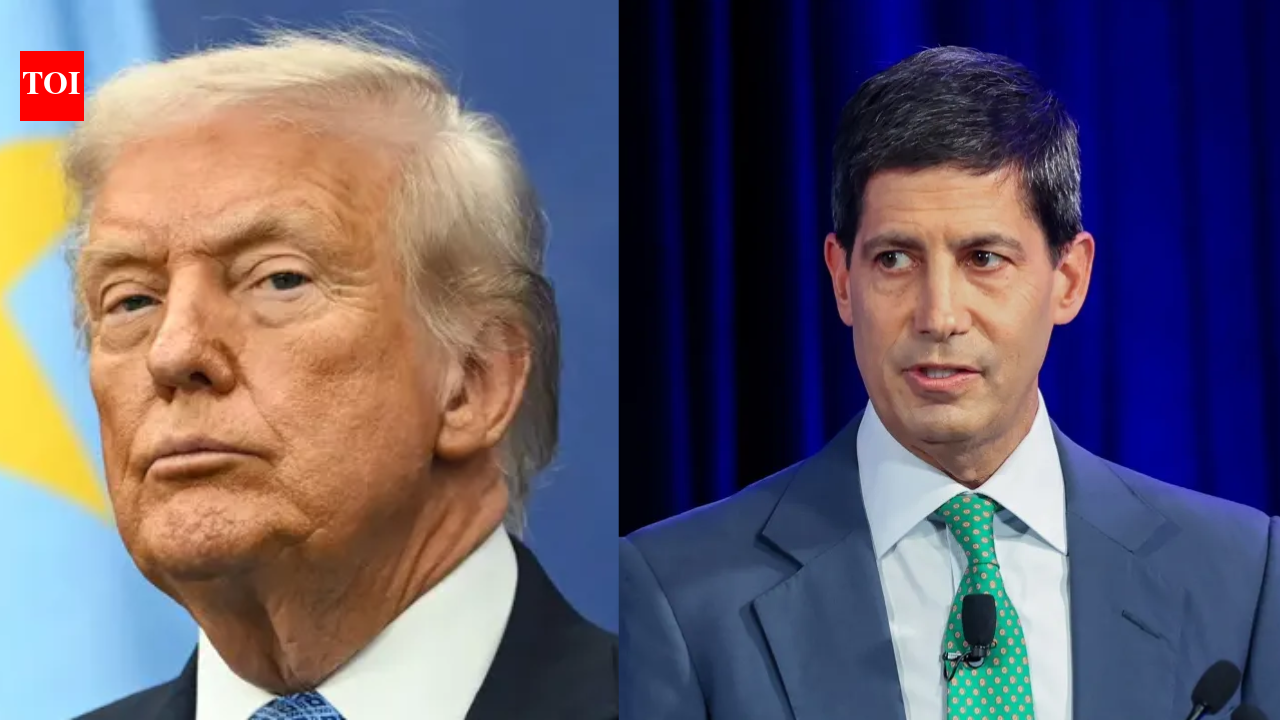
US President Donald Trump on Tuesday said he would be disappointed if his nominee for Federal Reserve chair, Kevin Warsh, does not cut interest rates right away after taking office if confirmed by the Senate. Trump, during an interview with CNBC’s “Squawk Box,” also said “we have to find out” about the construction costs of the new Federal Reserve building.Warsh, a former Federal Reserve official and financier, is currently facing Senate confirmation hearings where he has stressed his independence from political pressure.“The president never once asked me to commit to any particular interest rate decision, and nor would I agree to it if he had,” Kevin Warsh said under questioning by the Senate Banking Committee, as quoted by LA Times. “I will be an independent actor if confirmed as chair of the Federal Reserve.”Warsh told lawmakers that fighting inflation would be one of his main priorities if confirmed.“Congress tasked the Fed with the mission to ensure price stability, without excuse or equivocation, argument or anguish,” Warsh said. “Inflation is a choice, and the Fed must take responsibility for it.”The comments come as investors closely watch his confirmation hearing, with inflation remaining at 3.3% annually and global tensions, including the war in Iran pushing up gas prices, adding pressure on the economy. Higher inflation typically leads the Federal Reserve to keep interest rates steady or raise them rather than cut them, as rate changes affect mortgages, auto loans, and business borrowing.Democrats on the Senate Banking Committee accused Warsh of shifting his stance on interest rates over time, supporting higher rates under Democratic presidents and lower rates during Trump’s presidency.Warsh, if confirmed, would take over at a time when inflation pressures make it difficult for the Federal Reserve to cut rates, even as Trump continues to push for lower borrowing costs. Trump has repeatedly urged rate cuts and has long clashed with current Fed chair Jerome Powell over monetary policy. Powell has also been the subject of a Department of Justice criminal probe after refusing Trump’s requests for faster rate cuts. Trump told CNBC that he does not plan to pressure the Justice Department to end that probe.


IMF to give specific attention to low-income, vulnerable nations

Michael Jackson’s important family members snubbed biopic’s LA premiere

Blake Lively reveals what she lost due to Justin Baldoni’s smear campaign

-

 Fashion6 days ago
France’s LVMH Q1 revenue falls 6%, shows resilience amid Iran war
-

 Sports1 week ago
The case for Man United’s Fernandes as Premier League’s best
-

 Entertainment1 week ago
Palace left in shock as Prince William cancels grand ceremony
-
 Business1 week ago
UK could adopt EU single market rules under new legislation
-

 Entertainment7 days ago
Is Claude down? Here’s why users are seeing errors
-

 Fashion1 week ago
Energy emerges as biggest cost driver in textile margins
-
 Business1 week ago
Delta Air Lines unveils first new Delta One suite in premium cabin arms race
-
 Fashion1 week ago
Asia claims largest share of markets on Kearney FDI Confidence Index