

Business
Morrisons reveals £381m annual loss but hails solid festive trading

Supermarket Morrisons has revealed annual losses of £381 million after hefty borrowing costs but enjoyed a resurgent sales performance over Christmas.
The UK’s fifth largest grocery chain reported a £381 million pre-tax loss for the year to October 26 after it faced a £281 million interest bill on its debt mountain, although it said this was narrowed from losses of £414 million in 2023-24.
The group – owned by US private equity firm Clayton, Dubilier & Rice – said it cut debts by 10% over the year, but still ended 2024-25 with a £3.1 billion debt pile.
Morrisons added that on an underlying basis and stripping out costs such as debt interest, its earnings remained flat at £835 million, with progress held back by rising costs and a cyber incident that caused an IT systems outage just before Christmas 2024, impacting product availability.
The group said measures in the 2024 budget, such as last April’s national insurance contributions tax hike and minimum wage rise, sent costs surging by £200 million in the past financial year.
It said it cut costs by £233 million in the year to October 26 and is making further savings over the current financial year to meet its £1 billion target.
This is not set to include job losses among its 95,000-strong workforce, although bosses said the group would not replace some workers as they left in an effort to make savings and as it rolls out initiatives such as electronic shelf price tags.
Over Christmas, the firm said like-for-like sales growth picked up to 3.4% in the crucial six weeks to January 4, helped by strong demand for its own-brand premium range, which saw sales jump 17.4%.
It cheered a “good performance in a competitive market”, with non-food sales also up 10% and its clothing range seeing a 4.7% increase over the Christmas period.
The festive sales jump marked an improvement on trading in the full year to October, when like-for-like sales lifted 2.8%, with growth slowing to 2.4% in the final quarter.
Rami Baitieh, chief executive of Morrisons, said: “In a year when consumers were feeling the squeeze, we grew like-for-like sales for a 12th consecutive quarter, maintained Ebitda (earnings before interest, taxes, depreciation, and amortisation) and our market share.”
He said the results “demonstrated our resilience in the face of some tough external headwinds, from the cyber incident, rising inflation and Government cost increases, which we worked hard to offset”.
Mr Baitieh added: “We had a good Christmas in 2025, providing a solid foundation for the first quarter.
“As we enter 2026, the grocery market remains competitive and we are committed to our focus on delivering good value and keeping prices low for customers.”
He said consumers were under pressure at the end of last year, with “the impact of the Government cost increases, with inflation and budget uncertainty all weighing on customer sentiment” and added consumer confidence was still “not at its best” in 2026.
Recent industry data from Worldpanel suggested Morrisons’s market share slipped over Christmas, to 8.5% in the 12 weeks to December 28, down from 8.6% a year earlier despite the sales rise.
The gap with rival Lidl is closing and experts have said the German discounter could overtake Morrisons in the coming months if its current momentum continues.
Morrisons said it cut costs and borrowings in the year to October 26, with its debt now down by 46% from a peak seen in 2022.
Jo Goff, chief financial officer of Morrisons, said: “We worked hard during the year to offset the significant and unexpected cost headwinds arising from the Government’s 2024 budget and other inflationary pressures, with our cost reduction programme delivering savings of £233 million, to take the total to date to £845 million.
“We expect to exceed our £1 billion savings target by the end of 2025-26.”
Heineken has announced a substantial investment exceeding £44 million into hundreds of its pubs across the UK, a move expected to create approximately 850 jobs.
The Dutch brewing giant’s Star Pubs operation, which manages 2,350 sites nationwide, is undertaking this significant financial commitment despite a challenging period for the pub sector.
The industry has faced considerable pressure over the past year, grappling with escalating labour costs and increases in national insurance contributions.
Concurrently, consumer spending has been constrained by concerns over inflation and rising unemployment, further impacting pub revenues. However, pubs did receive additional business rates support from the government last month, aimed at alleviating some of these financial burdens.
Lawson Mountstevens, managing director of Star Pubs, indicated that the investment strategy is partly designed to bolster revenues and help the group navigate the recent “sustained increases in running costs”.
This year, £44.5 million will be allocated to upgrades for 647 pubs. A notable 108 of these venues are earmarked for particularly significant cash injections, with each transformation costing at least £145,000.
Heineken clarified that while the majority of its pubs are group-owned, they are independently operated by local licensees. A key focus for this investment, particularly in the lead-up to the 2026 football World Cup, will be on sports-focused venues.
The pub firm and brewer has a history of significant investment in British pubs, having pumped £328 million into the sector since 2018. Work has already commenced at 52 locations, including eight projects dedicated to reopening boarded-up pubs that have endured lengthy closures.
Mr Mountstevens also urged the government to reduce the tax burden on pubs, arguing it would ease cost pressures and foster further job creation within the industry.
He stated: “We can only do so much; the root-and-branch reform of business rates that the industry has been calling for over many years is urgently required, as well as a lowering of the burden of taxation on pubs, including VAT and beer duty.”
He concluded with a direct appeal: “We are calling on the Government to support us in bringing out the best in the Great British pub.”
GameStop’s boss Ryan Cohen says he sees potential to make eBay a much bigger rival to Amazon.
Source link
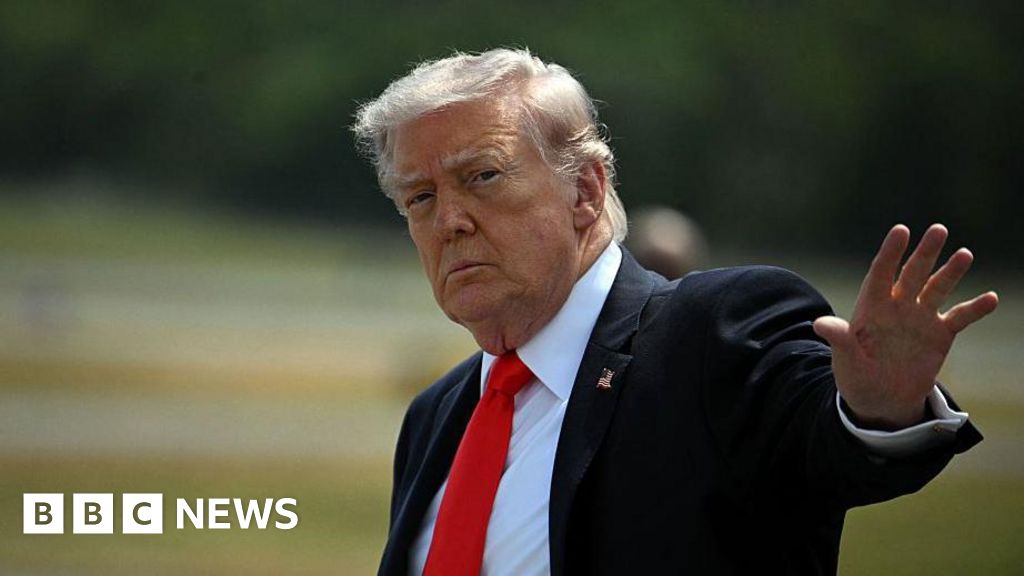
It comes as the US said on Monday it will begin to help “guide” vessels out of the Strait of Hormuz.
Source link


Dwayne Johnson shocks everyone with bold Met Gala outfit

Greg Brockman Defends $30B OpenAI Stake: ‘Blood, Sweat, and Tears’

Met Gala 2026 “Costume Art” red carpet pictures from New York City

-

 Tech1 week ago
A Brain Implant for Depression Is About to Be Tested in Humans
-

 Tech1 week ago
Almost 90% of women leave tech industry within 10 years | Computer Weekly
-
 Business1 week ago
Pakistan’s oil market is fuelling the crisis | The Express Tribune
-
 Business1 week ago
‘I had £20,000 stolen and had to fight a 13-month fraud reporting rule to get it back’
-

 Sports7 days ago
Pro wrestling star Steph De Lander reveals how colleague’s advice helped lead her to title triumph at ACW
-
 Entertainment1 week ago
Melania Trump says ABC should ‘take a stand’ on late-night host Kimmel
-
 Tech7 days ago
This Ambitious Laptop Doesn’t Leave Much Room for Your Hands
-

 Entertainment1 week ago
Norway joins Type 26 Frigate Programme to boost NATO naval power