

Business
Budget 2026: CREDAI seeks major policy push to boost housing affordability

New Delhi: As the government gears up to present the Union Budget 2026–27, the real estate sector has placed its expectations on the table. The Confederation of Real Estate Developers’ Associations of India (CREDAI) has urged the Centre to take immediate steps to make housing more affordable and ensure a steady supply of homes across the country.
Highlighting the sector’s key role in job creation and urban growth, the industry body said its recommendations are aligned with national goals such as ‘Housing for All’ and urban development, while also addressing long-standing issues in finance, taxation and regulations. According to CREDAI, timely and targeted policy support will be crucial to revive demand and move closer to the vision of a ‘Viksit Bharat’.
Call to Redefine Affordable Housing Limits After Eight Years
A key demand in CREDAI’s submission is the urgent revision of the affordable housing definition, which has not been updated since 2017. At present, affordable homes are capped at a value of Rs 45 lakh and must meet specific size limits. However, CREDAI says these thresholds no longer match ground realities, as land prices and construction costs have risen sharply over the years. The body believes that without revising these limits, the goal of making homes truly affordable for buyers will remain difficult to achieve.
Proposal to Revise Size Norms and Remove Price Cap
To address the issue, CREDAI has suggested increasing the carpet area limit for affordable housing to 90 square metres in metro cities and 120 square metres in non-metros. At the same time, it has recommended doing away with the existing price cap altogether. The industry body believes shifting to a purely area-based definition will help boost the supply of practical and viable housing in urban centres. It also argues that this move would reduce confusion and simplify processes, as different government schemes currently follow varying definitions of affordable housing.
To directly benefit homebuyers, CREDAI is advocating for a significant overhaul of housing loan interest deduction limits. The current Rs 2 lakh cap has been static for over a decade, even as property prices and interest rates have climbed.
In most major cities, middle-income earners now face annual interest payments between Rs 4 and Rs 6 lakh, making the existing tax benefit negligible. The association recommends removing this cap for first-time, self-occupied homes and extending these deductions to the new tax regime to ensure all taxpayers are treated fairly. This reform is expected to improve disposable income and encourage more citizens to transition from renting to home ownership.
The recommendations also address the difficulties low-income and informal-sector households face when trying to secure formal bank loans due to a lack of documentation. CREDAI has proposed the creation of a dedicated Credit Guarantee Scheme for affordable housing, which would de-risk lenders and expand credit to underserved segments. This self-sustaining model would be funded through nominal fees from borrowers, meaning it would place no upfront fiscal burden on the national budget while helping to bring more people into the formal financial system. Additionally, the body is pushing for a rationalisation of GST rates on construction and residential units to lower effective costs for both developers and buyers.
Finally, looking toward the future of urban migration, CREDAI has called for the launch of a National Rental Housing Mission to develop organised rental stock in major cities through fiscal incentives and tax relief.
Shekhar Patel, President of CREDAI, highlighted the importance of these combined efforts, stating, “Housing remains a critical engine of economic growth, employment generation, and urban transformation. To keep pace with India’s rapid urbanisation, it is vital to strengthen affordability, expand access to formal finance, and develop a robust rental housing ecosystem.” He further noted that these reforms would “unlock investment, reinforce homebuyer confidence, improve financial inclusion, and enable sustained housing supply, while supporting affordable rental options in urban centres for lower-income groups and contributing to improved living conditions and the gradual reduction of slums.” (With ANI Inputs)




Molecules that can capture heat could be a useful technology to decarbonise heating.
Source link

The city is responsible for 80% of the world’s natural history TV shows.
Source link
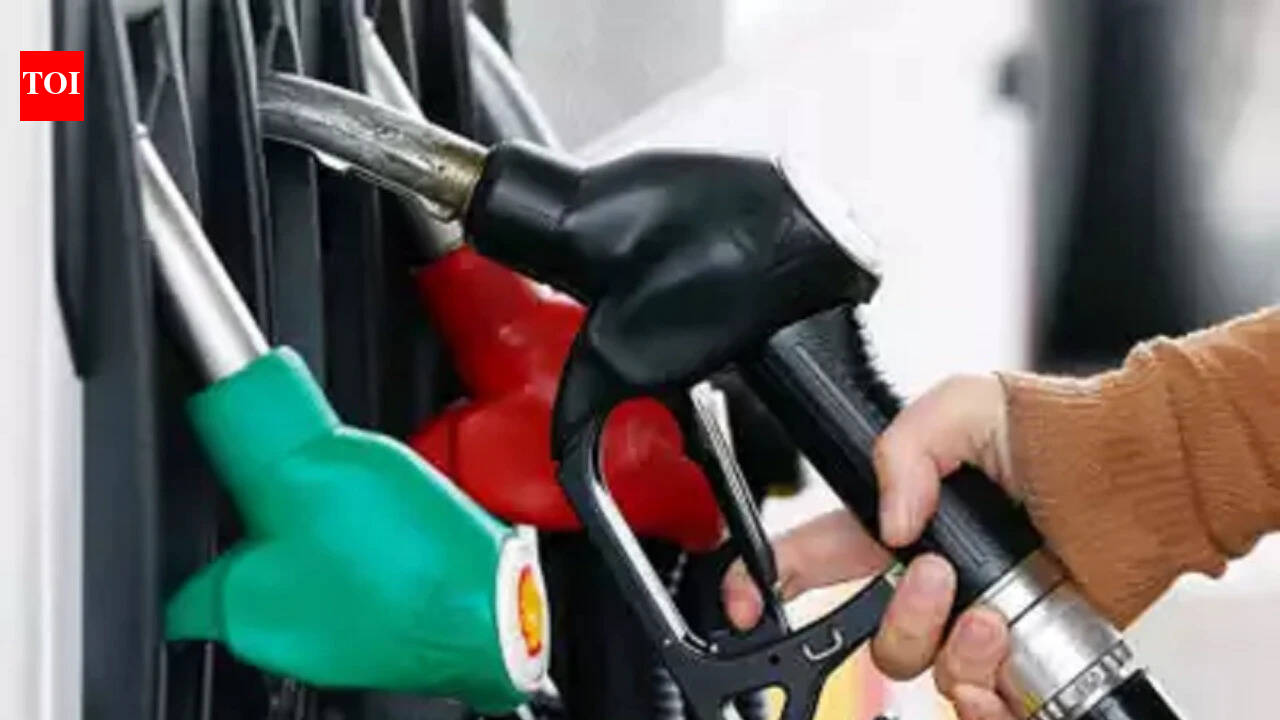
NEW DELHI: The West Asia conflict is pushing govt to look at a faster transition towards renewable energy, including the possibility of increasing ethanol blending in petrol from 20-25%, although in a calibrated manner. This will come along with increased refining capacity within the country, so that there is a buffer in the system and greater domestic resilience, those familiar with the discussions said, pointing out that sustaining refineries at 100% capacity is not sustainable.While Barmer refinery has begun operations, expansion at Numaligarh is underway and work on integrated refineries on the west coast is also under focus. Apart from a mega refinery in Maharashtra, a new facility in Gujarat is also planned.Officials said rising use of renewables, biofuels and hydrogen in the energy mix was no longer just an environmental issue, but a strategic necessity in a situation like the present one, where the military conflict in West Asia has disrupted global energy supplies, triggering a supply crisis and a surge in oil and gas prices.According to officials, 20% ethanol blending has helped India save 4.5 crore barrels of crude annually and reduce foreign exchange outflow by around ₹1.5 lakh crore so far. Given the concerns over fuel efficiency and impact on vehicles, govt is expected to take a gradual approach that addresses the anxiety on ethanol blending. The third pillar on energy is expanding the strategic petroleum reserves.


I Tried the Best Captioning Smart Glasses, and Only One Leads the Pack

Rory McIlroy slams LIV golfers who don’t want to come back to PGA Tour—but why now?

Iran could withstand blockade for four months, claims CIA report, as tensions flare

-

 Politics6 days ago
Iran weighs US reply delivered via Pakistan as Trump signals opposition to deal terms
-

 Tech1 week ago
This Indigenous Language Survived Russian Occupation. Can It Survive YouTube?
-

 Fashion1 week ago
Canada’s Lululemon appoints Esi Eggleston Bracey to board of directors
-

 Fashion1 week ago
US’ J.Jill, Inc. appoints Kimberly Wallengren as CMO
-

 Entertainment1 week ago
David Allan Coe, country singer who wrote “Take This Job and Shove It,” dies at age 86
-
 Business1 week ago
Government hikes jet fuel prices by 5% for international airlines – The Times of India
-
 Business1 week ago
Apollo Sports Capital and Tom Dundon make landmark $225 million investment in pickleball
-

 Fashion1 week ago
AAFA pushes for swift US House passage of key anti-counterfeiting law