

Sports
Former Stanford baseball coach Mark Marquess dies at 78

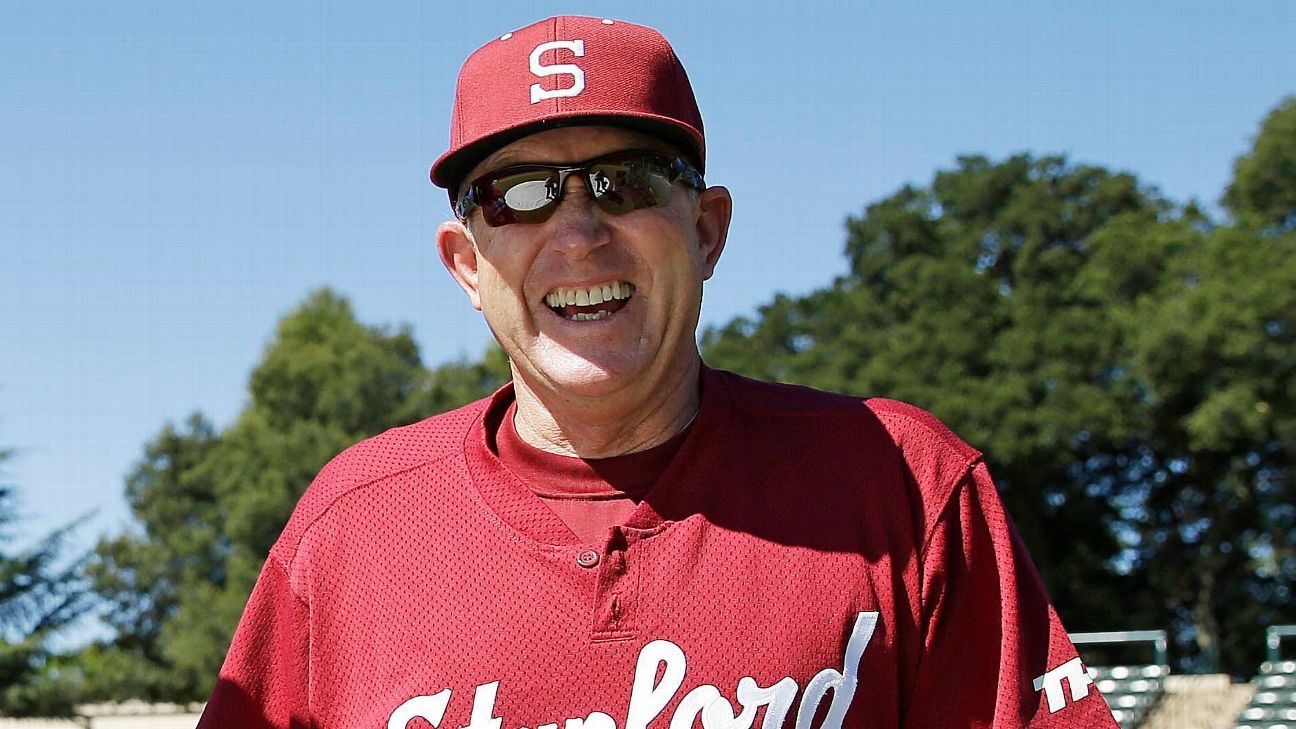
STANFORD, Calif. — Mark Marquess, a National College Baseball Hall of Famer who coached Stanford to a pair of national titles over 41 years beginning in 1977, has died. He was 78.
The school announced Friday that Marquess died but provided no details on the cause.
A fixture for more than four decades in the dugout at Sunken Diamond on campus, Marquess guided the Cardinal to consecutive NCAA championships in 1987 and 1988.
Long known as “9” for his No. 9 jersey, he retired in 2017 and ranks as the fourth-winningest coach in Division I history with a 1,627-878-7 (.649) career record.
Marquess typically arrived on campus in the wee hours of the morning when most were still in bed, then go to sleep early to get ready for the next day.
As the wins piled up, Marquess remained humble and grounded — he certainly wasn’t keeping track of where he ranked among the best of all time — determined never to get too high or too low.
“Really, I don’t think about it,” Marquess said in early 2008. “It’s just a matter of you get busy and as a coach you worry about the next one. You worry about the ones you lost, too much. … When I think about it, it just means I’ve been coaching a long time.”
A former first baseman, he played baseball and football for Stanford when he arrived at the university in 1965. Marquess became a three-time NCAA Coach of the Year — in 1985, 1987 and 1988 — and a nine-time Pac-10 Coach of the Year. Along with the two College World Series titles, Stanford made 30 NCAA tournament appearances, reached six NCAA Super Regionals and won 18 regionals during his tenure. The Cardinal also won the conference regular-season title 11 times.
“This man was Stanford baseball,” said David Esquer, Stanford’s current coach who played for Marquess on The Farm. “He was my coach, and like a father to me. I wouldn’t be where I am today without him. This is a great loss for the Stanford community, the Stanford baseball family and myself. I love that man.”
Marquess was also a member of the Stanford Athletics Hall of Fame, the American Baseball Coaches’ Association Hall of Fame and the San Jose Sports Hall of Fame.
Marquess, who played in the Chicago White Sox organization from 1969 to 1973 and reached Triple-A, also coached USA Baseball to an Olympic gold medal in 1988 when the sport was a demonstration event in Seoul, South Korea.
He always loved his role in the college game and so appreciated working at someplace such as Stanford, taking great pride in not only finding players himself along with his staff but also developing them — many into future pros.
“One of the things, at the professional level a manager can say, ‘Well, I’m just not getting the players, it’s the general manager.’ You can put blame elsewhere,” Marquess said. “In our game, I recruit them, I do everything, so it all falls to me. You can’t blame it on somebody else. The nice thing about Stanford is it kind of sells itself academically, the campus. I mean, what’s not to like?”
NEWYou can now listen to Fox News articles!
Tarik Skubal, the Detroit Tigers’ ace and two-time defending AL Cy Young Award winner, is set to undergo arthroscopic surgery on his left elbow that will keep him sidelined for months, manager A.J. Hinch said on Monday.
Skubal isn’t done for the season, but he is expected to be out two to three months following the surgery to remove loose bodies in his left elbow, ESPN reported.
Hinch called it an “easy process and procedure” while delivering the news, but it’s certainly a blow to the Tigers’ staff and Skubal personally that he is sidelined for months.
CLICK HERE FOR MORE SPORTS COVERAGE ON FOXNEWS.COM
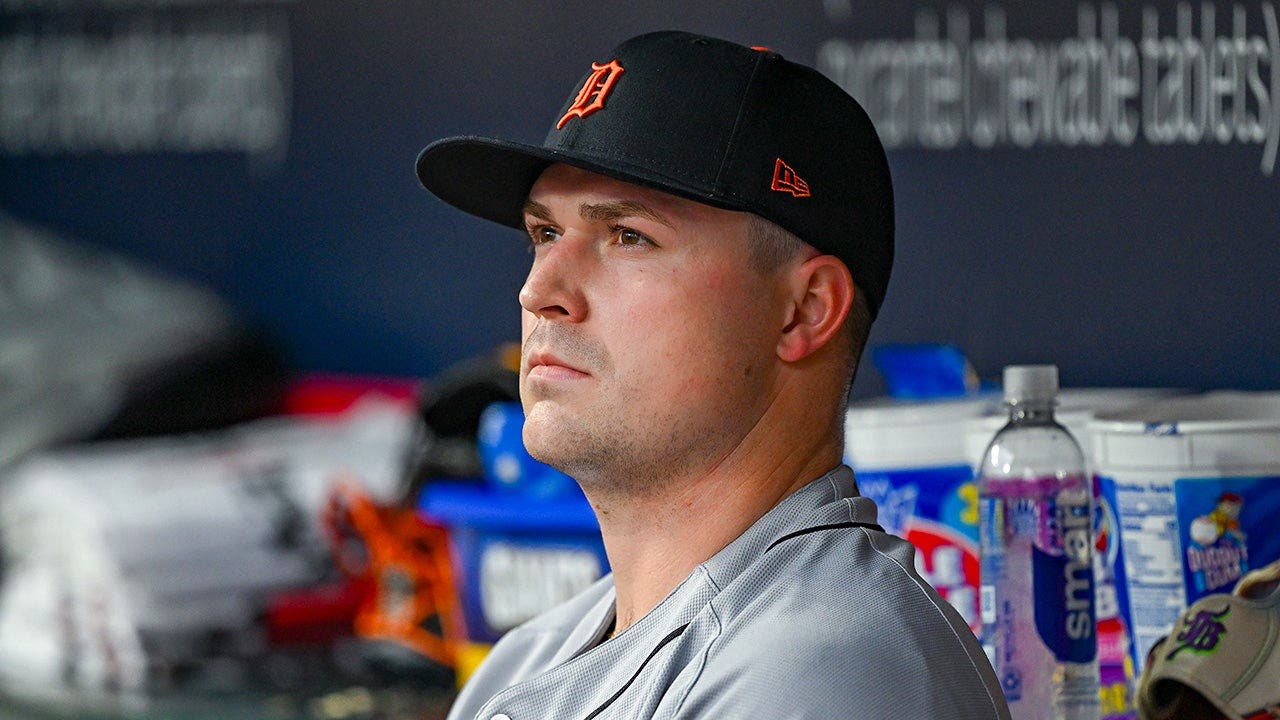
Detroit pitcher Tarik Skubal watches during the Atlanta Braves game on April 29, 2026, at Truist Park in Atlanta, Ga. (Rich Von Biberstein/Icon Sportswire)
Skubal’s arm locked up during a bullpen session on Sunday ahead of his scheduled start against the Boston Red Sox on Monday night. Now, he will undergo the surgery, with Hinch providing no specific timeline for his return.
Skubal’s last start came in a 4-3 win over the league-leading Atlanta Braves this past Wednesday, where he allowed two runs on five hits across seven innings of work. He struck out seven Braves hitters during his outing.
TIGERS ACE TARIK SKUBAL WINS RECORD-BREAKING $32M IN ARBITRATION: REPORTS
However, in that game, Skubal was spotted rubbing his left arm, leading to Hinch and a Tigers trainer going to the mound to check on the pitcher. Skubal, though, remained in the game after tossing a warm-up pitch, and he went on to pitch seven strong innings.
As a result of Skubal being out, the Tigers recalled Ty Madden to the big leagues. Tyler Holton will also be making the spot start on Monday night, serving as the Tigers’ opener before Hinch needs to get creative with his bullpen.
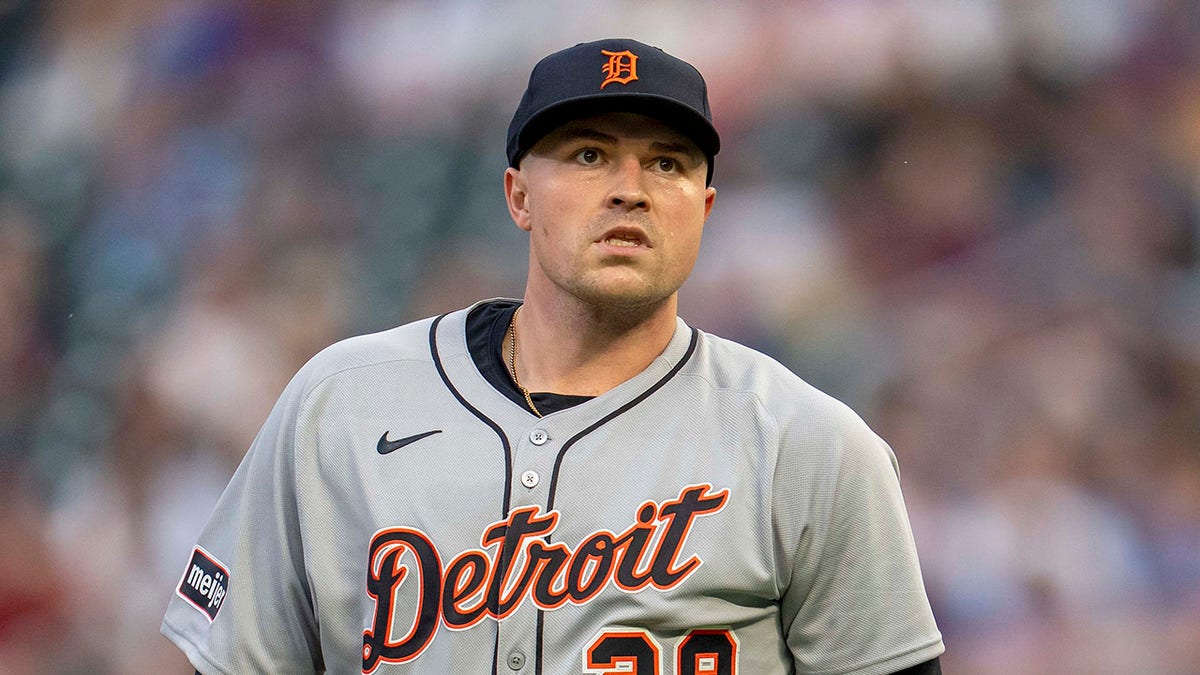
Detroit Tigers starting pitcher Tarik Skubal reacts after giving up a hit against the Minnesota Twins at Target Field in Minneapolis, Minn., on Aug. 14, 2025. (Jesse Johnson/Imagn Images)
Skubal is the latest Tigers starter to be placed on the injured list, joining Casey Mize and Justin Verlander. That leaves Framber Valdez and Jack Flaherty as the only healthy starters at the moment.
For Skubal, the timing isn’t great, especially with impending free agency looming.
Skubal won a record-breaking arbitration case this offseason, where the Tigers were told to pay the left-handed ace $32 million for the 2026 campaign after they proposed a $19 million salary. The victory beat Juan Soto’s arbitration pay by the New York Yankees in 2024 by $1 million.
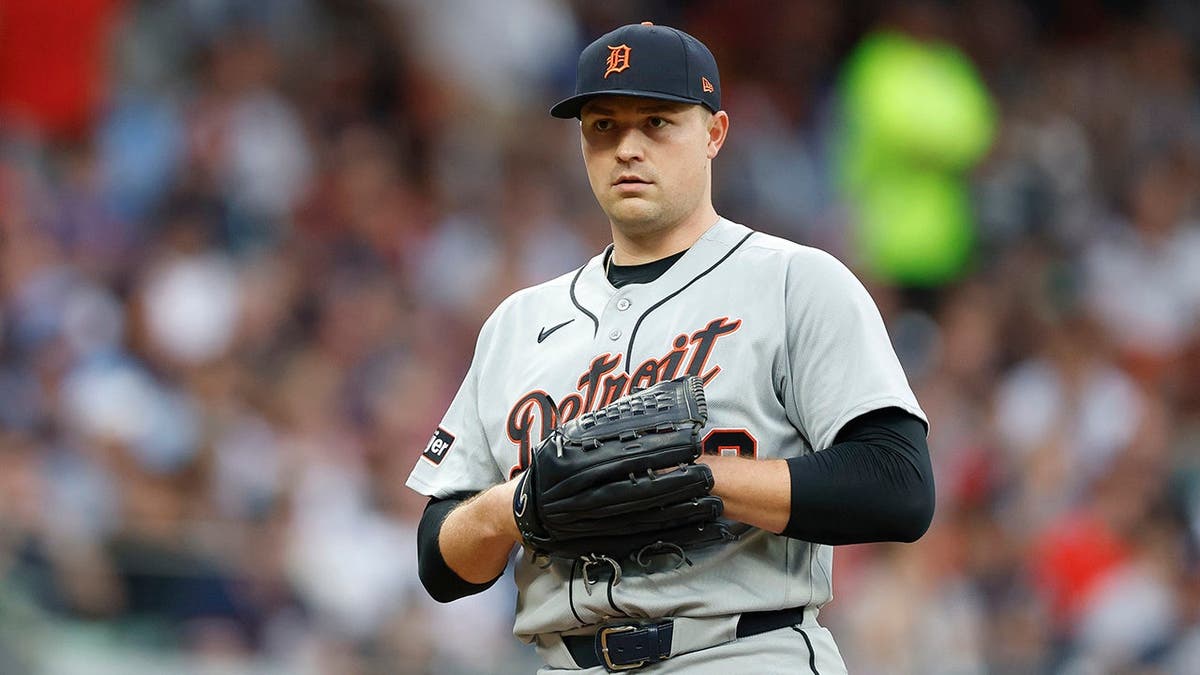
Tarik Skubal of the Detroit Tigers between pitches during the Braves game at Truist Park in Atlanta on April 29, 2026. (Brandon Sloter/Getty Images)
CLICK HERE TO DOWNLOAD THE FOX NEWS APP
But, with no long-term deal in place for Skubal, the electric starter is set to be one of the top free agents after the season, unless he and the Tigers don’t figure something out before then. It seems unlikely that will happen at this point.
All teams interested in Skubal will be watching his recovery and eventual return closely. Until then, Hinch and the Tigers will need others to step up in the meantime for the starting rotation.
Follow Fox News Digital’s sports coverage on X and subscribe to the Fox News Sports Huddle newsletter.
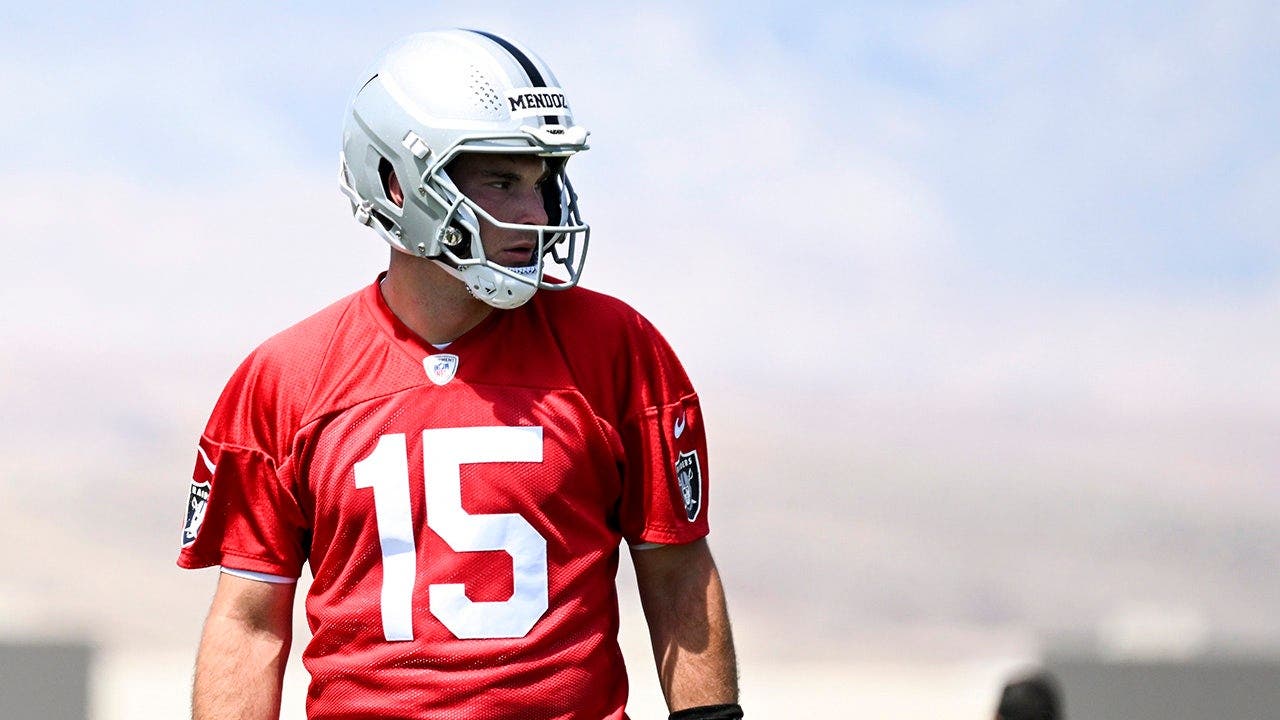
NEWYou can now listen to Fox News articles!
Fernando Mendoza skyrocketed to the top of every NFL pundit’s draft board during the 2025 college football season as the Indiana Hoosiers standout won the Heisman Trophy and led the school to a national championship.
Mendoza’s status stayed clean as the Las Vegas Raiders selected him with the No. 1 overall pick in this year’s draft. He will be tasked with returning the franchise back to glory under head coach Klint Kubiak and veteran quarterback Kirk Cousins, who is set to serve as Mendoza’s mentor.
ZERO BS. JUST DAKICH. TAKE THE DON’T @ ME PODCAST ON THE ROAD. DOWNLOAD NOW!
Las Vegas Raiders quarterback Fernando Mendoza runs through a drill during a rookie minicamp at Intermountain Health Performance Center in Henderson, Nev., on May 2, 2026. (Candice Ward/Imagn Images)
A detractor came out of the woodwork on Monday as an anonymous ACC coach told ESPN that he didn’t believe Mendoza had the “NFL traits.” The coach competed against Mendoza when the quarterback was tossing the pigskin around for the Cal Golden Bears.
“He’s a good decision-maker, but I don’t think he’s got the NFL traits,” the coach told ESPN. “They’re all back-shoulder (throws). That’s not working in the NFL. His receivers made plays to make him look better than he is. In the NFL, those throws are getting picked off.”
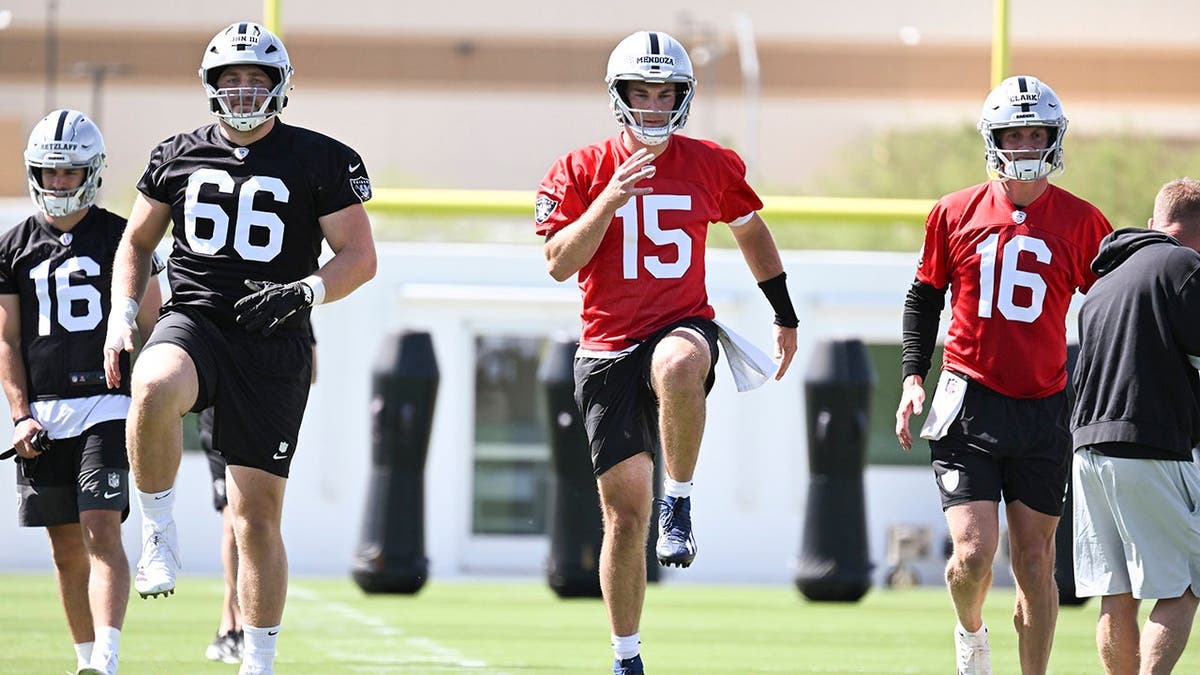
Las Vegas Raiders quarterback Fernando Mendoza warms up during a rookie minicamp at Intermountain Health Performance Center in Henderson, Nev., on May 2, 2026. (Candice Ward/Imagn Images)
Mendoza showed grit and determination with some of the throws he made at Indiana. One that comes to mind is the game-winning touchdown pass to Omar Cooper Jr. against Penn State.
Cooper made the catch and an incredible toe-tap for the touchdown with 36 seconds left in the game, which kept Indiana’s dream season alive.
Raiders general manager John Spytek said last month he nixed any talk of trading the No. 1 pick because he was sure Mendoza would be their guy.
“I think any coach is excited to work with a big, athletic, talented thrower that is extremely smart and a very driven worker, and that’s been our experience with Fernando,” Spytek said. “That’s a great starting spot for any quarterback.”
It’s the heart that Mendoza showed throughout the season, including in the national title game against the Miami Hurricanes, that made him an attractive prospect for NFL teams.
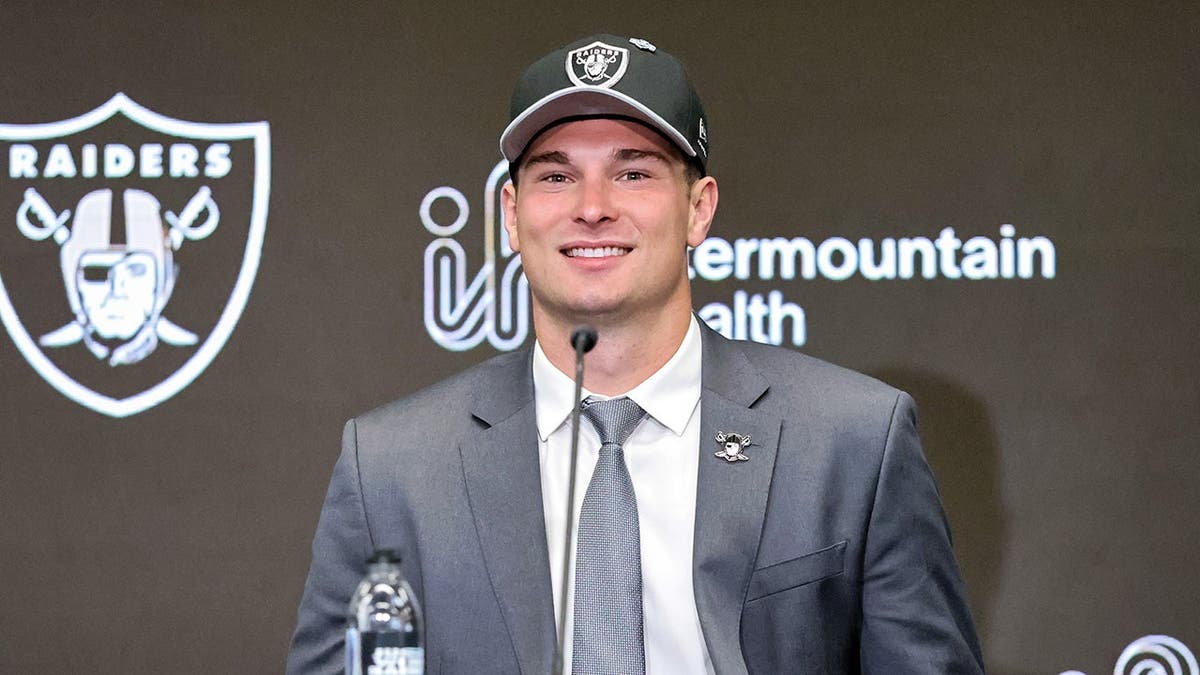
Quarterback Fernando Mendoza, selected as the No. 1 overall pick in the 2026 NFL draft, attends a news conference at the Raiders Headquarters in Henderson, Nev., on April 24, 2026. (Ethan Miller/Getty Images)
CLICK HERE TO DOWNLOAD THE FOX NEWS APP
He had 3,535 passing yards and 41 touchdown passes in his lone season at Indiana.
The Associated Press contributed to this report.
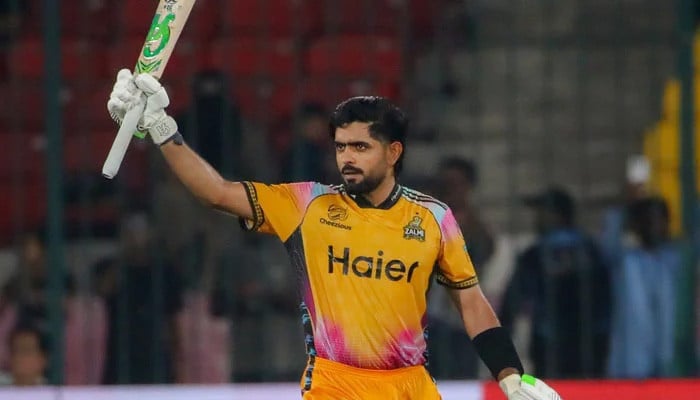
The Pakistan Cricket Board (PCB) on Monday announced the Pakistan Super League (PSL) 11 Team of the Tournament, naming Babar Azam skipper after a title-winning campaign.
The Team of the Tournament comprises three players each from Peshawar Zalmi and Hyderabad Kingsmen, two apiece from Lahore Qalandars and Islamabad United, and one player each from Multan Sultans and Quetta Gladiators.
The selection was made by a five-member panel drawn from the commentary team. The jury also finalised the Emerging Team of the Tournament, recognising the standout young performers of the season.
A total of 44 matches were played from March 26 to May 3 across Lahore and Karachi.
Babar Azam, who lifted his third PSL title as a player and first as captain, finished as the leading run-scorer with 588 runs.
Opening the innings, he also claimed the Hanif Mohammad Cap and equalled the record for most runs in a single PSL season, matching Fakhar Zaman’s tally from 2022.
His campaign featured two centuries in four matches against Quetta Gladiators and Islamabad United.
Peshawar Zalmi are further represented by Kusal Mendis and Sufyan Moqim. Mendis scored 550 runs, including four half-centuries and a century, while also contributing eight dismissals behind the stumps.
His century came against Karachi Kings at the National Bank Stadium on April 9. Left-arm wrist-spinner Sufyan Moqim took 22 wickets at an average of 14.40 and an economy rate of 7.20, earning both Player of the Tournament and Best Bowler honours.
Hyderabad Kingsmen have three representatives in Usman Khan, Hassan Khan and Hunain Shah. Usman finished fourth among the top run-scorers with 389 runs, including a century and three half-centuries.
Hassan contributed 139 runs at a strike rate of 195 alongside six wickets and strong fielding performances. Hunain Shah impressed with 17 wickets in 10 matches, emerging as a key bowler in the latter stages of the competition.
Lahore Qalandars’ Fakhar Zaman and Shaheen Shah Afridi also feature in the XI. Fakhar scored 401 runs to finish third overall, while Shaheen claimed 16 wickets at an economy rate of 7.86.
Multan Sultans’ Shan Masood is included after scoring 367 runs at an average of 45.87 and a strike rate of 158.18. Islamabad United captain Shadab Khan also makes the side after a strong all-round season, scoring 173 runs and taking 17 wickets, earning the Best All-Rounder of the Tournament award.
Teammate Richard Gleeson is selected for his impactful new-ball performances, finishing with 12 wickets at an economy rate of 7.13.
Quetta Gladiators’ Hasan Nawaz has been named as the 12th player after scoring 291 runs.
PSL 11 Team of the Tournament
Babar Azam (Peshawar Zalmi) (c), Fakhar Zaman (Lahore Qalandars), Kusal Mendis (Peshawar Zalmi) (wk), Shan Masood (Multan Sultans), Usman Khan (Hyderabad Kingsmen), Shadab Khan (Islamabad United), Hassan Khan (Hyderabad Kingsmen), Shaheen Shah Afridi (Lahore Qalandars), Hunain Shah (Hyderabad Kingsmen), Sufyan Moqim (Peshawar Zalmi), Richard Gleeson (Islamabad United) and Hasan Nawaz (Quetta Gladiators) (12th player).


Met Gala 2026 “Costume Art” red carpet pictures from New York City

Jack Brooksbank opts for intimate celebration as new baby brings fresh focus

White House briefly locked down after Secret Service shooting in Washington

-

 Tech1 week ago
A Brain Implant for Depression Is About to Be Tested in Humans
-

 Tech1 week ago
Almost 90% of women leave tech industry within 10 years | Computer Weekly
-
 Business1 week ago
Pakistan’s oil market is fuelling the crisis | The Express Tribune
-
 Business1 week ago
‘I had £20,000 stolen and had to fight a 13-month fraud reporting rule to get it back’
-

 Sports6 days ago
Pro wrestling star Steph De Lander reveals how colleague’s advice helped lead her to title triumph at ACW
-

 Entertainment1 week ago
Norway joins Type 26 Frigate Programme to boost NATO naval power
-

 Entertainment1 week ago
Melania Trump says ABC should ‘take a stand’ on late-night host Kimmel
-

 Tech7 days ago
This Ambitious Laptop Doesn’t Leave Much Room for Your Hands