

Business
US stocks today: Wall Street rebounds as tech equities recover, bitcoin steadies – The Times of India

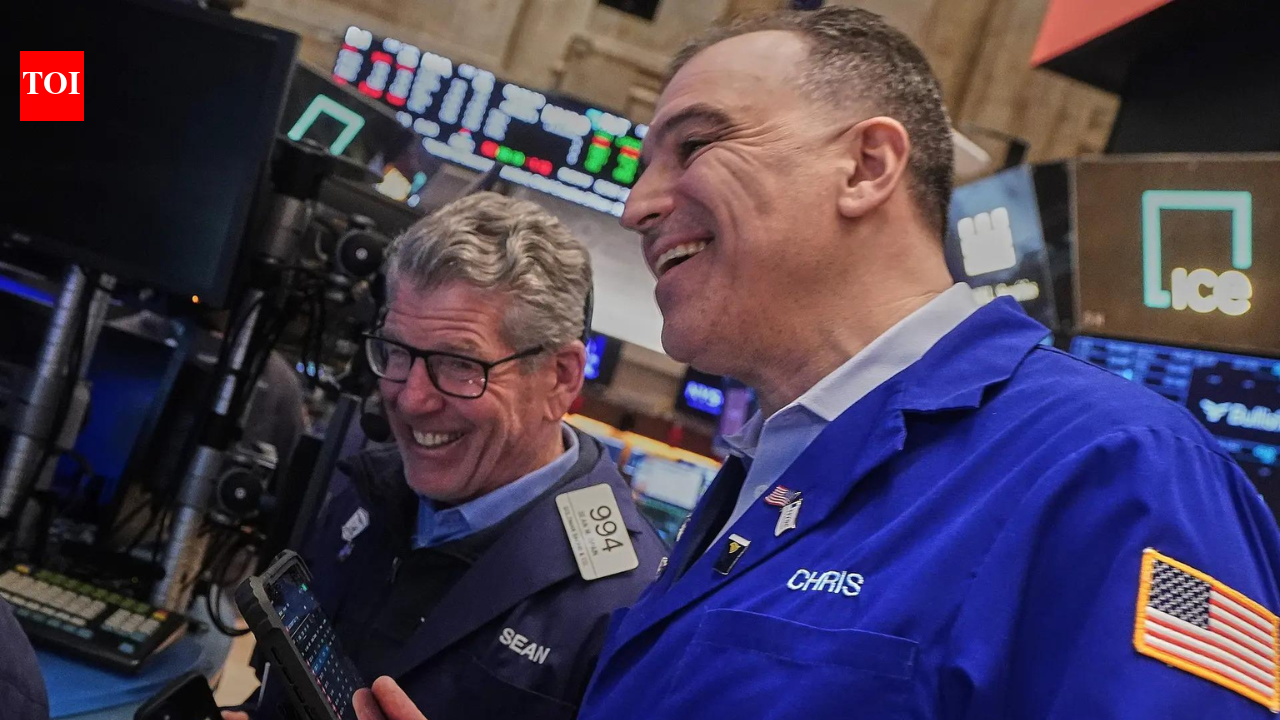
US stock markets moved higher on Friday, clawing back part of the heavy losses seen earlier in the week, as technology shares recovered and bitcoin halted its recent slide. The rebound came after several volatile sessions driven by worries over massive spending on artificial intelligence and its impact on corporate profits.The S&P 500 rose 0.9 per cent, marking only its second gain in the past eight sessions. The Dow Jones Industrial Average jumped 776 points, or 1.6 per cent, while the Nasdaq Composite was up 0.5 per cent by mid-morning trading in New York.Chipmakers led the recovery. Nvidia climbed 4.9 per cent, trimming a weekly decline of more than 10 per cent, while Broadcom gained 3.8 per cent after falling sharply earlier in the week. According to news agency AP, hopes of strong long-term demand for chips linked to artificial intelligence continued to support the sector.
AI spending worries hit Amazon
Despite the broader rebound, concerns over soaring AI investment remained. Amazon shares slumped 8.5 per cent after the company said it expects to spend around $200 billion this year on areas such as AI, chips, robotics and low-earth-orbit satellites. Similar spending plans announced earlier by Alphabet have raised questions about whether such large investments will deliver enough future profits.As per news agency AFP, investors have grown cautious after a period when enthusiasm around AI lifted much of the technology sector. Chris Low of FHN Financial said markets were now reassessing whether the sell-off had gone too far, noting that traders felt some of the recent declines may have been “overdone”.Even with Friday’s gains, the S&P 500 was still on course for its third weekly fall in four weeks.
Bitcoin stabilises, crypto stocks jump
Bitcoin showed signs of stabilising after weeks of losses that wiped out more than half its value since its October peak. The cryptocurrency recovered to around $68,000 after briefly slipping near $60,000 late on Thursday.The move helped lift shares linked to the crypto sector. Robinhood Markets surged 11.7 per cent, Coinbase Global rose 7.3 per cent, and Strategy, a company known for holding large amounts of bitcoin, jumped 15.9 per cent.
Consumers, airlines and smaller stocks gain
US consumer sentiment also provided some support. A preliminary survey from the University of Michigan showed sentiment improving slightly, defying expectations of a fall. The improvement was strongest among households that own shares.Airline stocks gained on hopes that stronger confidence would translate into more travel spending. United Airlines rose 5.4 per cent, American Airlines gained 4.6 per cent, and Delta Air Lines added 4.4 per cent.Smaller companies outperformed larger peers, with the Russell 2000 index climbing 2.3 per cent. These firms tend to be more sensitive to the strength of the US economy.In the bond market, US Treasury yields were largely steady. The yield on the 10-year Treasury held at around 4.21 per cent, unchanged from late Thursday.






Business
FPI May trade: Foreign portfolio investiors withdrew Rs 14,231 crore from Indian equities – The Times of India
Foreign portfolio investors have extended their retreat from Indian equities in May, taking their total withdrawal from the market in 2026 beyond Rs 2 lakh crore as global economic concerns continue to drag down sentiment. Data from NSDL showed FPIs have pulled out Rs 14,231 crore so far this month, adding to a year marked by persistent selling pressure. The cumulative outflow this year has now surpassed the Rs 1.66 lakh crore foreign investors withdrew during the whole of 2025. The pattern through 2026 has largely remained negative, with February standing out as the lone exception. January opened with FPIs selling equities worth Rs 35,962 crore. In February, however, foreign investors briefly reversed course, bringing in Rs 22,615 crore, their biggest monthly investment in 17 months. That momentum did not last. March recorded the sharpest reversal, with a record Rs 1.17 lakh crore exiting Indian equities. April followed with another steep outflow of Rs 60,847 crore, while May has continued the same trajectory. “The selling was largely driven by persistent global macroeconomic uncertainties, particularly concerns around inflation, interest rates and geopolitical risks, which continued to weigh on sentiment toward emerging markets,” Himanshu Srivastava, Principal, Manager Research at Morningstar Investment Research India, said. According to Srivastava, uncertainty over how global interest rates will move remains central to foreign investor behaviour. High crude oil prices and unresolved geopolitical tensions, particularly in the Middle East, have kept inflation concerns elevated worldwide, forcing investors to reassess hopes of near-term rate cuts by major central banks. This backdrop has supported firm global bond yields, increasing the appeal of developed-market debt instruments while weakening investor appetite for emerging market equities such as India. He also said intermittent weakness in the Indian rupee has affected returns for overseas investors when measured in dollar terms. Even amid sustained selling, foreign investors have not completely stepped away from Indian markets. V K Vijayakumar, Chief Investment Strategist at Geojit Investments, said FPIs have shown selective interest in segments such as power, construction and capital goods. He noted that mid-cap and certain small-cap stocks with strong earnings and growth potential are also drawing investor attention. Vijayakumar said currency depreciation and concerns around India’s earnings growth have played a significant role in shaping FPI outflows this year. He added that markets like South Korea and Taiwan are currently seeing stronger FPI interest, supported by expectations of better earnings growth linked to the artificial intelligence boom.

Campaigners are calling for a ban on the use of the weedkiller over health concerns.
Source link
Business
Aramco CEO warns 1 billion barrels lost will slow oil market recovery | The Express Tribune
Saudi energy giant posts 25% jump in quarterly profit even as Hormuz blockade chokes global oil supplies
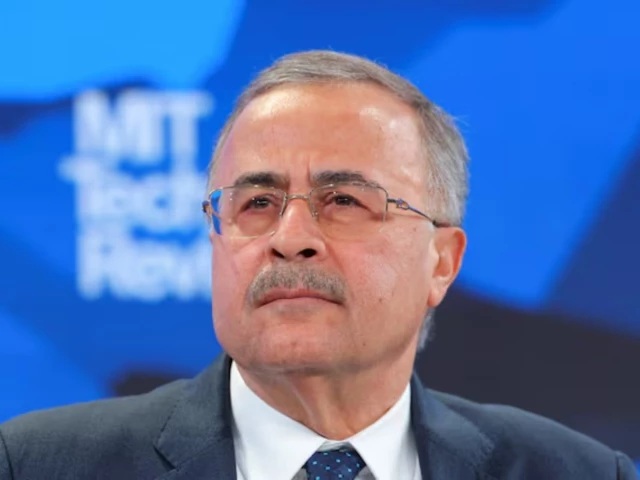
Aramco’s President and CEO Amin Nasser at the 56th annual World Economic Forum (WEF) meeting in Davos, Switzerland, on January 20, 2026. PHOTO: REUTERS
The world has lost about 1 billion barrels of oil over the past two months and energy markets will take time to stabilise even if flows resume, Saudi Aramco’s CEO said on Sunday, as shipping disruptions choke traffic through the Strait of Hormuz.
“Our objective is simple: keep energy flowing, even when the system is under strain,” Amin Nasser told Reuters in a statement after Aramco reported a 25% jump in net profit in its first-quarter.
Global energy supplies have been sharply squeezed by Iran’s blockade of the Strait of Hormuz, which has curtailed shipping and driven prices higher following the United States-Israeli war.
Read: Oil prices rise as investors weigh Middle East peace prospects
“Reopening routes is not the same as normalising a market that has been deprived of about one billion barrels of oil,” Nasser said, adding that years of underinvestment have compounded the strain on already-low global inventories.
Aramco has used its East-West Pipeline to bypass Hormuz and transport crude to the Red Sea, an asset Nasser described as a “critical lifeline” to mitigate the global supply crisis.
Despite shifts in shipping routes, Nasser reiterated that Asia remained a key priority for the company and was central to global demand.
Read More: Hormuz: the chokehold that shook the world
In March, Aramco warned of “catastrophic consequences” for the world’s oil markets if the Iran war continues to disrupt shipping in the Strait of Hormuz. Nasser stated that the longer the disruption goes on “the more drastic the consequences for the global economy.”
Further, he had stated, “While we have faced disruptions in the past, this one by far is the biggest crisis the region’s oil and gas industry has faced.”


Martin Short: Facing tragedy with joy

Main Marka-e-Haq ceremony gets underway at Pakistan Monument

Jacob Fatu unleashes vicious assault on Roman Reigns after World Heavyweight Championship loss at WWE Backlash

-

 Politics7 days ago
Iran weighs US reply delivered via Pakistan as Trump signals opposition to deal terms
-

 Fashion1 week ago
US’ J.Jill, Inc. appoints Kimberly Wallengren as CMO
-

 Fashion1 week ago
AAFA pushes for swift US House passage of key anti-counterfeiting law
-

 Fashion1 week ago
US cotton export sales show strong recovery, Upland rise 36%
-

 Sports1 week ago
Sajid Ali Sadpara summits world’s fifth-highest peak
-
 Business1 week ago
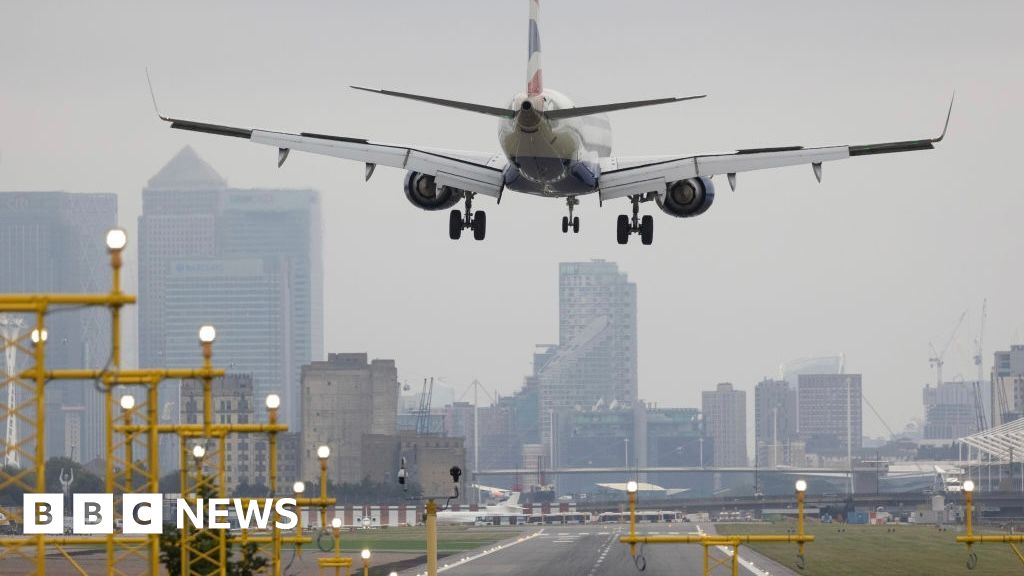
UK airlines to be allowed to cancel flights in advance over fuel shortages
-

 Politics1 week ago
Two women die on migrant boat seeking to reach UK
-

 Fashion1 week ago
ICE cotton witnesses sharp rise on weaker dollar, strong exports