

Business
FPI Inflows Hit Rs 19,675 Cr In First 15 Days Of Feb On US-India Trade Boost

Last Updated:
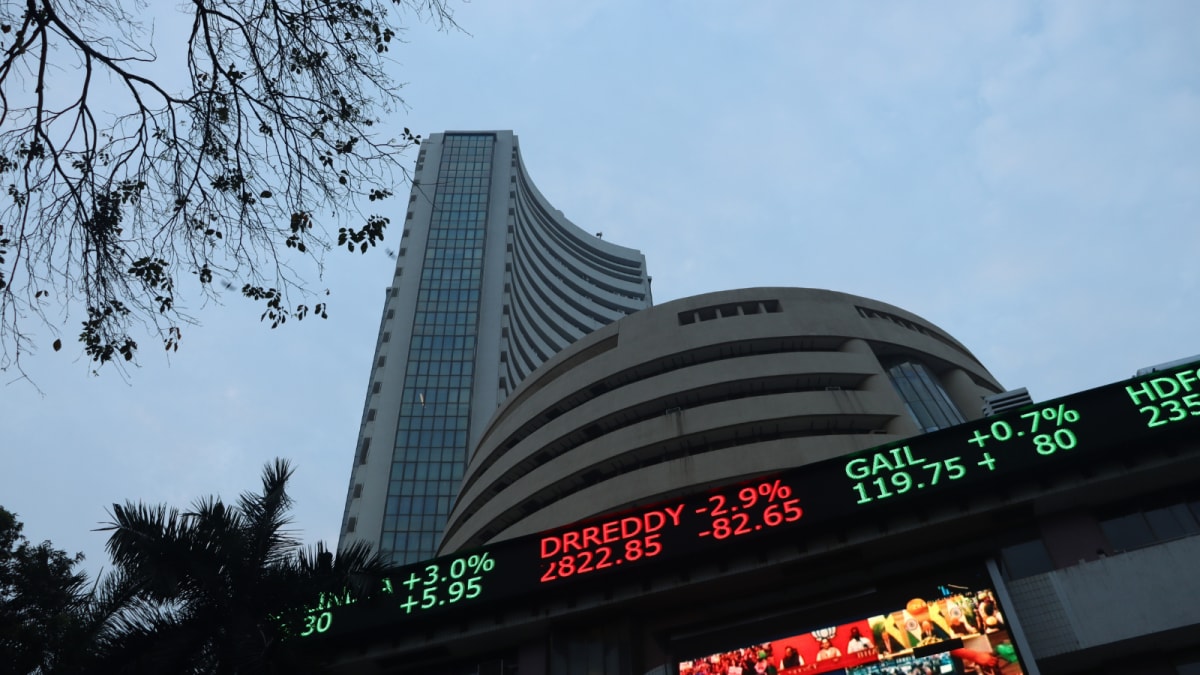
Foreign Portfolio Investors put Rs 19,675 crore into Indian equities in early February, ending three months of selling amid global cues and a US-India trade pact.




US-India trade deal hopes lift FPI inflows to Rs 19,675 cr in early Feb
Foreign Portfolio Investors Reverse Trend With Rs 19,675 Crore February Buying: Foreign Portfolio Investors (FPIs) made a notable comeback in early February, infusing Rs 19,675 crore into Indian equities during the first half of the month, aided by improving global conditions and the US-India trade agreement.
This marks a clear shift after three consecutive months of net selling. Depository data shows FPIs withdrew Rs 35,962 crore in January, Rs 22,611 crore in December, and Rs 3,765 crore in November.
Even with the renewed buying in February, the broader trend for 2025 remains negative. So far this year, foreign investors have pulled out a net Rs 1.66 lakh crore (USD 18.9 billion) from Indian equities, making it one of the weakest periods for overseas inflows in recent times. Currency volatility, global trade tensions, concerns over potential US tariffs, and elevated valuations had weighed heavily on flows earlier.
Global Cues And Domestic Stability Support Recovery
Himanshu Srivastava, Principal Manager–Research at Morningstar Investment Research India, as quoted by PTI, said the latest inflows were largely driven by easing global macro pressures. Softer US inflation data improved expectations around the interest rate cycle, helping stabilise bond yields and the US dollar. This, in turn, enhanced investor appetite for emerging markets such as India.
On the domestic front, stable inflation, resilient macro indicators, and corporate earnings largely in line with expectations strengthened confidence in India’s economic trajectory, he noted.
Vaqarjaved Khan, Senior Fundamental Analyst at Angel One, also attributed the renewed interest to the US-India trade pact, the growth-oriented Union Budget 2026, easing global trade uncertainties, and steady domestic interest rates.
Volatility Persists Despite Net Buying Days
FPIs were net buyers in seven out of eleven trading sessions in February up to the 13th, turning sellers on four occasions. However, cumulative data indicates a net equity outflow of ₹1,374 crore so far this month.
The divergence was largely due to a sharp sell-off of Rs 7,395 crore on February 13, when the Nifty dropped 336 points. The period also witnessed substantial selling in IT stocks amid the so-called “Anthropic shock.” VK Vijayakumar, Chief Investment Strategist at Geojit Investments, said as quoted by PTI, foreign investors likely reduced exposure to IT stocks aggressively in the cash market, as the IT index fell 8.2 percent in the week ended February 13.
(With PTI Inputs)
 Click here to add News18 as your preferred news source on Google.
February 15, 2026, 16:54 IST
Read More





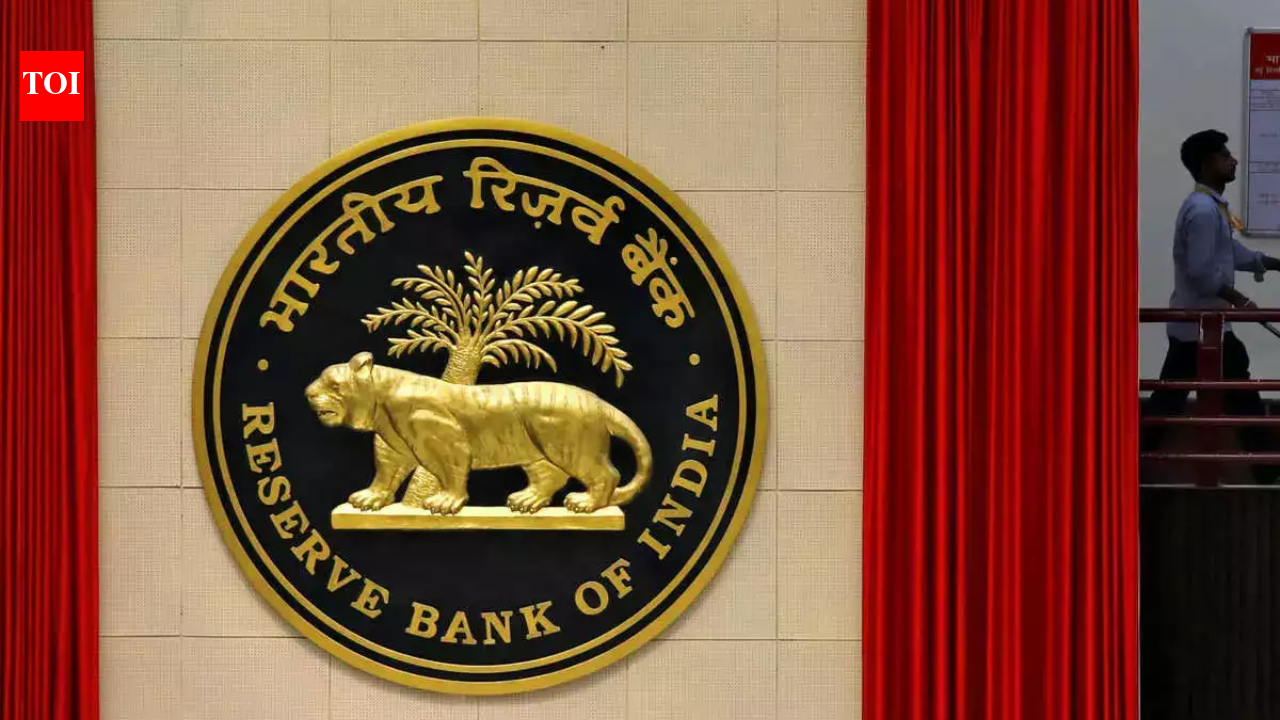
The Reserve Bank of India (RBI) on Monday decided against activating the countercyclical capital buffer (CCyB), indicating that current financial and credit conditions do not warrant an additional capital requirement for banks, PTI reported.The central bank said the decision followed a review and empirical assessment of indicators used under the CCyB framework.“Based on review and empirical analysis of CCyB indicators, it has been decided that it is not necessary to activate CCyB at this point in time,” RBI said in a statement.Under the RBI (Commercial Banks – Prudential Norms on Capital Adequacy) Directions, 2025, the CCyB framework is activated when financial conditions indicate rising systemic risks linked to excessive credit growth.The framework primarily relies on the credit-to-GDP gap as a key indicator, along with supplementary metrics.According to the RBI, the CCyB mechanism is intended to serve two broad objectives.Firstly, it requires a bank to build up a buffer of capital in good times, which may be used to maintain the flow of credit to the real sector in difficult times.Secondly, it achieves the broader macro-prudential goal of restricting the banking sector from indiscriminate lending in the periods of excess credit growth that have often been associated with the building up of system-wide risk.The framework was introduced globally after the 2008 financial crisis as part of measures proposed by the Group of Central Bank Governors and Heads of Supervision (GHOS) under the Basel framework to strengthen financial system resilience.

The company has announced plans to build seven new models in Europe including a small electric hatchback.
Source link

“Today’s policymaking is constrained by a more volatile external environment with more frequent and overlapping shocks, a rising public interest bill, in part reflecting market concerns with countries’ elevated debt, and the long-standing challenge of weak productivity growth,” he said.


Turkiye’s current account deficit expected to widen in 2026: Minister

UK’s clothing imports fall 3% in Q1, sharply lower than Q4 2025
RBI sees no signs of excess credit risk, keeps countercyclical capital buffer inactive

-

 Entertainment6 days ago
Conan O’Brien hat tricks as Oscar host
-

 Tech1 week ago
Could Contact-Tracing Apps Help With the Hantavirus? Not Really
-

 Fashion5 days ago
Italy’s Zegna Group’s Q1 growth boosted by strong organic performance
-

 Sports1 week ago
Bobby Cox, legendary Atlanta Braves manager who led 1995 World Series champions, dead at 84
-

 Entertainment1 week ago
Martin Short: Facing tragedy with joy
-

 Entertainment1 week ago
Tom Brady gets back at Kevin Hart during Netflix roast
-

 Sports1 week ago
Jacob Fatu unleashes vicious assault on Roman Reigns after World Heavyweight Championship loss at WWE Backlash
-

 Entertainment1 week ago
Martha Stewart: How to make an omelet