

Business
Centrica boss picks up £3.6m in bonuses and share awards despite profits plunge

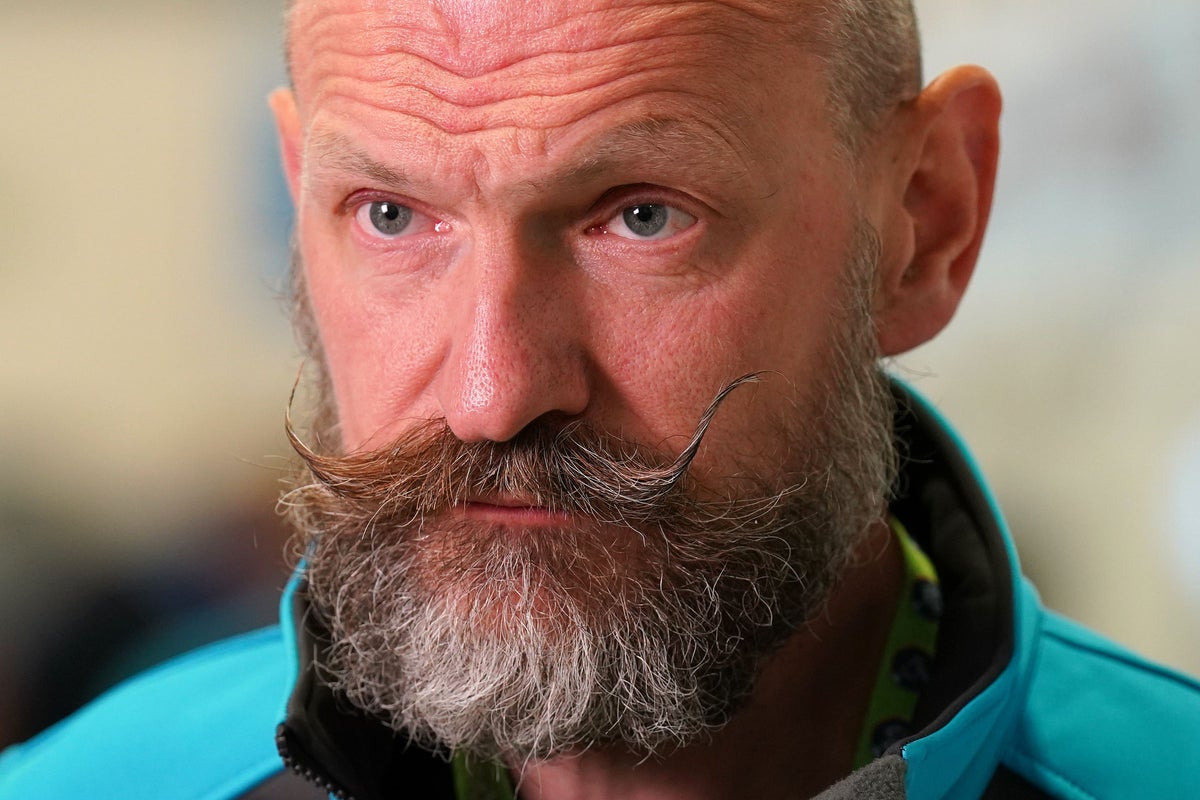
British Gas owner Centrica has revealed its boss landed £3.6 million in bonuses and share awards last year despite seeing earnings nearly halve.
The power giant’s annual report revealed chief executive Chris O’Shea picked up a £1.4 million annual bonus and £2.2 million in long-term share awards for 2025, on top of his £1.04 million salary.
The payouts come in spite of full-year results also out on Thursday showing Centrica’s underlying earnings slumped to £814 million last year, down from £1.55 billion in 2024, as its household supply arm was knocked by an £80 million warm weather hit.
Earnings in its household energy supply business tumbled 39% to £163 million as warmer weather meant customers turned down their central heating thermostats, and as customers switched to cheaper fixed tariff deals.
Mr O’Shea’s total pay package stood at £4.73 million for 2025, down from £5.08 million in 2024, according to the report.
The hefty bonuses for Centrica’s top boss also come despite a shareholder rebellion at last year’s annual general meeting, when nearly 40% of shareholders voted against the board’s pay plans.
Mr O’Shea has courted controversy with his pay in recent years, having previously admitted there was “no point” trying to justify an £8.2 million package in 2023.
The latest report showed he will also see his pay increase by 3% to £1.13 million a year from April 1, adding that the wider 22,000-strong workforce will also have average pay rises of 3% to 4%.
His ratio of pay when compared with the average employee salary at Centrica stood at 71:1 last year.
In its latest annual report, Centrica said: “The committee believes that the adjustments to Chris O’Shea’s remuneration in 2025 aligned with competitive market rates given the size and complexity of Centrica.
“Chris’ performance and experience over the last five years since his appointment as the group chief executive warrants positioning his pay between the median and upper quartile of other CEOs in the FTSE 100.”
Shares in the firm fell 5% in Thursday afternoon trading, having dropped as much as 10% earlier in the day after revealing in full-year results that it was pausing share buybacks to prioritise an investment programme.
Mr O’Shea said: “The environment has been challenging, and performance has varied across the business.
“However, we have remained disciplined, delivering strong operational performance and achieving customer growth across all our retail businesses simultaneously for the first time in over a decade.”
He added: “Pausing the buyback enables us to prioritise investment that creates lasting value for shareholders, while continuing to deliver the reliable, affordable energy that households and businesses need to power economic growth through the transition.”
It saw UK and Ireland household customer numbers increase by 1% to 7.96 million over the year, with 7.5 million in the UK, though this was boosted by 91,000 after taking on the customer base of failed suppliers Rebel Energy and Tomato Energy last year.
The gains from the two collapsed suppliers “offset a small decrease in underlying customers”, it said.
British Gas was last year overtaken by rival Octopus Energy as the UK’s largest household energy supplier.
Cornwall Insight this week forecast a 7% reduction in Ofgem’s energy price cap when the next quarterly change is announced next Wednesday, with a predicted reduction of £117 to £1,641 a year for a typical dual fuel household from April 1.
This follows the announcement last November by Chancellor Rachel Reeves that £150 would be cut from the average household bill from April by scrapping the Energy Company Obligation scheme introduced by the Tories in government.
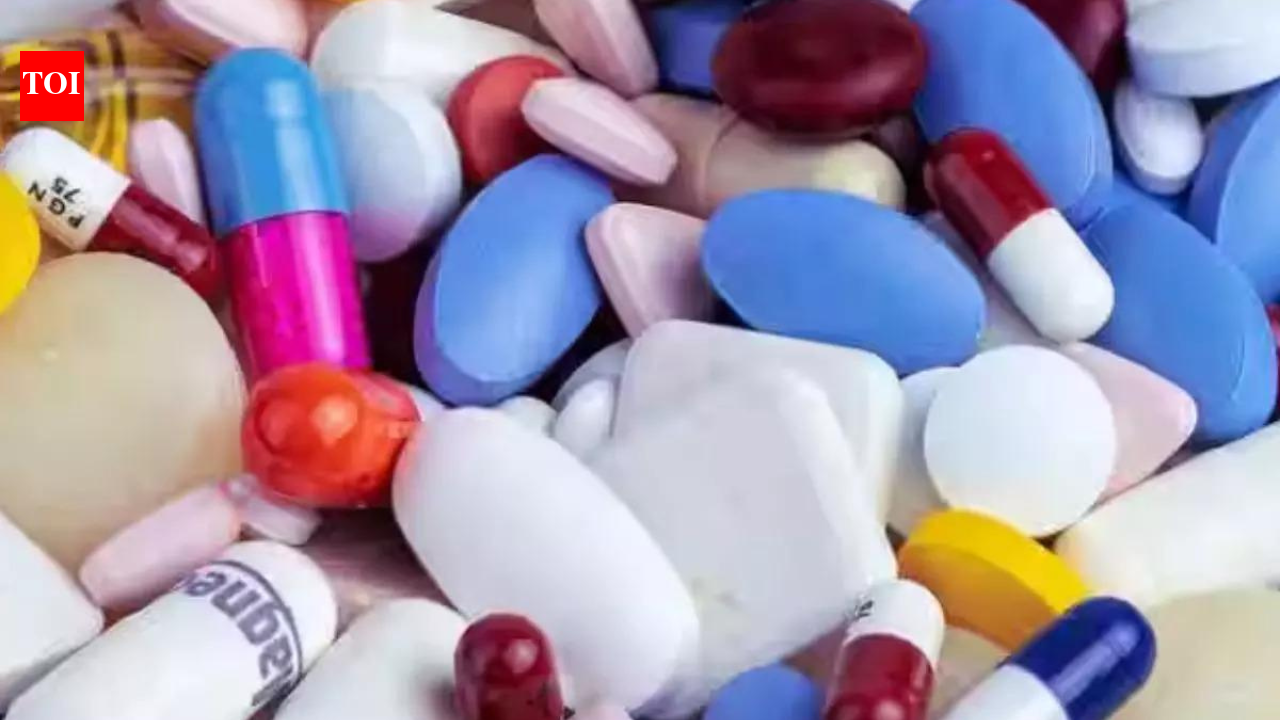
Hyderabad: Aurobindo Pharma’s board on Monday approved a Rs 800 crore share proposal to buy back up to 54.23 lakh fully paid-up equity shares of the company of face value Rs 1 each at Rs 1,475 a share.The proposed buyback, which is subject to regulatory and statutory approvals, represents up to 0.93% of the total number of equity shares in the company’s total paid-up equity share capital.The Hyderabad-based generics drug maker informed the bourses that April 17, 2026, has been fixed as the record date to determine shareholder eligibility and entitlement for the buyback, which will be carried out through the tender offer route on a proportionate basis, in line with SEBI’s Buyback Regulations and the Companies Act.All eligible equity shareholders, including promoters and promoter group entities holding shares on the record date, will be entitled to participate in the offer for which the company has already constituted a buyback committee.The company also said the board or buyback committee may increase the buyback price and correspondingly reduce the number of shares to be bought back up to one working day before the record date but the overall size will remain unchanged.The Rs 800 crore buyback size excludes transaction costs and related expenses such as brokerage, taxes, filing fees, legal charges and publication expenses, it said.The latest buyback comes less than two years after the last buyback offer aggregating to Rs 750 crore that was made at Rs 1,460 a piece in August 2024 by the company.As of December 31, 2025, promoters and promoter group entities held 51.82% stake in the company, mutual funds 19.52%, foreign portfolio investors 13.94%, insurance companies 5.50%, and public shareholders and others 7.93%.
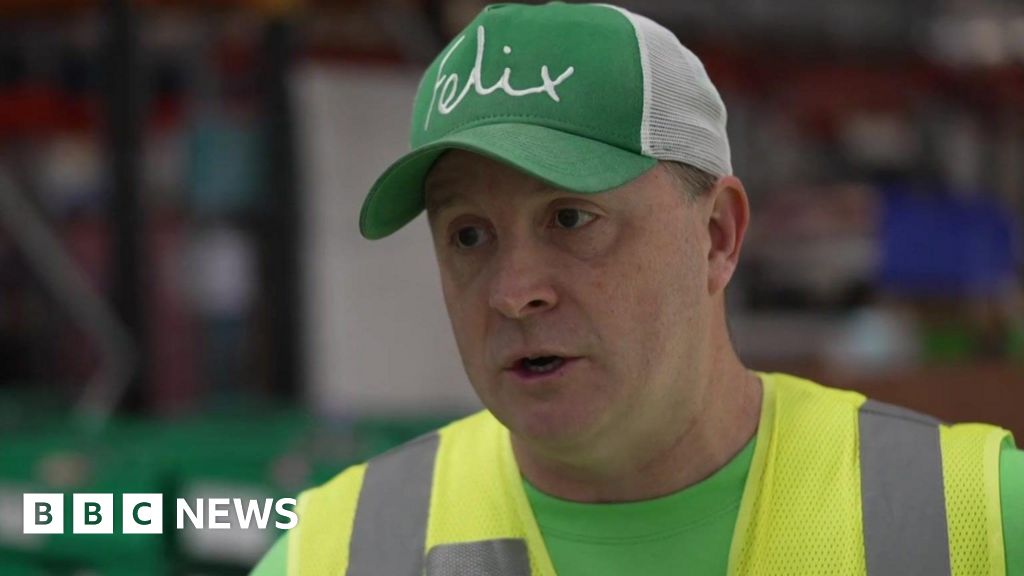
The Felix Project is among the organisations feeling the effects of increased costs due to the conflict in Iran.
Source link
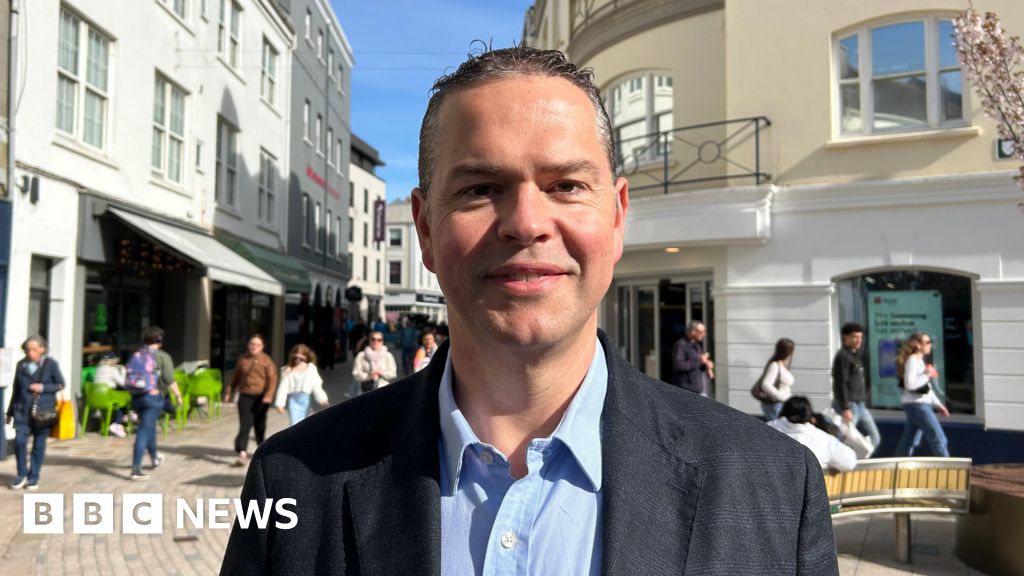
Bosses say a good start to the year has been put at risk, but opportunities have also emerged.
Source link


Sportswear giants bet on India as US, EU markets slow

Taylor Swift, Travis Kelce wedding date rumor spirals, planner breaks silence
Aurobindo Pharma gets board nod for Rs 800 crore share buyback plan – The Times of India

-

 Sports1 week ago
USMNT handed reality check by Doku, Belgium ahead of World Cup
-

 Sports1 week ago
2026 NCAA men’s hockey tournament: Schedule, results
-
Uncategorized4 days ago
[CinePlex360] Please moderate: “Trump signals p
-
Uncategorized7 days ago
[CinePlex360] Please moderate: “Further tariff
-

 Entertainment3 days ago
Joe Jonas shares candid glimpse into parenthood with Sophie Turner
-

 Tech3 days ago
Our Favorite iPad Is $50 Off
-
 Entertainment1 week ago
The Avett Brothers’ bassist explains why he wrote a book about John Quincy Adams
-

 Sports1 week ago
Man City show why they are worthy WSL title winners as tired United wilt