

Business
‘Buy America’ to ‘bye America’: Why investors are looking beyond US stocks – The Times of India

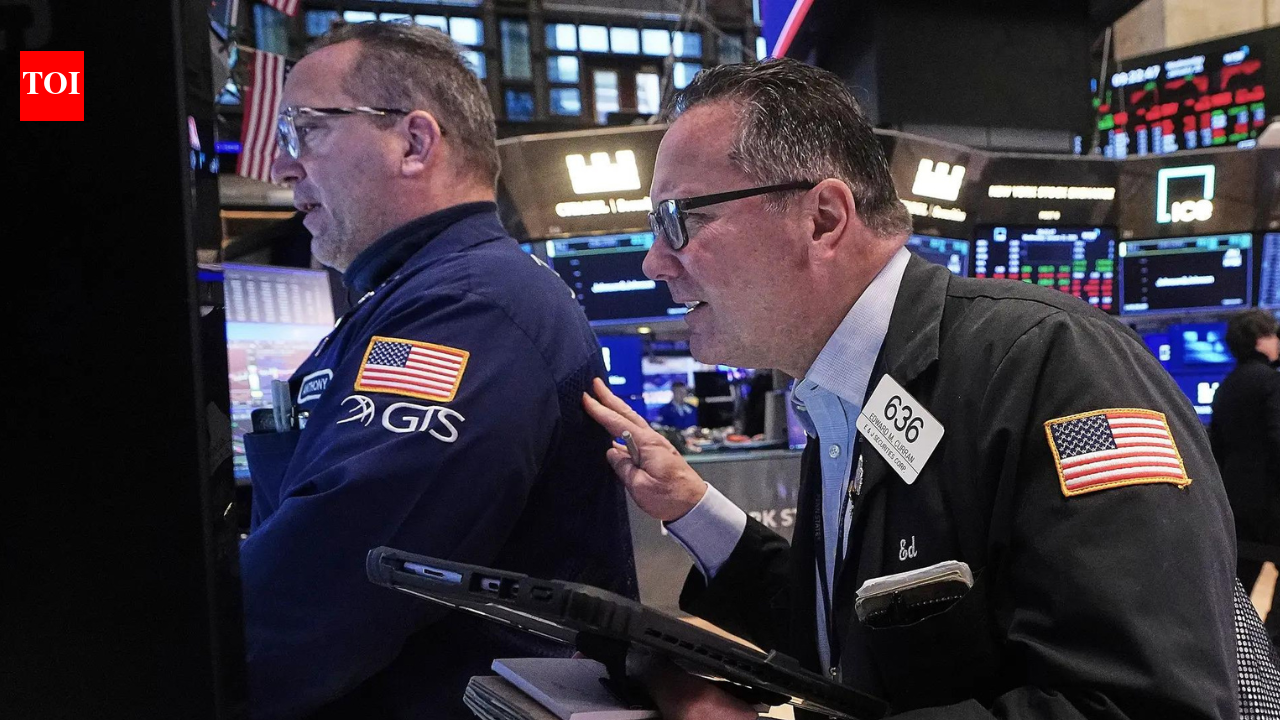
US investors are increasingly moving money out of domestic equities and into overseas markets, signalling a shift away from the long-dominant “buy America” trade as returns from Big Tech moderate and global markets outperform.Data from LSEG/Lipper shows US-domiciled investors have withdrawn about $75 billion from US equity products over the past six months, including $52 billion since the start of 2026 — the largest outflow in the first eight weeks of a year since at least 2010, news agency Reuters reported.The trend reflects growing diversification by American investors, even as a weaker dollar makes overseas investments more expensive. Analysts say the shift mirrors earlier moves by global investors who had already begun reducing exposure to US assets.Since the global financial crisis in 2009, strong economic growth and technology-sector dominance helped US equities deliver outsized gains, reinforcing the “buy America” investment strategy. More recently, the artificial intelligence boom pushed the S&P 500 to record highs last year, cushioning markets despite policy uncertainty linked to President Donald Trump’s trade and diplomatic approach.
Investors look beyond US tech dominance
Rising concerns over AI-related risks and elevated valuations of megacap technology stocks have prompted investors to reassess opportunities abroad. Bank of America’s February fund manager survey showed investors rotating from US equities into emerging markets at the fastest pace in five years.“I’ve had lots of conversations with our wealth business in the U.S. this year,” said Gerry Fowler, UBS’s head of European equity strategy and global derivatives strategy. “They’re all talking about investing more offshore because at the end of the year, they looked at the performance of foreign markets in dollars and they’re like, wow, I’m missing out.”So far this year, US investors have invested about $26 billion into emerging-market equities, with South Korea attracting $2.8 billion and Brazil $1.2 billion, according to LSEG/Lipper data.The dollar has declined roughly 10% against a basket of currencies since last January, partly reflecting policy developments under the Trump administration. While this raises the cost of overseas investments, stronger foreign market performance can enhance dollar-denominated returns.Over the past 12 months, the S&P 500 has gained around 14%, compared with a 43% rise in Tokyo’s Nikkei index, a 26% jump in Europe’s STOXX 600, a 23% return from Shanghai’s CSI 300 and a doubling in South Korea’s KOSPI index.
Valuation gap drives global rotation
Investors are increasingly rotating away from high-growth technology stocks towards industrial and defensive sectors, which are more prominent in markets such as Germany, the UK, Switzerland and Japan.Laura Cooper, global investment strategist at Nuveen, told Reuters that the shift reflects a broader reassessment of valuations. “Increasingly we are seeing U.S. investors look at the global landscape from a valuation perspective,” she said, highlighting cyclical growth momentum in Europe and Japan.European banking stocks surged 67% last year and have risen another 4% so far in 2026, illustrating renewed interest in cyclical sectors.US equities continue to trade at higher valuations, with the S&P 500 valued at roughly 21.8 times expected earnings, compared with about 15 times in Europe, 17 times in Japan and 13.5 times in China.Kevin Thozet, portfolio adviser at Carmignac, said flows of US capital into Europe have accelerated since mid-2025. Since Trump’s inauguration last January, US investors have channelled nearly $7 billion into European equity funds, reversing earlier outflows recorded during his first term.“If I’m taking a very long-term view, it’s, maybe, this idea of a great global rotation,” Thozet said.(Disclaimer: Recommendations and views on the stock market, other asset classes or personal finance management tips given by experts are their own. These opinions do not represent the views of The Times of India)
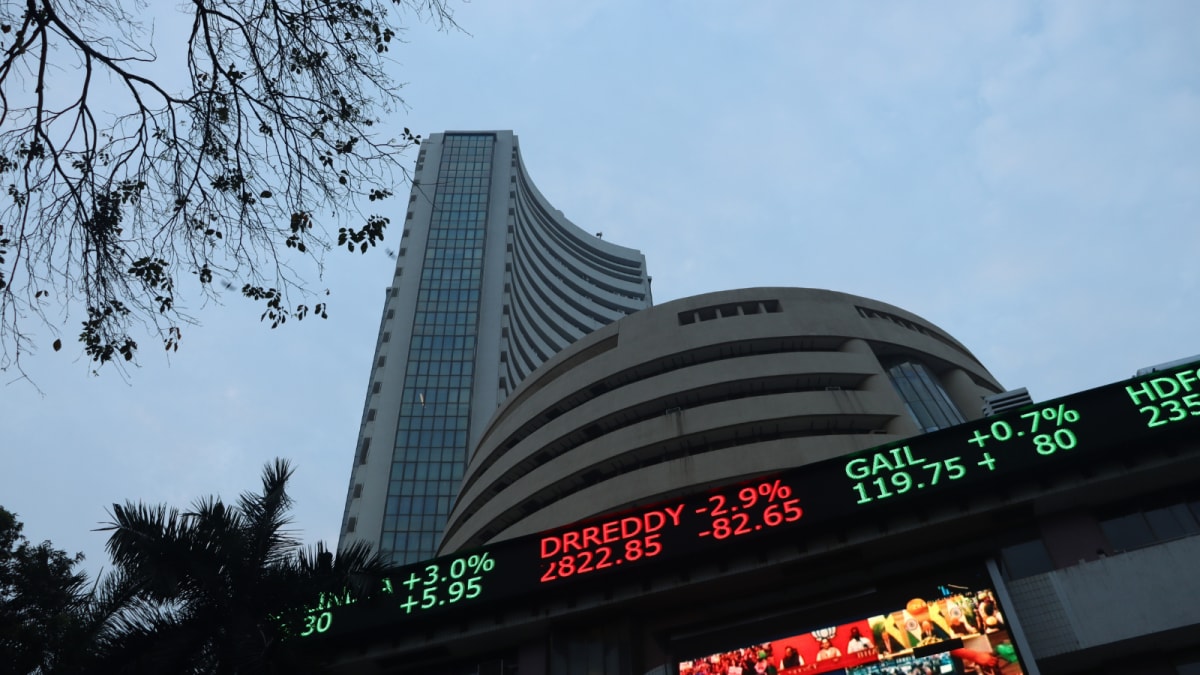

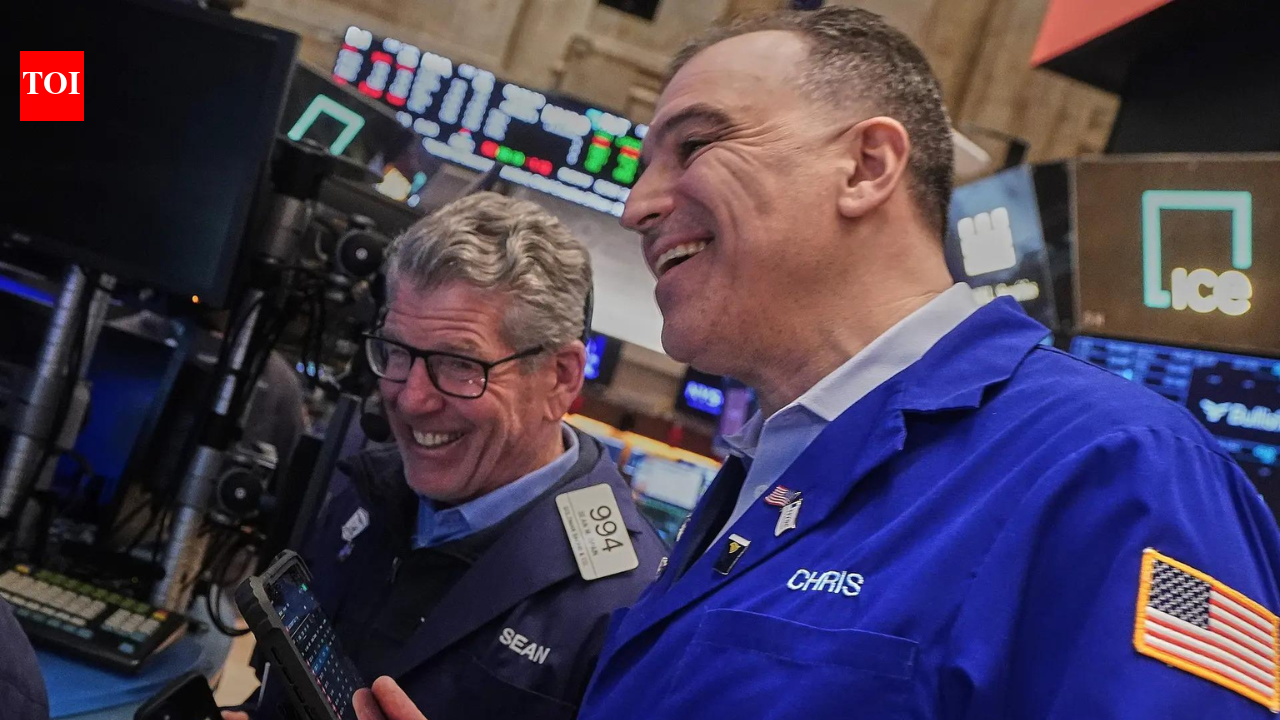




Importers are in line for tariff refunds. But whether everyone who paid the for the tariffs will get money back is a trickier question.
Source link

Somerset councillor Heather Shearer said: “One thing the Crisis Resilience Fund wants us to do is not just support people in crisis, it also wants us to work in our community, give more strength and support for the organisations who already support our families.”
The platforms have grown in popularity, with some users making bets on global events.
Source link


Spring/Summer stockpile: Discounts loom amid war delays
He paid $248 in illegal tariffs for this coat. Will he ever get it back?

Bangladesh garment exports down, March sees steeper drop

-
 Business1 week ago
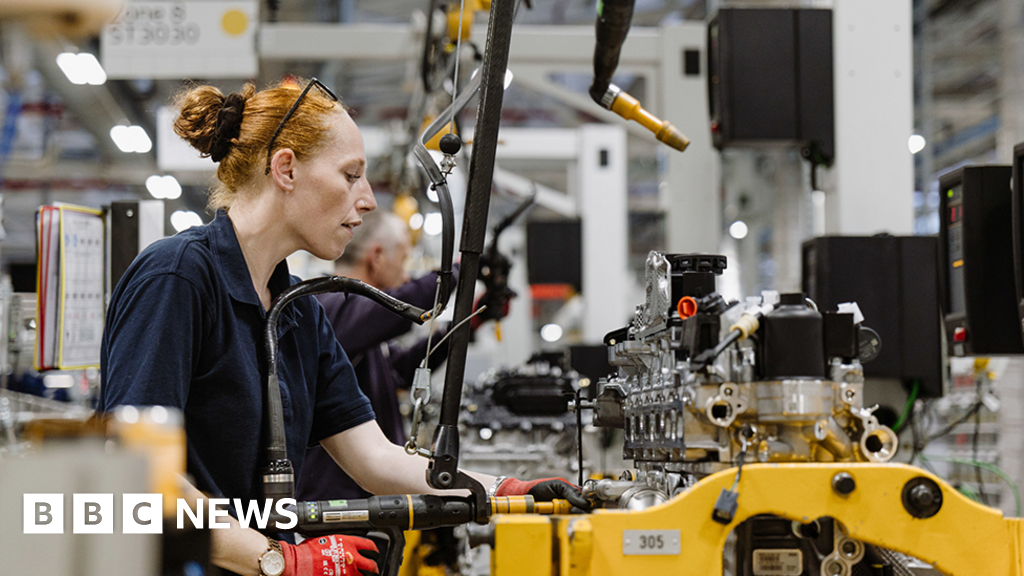
Jaguar Land Rover sees sales recover after cyber attack
-
Uncategorized1 week ago
[CinePlex360] Please moderate: “Trump signals p
-

 Entertainment7 days ago
Joe Jonas shares candid glimpse into parenthood with Sophie Turner
-

 Tech6 days ago
Our Favorite iPad Is $50 Off
-

 Sports6 days ago
UConn Final Four run could trigger a $50M furniture giveaway for Massachusetts-based Jordan’s Furniture
-

 Entertainment6 days ago
Blake Lively reacts to harassment claims dismissal against Justin Baldoni
-
 Business7 days ago
Video: Why Is the Labor Market Stuck?
-

 Politics7 days ago
Iran can sustain Strait of Hormuz closure for years, will cut US military logistics: Official