

Fashion
NITMA urges GST council to fix inverted textile duty as US tariffs hit

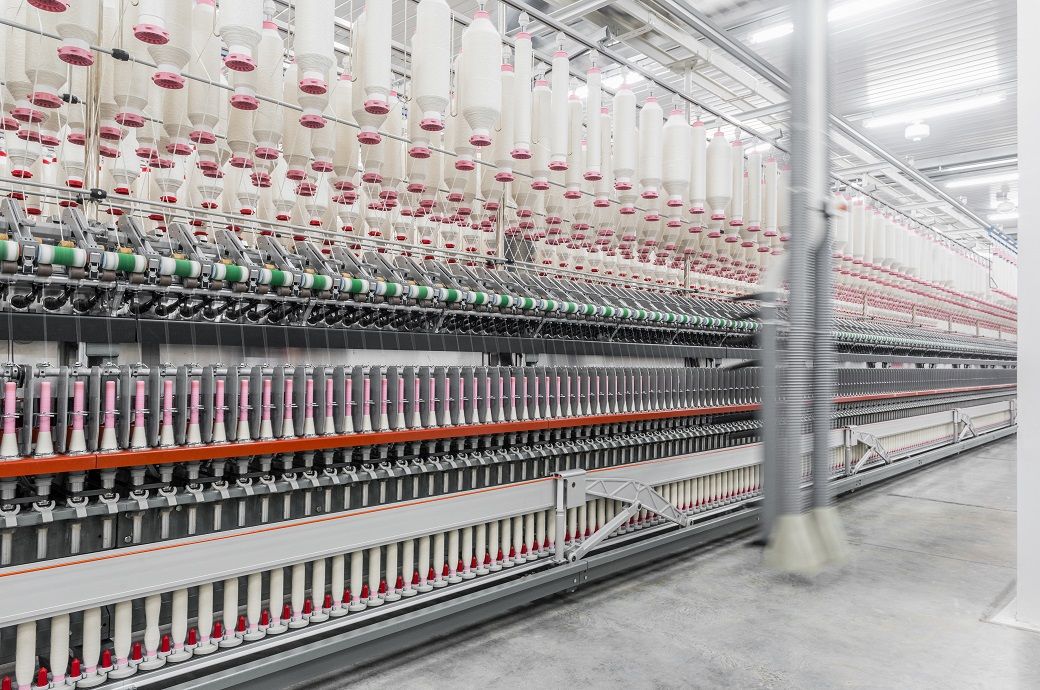
NITMA president Sidharth Khanna warned that the current inverted duty structure—where polyester staple fibre (PSF) is taxed at 18 per cent and polyester spun yarn (PSY) at 12 per cent while fabric is at 5 per cent—is unworkable for spinners. He urged a cut in PSF and PSY rates to 5 per cent to align with fabric.
India’s textile sector is under strain as steep US tariffs take effect today.
The Northern India Textile Mills Association (NITMA) has urged the GST Council, meeting on September 3–4, 2025, to address the inverted duty structure in the man-made fibre value chain by reducing GST on polyester staple fibre (18 per cent) and polyester spun yarn (12 per cent) to 5 per cent, aligning with fabric.
According to Khanna, the present system burdens the industry with blocked working capital in GST refunds, unutilised input tax credits, administrative delays, loss of state SGST incentives, and unfair competition from imports.
“This is a critical moment for India’s textile sector. Decisive action to remove the inverted duty structure will not only counteract the impact of US tariffs but also unlock growth and investment across the MMF value chain, thereby making this event a blessing in disguise,” Khanna stressed.
Fibre2Fashion News Desk (KD)








The package establishes a modern framework for both sides, enabling frictionless access to a market of 460 million consumers in key sectors, delivering economic benefits to both parties.
European Commission President Ursula von der Leyen and Swiss President Guy Parmelin yesterday signed a broad package of agreements aimed at deepening and expanding EU-Switzerland ties.
By aligning standards and rules in closely integrated areas, it will provide legal certainty, simplify trade in goods like medical devices and food products, and ease cross-border supply for businesses on both sides.
By aligning standards and rules in closely integrated areas, it will provide legal certainty, simplify trade in goods like medical devices and food products, and ease cross-border supply for businesses on both sides of the border.
Additionally, it will ensure more consistent rules for individuals who live, work or study across the EU-Swiss border. Switzerland will contribute to the development of legislation in the areas covered by the package and will have the opportunity to influence these rules as they are being designed.
“By modernising and deepening our ties across key sectors, from trade and transport to health and energy—we are strengthening legal certainty, fostering innovation and creating new opportunities for our citizens and businesses,” von der Leyen said in a release from the Commission.
The package includes updates to four already existing agreements, which already give Switzerland access to the EU internal market, regarding air transport, land transport, the free movement of persons and mutual recognition of conformity assessment.
New agreements on food safety, electricity, health and Switzerland’s participation in the EU Agency for the Space Programme were signed. A new agreement introduced a permanent and fair financial contribution by Switzerland to economic and social cohesion within the EU.
Apart from a protocol on parliamentary cooperation, the package includes also a joint declaration on the establishment of a high-level dialogue on the broad bilateral package.
Fibre2Fashion News Desk (DS)

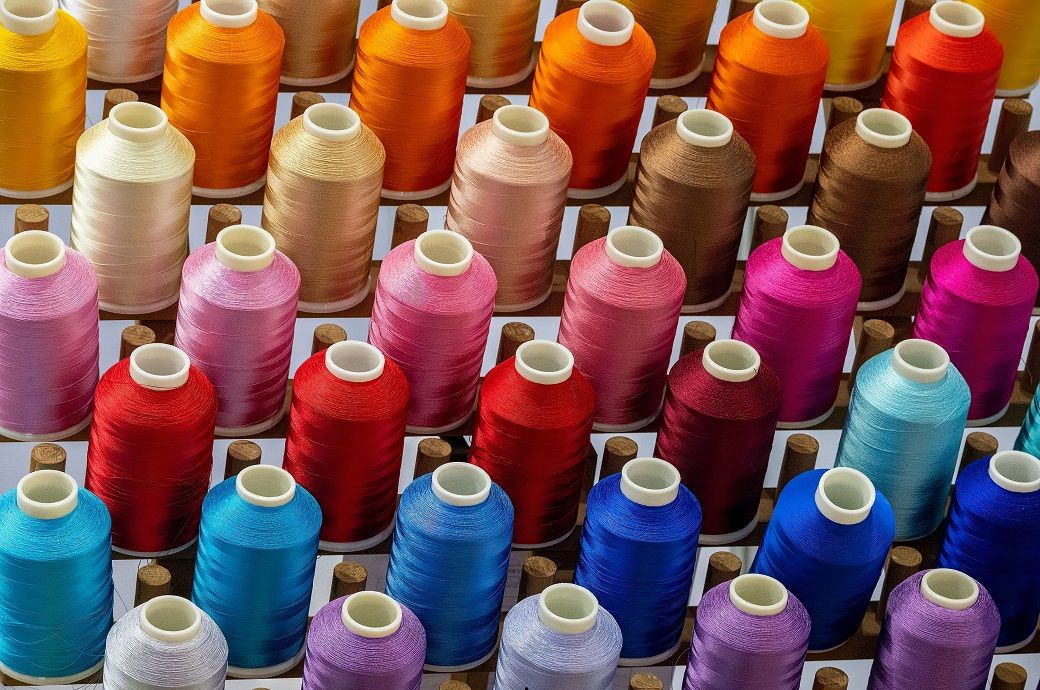
Following earlier increases in purified terephthalic acid (PTA), melt and PSF, Indian producers have now raised PFY prices. POY, FDY and PTY prices have been increased by ****;* per kg across all deniers and lustres with effect from March *, reflecting rapid cost pass-through amid heightened volatility in crude-linked value chains, according to the market sources.
In the previous weekly revision effective February **, ****, PTA was increased by ****;*.** per kg to ****;**.** per kg, while monoethylene glycol (MEG) was retained at ****;**.** per kg. Polyester melt prices were raised by ****;*.** per kg to ****;**.** per kg. Downstream PSF prices were also revised upward by ****;*.** per kg from March *.


European Commission, Switzerland sign broad package of agreements

Liverpool lose 9th of season in ‘same old story,’ Slot says

Asia stocks fall for third day, oil edges up as markets track Iran war

-
 Politics6 days ago
What are Iran’s ballistic missile capabilities?
-

 Politics6 days ago
US arrests ex-Air Force pilot for ‘training’ Chinese military
-
 Business1 week ago
Households set for lower energy bills amid price cap shake-up
-

 Sports1 week ago
Top 50 USMNT players of 2026, ranked by club form: USMNT Player Performance Index returns
-
 Business5 days ago
Attock Cement’s acquisition approved | The Express Tribune
-

 Fashion5 days ago
Policy easing drives Argentina’s garment import surge in 2025
-

 Sports6 days ago
Sri Lanka’s Shanaka says constant criticism has affected players’ mental health
-
 Business1 week ago
Lucid widely misses earnings expectations, forecasts continued EV growth in 2026