

Business
PTA suspends licences of five LDI operators over unpaid dues | The Express Tribune

ISLAMABAD:
The Pakistan Telecommunication Authority (PTA) has suspended the licences of five Long Distance and International (LDI) telecom operators for failing to pay government dues amounting to billions of rupees.
LDI operators collectively owe Rs80 billion to the government. This includes Rs24 billion in principal and Rs56 billion in late payment surcharges, which have accumulated over the years.
In an attempt to avoid payment, the operators filed multiple writ petitions in court, arguing that the PTA lacked the legal authority to demand these charges.
However, the court ruled that the petitions were not maintainable. Following the court’s dismissal of the cases, the PTA proceeded to suspend the licences of the five LDI operators.
The PTA conducted individual hearings for each of the five companies to address the issue of outstanding dues, but the operators failed to provide any concrete commitment toward payment.
The PTA has issued separate orders for each of the five defaulting LDI companies, instructing all cellular mobile operators to immediately terminate telecommunication services to them. Class Value-Added Service (CVAS) licence holders have also been directed to cease all services to these firms without delay.
According to official data, out of a total of 13 LDI operators, licences for four companies were renewed in 2024. Licences for seven others expired the same year, while the remaining two are set to expire in 2025 and 2026, respectively.
Heineken has announced a substantial investment exceeding £44 million into hundreds of its pubs across the UK, a move expected to create approximately 850 jobs.
The Dutch brewing giant’s Star Pubs operation, which manages 2,350 sites nationwide, is undertaking this significant financial commitment despite a challenging period for the pub sector.
The industry has faced considerable pressure over the past year, grappling with escalating labour costs and increases in national insurance contributions.
Concurrently, consumer spending has been constrained by concerns over inflation and rising unemployment, further impacting pub revenues. However, pubs did receive additional business rates support from the government last month, aimed at alleviating some of these financial burdens.
Lawson Mountstevens, managing director of Star Pubs, indicated that the investment strategy is partly designed to bolster revenues and help the group navigate the recent “sustained increases in running costs”.
This year, £44.5 million will be allocated to upgrades for 647 pubs. A notable 108 of these venues are earmarked for particularly significant cash injections, with each transformation costing at least £145,000.
Heineken clarified that while the majority of its pubs are group-owned, they are independently operated by local licensees. A key focus for this investment, particularly in the lead-up to the 2026 football World Cup, will be on sports-focused venues.
The pub firm and brewer has a history of significant investment in British pubs, having pumped £328 million into the sector since 2018. Work has already commenced at 52 locations, including eight projects dedicated to reopening boarded-up pubs that have endured lengthy closures.
Mr Mountstevens also urged the government to reduce the tax burden on pubs, arguing it would ease cost pressures and foster further job creation within the industry.
He stated: “We can only do so much; the root-and-branch reform of business rates that the industry has been calling for over many years is urgently required, as well as a lowering of the burden of taxation on pubs, including VAT and beer duty.”
He concluded with a direct appeal: “We are calling on the Government to support us in bringing out the best in the Great British pub.”
GameStop’s boss Ryan Cohen says he sees potential to make eBay a much bigger rival to Amazon.
Source link
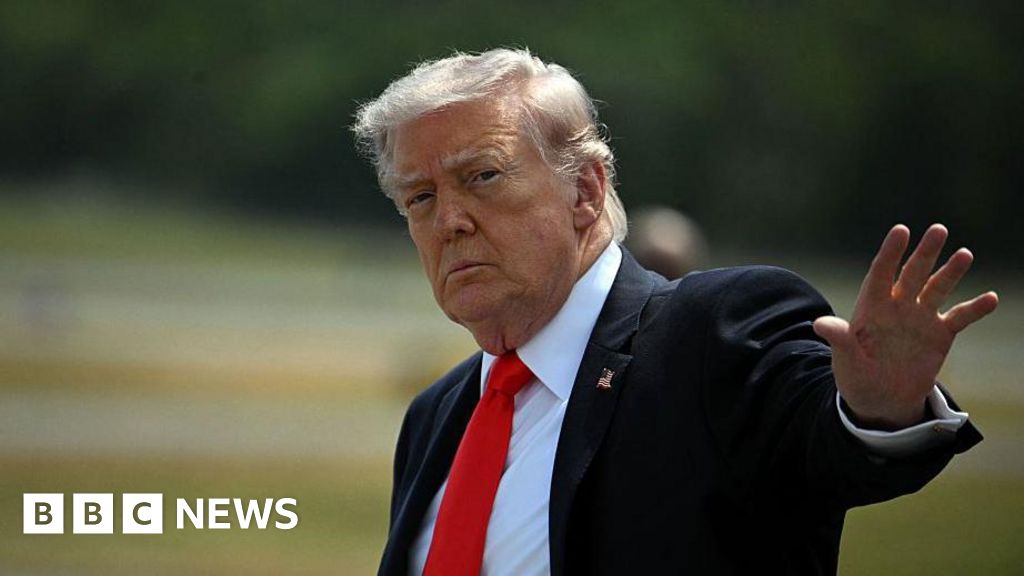
It comes as the US said on Monday it will begin to help “guide” vessels out of the Strait of Hormuz.
Source link


Met Gala 2026 “Costume Art” red carpet pictures from New York City

Jack Brooksbank opts for intimate celebration as new baby brings fresh focus

White House briefly locked down after Secret Service shooting in Washington

-

 Tech1 week ago
A Brain Implant for Depression Is About to Be Tested in Humans
-
 Business1 week ago
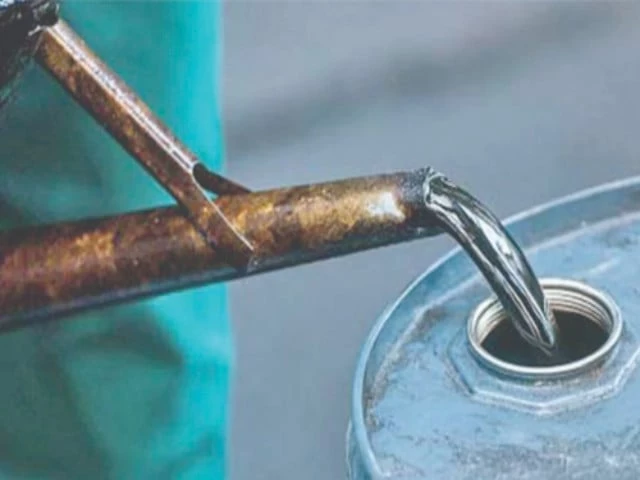
Pakistan’s oil market is fuelling the crisis | The Express Tribune
-

 Tech1 week ago
Almost 90% of women leave tech industry within 10 years | Computer Weekly
-
 Business1 week ago
‘I had £20,000 stolen and had to fight a 13-month fraud reporting rule to get it back’
-

 Sports6 days ago
Pro wrestling star Steph De Lander reveals how colleague’s advice helped lead her to title triumph at ACW
-

 Entertainment1 week ago
Norway joins Type 26 Frigate Programme to boost NATO naval power
-

 Entertainment1 week ago
Melania Trump says ABC should ‘take a stand’ on late-night host Kimmel
-

 Tech7 days ago
This Ambitious Laptop Doesn’t Leave Much Room for Your Hands