

Fashion
Australia consumer sentiment rises 1.2% in March to 91.6

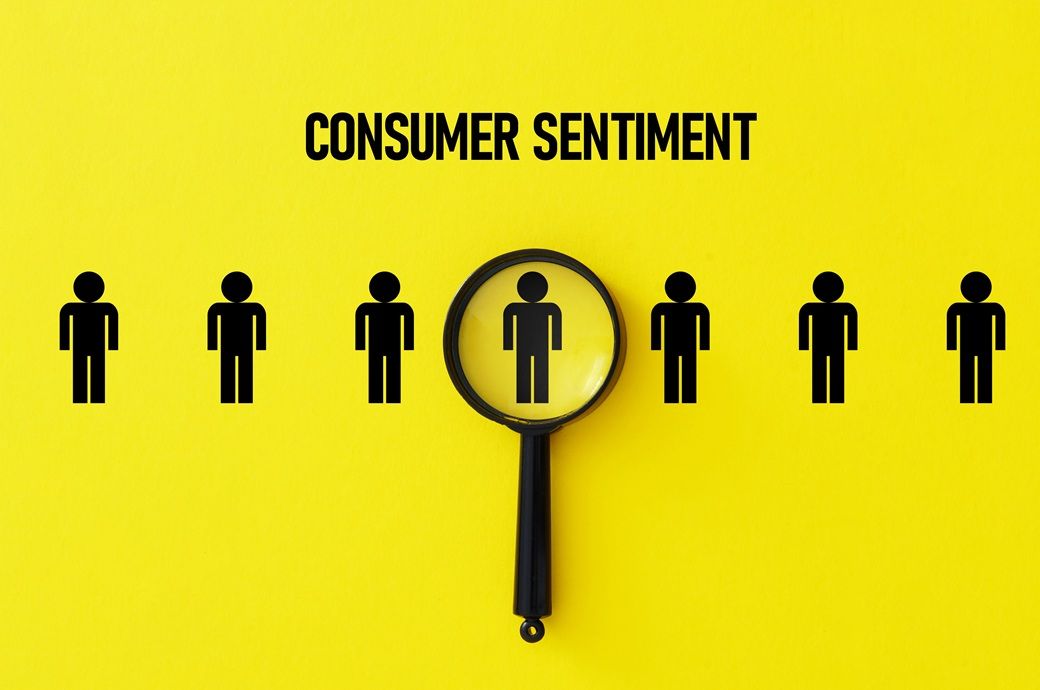
The latest reading indicates some resilience among consumers despite ongoing uncertainty, said Matthew Hassan, Westpac’s head of Australian macro-forecasting adding, “While consumers remain firmly pessimistic, sentiment continues to show some resilience.” The relatively muted reaction to the Reserve Bank of Australia’s 25-basis-point rate hike in February helped sentiment edge slightly higher, he noted.
Australia’s consumer sentiment rose 1.2 per cent to 91.6 in March 2026, signalling modest improvement but continued pessimism.
It showed resilience despite the February rate hike, though concerns grew during the survey week amid Middle East tensions.
While perceptions of current finances and spending improved, expectations for the near-term economy and labour market weakened.
However, responses collected during the survey week indicate that sentiment weakened as the week progressed. According to Hassan, daily responses suggested growing unease linked to escalating tensions in the Middle East, with responses from the final three days of the survey consistent with a significantly lower index reading of around 84, Westpac Institutional Bank said in a press release.
The detailed components of the survey revealed a mixed picture. Assessments of current financial conditions and attitudes towards major purchases improved compared with February, indicating slightly better perceptions of present circumstances. At the same time, expectations for the broader economy over the next year deteriorated, highlighting concerns about near-term economic prospects.
Consumers, however, appeared more optimistic about the longer-term outlook. The sub-index measuring expectations for the economy over the next five years improved modestly and remained above its historical average. In contrast, the measure tracking expectations for the economy over the next 12 months declined, reaching its lowest level since September 2024.
Interest rate expectations continue to shape consumer sentiment. The Westpac-Melbourne Institute Mortgage Rate Expectations Index fell 3.9 per cent in March, reversing part of the sharp increase seen in February. Despite this easing, a strong majority of consumers still expect mortgage rates to rise further over the coming year.
Global developments are also influencing sentiment. The survey showed a sharp increase in consumer recall of international news, particularly related to the escalating Middle East conflict. Nearly 90 per cent of respondents who recalled such news assessed it as unfavourable, reflecting heightened concern about global instability and its potential economic impact.
Labour market expectations weakened as well. The Westpac-Melbourne Institute Unemployment Expectations Index rose 3.8 per cent to 134.7, indicating that more consumers expect unemployment to increase in the year ahead. The rise was especially pronounced among respondents aged over 45, while younger consumers reported slightly improved expectations.
Fibre2Fashion News Desk (SG)











State officials are hopeful of the conference helping accelerate the industrial development of South Gujarat by attracting large-scale investments.
The Vibrant Gujarat Regional Conference, scheduled to be held on May 1-2 in Surat, is expected to create direct connections between global buyers and local manufacturers, facilitate technology transfer and draw FDI into key sectors, including textiles.
Alongside the conference, the Vibrant Gujarat Regional Exhibition (VGRE) will also be held at the same venue from May 1 to 5.
A new state textile policy implemented in 2024 offers capital subsidies ranging from 10 to 35 per cent for new units and aims at expanding employment opportunities through value addition across the supply chain. The conference is expected to align state policy initiatives with industry requirements.
Alongside the conference, the Vibrant Gujarat Regional Exhibition (VGRE) will also be held at the same venue from May 1 to 5. The exhibition will also showcase the achievements of micro, small and medium enterprises, and handicraft and cottage industries, an official release said.
The last such conference was organised in Rajkot.
Fibre2Fashion News Desk (DS)

India signed the India–New Zealand Free Trade Agreement on ** April **** at Bharat Mandapam, New Delhi, eliminating tariffs on *** per cent of New Zealand’s *,*** tariff lines from Day * of entry into force. For Indian textile and apparel exporters, the deal resolves a structural anomaly: until this week, India was the only major textile supplier still paying MFN duty in New Zealand, while China (NZ–China FTA, ****), Bangladesh (LDC scheme), Vietnam and Indonesia (CPTPP and RCEP) all entered duty-free. Concluded in a record nine months after Prime Ministers Modi and Luxon launched negotiations in March ****, the pact is India’s seventh FTA in three and a half years, anchoring a textile-trade diversification strategy targeting USD *** billion in exports by ****.
TexPro trade intelligence reveals a highly asymmetric and complementary bilateral flow. India exports a diversified $*** million textile basket to New Zealand, while importing nearly $** million, of which **.* per cent is raw wool (HS **). This is not competition; it is a fibre-to-finished-goods value chain waiting to be formalised.
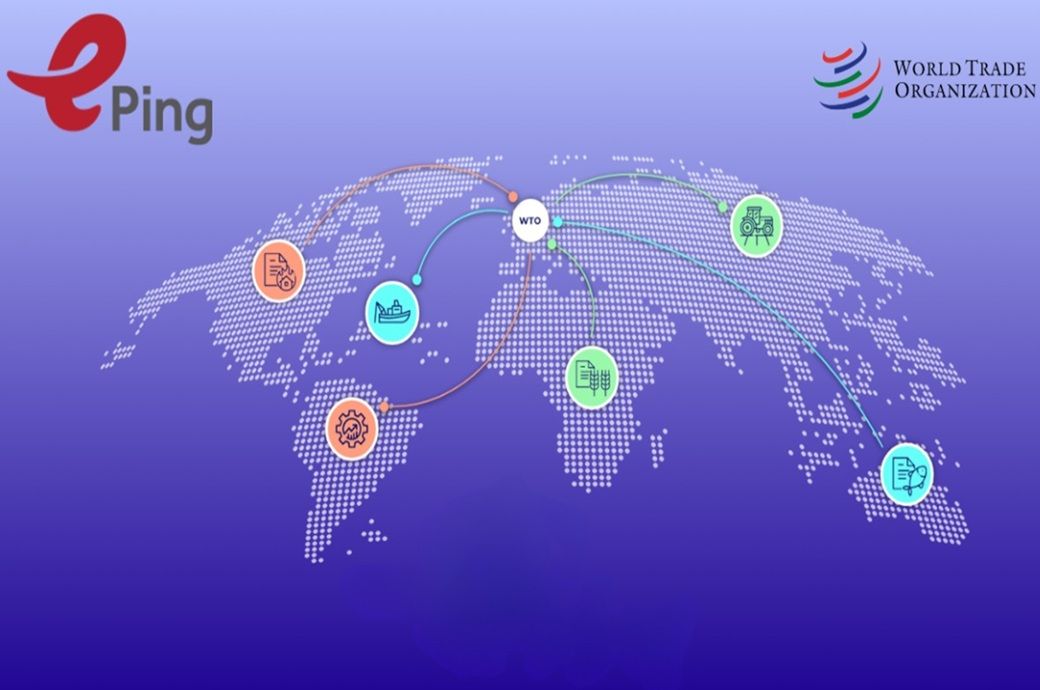
The free, global platform ePing was by the WTO, the International Trade Centre (ITC) and the United Nations Department of Economic and Social Affairs (UNDESA). It helps address this challenge.
The WTO is implementing a project to strengthen use of the ePing platform on sanitary and phytosanitary and technical barriers to trade, helping governments and stakeholders better track and engage in evolving product requirements affecting international trade.
The project focuses on Kenya, Namibia, South Africa, Tanzania and Uganda, and aims at enhancing transparency, predictability and market access.
It allows users to follow notified draft SPS and TBT measures in real time, receive tailored email alerts, and engage with regulators before new requirements enter into force.
Funded by the Standards and Trade Development Facility (STDF), the three-year project focuses on five African countries—Kenya, Namibia, South Africa, Tanzania and Uganda—and aims at enhancing transparency, predictability and market access.
The project brings together governments, the private sector and international partners to improve how regulatory information is shared, accessed and used in sectors affected by SPS measures and TBT, an official release said.
Workshops are being planned in these five countries to strengthen practical use of ePing among regulators, enquiry points, exporters, trade associations and other stakeholders who rely on timely regulatory information to access markets.
The urgency of strengthening ePing use is underscored by growing volumes of regulatory activity, the WTO added.
Fibre2Fashion News Desk (DS)


Prince Harry sets ‘non-negotiable’ condition for Meghan in UK plans

VGRC in India’s Gujarat to attract FDI into Surat’s textile sector

Ganga Expressway inaugurated by PM Modi: UP’s longest expressway between Meerut & Prayagraj; check travel time, route, speed limit – top facts & images – The Times of India

-

 Politics1 week ago
UK’s Starmer seeks to deflect blame over Mandelson appointment
-
 Business1 week ago
How Trump’s psychedelics executive order could unlock stalled cannabis reform
-

 Entertainment1 week ago
Lee Anderson, Zarah Sultana kicked out of UK Parliament for calling PM ‘liar’
-
 Business1 week ago
Us-India Trade Talks: US–India trade deal: Where do talks stand & what to expect – explained – The Times of India
-

 Fashion1 week ago
India, US to resume BTA talks today
-

 Tech1 week ago
A Humanoid Robot Set a Half-Marathon Record in China
-
 Business1 week ago
UK inflation accelerates after Iran war drives sharp rise in fuel prices
-

 Fashion1 week ago
Global energy growth slows to 1.3% in 2025: Report