

Fashion
Egypt’s SCZONE signs $16.5-mn pact with Turkish firm for RMG project

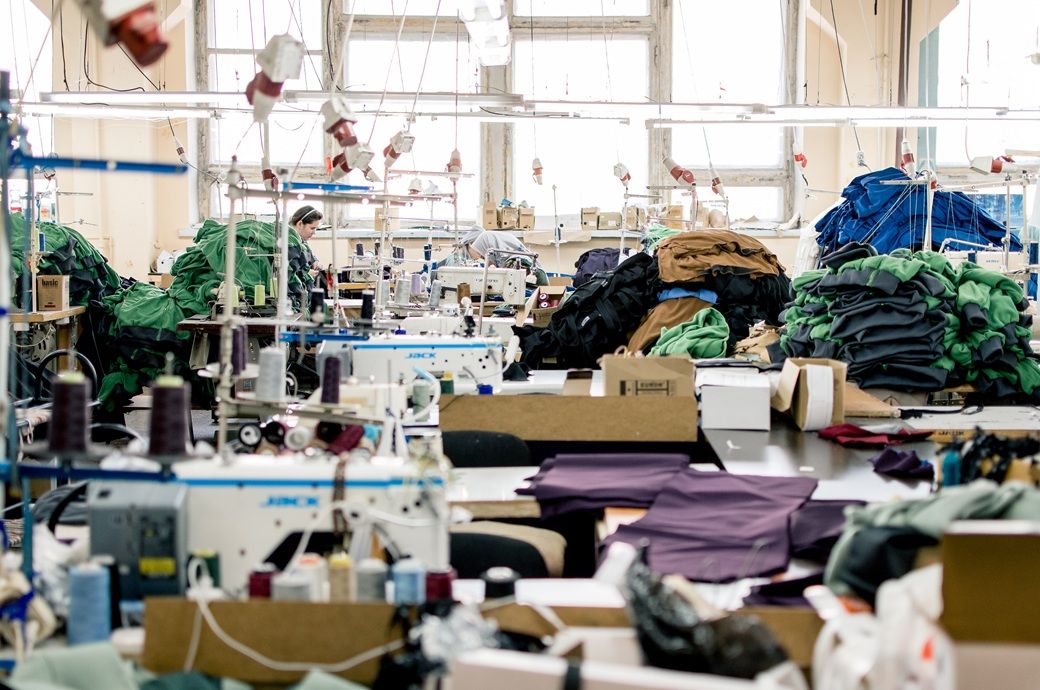
The project, expected to create around 2,500 direct jobs, will produce nearly 7 million pieces of RMG and denim products annually, with four-fifths of output meant for exports.
The Suez Canal Economic Zone has signed a $16.5-million pact with Turkish firm ELA Tekstil to set up a RMG and denim factory in the Qantara West Industrial Zone.
The project, expected to create around 2,500 direct jobs, will produce nearly 7 million pieces of RMG and denim products annually, with four-fifths of output meant for exports.
This project brings the total number of projects in the Zone to 42.
SCZONE chairman Waleid Gamal El-Dein said this agreement reflects the success of the authority’s efforts in attracting specialised industrial investment at Qantara West, according to domestic media reports.
This project brings the total number of projects in the Qantara West Industrial Zone to 42, with a total investment of around $1.14 billion in this sector.
Fibre2Fashion News Desk (DS)








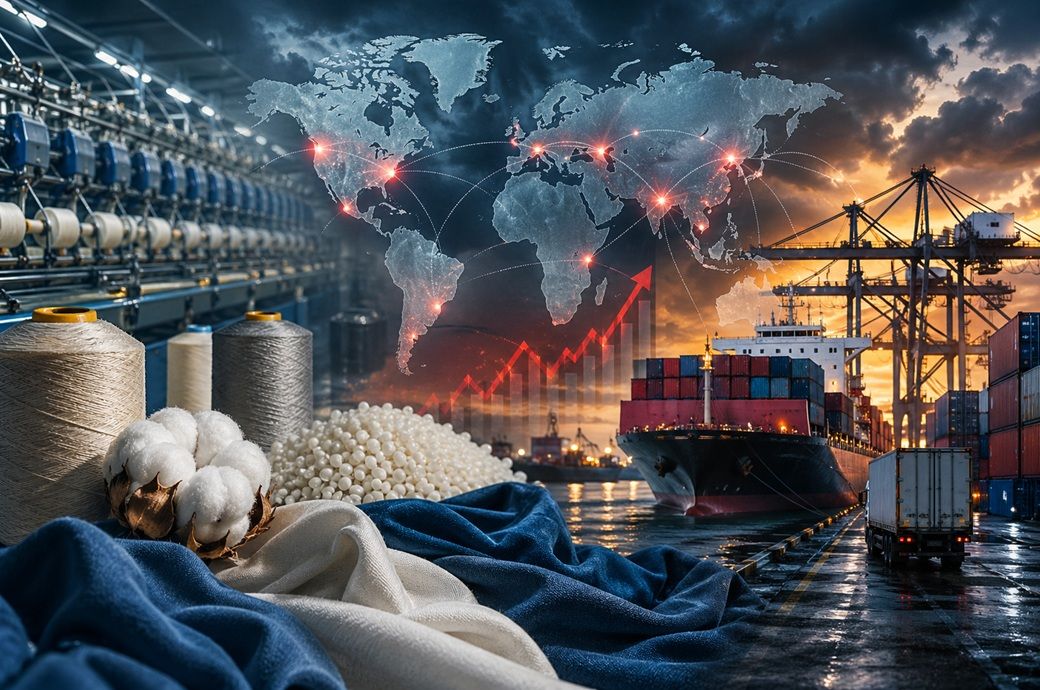
The latest Prime insights, when layered with real-time market indicators, reveal a system under stress: synthetic fibre shocks, constrained manufacturing operations, and shifting sourcing models are converging to create early signs of a supply shock. What makes this cycle structurally different is its breadth impacting fibres, processing, logistics, and retail simultaneously raising concerns not just about margins, but about continuity of supply itself.
*” src=”https://static.fibre*fashion.com/newsresource/newscontentimages/***/table-**_********T******.jpg” />
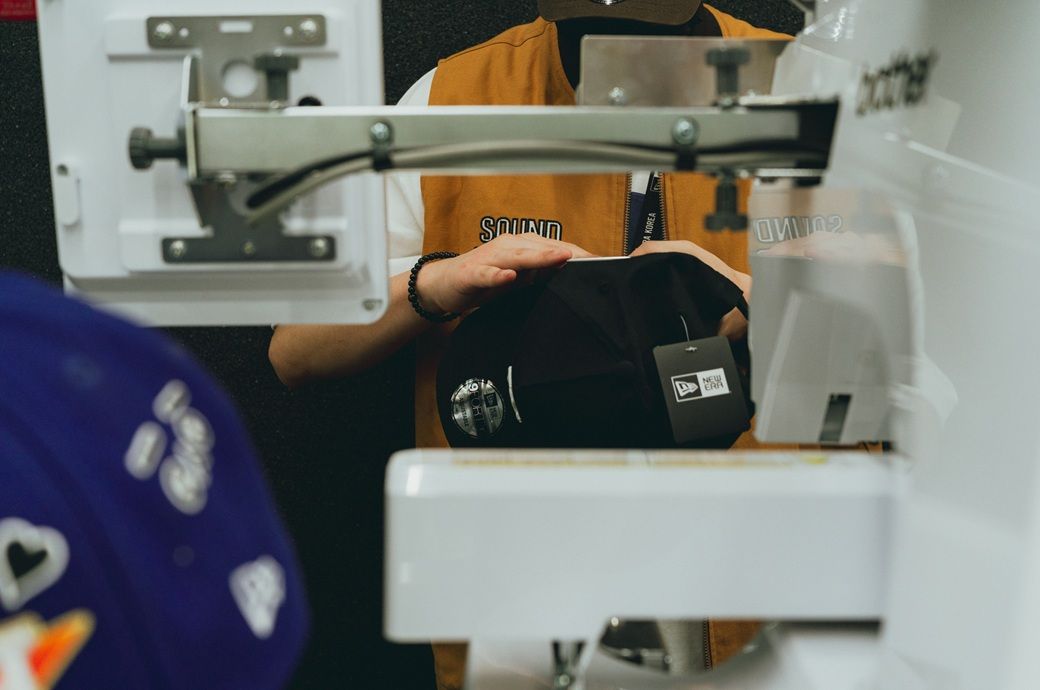
The concerns were conveyed at the first meeting of the textile industry committee of the Korea Federation of SMEs (KBIZ) that discussed supply chain crisis responses and measures to expand the use of domestic fabrics.
South Korean textile sector SMEs are concerned that the increased localisation of military apparel is leading to structural issues like cost burdens and procurement risks, which are disproportionately hitting small sewing firms.
The textile industry committee of the Korea Federation of SMEs has sought adjustment official estimate prices and establishment of a risk-sharing structure for fabric procurement.
The committee will recommend to relevant ministries the need to adjust the official estimate prices and to establish a risk-sharing structure for fabric procurement.
While the country’s textile industry is showing a long-term declining trend in overall production and exports, logistics disruptions from the Middle East conflict, tightening environmental regulations and the European Union’s introduction of the digital product passport (DPP) are putting further pressure on the industry, committee chairman Kim Kwon-ki told the meeting.
An expert said the country’s textile industry must leverage its strength of maintaining a full-stream production structure from yarn to finished products, and discover new growth engines through structural transformation centered around high-value-added industrial and functional materials, a domestic media outlet reported.
Fibre2Fashion News Desk (DS)

UK-based businesses have been left permanently bruised by the COVID-19 pandemic, Brexit, wars in Ukraine and the Middle East, supply chain chaos and US tariffs.
The British Chambers of Commerce (BCC) recently urged the government to prioritise the UK’s economic security after 10 years of geopolitical shocks have repeatedly damaged growth.
BCC’s new report, ‘Delivering Growth: Resilient Global Supply Chains’, sets out urgent steps needed to secure vital manufacturing inputs and stop British competitiveness declining in an increasingly unstable world.
BCC’s new report, titled ‘Delivering Growth: Resilient Global Supply Chains’, sets out urgent steps needed to secure vital manufacturing inputs and stop British competitiveness declining in an increasingly unstable world.
The report said that the Prime Minister must take cross-government responsibility for protecting the UK economy from external crises after years of neglect by successive governments.
Among the actions it is calling for are the creation of a ‘trade bazooka’ to allow the United Kingdom to deter economic coercion, by responding decisively to hostile trade actions; taking a robust approach to the European Union’s (EU) ‘Made in Europe’ agenda to guarantee the role of UK businesses in wider European supply chains; and making the UK’s national security a defining priority for the economy over the next decade and involving more British businesses in the defence sector.
The report argued that keeping the UK’s position as a major trading nation depends on secure access to key inputs such as energy, steel, semiconductors and growth minerals, a BCC release said.
Demand for some materials is set to rise massively over the next decade, and domestic production cannot meet future needs.
More than three-fourths of UK manufacturing exports begin with imports, underlining how exposed businesses are to disruption in global supply chains. The UK is also a highly trade-intensive economy, with imports and exports together accounting for over three-fifth of gross domestic product (GDP).
But demand pressures are rising rapidly. By 2035, UK requirements for critical minerals are forecast to increase sharply, driven by growth in electric vehicles, clean energy and advanced manufacturing.
BCC called for the creation of a new Economic Security Cabinet Committee chaired by the prime minister to coordinate policy making across government on issues from tariffs to critical imports.
Without these smarter tools, deeper international partnerships and clearer leadership from the centre, the United Kingdom risks falling behind competitors who are moving faster to protect their supply chains, added the report.
Fibre2Fashion News Desk (DS)


Textile crisis deepens in Q2 2026 as supply shock surges

Egypt’s SCZONE signs $16.5-mn pact with Turkish firm for RMG project

Antonio Banderas meets up with ‘lifelong friend’, ex Melanie Griffith

-

 Politics1 week ago
UK’s Starmer seeks to deflect blame over Mandelson appointment
-
 Fashion1 week ago
UK’s Sosandar returns to profitability amid robust FY26 performance
-
 Business1 week ago
How Trump’s psychedelics executive order could unlock stalled cannabis reform
-

 Entertainment1 week ago
Lee Anderson, Zarah Sultana kicked out of UK Parliament for calling PM ‘liar’
-
 Business1 week ago
Us-India Trade Talks: US–India trade deal: Where do talks stand & what to expect – explained – The Times of India
-

 Fashion1 week ago
India, US to resume BTA talks today
-

 Tech1 week ago
A Humanoid Robot Set a Half-Marathon Record in China
-
 Business7 days ago
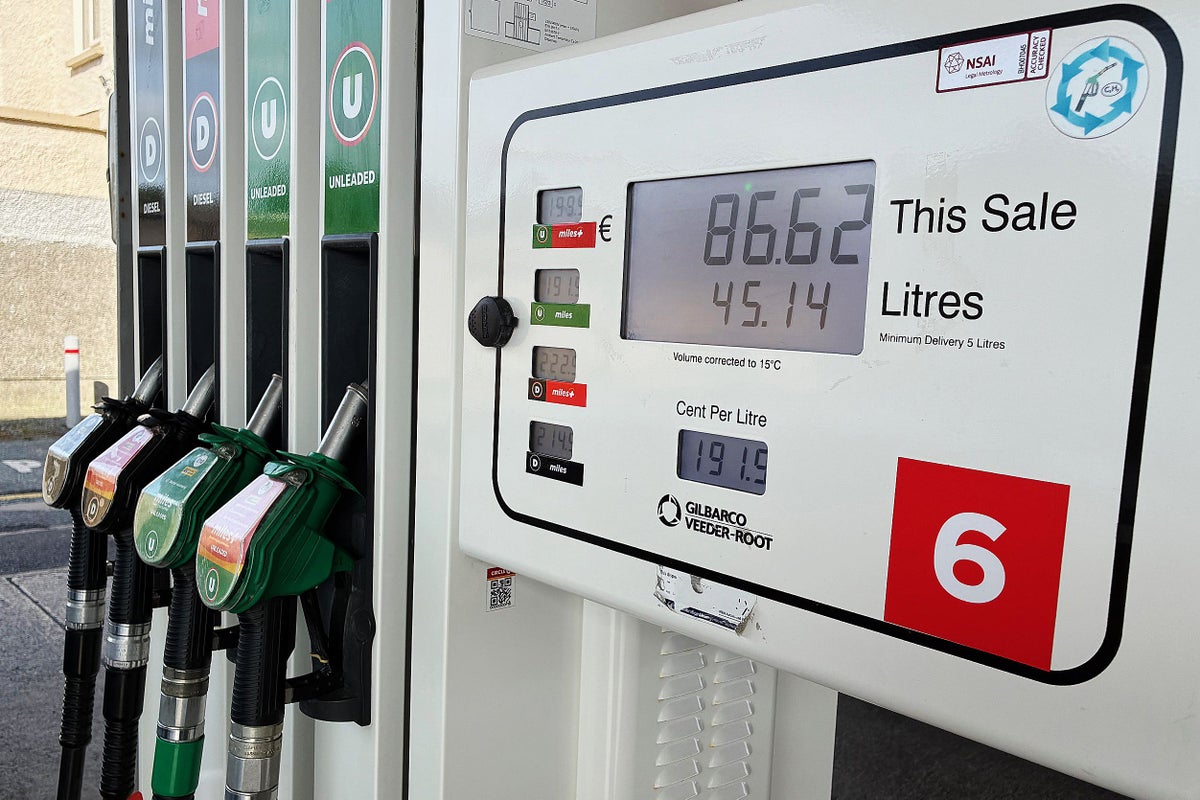
UK inflation accelerates after Iran war drives sharp rise in fuel prices