

Entertainment
George Clooney shares significant take on luck, opportunities

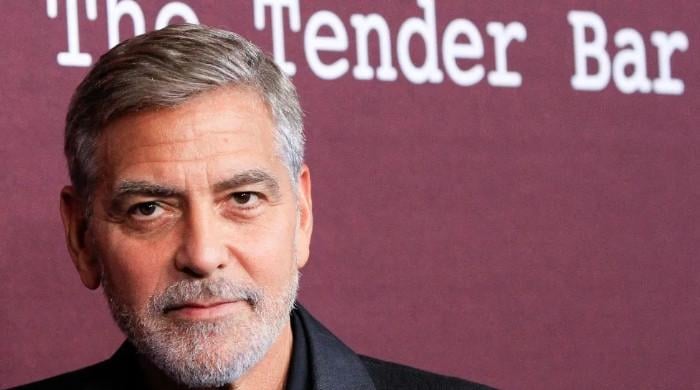
Hollywood icon George Clooney is reportedly taking stock of his own life and career.
Speaking to AARP, Clooney, 64, revealed, “I think the only life lesson is to bet on yourself. And when there’s opportunities, you gotta go. In my life, I have been the recipient of a lot of luck.”
“But I also believe you create opportunity for luck. You create enough opportunity and, every once in a while, you’ll hit one,” he added.
The Ocean’s Eleven star stressed the importance of living fully instead of worrying about the future.
“There’s no rhyme or reason for who gets to age and who doesn’t. So you should live as if you’re not going to get to. And then, if you wake up one day and you’re old, you’ve lived a really full life.”
Clooney, who admitted he “failed a lot” before finding fame in his 30s, reflected on how fortune played a big role in his career. “It’s not just about your brilliance. Luck has a huge hand in it.”
Previously, George has shared that fame itself isn’t something he enjoys.
“Fame can be very dangerous, because you can start to enjoy that part of it. And that’s not the good part of what I do for a living. The good part is the making of films. The unpleasant part is the fame part, if you’re not careful.”
In conclusion, he established, “I do happen to have a good life … but I also like to work.”
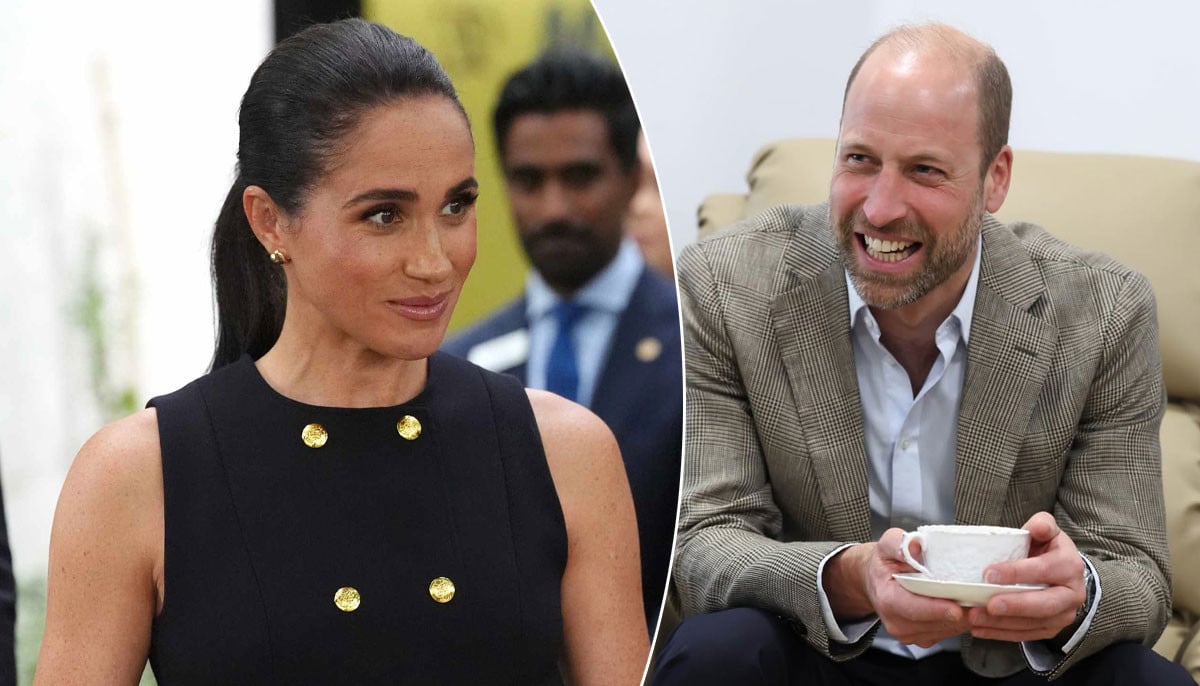
Meghan Markle took a coy approach as she appeared to have doubled down on her stance after a new debate was triggered involving Prince William.
It was believed that the Duchess of Sussex had made a direct attempt to get the future King’s attention with a bold move, knowing fully-well how critical the dynamics are between Prince Harry and William.
The discussion, on the surface, seems to be merely about scones, but experts believes there is something more to it. Eagle-eyed royal watchers noted that only hours after William shared his preferred method to eat the famous British tea-time snack, Meghan’s As Ever had shared a post about scones.
As the debate made headlines over the weekend, Meghan seemed to have reacted to the whole thing with a statement, somewhat confirming suspicions.
“Inspired by the jams Meghan has created in her own kitchen and shared over the years, each spread reflects a small-batch, carefully balanced approach to flavour,” a message read on As Ever alongside a video of the founder.
“Bright and fruit-forward with just a hint of tartness and a whisper of lemon, these spreads are crafted to highlight each fruit’s natural essence without overpowering it.”
In the brief video clip, Meghan shared her family’s preferred jams – Harry likes raspberry, Lilibet likes strawberry and Archie likes both.
The relations between the Sussexes and the Waleses are still at an impasse even though King Charles has begun warming up to his younger son.
Meghan’s move has earned mixed reactions, where some believe this is her usual tactic to steal the spotlight from the royals, other suggest this could be an icebreaker to get a conversation moving between them.
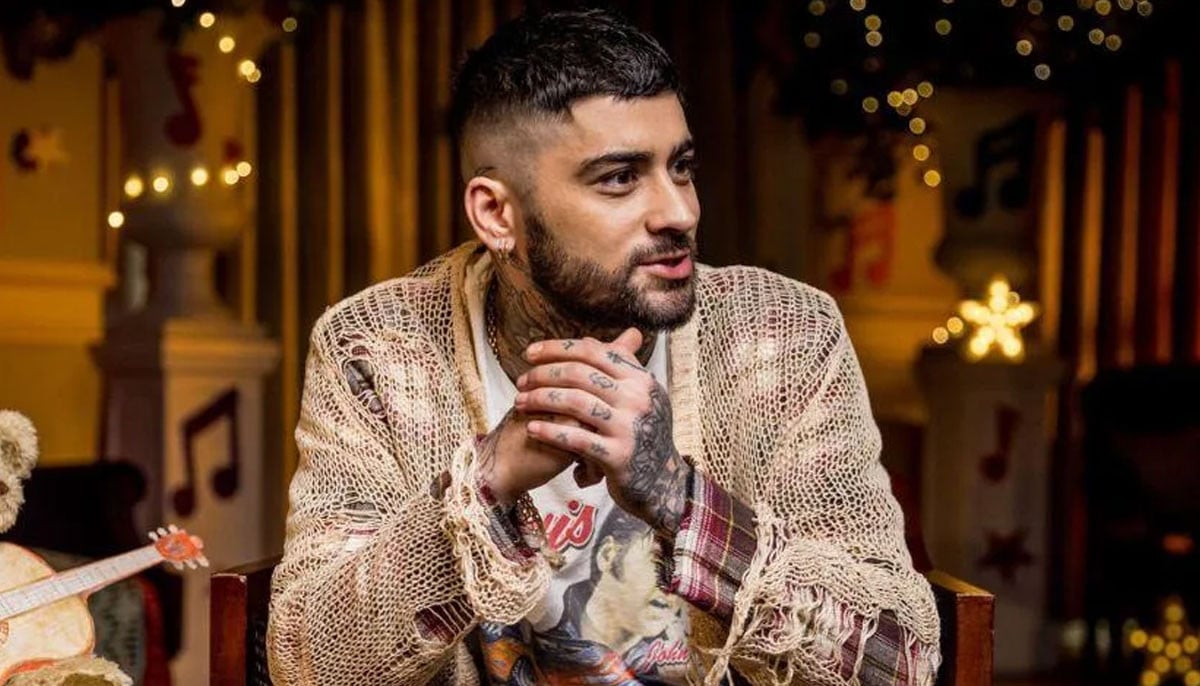
Zayn Malik is overwhelmed with gratitude as fans continue showering him with love and support after The Konnakol Tour launch.
Shortly after wrapping up the opening night of his first-ever headlining arena and stadium tour since his One Direction days, the former boy band star took to social media to thank his supporters.
On Sunday, May 24, the Dusk Till Dawn hitmaker shared a series of photos and a video, featuring some behind-the-scenes glimpse, highlights from the first show and a peek into the prep.
“Night 1 LONDON 02!!! Big thanks to everyone that came out and turned up!” he captioned the carousel. “That was epic ! [red heart emoji].”
The Pillowtalk chart-topper kicked off the 31-date global trek, supporting his fifth studio album of the same name, on Saturday, May 23, at the O2 Arena in London.
Standup comedian Usama Siddiquee was selected alongside DJ Lonyo to provide the opening entertainment to get the arena crowd energised before the 33-year-old singer took the stage.
Taking to his Instagram Stories, Zayn gave a shout out to the fast-rising Bengali-American comedian, writer, and actor.
“@usamastandsup you’re a legend bro,” he wrote over an image of himself watching Usman dominating the stage. “Thank you!”
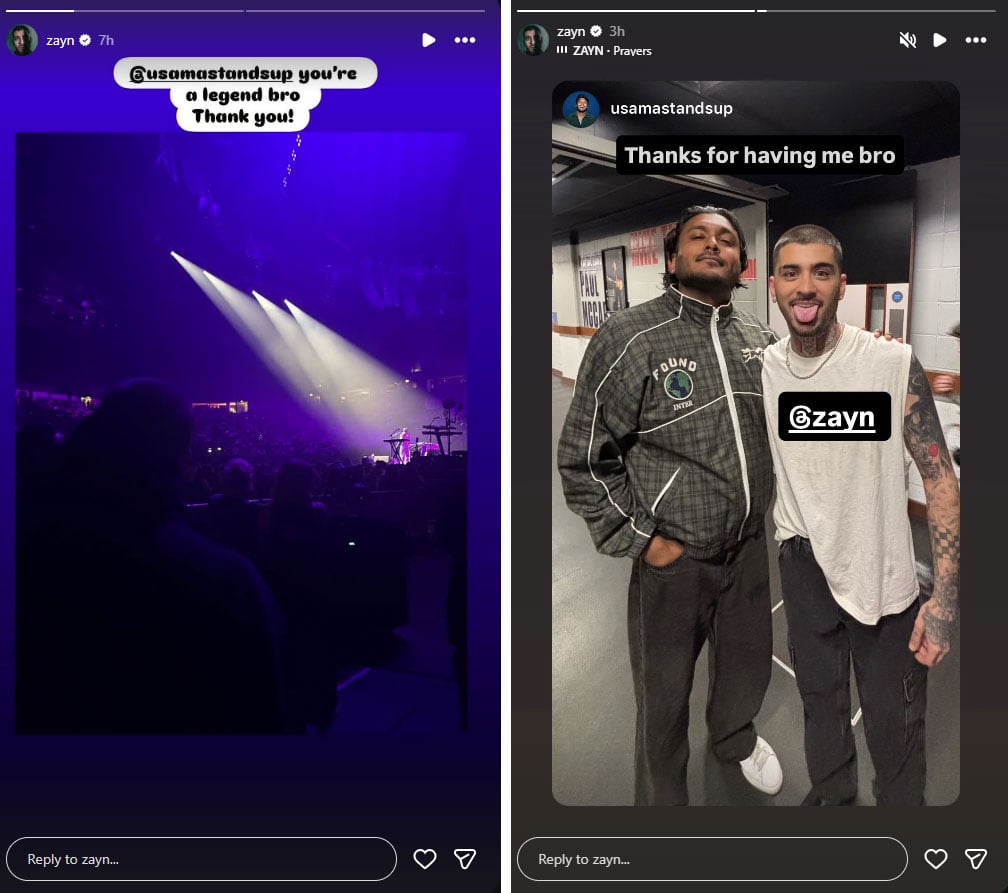
In the following update the Die For Me singer reposted the America’s Got Talent semifinalist’s story.
The text over the duo’s picture read, “Thanks for having me bro.”
Zayn officially announced the Don’t Tell Comedy star as the comedy opener for the major UK arena dates, including the opening night at London’s O2 Arena on followed by the Manchester AO Arena on May 24.
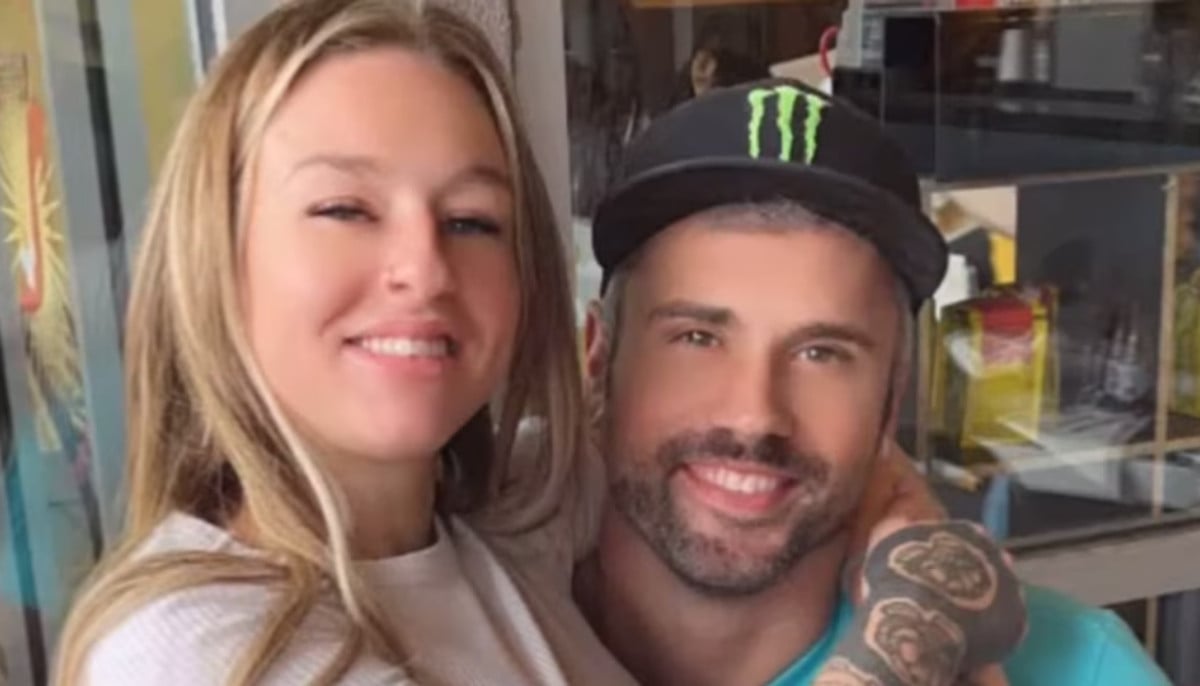
Amanda Conner, wife of Teen Mom star Ryan Edwards, was arrested on Sunday morning near Chattanooga, Tennessee, and charged with driving under the influence and child abuse and neglect after allegedly getting behind the wheel with the couple’s baby daughter in the car.
According to TMZ, which first reported the arrest, Conner was also charged with driving on the wrong side of the road.
A dispatch call obtained by the outlet indicated that it was her husband who alerted police, having grown concerned that she may have taken narcotics before leaving the house with the baby.
Her bond was set at $16,000, and she had not been released by 4:30 p.m. local time on Sunday. A court hearing has been scheduled for 3 June.
Conner, 35, and Edwards, 37, married in September 2025, just some time after he finalised his divorce from his previous wife, Mackenzie Standifer.
The pair had been friends for years before beginning a relationship in September 2023. Together they share a one-year-old daughter, Presley, who was in the car at the time of the alleged incident.
The arrest arrives against a complicated family backdrop.
Edwards has had a well-documented history of addiction and legal troubles stretching back years, including a 2023 court order requiring him to seek help for substance abuse following a series of arrests involving Standifer.
He is also father to Bentley, 17, with fellow Teen Mom original cast member Maci Bookout, as well as Jagger, 7, and Stella, 6, with Standifer.
Bookout, who married Taylor McKinney in 2016 and shares two children with him, has spoken candidly in the past about the toll Edwards’ struggles have taken.
“Obviously, when things first went down with Ryan and him having to go to jail and making stupid decisions and stuff, I definitely had a breaking point then,” she shared.
She described therapy and self-compassion as the tools that helped her through.
“I think the therapy I had done previously… and just making sure that I check in with myself and that I give myself grace and that I let myself fall apart and then pick myself back up is a game changer.”


Tiruppur’s synthetic bet meets the oil wall

EU Commission sees growth slowdown as energy shock drives up inflation

Pilgrims kick off Hajj as war’s trajectory hangs in the balance

-

 Entertainment1 week ago
Where Pete Davidson, Elsie Hewitt stand after breakup: Details revealed
-

 Politics1 week ago
Rising diesel costs from Iran war strain US school budgets
-

 Tech1 week ago
Why Is Your Grill So Dumb? The Best Grills Set Temp Like an Oven
-

 Tech1 week ago
This Solar-Powered Smart Sprinkler Keeps My Lawn Watered Without Any Power Cables
-

 Fashion6 days ago
Nigeria Kwara Garment Factory, KWS Garment Production Village ink pact
-

 Fashion7 days ago
Turkiye’s current account deficit expected to widen in 2026: Minister
-

 Entertainment1 week ago
Princess of Wales praised as ‘step ahead’ of royal family
-

 Fashion1 week ago
India’s Pearl Global’s FY26 revenue crosses $521 mn milestone