

Business
Middle East turmoil: After IndiGo and Air India, now Akasa Air to levy fuel surcharge – check details – The Times of India

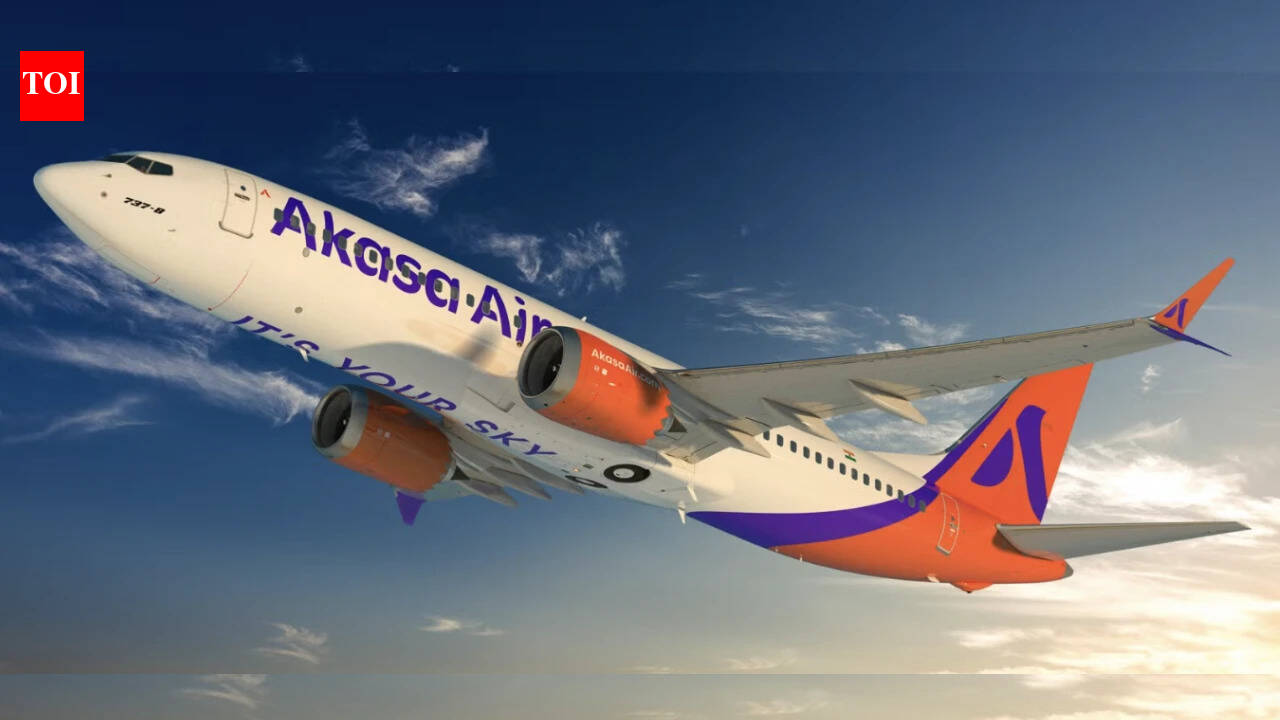
Akasa Air on Saturday announced that it will introduce a fuel surcharge ranging from Rs 199 to Rs 1,300 on domestic and international flight tickets booked from March 15, citing a sharp rise in aviation turbine fuel (ATF) prices amid escalating geopolitical tensions in the Middle East.In a post on X, the airline said the surcharge will apply to all bookings made from 00:01 hrs on March 15, 2026, and will not be applicable to tickets booked before that time. The airline said the additional charge will be levied per sector and will vary depending on the duration of the flight.
Akasa cites sharp rise in ATF prices
“There has been a significant increase in the price of aviation turbine fuel, driven by evolving geopolitical developments in the Middle East,” Akasa Air said in its statement.“As fuel represents a significant portion of airline operating costs, this impacts the cost of operations across the aviation industry,” it added.The airline said it remains focused on offering “warm and efficient customer service, reliable operations, and affordable fares while maintaining the highest standards of operational efficiency”, and added that it will continue to monitor the operating environment and review the fuel surcharge periodically.
Move follows Air India, IndiGo fare actions
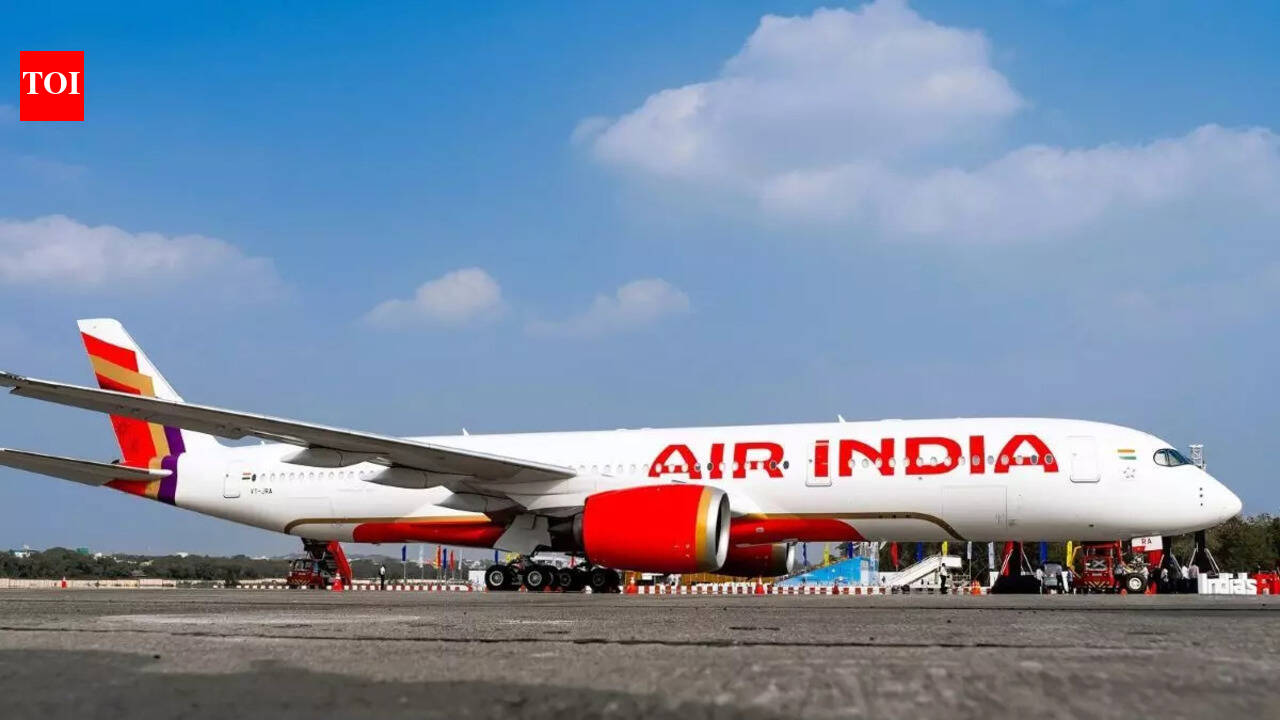
Akasa’s decision comes after larger Indian carriers Air India Group and IndiGo also moved to pass on part of the fuel cost burden to passengers.Earlier, IndiGo said it will levy an additional fuel charge of Rs 425 to Rs 2,300 on all new domestic and international bookings made from 00:01 hrs on March 14, citing “the significant surge in fuel prices following the ongoing geopolitical issues”.IndiGo said IATA’s jet fuel monitor showed an over 85% rise in fuel prices for the region, adding that ATF represents a major share of airline operating costs.Air India Group had earlier introduced a fuel surcharge ranging from Rs 399 to $200 on flights beginning Thursday, saying that without the move, some services may not cover operating costs and could face cancellation.
Middle East conflict driving fuel cost pressure
The latest surcharge announcements come as the widening conflict in the Middle East continues to disrupt global oil supplies and push up jet fuel prices worldwide.Attacks on commercial shipping and oil infrastructure in the Gulf region, along with disruption through the Strait of Hormuz, have tightened supplies and driven a steep increase in fuel prices. Airlines are also facing added operational costs due to airspace restrictions and longer rerouted flights, which burn more fuel.Industry experts said long-haul international routes are likely to feel the greatest impact, though domestic fares may also remain under pressure if fuel prices stay elevated.With Akasa now joining Air India Group and IndiGo, Indian flyers are set to face higher ticket costs across more carriers as airlines respond to the sustained spike in fuel expenses.
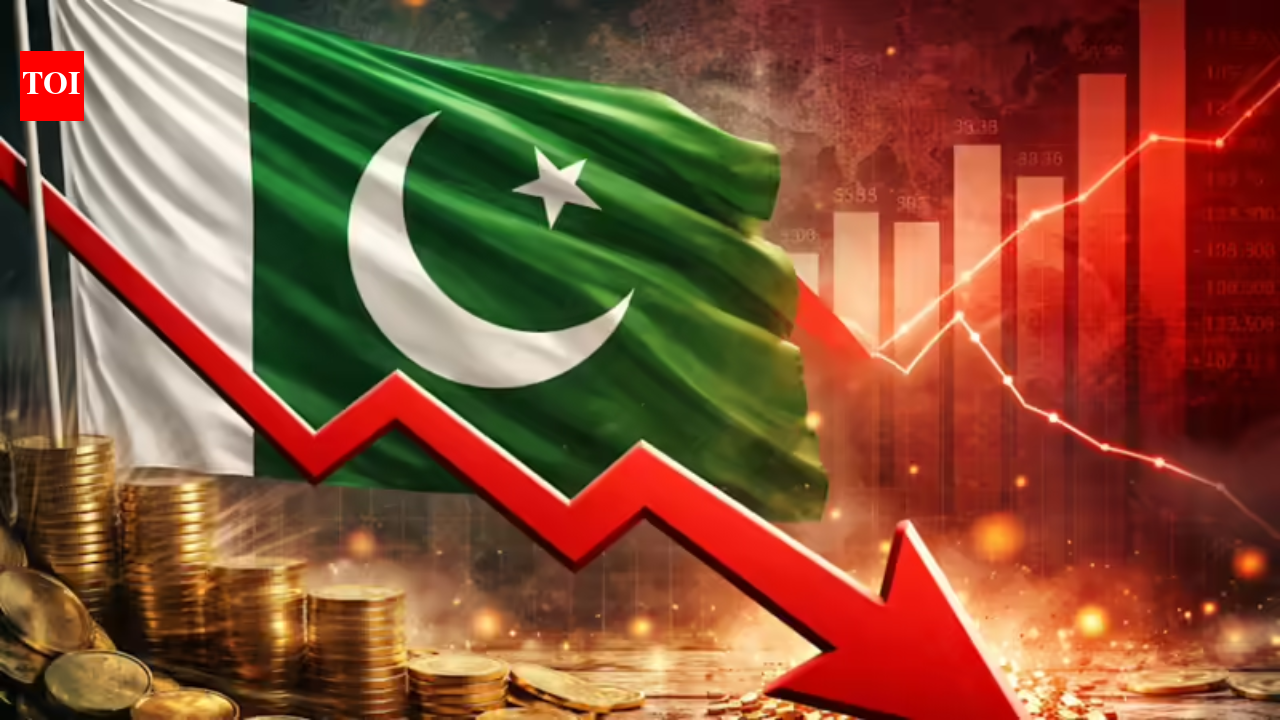
Pakistan’s struggling economy is likely to remain under sustained pressure, with double-digit inflation expected to persist if global oil prices continue to surge amid the ongoing Middle East crisis, according to a report by Dawn.Topline Securities Ltd, in its latest “Pakistan Strategy” report released Saturday, provided a grim assessment of the impact of rising energy costs and regional instability on the country’s economy and stock market. The brokerage described the situation as “prolonged and evolving,” warning that any improvement depends on an immediate and peaceful resolution to the conflict.The report, asx cited by ANI, said that under current conditions, inflation could average between 9 and 10 per cent over the next year, with fourth-quarter FY26 figures expected to exceed 11 per cent. These projections are based on oil prices at $100 per barrel, with every $10 increase adding around 50 basis points to inflation. If oil rises to $120 per barrel, annual inflation could reach 11 per cent, potentially forcing the State Bank of Pakistan into further aggressive interest rate hikes.The rising inflationary pressure is expected to slow economic growth. Topline Securities has cut its GDP forecast for FY27 to between 2.5 and 3.0 per cent from an earlier estimate of 4.0 per cent. Growth for FY26 is projected at 3.5 to 4.0 per cent, but the industrial sector remains vulnerable, with growth possibly dropping to just 1 per cent from nearly 4 per cent.According to Dawn, the current account deficit for FY27 could exceed $8 billion if the government fails to maintain strict import controls, worsening pressure on foreign exchange reserves. The fiscal deficit for FY26 is expected to range between 4.0 and 4.5 per cent of GDP, exceeding targets set by the International Monetary Fund.The Pakistan Stock Exchange has been among the worst-performing markets globally, reflecting the country’s heavy reliance on imported energy. Petroleum imports are projected to reach $15 billion in FY26, while Pakistan imports around 85 per cent of its energy needs. This dependence contributed to a 15 per cent decline in the market during the first quarter of the year.The economic outlook is further affected by a projected 3.5 per cent decline in remittances, with inflows from the Gulf Cooperation Council region expected to fall by 10 per cent. Exports are also forecast to decline by 4 per cent.On the currency front, the Pakistani rupee is expected to weaken to 298 against the US dollar by FY27. Persistent conflict could push depreciation beyond historical averages, increasing pressure on supply and demand.Dawn noted that while domestic exploration firms may eventually increase production to reduce reliance on liquefied natural gas imports, the near-term outlook remains marked by high interest rates, rising urea prices, and a growing dependence on emergency administrative measures to prevent a deeper economic crisis.

Trump’s strikes on Iran, and the subsequent closure of the Strait of Hormuz, have driven oil prices up, with a barrel of Brent crude, a major oil benchmark, hitting a four-year high of $126 on Thursday. It has since fallen back to $111 but it was trading at around $73 before the war broke out at the end of February.
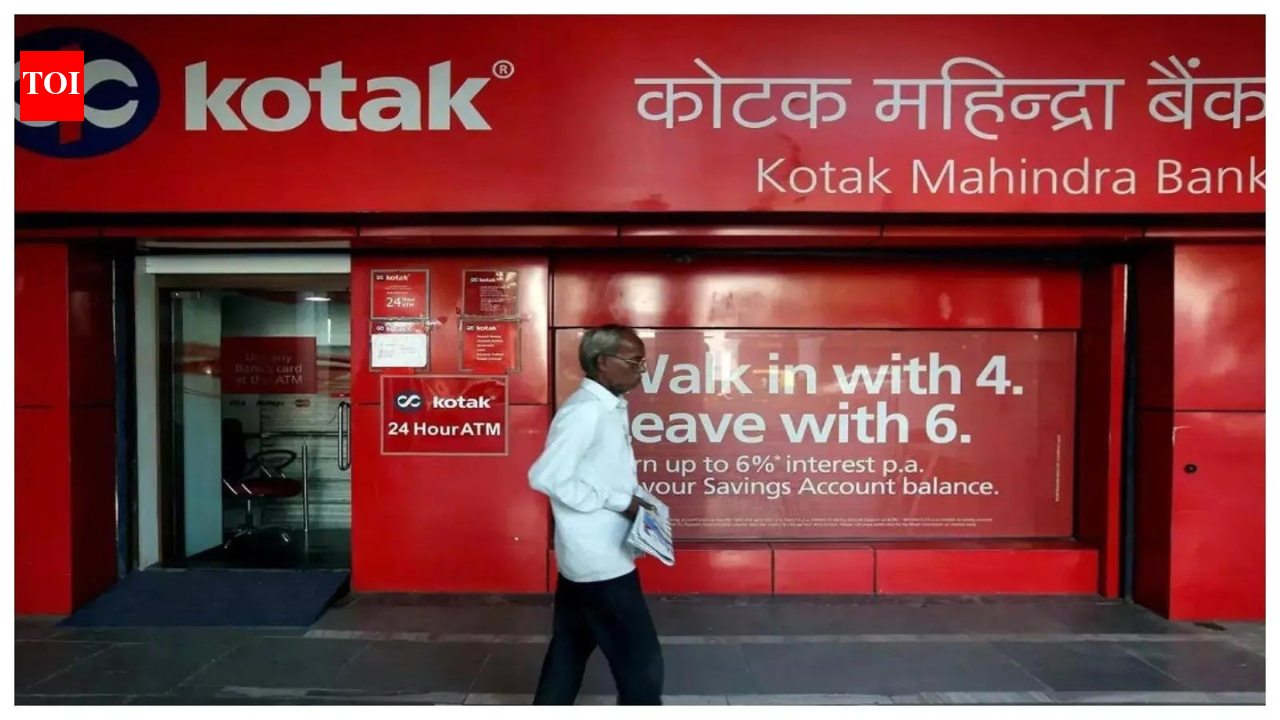
MUMBAI: Kotak Mahindra Bank Saturday confirmed that it is looking at Deutsche Bank’s retail business, which is on the block, while stating that it has dropped out of IDBI Bank acquisition race because of the valuation and it would be ‘difficult to swallow’.Responding to queries at an earnings press conference Ashok Vaswani, MD & CEO said the bank would pursue deals only if they met three filters — strategic fit, financial viability and manageable execution without straining management bandwidth — and would apply the same criteria to evaluate Deutsche Bank’s assets.On IDBI, Vaswani said that Kotak had looked at the bank from every single position from a valuation perspective. “Obviously it was very highly valued. Of course, it has some kind of scale but it wasn’t really a must for us to do. Obviously, it would have been a difficult thing to swallow,” he said.Govt is reviewing how it should go about with a fresh bid to sell its stake in IDBI Bank, along with LIC’s.Kotak Mahindra Bank reported standalone net profit of Rs 4,026.6 crore for the quarter ending March 31, 2026, up 13.4% year-on-year from Rs 3,551.7 crore, supported by strong loan growth, lower provisions.


I Lugged the Best Travel Totes on Work Trips, Weekends, and More

Trump says US not likely to accept new Iran peace proposal

Princess Beatrice ‘confirms’ heartbreaking truth as scandal takes toll

-

 Tech6 days ago
A Brain Implant for Depression Is About to Be Tested in Humans
-
 Business5 days ago
‘I had £20,000 stolen and had to fight a 13-month fraud reporting rule to get it back’
-

 Tech1 week ago
They Wanted to Join Raya. They’ve Been on the Waiting List for Years
-

 Tech1 week ago
Why Do I Like Dyson’s PencilVac So Much?
-

 Tech6 days ago
Almost 90% of women leave tech industry within 10 years | Computer Weekly
-
 Business7 days ago
Pakistan’s oil market is fuelling the crisis | The Express Tribune
-

 Entertainment6 days ago
Melania Trump says ABC should ‘take a stand’ on late-night host Kimmel
-

 Tech5 days ago
This Ambitious Laptop Doesn’t Leave Much Room for Your Hands