

Politics
Iran wants ‘serious review’ of Gulf ties, denies role in Saudi oil attacks

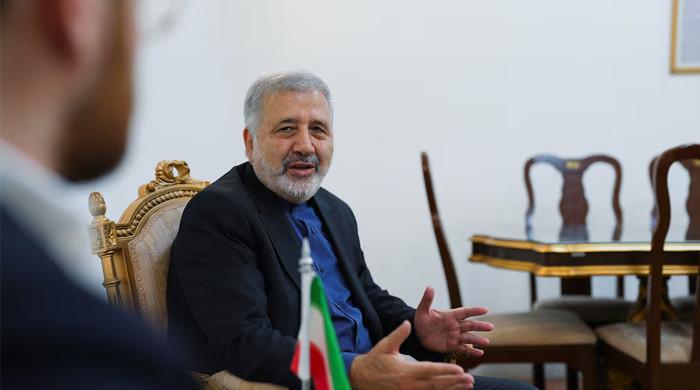
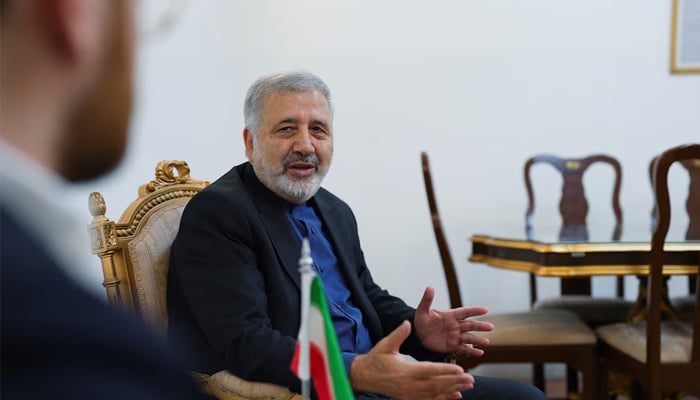
- Iran wants “serious review” of Gulf ties, says ambassador to Riyadh.
- Alireza Enayati did not say who had carried out attacks in Kingdom.
- “Iran was only attacking US and Israeli targets and interests.”
RIYADH: Iran’s relations with Gulf states will require a “serious review” in light of the US-Israeli war on Iran, limiting the power of external actors so the region can become prosperous, Tehran’s ambassador to Saudi Arabia told Reuters on Sunday.
Asked if he was concerned that relations would be harmed by the war, Ambassador Alireza Enayati said: “It’s a valid question, and the answer may be simple. We are neighbours and we cannot do without each other; we will need a serious review.”
“What the region has witnessed over the past five decades is the result of an exclusionary approach [within the region] and an excessive reliance on external powers,” he said in a written response to questions, calling for deeper ties between the Gulf Cooperation Council’s six members, along with Iraq and Iran.
Gulf Arab states have faced more than 2,000 missile and drone attacks since the outbreak of the war on February 28, with targets including US diplomatic missions and military bases but also critical Gulf oil infrastructure, ports, airports, and hotels.
The United Arab Emirates, which normalised relations with Iran’s arch-foe Israel in 2020, has faced the brunt of the attacks. But all Gulf Arab states have been impacted, and all have condemned Iran.
Behind the scenes, analysts and regional sources say there is also growing frustration at the US, long their security guarantor, at dragging them into a war they did not endorse but for which they are paying a hefty price.
In Saudi Arabia, attacks have been concentrated on the eastern region where most of the kingdom’s oil is produced, as well as the Prince Sultan Airbase hosting US forces east of Riyadh, and the Diplomatic Quarter on the Saudi capital’s western edge, according to Saudi defense ministry statements.
Saudi Arabia and Iran re-established full diplomatic relations in 2023 after years of enmity.
Iran ‘not responsible’ for attacks on Saudi oil sector
Enayati denied that Iran was responsible for the attacks on Saudi Arabia’s oil infrastructure, including the Ras Tanura refinery on the east coast and dozens of attempted drone attacks on the Shaybah oil field in the desert near the UAE border.
“Iran is not the party responsible for these attacks, and if Iran had carried them out, it would have announced it,” he said. He did not say who had carried out the attacks.
Saudi Defense Ministry statements have not assigned blame for individual incidents. Enayati said Iran was only attacking US and Israeli targets and interests.
Enayati said he personally was in ongoing contact with Saudi officials, with relations “progressing naturally” in many areas. He highlighted Saudi cooperation regarding the departure of Iranians who were in the kingdom for religious pilgrimage and the provision of medical assistance to others.
He said Tehran was in contact with Riyadh regarding Saudi Arabia’s publicly stated position that its land, sea and air would not be used to attack Iran, without elaborating on the discussions.
His message to Gulf states was that the war “has been imposed on us and the region.”
To resolve the conflict, the US and Israel must halt their attacks and regional countries should not be involved, while international guarantees must be secured to prevent their recurrence, he said.
“Only then can we focus on building a prosperous region,” he said.
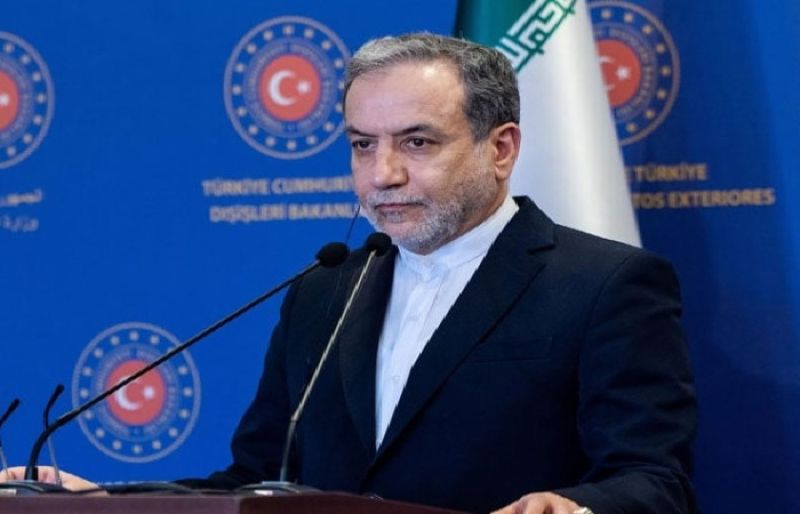
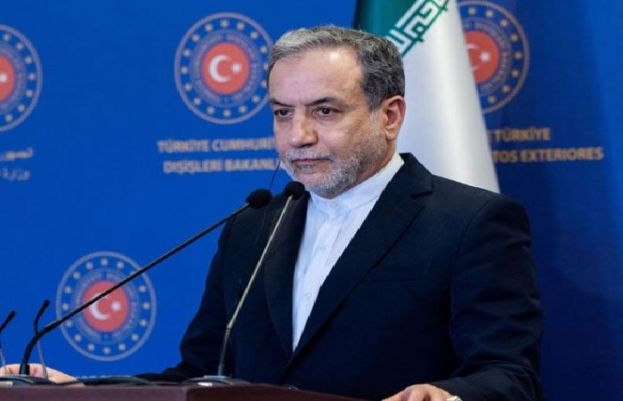
Iranian Foreign Minister Abbas Araghchi on Monday night said talks with the United States were making progress with Pakistan’s “gracious effort,” while cautioning Washington against being drawn into further escalation amid a standoff over the Strait of Hormuz.
The statement comes after US and Iran launched new attacks in the Gulf on Monday as they wrestled for control over the Strait of Hormuz with duelling maritime blockades, shaking a fragile truce.
US President Donald Trump launched a new effort to get stranded tankers and other ships through the strait, the vital energy-trade chokepoint that has been virtually closed since the US and Israel began attacks on Iran in February, a war that has killed thousands of people across the region.
Trump gave scant details about his new effort, which he called “Project Freedom,” to help stuck ships travel through the strait when he announced it on social media, two days after a legal deadline under US law had passed for him to get authorisation from Congress for the war. Trump told Congress the war was “terminated” and the deadline was moot, a claim disputed by some lawmakers.
It was the first apparent attempt to use military force since last month’s ceasefire announcement to unblock the world’s most important energy shipping route, which Iran’s Islamic Revolutionary Guard Corps has said can only happen with its permission.
The cost of shipping insurance has also rocketed. For weeks, the US Navy has blockaded Iran’s trade by sea, which Iran says is itself an act of war.
But Trump’s latest move, at least initially, appeared to have backfired, bringing no surge of merchant ship traffic while provoking a promised show of force from Iran, which has threatened to respond to any escalation with new attacks on its neighbours hosting US soldiers. Major shipping companies said they were likely to wait for an agreed end to hostilities before trying to cross the strait.
Meanwhile, Iranian FM Araghchi said Monday’s events showed there was no military solution to the crisis. He said peace talks were progressing with Pakistan’s mediation while warning the US and the UAE against being drawn into a “quagmire by ill-wishers.”
Criticising the US initiative aimed at escorting vessels through the Strait of Hormuz, Araghchi said: “Project Freedom is Project Deadlock.”
Nonetheless, the US military said two US merchant ships made it through the strait, without saying when, with the support of Navy guided-missile destroyers. While Iran denied any crossings had taken place in recent hours, Maersk said the Alliance Fairfax, a US-flagged ship, exited the Gulf via the Strait of Hormuz accompanied by the US military on Monday.
The commander of U.S. forces in the region said his fleet had destroyed six small Iranian boats, which Iran also denied. Admiral Brad Cooper said he “strongly advised” Iranian forces to keep clear of U.S. military assets carrying out the mission.
Iranian authorities released a map of what they said was an expanded sea area now under their control, extending far beyond the strait to include long stretches of the UAE’s coastline.
‘Dialogue and diplomacy’
A day earlier, Deputy Prime Minister and Foreign Minister Ishaq Dar held a telephonic conversation with his Iranian counterpart, during which both sides discussed the evolving regional situation and Pakistan’s ongoing diplomatic efforts.
According to the Foreign Office, Araghchi appreciated Pakistan’s constructive role and mediation efforts, while Dar reaffirmed Islamabad’s commitment to promoting dialogue and engagement.
He stressed that diplomacy remained the only viable path to achieving lasting peace and stability.
Negotiations between Washington and Tehran have remained stalled since a ceasefire took effect on April 8, with tensions centred on Iran’s blockade of the Strait of Hormuz following US-Israeli strikes. The move has disrupted global flows of oil, gas and fertiliser, while the United States has responded by imposing a counter-blockade on Iranian ports.
Pakistan has emerged as a key intermediary in efforts to revive dialogue, hosting high-level engagements between the two sides in Islamabad last month, though a second round of talks has yet to materialise.
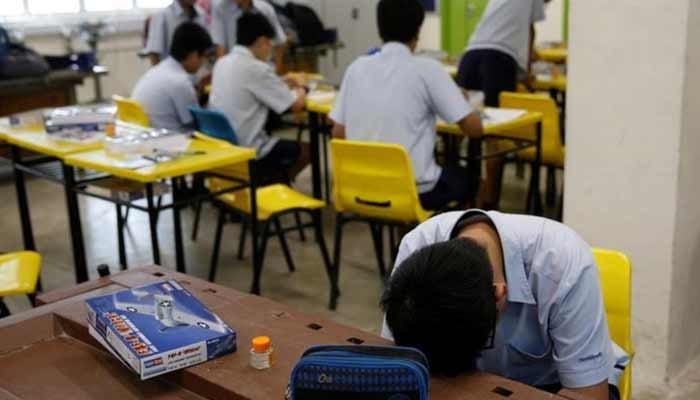
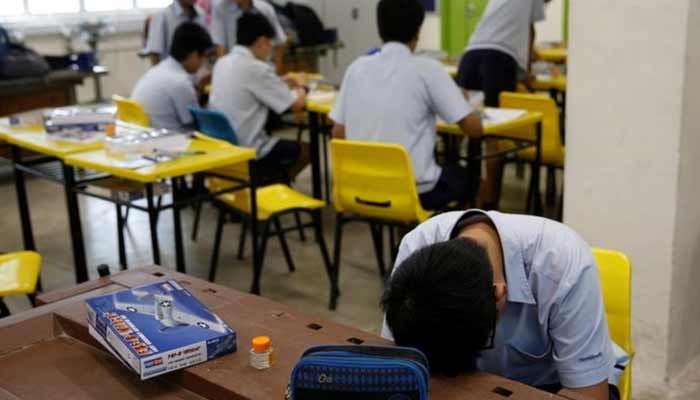
School bullies in Singapore face caning under new guidelines, but the education minister said on Tuesday it would be meted out only as a last resort with strict safeguards.
Human rights groups regularly criticise Singapore for the use of corporal punishment, which remains part of both the school system and criminal justice, but authorities have defended it as a deterrent to crime and serious misconduct.
Caning was discussed in parliament on Tuesday after legislators asked how it would be used in relation to bullying in schools.
The debate followed stricter guidelines against serious student misconduct, including bullying, unveiled by the education ministry last month.
Under the guidelines, offenders could face between one and three strokes of the cane.
“Our schools use caning as a disciplinary measure if all the other measures are inadequate, given the gravity of the misconduct,” Education Minister Desmond Lee said Tuesday.
“They follow strict protocols to ensure safety for the student. For instance, caning must be approved by the principal and administered only by authorised teachers,” he said.
“Schools will consider factors such as the maturity of the student and if caning will help the student learn from his mistake and understand the gravity of what he has done.”
The punishment is given only to boys, per “the Criminal Procedure Code, which states that women shall not be punished with caning”, Lee said.
Caning in Singapore is a legacy from British colonial rule, but Britain has long abolished corporal punishment.
After the caning is meted out, the school will “monitor the student’s wellbeing and progress”, including providing counselling, Lee said.
According to a World Health Organisation (WHO) report last year “there is now overwhelming scientific evidence that corporal punishment of children carries multiple risks of harm and has no benefits”.
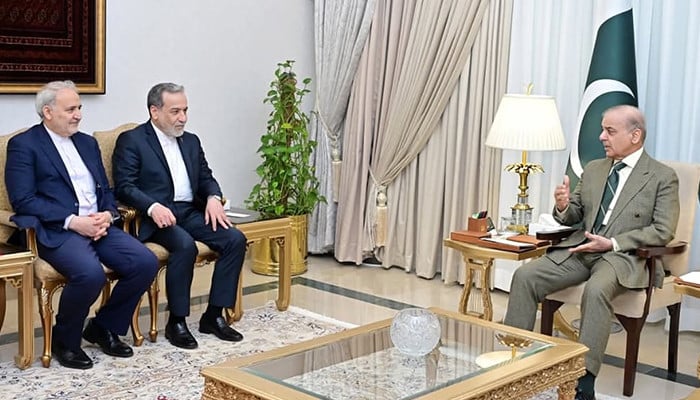
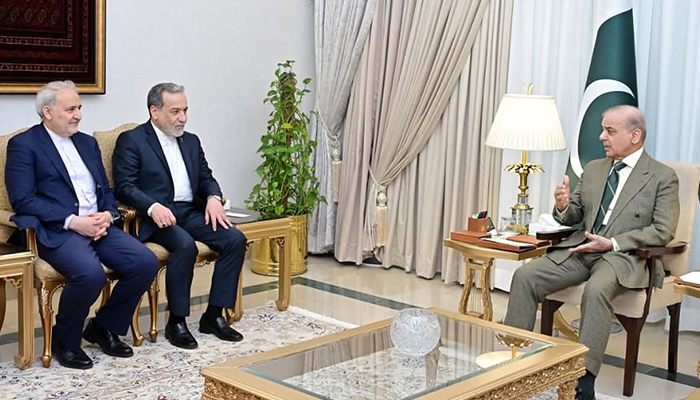
- Iran dismisses US escort plan as counterproductive initiative.
- Dar reiterates diplomacy as only path forward.
- Tehran reviews US response via Pakistani mediators.
Iranian Foreign Minister Abbas Araghchi on Monday night said talks with the United States were making progress with Pakistan’s “gracious effort,” while cautioning Washington against being drawn into further escalation amid a standoff over the Strait of Hormuz.
The statement comes after US and Iran launched new attacks in the Gulf on Monday as they wrestled for control over the Strait of Hormuz with duelling maritime blockades, shaking a fragile truce.
US President Donald Trump launched a new effort to get stranded tankers and other ships through the strait, the vital energy-trade chokepoint that has been virtually closed since the US and Israel began attacks on Iran in February, a war that has killed thousands of people across the region.
Trump gave scant details about his new effort, which he called “Project Freedom,” to help stuck ships travel through the strait when he announced it on social media, two days after a legal deadline under US law had passed for him to get authorisation from Congress for the war. Trump told Congress the war was “terminated” and the deadline was moot, a claim disputed by some lawmakers.
It was the first apparent attempt to use military force since last month’s ceasefire announcement to unblock the world’s most important energy shipping route, which Iran’s Islamic Revolutionary Guard Corps has said can only happen with its permission.
The cost of shipping insurance has also rocketed. For weeks, the US Navy has blockaded Iran’s trade by sea, which Iran says is itself an act of war.
But Trump’s latest move, at least initially, appeared to have backfired, bringing no surge of merchant ship traffic while provoking a promised show of force from Iran, which has threatened to respond to any escalation with new attacks on its neighbours hosting US soldiers. Major shipping companies said they were likely to wait for an agreed end to hostilities before trying to cross the strait.
Meanwhile, Iranian FM Araghchi said Monday’s events showed there was no military solution to the crisis. He said peace talks were progressing with Pakistan’s mediation while warning the US and the UAE against being drawn into a “quagmire by ill-wishers.”
Criticising the US initiative aimed at escorting vessels through the Strait of Hormuz, Araghchi said: “Project Freedom is Project Deadlock.”
Nonetheless, the US military said two US merchant ships made it through the strait, without saying when, with the support of Navy guided-missile destroyers. While Iran denied any crossings had taken place in recent hours, Maersk said the Alliance Fairfax, a US-flagged ship, exited the Gulf via the Strait of Hormuz accompanied by the US military on Monday.
The commander of U.S. forces in the region said his fleet had destroyed six small Iranian boats, which Iran also denied. Admiral Brad Cooper said he “strongly advised” Iranian forces to keep clear of U.S. military assets carrying out the mission.
Iranian authorities released a map of what they said was an expanded sea area now under their control, extending far beyond the strait to include long stretches of the UAE’s coastline.
‘Dialogue and diplomacy’
A day earlier, Deputy Prime Minister and Foreign Minister Ishaq Dar held a telephonic conversation with his Iranian counterpart, during which both sides discussed the evolving regional situation and Pakistan’s ongoing diplomatic efforts.
According to the Foreign Office, Araghchi appreciated Pakistan’s constructive role and mediation efforts, while Dar reaffirmed Islamabad’s commitment to promoting dialogue and engagement.
He stressed that diplomacy remained the only viable path to achieving lasting peace and stability.
Negotiations between Washington and Tehran have remained stalled since a ceasefire took effect on April 8, with tensions centred on Iran’s blockade of the Strait of Hormuz following US-Israeli strikes. The move has disrupted global flows of oil, gas and fertiliser, while the United States has responded by imposing a counter-blockade on Iranian ports.
Pakistan has emerged as a key intermediary in efforts to revive dialogue, hosting high-level engagements between the two sides in Islamabad last month, though a second round of talks has yet to materialise.
— With additional input from Reuters


Climate is now in the cost sheet

Dolly Parton shares health update after canceling Las Vegas residency
[CinePlex360] Please moderate: “Hundreds in Teh

-

 Tech1 week ago
A Brain Implant for Depression Is About to Be Tested in Humans
-
 Business1 week ago
‘I had £20,000 stolen and had to fight a 13-month fraud reporting rule to get it back’
-

 Tech1 week ago
Almost 90% of women leave tech industry within 10 years | Computer Weekly
-

 Sports1 week ago
Pro wrestling star Steph De Lander reveals how colleague’s advice helped lead her to title triumph at ACW
-

 Entertainment1 week ago
Norway joins Type 26 Frigate Programme to boost NATO naval power
-

 Entertainment1 week ago
Melania Trump says ABC should ‘take a stand’ on late-night host Kimmel
-

 Tech1 week ago
This Ambitious Laptop Doesn’t Leave Much Room for Your Hands
-
 Business6 days ago
PSX plunges over 4,800 points | The Express Tribune