Connect with us

Sports

Jay Bilas predicts every game of the 2026 NCAA tournament

Published

on

Jay Bilas predicts every game of the 2026 NCAA tournament
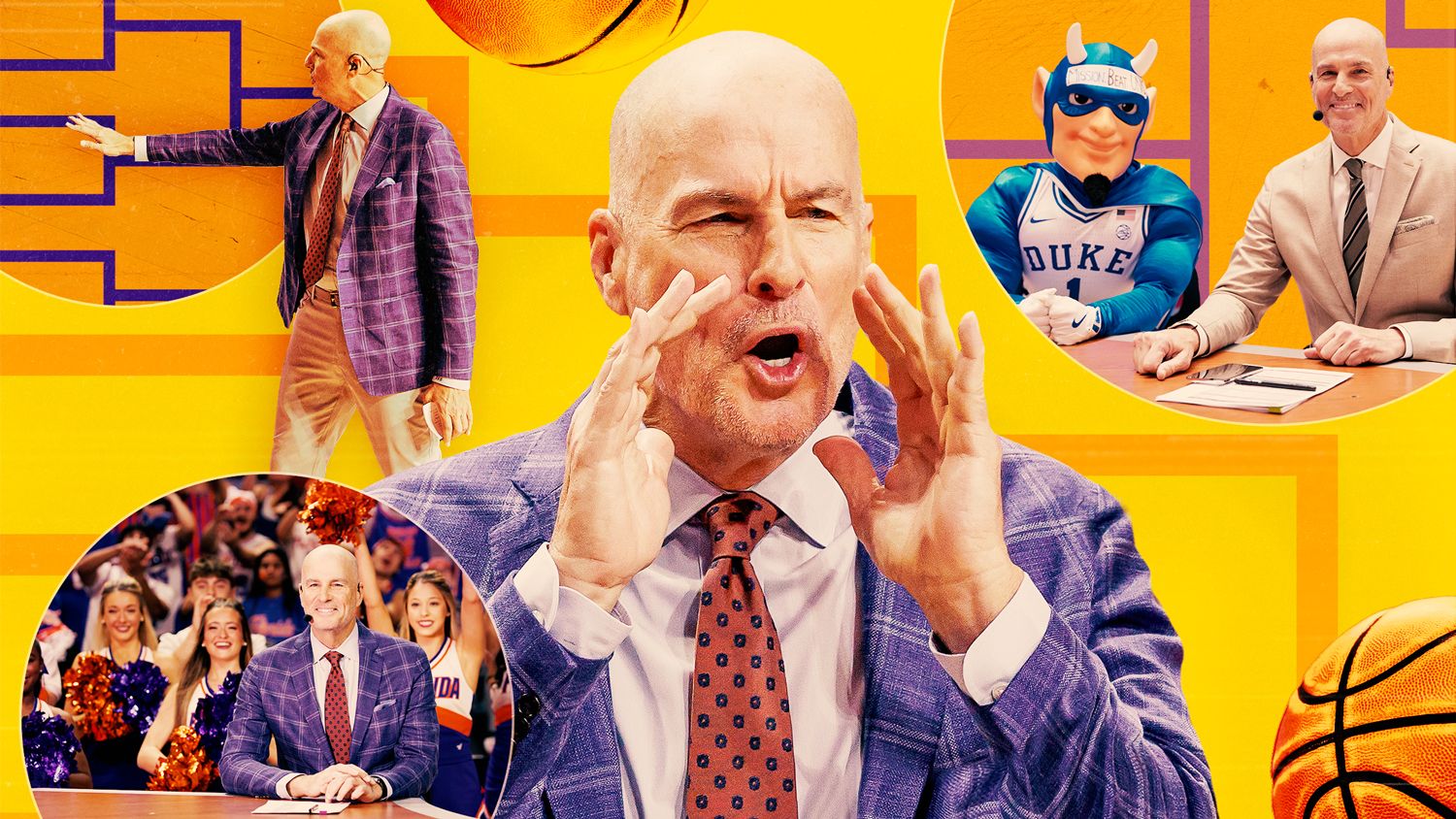

You already know the drill. After my fellow analysts and I have the privilege of calling the SEC championship game in Nashville, Tennessee, we move swiftly to process the men’s NCAA tournament field as it is revealed. Our bosses at ESPN ask us each to fill out a bracket — while we are on the air — so we can reveal our picks before the end of the show.

They give us less than five minutes. Hardly ideal, but perhaps our first instincts are better than considered thought. I decided that I would give you more than five minutes so you can dazzle your friends and win your office pool — and perhaps our Tournament Challenge.

Last season, my bracket was chalky: I had all four No. 1 seeds reaching the Final Four, Houston and Florida advancing to the championship game, and the Gators cutting down the nets. The backlash was swift and unrelenting. I was criticized for not picking an underdog to reach San Antonio. But when the dust cleared, all four No. 1 seeds reached the Final Four, and the Cougars and Gators battled it out for the title. You’re welcome — and I forgive you. All of you.

This season is different. Cinderella just took a year off. The top teams aren’t so much better than the rest of the field, so there will be more surprises. Though picking a bunch of upsets might make you feel good when filling out the bracket, it is a much better feeling to be strategic and win. Pick only the upsets you feel strongly about, the ones you know the winner will lose in the next game. This strategy allows you the upside of early upsets, while limiting the downside if Cinderella’s slipper doesn’t fit later in the tournament.

Here are my best guesses for the bracket. Use your best judgment. And remember: This is supposed to be fun.

EAST REGION

First round

No. 1 Duke Blue Devils vs. No. 16 Siena Saints

The 1 vs. 16 matchup has featured two amazing upsets, when UMBC beat Virginia in 2018 and FDU beat Purdue in 2023. But two wins since the field expanded in 1985 aren’t great odds for Siena. As a rule, take the No. 1 seed. This game matches two coaches who won national championships as players — Jon Scheyer and Gerry McNamara. The difference? Duke has Cameron Boozer.

Winner: Duke


No. 8 Ohio State Buckeyes vs. No. 9 TCU Horned Frogs

The Buckeyes have Bruce Thornton, Ohio State’s all-time leading scorer and a respected player across the country. TCU has David Punch, who scored a season-high 26 points against Oklahoma State in this week’s Big 12 quarterfinals. This is an underrated team, one that beat Florida early in the season. The 8-9 matchup is a coin flip, but I am taking TCU.

Winner: TCU


No. 5 St. John’s Red Storm vs. No. 12 Northern Iowa Panthers

There is usually an upset alert in the 5 vs. 12 game, but St. John’s is too strong — and Rick Pitino does not often lose first-round games. The Red Storm are underseeded. Take the Johnnies.

Winner: St. John’s


No. 4 Kansas Jayhawks vs. No. 13 California Baptist Lancers

Kansas was awful in its Big 12 tournament loss to Houston — the Jayhawks’ 47 points were by far their fewest of the season. Regardless, they should win this game thanks to Flory Bidunga protecting the rim.

Winner: Kansas


No. 6 Louisville Cardinals vs. No. 11 South Florida Bulls

One thing is for sure in this game: There will be a lot of long rebounds because both teams like to shoot 3s. This is a great upset pick: Mikel Brown Jr. has been out because of a sore back, and South Florida is tough. It’s worth rolling the dice on this one because Michigan State will likely beat either team.

Winner: South Florida


No. 3 Michigan State Spartans vs. No. 14 North Dakota State Bison

The months go: January, February, Tom Izzo. Take the Spartans.

Winner: Michigan State


No. 7 UCLA Bruins vs. No. 10 UCF Knights

The Bruins have Donovan Dent, one of the five best point guards in the nation, but UCF has Themus Fulks, Jordan Burks and the Big 12’s version of Draymond Green in Jamichael Stillwell. With UCLA banged up, the Knights are worth a flier.

Winner: UCF


No. 2 UConn Huskies vs. No. 15 Furman Paladins

Though the Huskies have not been as dominant as many expected this season, this is still a really good team. Furman’s Alex Wilkins has been one of the best freshmen in the country, but UConn’s interior should be the difference.

Winner: UConn

Second round

No. 1 Duke vs. No. 9 TCU

Even banged up, Duke should win, although TCU should be a really tough out. Could the Blue Devils lose? Yes. Still, take them — a lot of brackets will be busted, so the rest of your choices will carry you.

Winner: Duke

play

1:29

Why Duke has a ‘very, very difficult’ draw in the East

Jay Bilas, Jay Williams and Seth Greenberg examine potential roadblocks for Duke in the East Region.


No. 4 Kansas vs. No. 5 St. John’s

Though Kansas can beat anyone, the Jayhawks can also lose to just about anyone. And St. John’s isn’t just anyone.

Winner: St. John’s


No. 3 Michigan State vs. No. 11 South Florida

As we established earlier, I trust Michigan State in March. Jeremy Fears Jr. is the difference — and he’s coming into the tournament hot, having scored 20-plus points in each of his past four games.

Winner: Michigan State


No. 2 UConn vs. No. 10 UCF

I don’t have UConn as a Final Four team this year, but the Huskies are a second-weekend team.

Winner: UConn

Sweet 16

No. 1 Duke vs. No. 5 St. John’s

This one will depend on Duke’s health. If Patrick Ngongba II is healthy, the Blue Devils win. If not, that lowers Duke’s ceiling — and the Johnnies can absolutely prevail. Still, unless you went to St. John’s, take Duke in this one.

Winner: Duke


No. 2 UConn vs. No. 3 Michigan State

Both teams are experienced and worthy of the Elite Eight. But the Huskies are coming into the tournament cold after a loss in their regular-season finale to Marquette and then a rout by St. John’s in the Big East final. I like Michigan State’s draw, and the fight the Spartans show — they’ve beaten No. 5 Illinois and No. 8 Purdue in the past six weeks, and played tough against Michigan twice.

Winner: Michigan State

Elite Eight

No. 1 Duke vs. No. 3 Michigan State

These two played in East Lansing earlier this season, with Duke winning 66-60. Michigan State has a great chance to avenge that loss. The Blue Devils would win a seven-game series, but this is only one. Go with Green.

Winner: Michigan State

SOUTH REGION

First round

No. 1 Florida Gators vs. No. 16 Prairie View A&M / Lehigh Mountain Hawks

Florida is too big and strong inside for an upset here. Take the Gators. Chomp, chomp.

Winner: Florida


No. 8 Clemson Tigers vs. No. 9 Iowa Hawkeyes

The Tigers are big and well-coached, but the Hawkeyes have Bennett Stirtz, one of the best shotmakers in college basketball, who is averaging 20.2 points, 3.4 rebounds and 5.1 assists. Take Iowa. Neither beats Florida, anyway.

Winner: Iowa

No. 5 Vanderbilt Commodores vs. No. 12 McNeese Cowboys

This 5 vs. 12 matchup is always a trendy upset pick — and then-No. 12 McNeese beat Clemson last year. But in this case, Vanderbilt’s guards, Tyler Tanner and Duke Miles, are too good for a Cowboys upset. Take Vandy.

Winner: Vanderbilt


No. 4 Nebraska Cornhuskers vs. No. 13 Troy Trojans

The Trojans won at San Diego State and lost in triple overtime at USC. Troy can play. And though Nebraska has never won an NCAA tournament game, this year ends that drought.

Winner: Nebraska


No. 6 North Carolina Tar Heels vs. No. 11 VCU Rams

This is a scary game for the Tar Heels. Without Caleb Wilson, they have a lower ceiling. North Carolina is better and should win. But VCU is a fair upset pick here.

Winner: North Carolina


No. 3 Illinois Fighting Illini vs. No. 14 Pennsylvania Quakers

The Quakers have TJ Power, who had 44 points against Yale in a magnificent performance. But this Illinois team is very talented, especially on the offensive end — and after all, the Illini’s freshman phenom, Keaton Wagler, topped that mark with 46 points against Purdue in January. Illinois wins.

Winner: Illinois


No. 7 Saint Mary’s Gaels vs. No. 10 Texas A&M Aggies

Talk about a contrast in styles. Texas A&M under Bucky McMillan wants to get up and down the floor; the Aggies want to press, they want to be annoying. But Saint Mary’s is going to be a problem to play against. It seems different to take Saint Mary’s here and call it chalk, but the Gaels will slow the game down.

Winner: Saint Mary’s


No. 2 Houston Cougars vs. No. 15 Idaho Vandals

The Cougars have Kingston Flemings, one of the best freshmen in the country and a certain lottery pick. Houston’s defense is too good for an upset pick here.

Winner: Houston

Second round

No. 1 Florida vs. No. 9 Iowa

Florida has arguably the best frontcourt in the nation, featuring Thomas Haugh (an SEC Player of the Year contender); Rueben Chinyelu, an elite defender; and Alex Condon. Size matters. With a big game from Stirtz, Iowa could certainly win this game, but I favor Florida.

Winner: Florida


No. 4 Nebraska vs. No. 5 Vanderbilt

This is a great matchup. Nebraska can beat almost anyone, but Vanderbilt’s guards will be the difference. It’s a close call, but take Duke Miles’ Commodores. He made a steal in the SEC final on Sunday at midcourt against Arkansas with his left hand that I thought was one of the best thefts I’ve seen all season long. He’s legit.

Winner: Vanderbilt


No. 3 Illinois vs. No. 6 North Carolina

Illinois can make life difficult for North Carolina, which will be relying on Henri Veesaar (16.7 points per game) in Wilson’s absence. With Wagler leading a group of five Illini averaging double digits, Illinois just has too many scorers.

Winner: Illinois


No. 2 Houston vs. No. 7 Saint Mary’s

Houston can play against fast or slow teams — and can match Saint Mary’s physical, slower pace. The Gaels can win, especially if the Cougars shoot poorly, but I favor Houston.

Winner: Houston

Sweet 16

No. 1 Florida vs. No. 5 Vanderbilt

In a rematch of the SEC tournament semifinals, this time Florida will have a little extra motivation. The Gators turned it over too much in that game against Vanderbilt’s pressure and steal-happy guards, Tyler Tanner and Duke Miles. Despite the Commodores’ talent there, Florida is bigger and stronger. Vandy will score, but Florida will be out for payback.

Winner: Florida

play

1:19

Is the South region set up for a Florida-Vandy Sweet 16 rematch?

Seth Greenberg and Jay Bilas break down top-seed Florida’s path in the South Region, with a potential rematch against Vanderbilt in the Sweet 16.


No. 2 Houston vs. No. 3 Illinois

Illinois has the better offense, and Houston has the better defense. I am taking offense in this one, but it’s an agonizing choice. Take the Illini, but understand the Cougars are fully capable of winning.

Winner: Illinois

Elite Eight

No. 1 Florida vs. No. 3 Illinois

If the adage goes that guards win in March, well, Illinois has better guards. Keaton Wagler and Kylan Boswell will be the difference, even as Florida is better inside and on the glass. I am taking the Illini because they can rain down 3s over the Gators’ big men.

Winner: Illinois

WEST REGION

First round

No. 1 Arizona Wildcats vs. No. 16 Long Island University Sharks

The Sharks are coached by Rod Strickland, one of the best point guards in college hoops history, but he cannot play in this one. Arizona is too good, and remember: The 16-seed wins less than 1% of the time.

Winner: Arizona


No. 8 Villanova Wildcats vs. No. 9 Utah State Aggies

There is no such thing as an upset in the 8-9 game, but Utah State winning would feel like one. Mason Falslev is the Mountain West Player of the Year and MJ Collins Jr. is a good 3-point shooter. This is a coin flip, but take Utah State. Either team is likely to lose to Arizona in the next round.

Winner: Utah State


​​No. 5 Wisconsin Badgers vs. No. 12 High Point Panthers

High Point can really score and has had a great year, but Wisconsin is the pick here. The Badgers have really good guards in Nick Boyd and John Blackwell — and in fact this team can provide a tough matchup for Arizona down the line.

Winner: Wisconsin


No. 4 Arkansas Razorbacks vs. No. 13 Hawai’i Rainbow Warriors

The Rainbow Warriors can slow the game down against the Razorbacks, but Arkansas freshman Darius Acuff Jr. is the type of player who can carry a team to a Final Four. This is a tempting upset pick, but I am going with Arkansas.

Winner: Arkansas

No. 6 BYU Cougars vs. No. 11 Texas Longhorns/NC State Wolfpack

I like Texas to beat NC State because the Longhorns have size and good guards and wings. BYU has the nation’s leading scorer in AJ Dybantsa, but the Cougars can struggle to score beyond him and Robert Wright III. BYU isn’t the same team it was earlier in the year, and I think its seed reflects what it was earlier in the year rather than late. I’m taking a flier on Texas here.

Winner: Texas


No. 3 Gonzaga Bulldogs vs. No. 14 Kennesaw State Owls

History tells us Gonzaga will advance — the Bulldogs haven’t lost before the second round since 2008. Coach Mark Few lives in the Sweet 16.

Winner: Gonzaga


No. 7 Miami Hurricanes vs. No. 10 Missouri Tigers

Miami has had a great season — no team improved more year-over-year than the Hurricanes, who picked up 18 more wins — but I like Missouri in this one, led by Mark Mitchell‘s 18.3 points per game. This is a coin flip, so take the upset pick.

Winner: Missouri


No. 2 Purdue Boilermakers vs. No. 15 Queens University Royals

Queens, in its first NCAA tournament appearance, brings six players averaging double-figure scoring — but Purdue, coming off a Big Ten title and win in its rematch against Michigan in the final, is finally playing like the team we imagined at the start of the year. Braden Smith is the best point guard in the country. Purdue wins.

Winner: Purdue

Second round

No. 1 Arizona vs. No. 9 Utah State

Whether it is against Villanova or Utah State, Arizona is too big and talented to lose before the second weekend. The Wildcats have four wins against top-10 opponents in just the past month and seem to be picking up steam — they haven’t lost since Feb. 14. Utah State is a tough out, but Arizona advances.

Winner: Arizona


No. 4 Arkansas vs. No. 5 Wisconsin

Wisconsin has good shooting big men who can make things challenging for Arkansas — in fact, I think the Badgers present a tough challenge for Arizona if they get to the second weekend. They can rain down 15 3s in a game — that’s what they did to Michigan. But the Razorbacks have Darius Acuff Jr., and nobody else does.

Winner: Arkansas

play

0:41

Can Darius Acuff Jr. carry Arkansas to a national title?

Jay Bilas wonders if freshman Darius Acuff Jr. is talented enough to lead Arkansas out of the West Region and into the Final Four.


No. 3 Gonzaga vs. No. 11 Texas

The Zags are playing without Braden Huff — and his 17.8 points and 5.6 rebounds per game — which limits their offense and defense. Gonzaga is the better team, but consider taking a flier here. Texas is a sneaky 11-seed because of its size, Dailyn Swain‘s ability to score and Sean Miller’s coaching chops.

Winner: Texas


No. 2 Purdue vs. No. 10 Missouri

The Boilermakers can give pause, but they’ve got a decent draw, and Braden Smith is the separator. He’s averaging 9.0 assists per game (second in the country) and is shooting at the best clip of his career.

Winner: Purdue

Sweet 16

No. 1 Arizona vs. No. 4 Arkansas

Darius Acuff Jr, meet Koa Peat. Two of the best freshmen in the country would face off in this matchup, featuring two first-round NBA draft talents. Acuff is the bigger star. He’s gravity: He pulls defenders to him, and then he kicks it out. But Arizona is more talented all-around, and the Wildcats escape from this challenging matchup.

Winner: Arizona


No. 2 Purdue vs. No. 11 Texas

The Longhorns have size and talent, but Purdue will win this game.

Winner: Purdue

Elite Eight

No. 1 Arizona vs. No. 2 Purdue

While very young at key spots, Arizona is simply bigger and more talented. Purdue is more experienced and will not be afraid of Arizona. But I love the Wildcats here.

Winner: Arizona

MIDWEST REGION

First round

No. 1 Michigan Wolverines vs. No. 16 UMBC Retrievers/Howard Bison

Michigan lost L.J. Cason for the season a few weeks ago, which certainly limits the trajectory of the season for the Wolverines. But not yet. Again: 16-seeds are not good bracket choices. Even if the nearly impossible happens, the 16-seed is very likely to lose the next game.

Winner: Michigan


No. 8 Georgia Bulldogs vs. No. 9 Saint Louis Billikens

Saint Louis hunts great shots and runs a beautiful offense. Georgia has better athletes — sophomore Jeremiah Wilkinson averages 17.0 points per game — and can beat Saint Louis in transition.

Winner: Georgia


No. 5 Texas Tech Red Raiders vs. No. 12 Akron Zips

There’s an argument to be made that Akron had a better résumé than Miami (Ohio) — and maybe was even the better team, even though the RedHawks won the one head-to-head meeting. The Zips are legit, and they’re going to be a tough out. But if Christian Anderson is healthy and can find Donovan Atwell, one of the best shooters in America, for open shots, Texas Tech takes this one.

Winner: Texas Tech


No. 4 Alabama Crimson Tide vs. No. 13 Hofstra Pride

The Crimson Tide will have the best player on the floor in Labaron Philon Jr. (21.7 PPG), who had 28 points on 56% shooting in the SEC quarterfinal loss to Ole Miss.

Winner: Alabama


No. 6 Tennessee Volunteers vs. No. 11 Miami (Ohio) RedHawks/SMU Mustangs

Miami (Ohio) is really good. So is SMU — and the Mustangs are finally getting healthy and have better talent. That matters. Take SMU in the First Four, but neither will get past Tennessee in the first round. Ja’Kobi Gillespie has been a great addition to that team, and as long as the Vols play with the kind of defensive intensity that they usually do under coach Rick Barnes, I think they get past either team.

Winner: Tennessee

play

1:45

Why Jay Bilas believes Miami (OH) should’ve avoided the First Four

Jay Bilas doesn’t agree with Miami (OH) needing to play in the First Four in the Midwest region.


No. 3 Virginia Cavaliers vs. No. 14 Wright State Raiders

Virginia is underrated and a very good defensive team, allowing just 68.4 points per game (top-50 in the country, fourth in the ACC). The Wahoos send Wright State home early on the back of Thijs De Ridder, the standout freshman forward from Belgium.

Winner: Virginia


No. 7 Kentucky Wildcats vs. No. 10 Santa Clara Broncos

Kentucky is banged up and inconsistent, and Santa Clara is big, skilled and has positional size at almost every position. To be clear: Kentucky could very well get upset here. I’m picking the Wildcats, though, assuming Otega Oweh has another big game.

Winner: Kentucky


No. 2 Iowa State Cyclones vs. No. 15 Tennessee State Tigers

The Cyclones are among the nation’s best defensive teams, scoring almost 20 points per game off turnovers. The only pause you should have here is Iowa State’s inconsistent free throw shooting. Everything else is Final Four quality.

Winner: Iowa State

Second round

No. 1 Michigan vs. No. 8 Georgia

The Bulldogs have played and beaten some great teams — but none as good as Michigan. Yaxel Lendeborg is a legit star. one of the best two-way stars in the country. He and the Wolverines will not lose here.

Winner: Michigan


No. 4 Alabama vs. No. 5 Texas Tech

The Crimson Tide do not defend at the highest level, but they can really shoot it. Philon is a dude, but so are Latrell Wrightsell and Amare Allen. They’ve got a bunch of guys who can score. The shotmaking Alabama team takes it.

Winner: Alabama


No. 3 Virginia vs. No. 6 Tennessee

Virginia can protect the paint and the 3-point line, but Tennessee is physical and pounds the offensive glass. The Vols are better with Nate Ament in the lineup, and he returned for the SEC tournament. If he can approach his season averages of 17.5 points and 6.6 rebounds per game, alongside Gillespie’s talent, they should take it.

Winner: Tennessee


No. 2 Iowa State vs. No. 7 Kentucky

Kentucky is wounded and a bit worn down. Iowa State has Joshua Jefferson, one of the most versatile and talented point forwards in the game — who happens to be averaging career highs in points (16.9), rebounds (7.6) and assists (4.9) as a sophomore. Advance Iowa State.

Winner: Iowa State

Sweet 16

No. 1 Michigan vs. No. 4 Alabama

I think Michigan is clearly the best team in this region, but if I’m the Wolverines, Alabama is the one team I wouldn’t want to play. If Alabama makes shots, the Crimson Tide can beat Michigan. Hell, if Alabama hits shots, the Crimson Tide can beat anyone. That said, I go with Lendeborg. Advance Michigan in your bracket. I already have.

Winner: Michigan


No. 2 Iowa State vs. No. 6 Tennessee

Coach Rick Barnes’ Volunteers are always standouts on defense, but here, they meet their match. The Cyclones are one of the five best defensive teams in the nation. If they can force Tennessee into turnovers — the Vols have not been great at taking care of the basketball late — they’ll win this game. Iowa State is the real deal.

Winner: Iowa State

Elite Eight

No. 1 Michigan vs. No. 2 Iowa State

If L.J. Cason were available, I would take Michigan in this game. But Iowa State is just too good on the defensive end. The Cyclones are the best team in this region, and they’ll get it done here.

Winner: Iowa State

FINAL FOUR

No. 3 Michigan State vs. No. 3 Illinois

Apparently I like surly coaches — maybe that’s why I’m going with Brad Underwood and Tom Izzo. These two are going to prepare their teams well, and it will be a great matchup of the nation’s best offense in Illinois and a top-10 defense in Michigan State. Izzo hasn’t been to the national championship game since his squad won in 2000 — that changes this year.

Winner: Michigan State


No. 1 Arizona vs. No. 2 Iowa State

Arizona hasn’t been to the Final Four since 2001, but coach Tommy Lloyd won’t be satisfied with just that. This Arizona team is good enough to compete for a national title, and it gets it done against Iowa State.

Winner: Arizona

National Championship

No. 1 Arizona vs. No. 3 Michigan State

In the battle of droughts, the West will be won: Arizona wins its first championship in nearly 20 years.

Winner: Arizona


Source link

Continue Reading
Click to comment

Leave a Reply

Your email address will not be published. Required fields are marked *

Sports

Lionel Messi scores 900th goal, but Miami bounced from CCC

Published

on

Lionel Messi scores 900th goal, but Miami bounced from CCC


Lionel Messi became just the second men’s player in history to score 900 goals in official matches after scoring in Inter Miami‘s 1-1 Concacaf Champions Cup second-leg draw with Nashville SC on Wednesday.

The first leg ended in a 0-0 draw, so Wednesday’s result means Miami is eliminated from the CCC on the away goals rule, as a strike by Nashville’s Cristian Espinoza proved decisive when he cancelled out the early goal from Messi to send his team through.

After missing the chance to hit 900 in his past two games, Messi wasted no time in the second leg, picking up a pass in the box, cutting to his left and then firing back across goal to give Miami the lead inside of 10 minutes.

But Espinoza scored midway through the second half with a superb strike following a scramble in front of the net, and Miami could not find a go-ahead goal in the closing minutes as its Champions Cup run came to an end.

After the game, Miami manager Javier Mascherano said his team was disappointed, but that there was still plenty of work for the team to do going forward.

“Clearly, it is a very sad night, full of disappointment. We had high hopes of advancing in the competition — a tie that was very evenly matched — and today we took the lead on the scoreboard,” Mascherano said. “We had several chances to score another goal or two, especially in the first half. Well, the match was clearly in jeopardy, as it was a very tight contest against a formidable opponent.

“Regrettably, we conceded a goal following a somewhat unfortunate sequence of events; things happen, and we ended up getting knocked out. The reality is that I have absolutely nothing to reproach the players for. They gave their absolute maximum and did everything humanly possible; ultimately, the person truly responsible for this elimination is me.”

Nashville coach B.J. Callaghan paid tribute to Messi after the game, saying: “900 goals, congratulations to him. He’s the best.”

The Argentina captain joined Cristiano Ronaldo as the only men’s players to reach 900 goals with his strike Wednesday. Ronaldo achieved the feat in September 2024.

Ronaldo has 965 goals and has made it clear he wants to clear the 1,000-goal threshold before retiring. It took Messi 1,142 games to get to 900, while Ronaldo needed 1,236 matches to reach the mark.

Brazilian great Pele stands third on the all-time list with 765. Among active players, Barcelona‘s Robert Lewandowski is a distant third behind Ronald and Messi, with 690.

Messi went into Wednesday’s match with 899 goals since his professional debut with Barcelona on Oct. 16, 2004.

The majority of Messi’s goals come from his time in Spain with Barcelona. He totaled 672 before adding to his tally with 81 at Inter Miami and 32 at Paris Saint-Germain. Internationally, the reigning World Cup champion has recorded 115 goals for the Argentina national team.

The most prolific year of Messi’s career came in 2012, when he scored a combined 91 goals for Barcelona and Argentina.

His recent goal-scoring efforts propelled him to the 2025 MLS Golden Boot; he netted 29 goals throughout the regular-season campaign to become the league’s top scorer. He also earned the 2025 MLS MVP award, becoming the first player to win the award on consecutive occasions.

But Messi is no stranger to making history. The eight-time Ballon d’Or winner set the world record for most goals scored in a single calendar year when he netted 91 in 69 games in 2012, scoring 79 for Barcelona and 12 for Argentina. He also stands as the fastest player to score 100 goals in the Champions League by doing so in 123 games.


Source link

Continue Reading

Sports

How assistant managers handle players, personal ambition

Published

on

How assistant managers handle players, personal ambition


When Tijjani Reijnders scored Manchester City‘s opener against Nottingham Forest in December, Pep Guardiola’s first thought was to turn and recognize assistant manager Pep Lijnders’ contribution. “You did that!” Guardiola shouted to Lijnders.

At halftime, Lijnders had relayed some weaknesses he’d seen in the way Forest defended, and three minutes into the second half, City found the breakthrough. A ball in behind Forest’s defensive line found Reijnders, who fired back across goalkeeper Matz Sels to give City the lead.

Some of City’s success under Guardiola comes from inspiration drawn from those around him. Guardiola has seen ex-assistant managers Mikel Arteta (Arsenal) and Enzo Maresca (formerly Chelsea) become managers for Premier League rivals — a testament to Guardiola’s teaching. This season, the new additions were Lijnders, Jürgen Klopp’s former assistant at Liverpool, and Kolo Touré. “They inspire me and I learn a lot, all of them,” Guardiola said last month. “Today in modern football, you cannot do it alone. Now you need incredible staff to support you.”

Messi hits 900 career goals: Can he reach 1,000? Can he pass Ronaldo?
Giving Morocco AFCON title was correct, but why did CAF take so long?
A back three isn’t always defensive: It might be just what your team needs

Behind every successful manager is an accomplished No. 2 who played a crucial role in making that success possible. There are many examples over the years: Alex Ferguson’s dynasty at Manchester United was aided by Brian Kidd, Steve McClaren and Carlos Queiroz, similar to Guardiola’s approach of learning and evolving thanks to new voices. At Liverpool there was Bob Paisley and Bill Shankly, and in the 1970s and ’80s, assistant Peter Taylor formed a famous double act with Brian Clough at both Derby County and Nottingham Forest.

“What is important is their knowledge, their honesty, their loyalty, and of course their competence in every subject, as well as their winning attitude,” former Arsenal manager Arsène Wenger said. “They are the guys who can get easier into the heart of the players because they do not make the decisions.”

But the role is changing and the demands are different these days as assistants must wear different hats simultaneously: therapist, tactician, planner, diplomat, and analyst. So what’s it really like to be an assistant manager?

Paul Nevin and John Carver have spent years working with managers like Gareth Southgate, Bobby Robson, Alan Pardew and David Moyes and are well equipped to provide insight into the selfless, but essential, job. As Canada manager Jesse Marsch said: “My assistant and video analyst are like my right-hand men. They often know me better than I know myself!”


‘I don’t think people understand the intensity of it all’

Before earning a UEFA Conference League medal in 2023 and becoming a key figure of Southgate’s time in charge of England, Paul Nevin was a lower-league professional player. He stepped into coaching under Jean Tigana at Fulham, and in the years since, the 53-year-old has been an assistant under Moyes at West Ham United and Patrick Vieira at Strasbourg, while maintaining his England duties with Southgate from 2021 to ’24.

“You’ve got to know yourself first before you can really help and assist someone else,” Nevin said. “As an assistant manager, you must be self-aware and stick to your core principles.”

There are two types of assistant managers. First, there are those who follow a specific manager wherever they go: think Clough and Taylor. For more contemporary examples, think Roy Hodgson and Ray Lewington, or Mauricio Pochettino and Jesús Pérez. Nevin falls in the other school. “I like working with different managers and trying to adapt to what they need and how you can support that,” he said.

Wenger, now FIFA’s chief of global football development, looked for certain characteristics in his assistant managers. “I liked to have my closest assistant represent the culture of a local team and country, which helps you to not make too many mistakes,” Wenger said. “Pat Rice was ready to die for Arsenal Football Club, and the same with Steve Bould. When I arrived at Arsenal, Pat Rice was a big help for me because he knew the club inside out. We were in touch before I arrived, and he was exceptional — a very helpful man and a top-quality coach.”

“When you do well in your life, most of the time it’s down to the fact you have good people around you.”

Nevin said role clarity is crucial at the start of a new working relationship. “The worst thing that can happen is, as an assistant, you go in with one expectation and the manager’s got a different expectation. Somebody’s going to get frustrated very, very quickly.”

When a team is stuck in a Saturday-midweek-Saturday match schedule, the assistant manager usually plans everything: training, liaising with the right people on travel (even down to things like sleep patterns) and ensuring all logistical matters are taken off the manager’s plate. “The manager will still tweak things, but doing all that allows them to make informed decisions with the minimum amount of time committed to the nuts and bolts of it all,” Nevin said.

The assistant manager can also deliver pre- and post-training talks to players, highlighting anything more detailed than the manager’s key messages. “I don’t think people understand the intensity of it all: the prepping, the review, the delivery, and then the performance,” Nevin said. “That cycle just goes, goes, goes. You have to work hard on bringing freshness as those December to March months can be very difficult, dark nights.”

Over the past decade, the assistant’s role has evolved to include liaising with the analysts, set-piece coaches and other technical staff. With so much information available, the assistant has become increasingly important as the person who can distill it all for the manager. “If we had someone from each department pass on their information to the manager, it would be chaos,” Carver said.

Judging the mood and picking the right moments

Players can instantly spot how the dynamic between a manager and their assistant works. If a manager has a strong personality and is hands-on, the assistant will have a more logistical role. But if the dynamic is flipped, the assistant’s man-management capabilities are key. “The assistant manager is really important if the manager is standoffish, a tough guy who speaks to you on game day and around meetings but not really much in training,” former center back Curtis Davies said.

Everything is a balancing act. Whether they’re dealing with elite players such as Harry Kane, Alan Shearer and Jude Bellingham, as Nevin and Carver have, or helping to integrate the new signing who doesn’t know anyone, it’s up to the assistant manager to maintain a sense of equilibrium.

“Sometimes the manager has to be the bad cop, so the assistant has to play good cop,” Carver said. “You have to feel the room, understand it, smell it, and go and put an arm around certain players, and try and have a conversation where you’re not undermining the manager, but you’re trying to help the player and the manager and the club come together.”

Carver started working at Newcastle United in 1991, leading their youth development, and held various roles until former Netherlands international Ruud Gullit appointed him his assistant manager in 1998. Gullit left a year later; his replacement, Bobby Robson, kept Carver on, and the pair worked through to his departure in 2004. He’s now manager of Lechia Gdansk in the Polish Ekstraklasa, but has also been an assistant for Scotland, Leeds United and Sheffield United, among other teams, and also managed MLS side Toronto FC across a rich career.

Carver said building trust with the manager is key as it is with the dressing room, and former Man City and Queens Park Rangers defender Nedum Onuoha agrees. “A good assistant manager is a great intermediary between you and the head coach. They’re warm and trustworthy. Though a bad one can be a snake,” he said.

England and Brighton & Hove Albion forward Fran Kirby believes the No. 2 should be approachable for the players. She said: “The assistant manager should be the one that is more a people person. They’re the ones the players can speak to as they don’t make the rough and tough calls.”

Arjan Veurink was Sarina Wiegman’s longtime assistant across the Netherlands and England national teams, and Veurink would more likely be the one asking about how things are at home. “He would know more about your life, and would have more personal conversations to check in with you,” Kirby said.

Some conversations, though, are directed straight to the manager. “Ultimately the manager makes the selection calls, so if a player has a direct issue with selection, then that needs to come from the manager,” Nevin said. “But if there’s a conversation about an element of your game you need to improve, for example, then we can work on that.”

It’s not plain sailing; the partnership between manager and assistant is sometimes tested. Carver said one of the key things he learnt from his first job as assistant under Gullit was to trust his instincts. “You can’t be a yes man, and you have to give your opinion,” Carver said. “It’s then down to the manager to make the decision, and you back that decision 100%. You need to have a clear conscience.”

When Nevin worked with Moyes at West Ham, all his fellow assistants (Kevin Nolan, Alan Irvine, Stuart Pearce) had also held manager roles. Moyes wanted staff around him who could relate to the pressure of the job. “When you’re in a tough run of form, it’s about the skill of judging how to get a message to land,” Nevin said. “I think you can still [say to the manager], ‘Right, I know you don’t want to hear this, but I’m going to tell you this.’ And then it’s down to trust and respect. The manager will want to hear it and then may well respond, ‘No, thanks for that, but I disagree. I’m going with this.’ That’s all part of it.”

Never in the headlines

You’ll catch glimpses of the assistants on the sideline during every game, but how long you see them largely depends on the manager’s preference. “There are some managers that wouldn’t want their assistant to be up and down off the bench on the sideline, but I’ve been fortunate to work with managers that really welcomed my input on the sideline and was open to me intervening whenever was needed,” Nevin said.

Carver fine-tuned his own approach through years of experience. At Scotland’s national ground, Hampden Park, the distance between the bench and the technical area was significant, so Carver would pick his moments. “I would wander down after 20 minutes and say to [manager Steve Clarke], ‘Steve, what are you thinking?’ Just to get a feeling for what he was thinking about because I’m watching the game from a tactical point of view further back. I’d listen, go away, digest it and head back with my feedback.”

Regardless of the role’s evolution, some principles stay the same. Both Nevin and Carver feel the assistant should never be in the headlines. If they are, then something has gone wrong. “The manager’s the leader,” Carver said. “I would never ever go into the technical area and start shouting.”

Assistants can end up on the wrong side of the officials, or in arguments with the opposition bench over a contentious decision. In 2013, after an awful knee-high tackle by Wigan Athletic‘s Callum McManaman that escaped punishment from referee Mark Halsey, Carver had words for McManaman at halftime. The Wigan bench responded by pushing and shoving Carver, and a scuffle ensued. Carver was red-carded by Halsey, who later said missing that tackle was the worst call of his refereeing career.

United States men’s national team coach Pochettino bans his coaches from interacting with the opposition bench, but you frequently see tempers boiling over. “If it’s a regular occurrence, then that’s an issue,” Nevin said. “It’s important the manager remains the decision-maker and is in the spotlight.”

Handling the pressure

When a team is going through a rough patch — usually after conceding a goal — you’ll see the TV cameras pan to the manager and catch his thousand-yard stare or his brief look of sheer anguish. “You feel that exactly the same, but you have to be even more vigilant,” Carver said. “You have to protect them even more if you can. … If your manager is under pressure, you’re there with them shoulder to shoulder.”

“[Loyalty] is the most important thing, and something I look at in friendships, too. It’s all or nothing,” Sabrina Wittmann, manager of Germany’s FC Ingolstadt, said. “Building trust is important as they know what’s important to me, and how I lead a team. It’s the most important position for me, and if you are to achieve long-term success, it’s because you’re working as a team.”

From providing advice to managers ahead of post-match media duties to putting an arm around them in quiet moments, assistants are there to provide whatever support is needed. “[Being a manager] can be so lonely most of the time,” Guardiola said in February. “Even surrounded with a lot of players, you can feel lonely, and you need people close to you can rely on and trust in the bad moments, and to have the ability to make you convinced that there are positive things even in defeats.”

In international tournaments, teams can spend seven weeks non-stop with one another. Relationships are tested, but the strength of the coaching group can help maintain general morale. Nevin was on the England staff under Southgate for the Euros in 2021, the 2022 World Cup and Euro 2024. “Within those periods, life goes on,” he said. “There are births, deaths, and the impact those things have within camp and the stress, can cause things to explode. So it’s about how you control the noise, and keeping the ship steady inside.

“[Southgate] was so good at that. Even when he was in the middle of the height of criticism, you couldn’t tell with him. He was the same. He never brought negativity to the camp, and it was amazing to witness.”

Aiming for the top job

At some stage, the itch to branch out on your own becomes too hard to ignore. There’s a history of assistants doing well as managers — Arteta and Zinedine Zidane come to mind. But there are also cautionary tales such as Lijnders at RB Salzburg or Mike Phelan at Hull City.

Assistants are sometimes thrust into the hot seat when the manager is dismissed. A successful spell can lead to their job shifting to caretaker, interim or even permanent manager. But it’s a hard gig. “I would never [be a caretaker] again,” Carver said. “If you’re well-connected with the manager, then your ideas are the same as his. So you won’t really offer anything different.”

By accepting the manager role at Lechia Gdansk in November 2024, Carver called time on his assistant role with Scotland. “I’ve always had in the back of my mind, ‘I still want to have a proper go at management,'” he said. “I felt I was more qualified now after everything I went through Newcastle and in Cyprus, and you never stop learning. Luckily Steve [Clarke] gave me his blessing, and he knew I’d always wanted to go alone again at some point.”

Nevin is currently between jobs and is waiting for the next opportunity. He remains open-minded on whether it’ll be a manager or assistant manager role next. “I’m very much a hands-on coach, and it is becoming harder and harder for a manager to be on the grass all the time.”

Both know the dynamics of each role. Even if you’re a successful assistant, you’ll still be in the shadows. It can be seen as a pretty thankless task, but longtime assistant managers have an immense sense of pride and fulfilment at what they’ve achieved.

“I won a trophy with West Ham, and nobody needed to say thank you to me then. It’s the biggest thing I’ve achieved,” Nevin said. “You get those sorts of rewards, and across the country, there are so many amazingly talented coaches working in academies, youth systems, schools and at weekends helping children, and they don’t get any recognition. So you learn that fulfilment comes through other ways.”

“Praise and recognition used to matter more to me when I was younger,” Carver said. “But the more mature you become and the more experience you get, you don’t need the pats on the back. Because if the manager and players appreciate you, that for me is enough.”


Source link

Continue Reading

Sports

At last, league and union agree to new WNBA CBA

Published

on

At last, league and union agree to new WNBA CBA


The negotiations are over.

“We have aligned on key elements of a new collective bargaining agreement together,” WNBA commissioner Cathy Engelbert told reporters in New York around 3 a.m. ET Wednesday.

The WNBA and the Women’s National Basketball Players Association had met for eight consecutive days in midtown Manhattan, spending over 100 hours in the bargaining sessions. The two sides agreed in principle to a new CBA Wednesday morning, with the deal coming 51 days before the league’s 30th season is scheduled to open and 17 months after the players opted out of their previous agreement.

Here’s what we know about the deal.

March 18 updates

10:45 a.m. ET: Under the new CBA, sources told ESPN’s Shams Charania, the salary cap will start at $7 million (up from $1.5 million in 2025) with the supermax starting at $1.4 million (was $249,244 in 2025). The average salary will be around $600,000 ($120,000 in 2025), with the minimum salary surpassing $300,000 ($66,079 in 2025), sources said.

Sources said the average revenue share would be nearly 20% across the length of the deal.


play

2:12

Phillipou: New WNBA CBA a ‘transformational deal’

Alexa Philippou says the verbal agreement on a new CBA between the WNBA and players’ union will change the landscape of the league.

3:15 a.m. ET: Details of the agreement have yet to be shared. The agreement is pending ratification by the players as well as the WNBA and the NBA board of governors.

Both sides agreed early on that they were looking for a “transformational” deal. The new CBA is expected to offer the league’s first $1 million salaries and, also for the first time in league history, tie the salary system to revenue growth. The agreement is anticipated to reflect the league’s skyrocketing growth and popularity, with viewership, attendance and investment reaching historic levels over the past few years.

Training camp is slated to commence April 19, followed by preseason games beginning April 25 and the regular season starting May 8.

“The progress made in these discussions marks a transformative step forward for players and the league,” WNBA commissioner Cathy Engelbert told reporters shortly before 3 a.m. ET, “and it’s underscoring a shared commitment to the continued growth of the game.

“It’s [been] a process, but we’re very proud to be leading in women’s sports, and these players are amazing, and we’re going to have an amazing 30th season tipping off in May.”

Terri Carmichael Jackson, the WNBPA executive director, said, “I think this can be summed up in two words: player empowerment … players coming to the table and standing on business and being reminded of the collective voice and of what it means to be in a union and the power of this union. They never forgot it, and they have taken it, like they always do, to the next level.”

March 14 updates

The league and union exchanged about 15 proposals between Tuesday and the early hours of Saturday morning.

Engelbert was asked Friday whether she thinks a deal will be done by Monday.

“In Cathy Engelbert’s opinion,” she said, “yes.”

“We have to get it done by Monday,” she continued. “I should say, we have to get it done without disrupting some part of the fact that we’ve got to run this two-team expansion [draft]. We’ve got to get expansion going. We’ve got to get free agency going. We’ve got to get the college draft, which is now a month from today.”

Engelbert said there could be 24-48 hours of wiggle room, but not much.

WNBPA executive director Terri Carmichael Jackson, who spoke Friday before Engelbert’s comments, said she thought the league’s deadlines have often felt “quite arbitrary.”

Nonetheless, she acknowledged “movement is still the word.”

“I think the league, and particularly the commissioner and her team, have heard that transformational remains the goal,” Jackson told reporters Friday. “As long as movement keeps us going in a forward direction, then I think we’re good.”

Both sides have worked through dozens of more ancillary issues over the past few days. Ogwumike said that the biggest things on the agenda Saturday are to nail down revenue share and housing.

Ogwumike and WNBPA vice president Breanna Stewart have been present for bargaining the entire week. Treasurer Brianna Turner and vice president Alysha Clark were on site until Friday, while vice president Napheesa Collier joined the fray Friday evening.

Rev sharing remains focus in latest proposals

Jackson reiterated Friday that a system “tied to revenue in a meaningful way” remains a priority for the players.

Throughout negotiations, the league and union have been offering different systems to determine player salaries. The WNBA has proposed that players receive, on average, over 70% of net revenue (revenue after deducting expenses), while the union’s last known offer asked for 26% of gross revenue (revenue before expenses) over the lifetime of the agreement.

The league’s latest known proposal featured a salary cap that would at $6.2 million (up from $1.5 million in 2025) and would continue to grow over the life of the deal. The average player compensation would be projected to reach $570,000 in Year 1 and $850,000 in Year 6, while the maximum compensation would come in at over $1.3 million in Year 1 and nearly $2 million in Year 6.

The union’s last known Year 1 salary cap came in at about $9.5 million, but it is unknown where its current proposals stand.

“I think the continued conversations [this week] have helped us chip away at what the concerns are for both sides and how we meet them, how we address them,” Jackson said on the revenue share discussion.

play

2:12

Phillipou: New WNBA CBA a ‘transformational deal’

Alexa Philippou says the verbal agreement on a new CBA between the WNBA and players’ union will change the landscape of the league.

March 11 updates

The WNBA and union met at 5 p.m. ET at a hotel in Midtown Manhattan to continue negotiations. League personnel and WNBPA staff attended the meeting.

Four WNBPA executive committee members — president Nneka Ogwumike, vice presidents Alysha Clark and Breanna Stewart and treasurer Brianna Turner — attended the meeting as well. They left at 3 a.m. as the meeting continued.

The meeting lasted nearly 12 hours but ended without a new collective bargaining agreement.

WNBPA executive director Terri Jackson told reporters the bargaining session featured “a lot of conversation going in the right direction,” while WNBA commissioner Cathy Engelbert added “we’re working hard … and still have work to do.”

Players left the meeting just before 3 a.m. as negotiations continued between league and union staff members. The players declined to comment on the talks. The union and league wrapped up discussions about two hours later.

Engelbert briefly spoke with reporters but did not take questions, saying both sides are working hard on securing a win-win deal.

She called the talks “complex” and “complicated” and the pursuit of a transformational deal “really important to the future not just of the league, but of women’s sports.”

Asked whether there were indications a deal could be reached in the coming days Jackson responded that “conversations are continuing, and they need to be.”

The two sides gathered again Wednesday, Thursday and Friday to continue negotiations.

March 10 updates

Where do things stand heading into Tuesday?

The two sides swapped proposals over the weekend, with the WNBA submitting a counterproposal Saturday evening, a day after the WNBPA submitted one of its own. That would mean the ball is in the union’s court for the next response.

There’s some interest in holding an in-person meeting, potentially including players, on Tuesday or as close to the deadline as possible. The possible benefits of such were brought up by players at USA Basketball camp over the weekend.

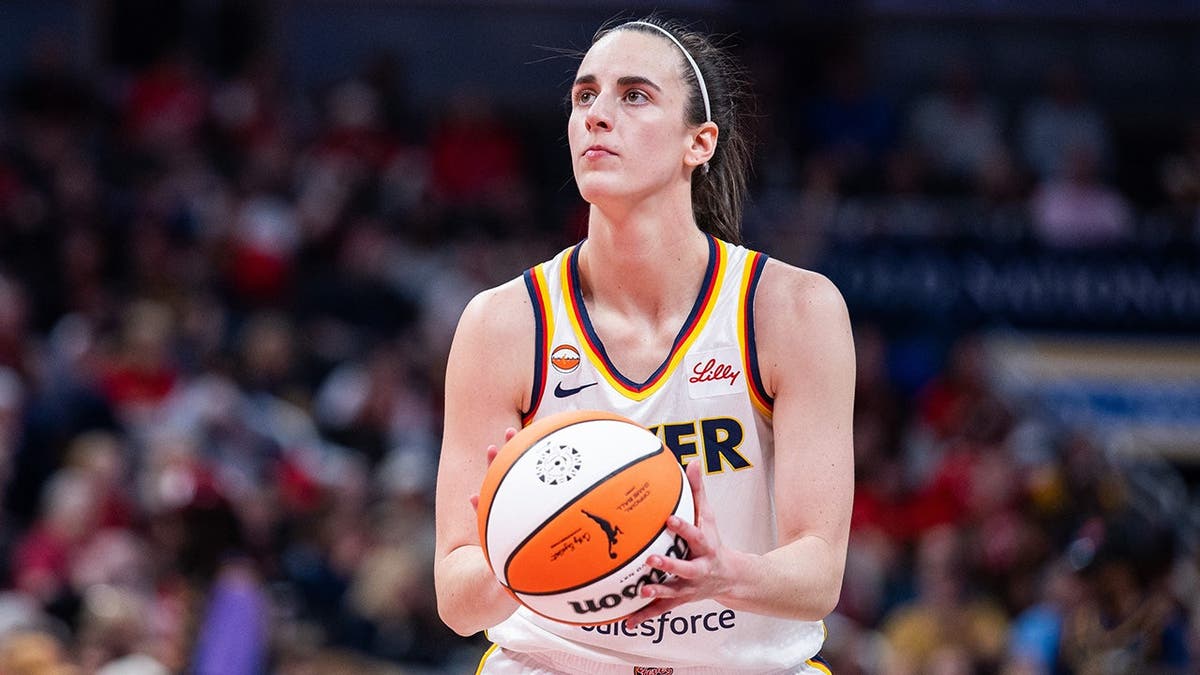
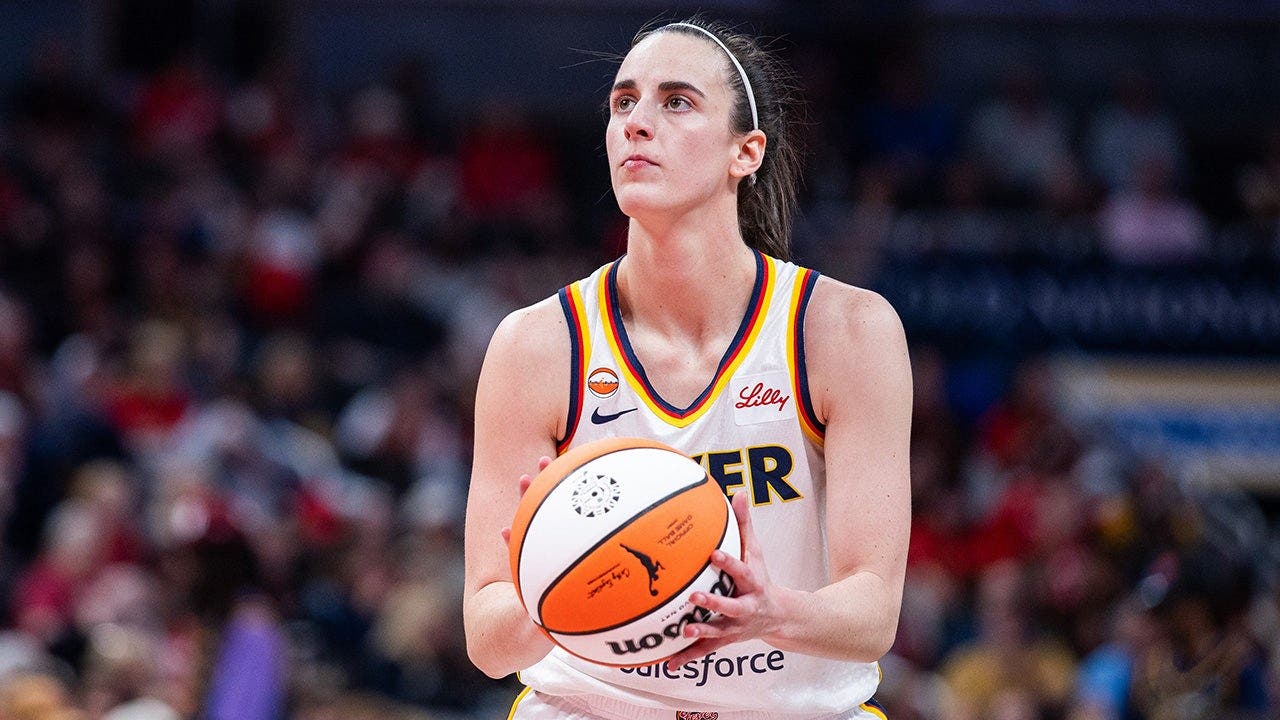
“I don’t understand why we don’t just get in a room and iron it out and shake hands,” Indiana Fever star Caitlin Clark told reporters in Miami. “That’s how business is. You look each other in the eye, you shake hands, you respect both sides. For me, that’s what I would love to see.”

WNBPA vice president Breanna Stewart agreed with Clark.

“I think that would be great for us all to sit in a room until we really get it done,” Stewart said. “If that means sitting in there for hours and hours at a time, let’s do it. That’s for the better of the player. While a situation like that has never happened before, there’s a first time for everything.”

How far apart are both sides?

Notably, there haven’t been any leaks on the contents of the proposals exchanged over the weekend — perhaps a sign both sides recognize the high-stakes nature as the league’s deadline approaches.

But in their previous proposals, the league and the WNBPA were still far apart on revenue sharing, with the WNBA proposing players receive on average over 70% of net revenue (revenue after deducting expenses). Their proposal includes a $5.75 million salary cap in 2026 (up from $1.5 million in 2026) that in subsequent years would grow in line with revenue growth.

The league’s proposals featured maximum salaries, including revenue sharing payouts, amounting to nearly $1.3 million in 2026 and projected to approach $2 million in 2031. The supermax in 2025 came in at $249,000. The average player salary, including revenue sharing, was projected to reach $540,000 in 2026 and $780,000 by 2031, up from $120,000 in 2025.

In its previous proposal, the players’ union asked for players to receive 26% of gross revenue (revenue before deducting expenses) over the lifetime of the agreement, with the salary cap in Year 1 of the deal at about $9.5 million.

The union has bristled at the league’s proposal for amounting to less than 15% of gross revenue, while the league has called the union’s proposals “unrealistic” and claimed they would result in hundreds of millions of dollars in losses.

Other issues the parties are still negotiating include housing, the future of the core designation and retired player benefits.

What happens if there’s no agreement by March 10?

Sources initially described March 10 as more of a “target date” than a hard-and-fast deadline like three dates where the previous CBA was up for expiration. That said, the league is still pushing for this deal to get done sooner rather than later to avoid any schedule impacts and revenue losses.

Even when a term sheet is completed, it could take several weeks for a deal to be ratified. Then an expansion draft for the Toronto Tempo and Portland Fire must be conducted as well as free agency for 100-plus players — all with the 2026 WNBA draft set for April 13.

And even if a deal were to be agreed upon on Tuesday, the league could still be looking at the expansion draft and free agency beginning in April. Training camp is slated to start April 19.

A strike has been on the table since December, when the WNBPA player body authorized the seven-player executive committee to authorize a strike “when necessary.” But the popularity of a strike among the players at this moment remains unknown. First vice president Kelsey Plum said as recently as last week that “a strike would be the worst thing for both sides.”

Jan. 9 updates

What does ‘status quo’ mean?

For one, not a work stoppage — at least, not yet. Under the status quo, the working conditions of the current CBA would be maintained, and the league and union can continue negotiating. But because the CBA expired without a replacement, and the agreement prohibits either side from engaging in a work stoppage, status quo opens the door for a strike initiated by the players or a lockout instituted by the owners.

Sources told ESPN that the league has not been contemplating a lockout, but a strike has been considered for players. In mid-December, they voted to give the union’s seven-player executive committee the right to call a strike “when necessary.”

Both sides continue to be far apart as they work toward a new deal, particularly on the issue of revenue sharing and what such a system should look like. A source told ESPN that the league has yet to respond to a recent proposal from the union because it wasn’t significantly different from the WNBPA’s previous offer.

The longer both sides go without a deal, the greater the likelihood that the league will need to conduct a condensed offseason, where a two-team expansion draft, free agency and the college draft all must occur within a few weeks or months. (Last offseason, by contrast, an expansion draft was held in early December, free agency took place from Jan. 11 to Feb. 1 and the college draft was April 14.)

Despite the uncertainty, league sources believe both sides will get a deal done and there will be a 2026 season. — Alexa Philippou


What are players at Unrivaled saying about CBA negotiations?

Revenue sharing and housing — the latter emerged as a flashpoint in early December, when a proposal from the league no longer included provided housing — remain the biggest priorities for WNBA players.

The WNBPA has proposed a revenue sharing system in which the players receive about 30% of gross revenue, whereas the league is offering for them to receive in excess of 50% of net revenue — a fundamental difference that has held up negotiations.

“It’s all about the systems, and it’s hard to go anywhere when you can’t even agree on that,” one player told ESPN. “You want Applebee’s and I want Chipotle. We can’t even figure out what our order is … that’s a huge discrepancy in perspective.”

The league’s proposal to eliminate team-provided housing — which has been required since the league’s first CBA in 1999 — is one issue, Brittney Sykes said, that has led players to feel “disrespected” throughout negotiations.

“They are trying to take something away from us in our CBA that is something that benefits everyone across the board,” Sykes said. “They are trying to take away housing and cars … if you try to take something away, what is in place of it? You up the money, but just because you gave us $100,000 more doesn’t mean a housing complex is going to sublease for us, especially for four months.

“Is the contract guaranteed, where if a player gets traded, they still got to deal with the apartment?”

Some said that if the league reinstated team housing into the new CBA deal, there might be space for the union to give in on some other areas.

“They need to keep housing. That is a huge thing. They can’t get rid of that,” a player told ESPN. “But if they say OK, but then we’re going to extend the season — you need to play more games and it’s going to take more months of the year, I would be OK with that, as an example.”

Paige Bueckers added: “We’ve had those talks and we’ve sort of come up with an idea on just what we’re not willing to bargain and go back and forth with. Once we think the other side has showed a little bit of compromise in meeting us halfway on what we deserve, I think that’s when the negotiations are settled.” — Kendra Andrews

Jan. 2 updates

Where do negotiations stand?

The sides remain far apart on several key issues, including what a revenue sharing system should look like, what should be considered revenue and how to account for expenses.

Multiple sources familiar with the negotiations told ESPN this week that the WNBA is projecting that a recent proposal from the WNBPA — which would give players about 30% of gross revenue and is believed to feature approximately a $10.5 million salary cap — would result in $700 million in losses over the course of the agreement. Such losses would jeopardize the league’s financial health, the sources said, and they would be more than the combined losses of the league and its teams in the WNBA’s first 29 years of existence.

The projection, sources said, was determined based on previously audited league financial information.

But the union believes its revenue sharing model still puts the league in a “profitable position,” a separate source close to the negotiations said, and calls the league’s projected loss figure “absolutely false,” citing a discrepancy in whether expansion fees are factored in. The union’s proposal accounts for expansion fees in its projections, seeing them as real money that still contributes to owners’ bottom lines. The league considers them transactions that generate zero net revenue: New teams are out the expansion fee but earn a fractional share of future league revenue, while preexisting teams get a portion of the fee but lose a fractional share of future league revenue.

Either way, the two sides remain divided on the nature of the next deal’s revenue sharing model. The league has proposed a system in which players would receive in excess of 50% of net revenue, a source told ESPN, while the union is proposing a system in which the players would receive about 30% of gross revenue.


What’s the difference between gross and net revenue?

In basic terms, net revenue is defined as revenue after subtracting expenses, whereas gross revenue is revenues before subtracting expenses.

The WNBA views gross revenue as an inaccurate reflection of the business as it doesn’t incorporate the expenses needed to operate teams and the league, while the WNBPA believes players who provide the labor and have no control over expenses shouldn’t essentially be paid last.

The league has previously said that in addition to substantially increasing salaries and other cost commitments, it wants to incentivize owners to continue to invest in operating the business. The WNBA’s tremendous growth in recent years provides an opportunity for the business to go from operating at losses to building sustained profitability.

WNBPA president Nneka Ogwumike told ESPN in a Dec. 19 interview that the league’s revenue share model is “not adequate.” The WNBPA and its players have consistently stressed the importance of creating a new deal that “represents our value in a very meaningful way,” as Ogwumike said, in response to what the union has called “the draconian provisions that have unfairly restricted players for nearly three decades.”


What do we know about the players’ proposed salary cap?

According to a document obtained by ESPN that was shared with players, the WNBPA proposed a compensation system last month with a projected salary cap of approximately $12.5 million in 2026, over eight times the 2025 cap. That Nov. 28 proposal also included approximately a $1 million average player salary and maximum player salary of $2.5 million. Multiple sources familiar with the negotiations told ESPN that in recent weeks the union has proposed a lower salary cap closer to $10.5 million.

These altogether mark the first reported salary figures from the players’ side of the bargaining table. As previously reported, the league is proposing a $5 million salary cap in 2026 that in the years afterward would increase in line with revenue growth, and players would then receive separate revenue sharing payouts following each season. Still, there is clearly a long gap to bridge between the players’ $10.5 million proposed cap and the league’s offer.


What else is significant about the max salary numbers?

In the aforementioned document obtained by ESPN, the league and the union were proposing maximum salaries that made up 20% of the salary cap. In the last deal, that number, known as the supermax, made up 16.5% of the cap.

One player eligible to receive one-fifth of the cap — and potentially two players accounting for 40% of it — could make for some interesting roster construction decisions. Front offices might bristle at the supermax comprising such a high proportion of the cap, fearing such a number would make it more difficult to build a complete team.

Sure, several teams became contenders by paying their stars well below the supermax ($249,244 in 2025) — four-time MVP A’ja Wilson, for example, made only $200,000 with the Aces last year. But would (or arguably should) stars still be willing to leave a sizable amount of money on the table, particularly if there are seven-figure salaries on the line? Or would income from other leagues, such as Unrivaled and Project B, make that notion more palatable?

The answer to those questions will have downstream effects on everyone else, and some industry insiders have concerns that these proposals could squeeze out the league’s middle class.

“We have been at an average of 16.5% of the salary cap as a supermax in the past few years, and that has still been a big problem,” one agent told ESPN. “Fifteen percent of the cap as a max salary doesn’t make it easy, but it makes it doable, especially if we can get the cap up a bit. Otherwise, you must have almost every max player ready to take a 10-30% salary cut, just to form a competitive team or get real lucky with the quality of your minimum salary players.

“I’m trusting that the PA and the elite players on the executive committee have actually taken out their calculators and are considering this, which is quite important to 75% of the league.” — Alexa Philippou

play

2:12

Phillipou: New WNBA CBA a ‘transformational deal’

Alexa Philippou says the verbal agreement on a new CBA between the WNBA and players’ union will change the landscape of the league.

Dec. 23 updates

Why did the players authorize a strike vote?

In an interview with ESPN last Friday, WNBPA president Nneka Ogwumike described the vote as a “symbol of our unity and the confidence that we have in each other to be able to give ourselves some level of authority in these negotiations.” But she also deemed the move a way to “give ourselves as much leverage as possible to get a good deal done.”

A decision on whether to strike is now not in the hands of the 150-plus players but up to the seven-player WNBPA executive committee.

“This means we could possibly strike if we need to, but it doesn’t mean that we want that to happen,” Ogwumike told ESPN. “But we have it in our arsenal in order for us to get exactly what we need, which is a fair deal that represents our value in a very meaningful way.”


How and under what circumstances would the executive committee vote to strike?

Ogwumike told ESPN that she sees Thursday’s vote as “an opportunity for [a strike] to be an option if negotiations don’t progress,” adding that she believes talks are still “a bit in their infancy.” The WNBA, meanwhile, has repeatedly said in statements that the league “strongly disagree[s] with the WNBPA’s characterization of the current state of negotiations.”

When asked what factors would prompt the executive committee to consider pursuing a strike, Ogwumike responded, “It’s kind of early to even say that, per se.

“That might be a question for something closer to Jan 9. I’m not entirely sure what factors, aside from what we’re looking to get in revenue sharing, could potentially lead us to make a decision on this strike authorization vote.”

The union declined to provide details on the voting procedures the executive committee would follow if voting on a strike.


What are the ramifications of a strike?

The 2026 season isn’t expected to tip off until May, so the possibility of canceled games is still far off. But the players could opt to strike before then. The ramifications of a potential strike, or any work stoppage, in the offseason would include losing benefits and team housing for those who still remain in such accommodations.

Ogwumike said that players have been proactive in asking questions about what a potential work stoppage would entail and that union staff has worked to educate the player body on the realities of a work stoppage.

“You don’t know what’s going to happen, but you want to be prepared for anything that can happen,” Ogwumike said.


What do onlookers think about a strike?

A vote to strike would be unprecedented for the WNBA; there has never been a work stoppage in the history of the league. Industry insiders have a range of opinions on the likelihood and merits of a potential strike — particularly one so long before the season starts — as well as the union’s apparent strategy.

“If you’re so far apart [as the union claims], and the negotiations have not gone well, and you have the right to strike at any point in time, why are you not striking?” one industry source said. “If it’s all negative with no progress, what are you waiting for?”

“It’s OK to strike, to me,” one agent told ESPN. “In some cases, walking away, saying no, is a really good part of the strategy in negotiation.”

But not everyone believes the league would be more willing to come closer to the players’ demands with the threat of a strike looming.

“[NBA commissioner] Adam’s [Silver] going to step in and say, ‘Ladies, we’re not moving on this and this and this, but we will do this and this and this,’ and then we’re going to get a deal done early January,'” another agent predicted.

Nonetheless, one common belief among insiders is that for all the potential strike talk, the players and the league understand the importance of having a 2026 season, so it is still unlikely that games will be missed.

“I think a work stoppage by technicality is possible,” another league source added. “I’m not worried at this point about us missing any games.” — Alexa Philippou

Dec. 18 updates

What does the strike authorization mean?

Thursday’s announcement made clear that this is not an immediate call for a strike, nor should it be seen as an intention to pursue one. But that decision will now be in the hands of the seven players who make up the WNBPA executive committee: Nneka Ogwumike, Kelsey Plum, Napheesa Collier, Breanna Stewart, Alysha Clark, Elizabeth Williams and Brianna Turner.

The union said 93% of the players participated in the voting, with 98% voting yes, marking an “emphatic affirmation of the players’ confidence in their leadership and their unwavering solidarity against ongoing efforts to divide, conquer, and undervalue them.”

The league has proposed significant salary increases — including a $1 million base salary for the highest-paid players — and a new compensation model. It also proposed that teams would no longer provide housing for players.

Yet with disputes lingering over what a new revenue sharing model should look like, there have been few signs that the players feel like meaningful progress has been made in negotiations — Collier and Stewart echoed as much this week at media day for their 3-on-3 league Unrivaled. Perhaps the union sees Thursday’s move as a way to apply pressure on the league with the threat of a strike.

But if the players continue to believe that the league is embodying “a resistance to change and a recommitment to the draconian provisions that have unfairly restricted players for nearly three decades” as the Jan. 9 deadline approaches, it wouldn’t be shocking to see the executive committee consider moving forward on a strike.

But even before we get to Jan. 9, the CBA extensions have included a provision giving either side the ability to terminate the agreement with 48 hours’ notice, at which point a work stoppage — either a strike initiated by the players or a lockout initiated by the owners — could be pursued.


What do we know about the latest proposals from both sides?

According to a source with knowledge of the situation, the WNBA’s latest proposal includes an uncapped revenue sharing model that would raise maximum salaries above $1.3 million (up from $249,244 in 2025) and growing to nearly $2 million over the life of the deal; average salaries to above $530,000 (up from $120,000 in 2025) and growing to more than $770,000 over the life of the deal; and minimum salaries to in excess of over a quarter of a million in the first year alone (up from $66,079 in 2025).

While those figures are massive increases, the players are still looking for a greater share of revenue. The union has proposed a system where players receive about 30% of gross revenue, another source told ESPN, while the league proposed a revenue sharing system that granted players in excess of 50% of net revenue, amounting to less than 15% of gross revenue.

The players have advocated for overhauling a system that, in their words, has long undervalued them, hence their message of “pay us what you owe us” that they wore on T-shirts at July’s All-Star Game. The league has said it wants to give the players significant raises while ensuring the long-term sustainability of the league, and that while the WNBA has high costs like other major pro leagues, it still is bringing in, in comparison, smaller revenues. — Alexa Philippou

Dec. 5 updates

Team-provided housing — how it works in the WNBA under the current CBA and the potential ramifications of its removal — has emerged as a flashpoint. Here’s what you need to know about how housing works in the WNBA and what different stakeholders throughout the league think of the issue.

By Alexa Philippou and Katie Barnes

How does housing work in the WNBA now?

In the current CBA, teams provide housing in the form of a one-bedroom apartment or a housing stipend for all of their players. Players with children under 13 who live with the player full or part-time (visitation does not qualify) are entitled to a two-bedroom unit. There is no explicit limit in the CBA for what teams can spend on housing, but there is a limit to the stipends that can be provided to players who opt out of team housing that vary from market to market. Figures for the Golden State Valkyries, Portland Fire and Toronto Tempo were not included because they joined the league after the negotiation of the latest CBA.

Teams can spend more than the stipend limit to secure housing for players, provided it is not excessive and that the housing aligns with what is allowed in the CBA. In other words, no penthouses.

Any player wishing to upgrade accommodations within the team housing facility can pay the team the difference in cost.

During the offseason, players who are rehabbing an injury sustained during the prior season or who are paid to market the team during the offseason — known as team marketing agreements — can continue to live in team-provided housing.

Multiple sources told ESPN that the majority of players utilize team housing rather than choose the stipend. Many players, though not all, live away from their team markets in the offseason, or play overseas.

How long has housing been required?

WNBA teams have been required to provide housing for players from the regular season through the playoffs, in addition to training camp accommodations, since the first CBA, which was ratified in 1999.

Why might the league want teams to no longer provide housing?

The league might see this as a natural progression in further professionalizing the WNBA to the level of other prominent leagues like the NBA and NFL. With significant salary increases on the table, players would be in a better financial position to cover their own rent than at any time in the league’s history. The league’s latest proposal includes a $1 million base salary for players at the supermax (the previous supermax was just under $249,244 in 2025), and players at the minimum project to make at least $225,000 including revenue share (the previous minimum was $66,079 in 2025).

It would also be a way to help offset costs for teams: With higher salaries, franchises would be on the hook for a much larger payroll (under the league’s latest proposal, the salary cap would more than triple from about $1.5 million to $5 million).

The expectation is that there will still be ways for teams to assist players in certain circumstances — such as if they’re on training camp or seven-day contracts or traded midseason — in securing accommodations.

How important is housing to the players?

One player described housing as among the top-five priorities for players in this negotiation. “I think it’s just really overcomplicating something that shouldn’t be complicated,” the player told ESPN. “I shouldn’t be stressed about where I’m going to live when my job is to play basketball.”

According to a source familiar with the negotiations, the players have proposed including the cost of team housing in player benefits that would be deducted from the player share of revenue.

There are two primary concerns around the potential loss of team-provided housing. Not every WNBA contract is guaranteed, and teams can protect only six contracts per season. If a player signs an unprotected contract in free agency, moves to that team’s city, and is cut, the player doesn’t receive her entire contract salary. Not having to navigate short-term rentals, leases and/or mortgages eases some of that burden for players.

Additionally, WNBA salaries don’t change from market to market — the minimum is the minimum — but rent does. Simply put, rent in more expensive markets such as New York or the Bay Area will eat more into players’ take-home pay than rent in Indianapolis or Phoenix. The current proposal from the league would substantially raise salaries, but not enough, players have said, to offset market disparity.

“This makes no sense for our younger players, for the players that get cut and are stuck in leases … nor for players in bigger markets,” New York Liberty guard Natasha Cloud said in an Instagram comment.

How important is housing for teams?

Housing is a major undertaking for WNBA teams. Aside from the financial commitment of monthly rent, there are a host of housing-related logistics that teams must manage — everything from furniture rentals to coordinating cleanings to handling various fees, deposits or upfront payments. Teams might prioritize convenience and safety in choosing player housing locations, and each market has different regulations and laws that a franchise must navigate.

The flip side is that owners of franchises, say New York and Golden State, could put themselves at a competitive disadvantage if players are unwilling to play in high-cost cities.

Alternatively, the league could explore not prohibiting team-provided housing, but simply not requiring it. That would potentially become a competitive advantage, too, akin to the leaguewide race in recent years for franchises to build multimillion-dollar practice facilities, for teams that are more willing and able to pour money into providing housing accommodations.

How do other major leagues address housing?

Seasonlong housing is not a topic that appears prominently in the CBAs of the NFL, NBA, MLS or NHL. Teams in those leagues don’t provide seasonlong housing in the way that WNBA teams are required to. Instead, housing is provided in smaller circumstances, such as during minicamps in the NFL or reimbursement for housing costs following a trade in the NBA. MLS teams have discretionary funds that can be used to support player lodging, but it’s not a requirement. The NHL actually prohibits teams from paying for offseason housing in-market. Both NBA G-league and MLB minor league players are provided housing.

In other major women’s sports leagues, however, housing is a consideration. In the PWHL, players receive a fixed stipend ($1,500 in 2023, rising by $100 per year). Athletes Unlimited provides housing for all players in its softball, basketball and volleyball leagues, as does Unrivaled. NWSL teams, like WNBA teams, have historically provided housing for players, but the newest CBA ratified in 2024 phases out that requirement by 2027, with some stipulations for players whose salaries haven’t risen to a specific level and/or who play in more expensive markets to continue to receive stipends.

Nov. 30 updates

The WNBA and WNBA Players Association have agreed to extend the current collective bargaining agreement through Jan. 9, 2026.

Both sides have the option to terminate the agreement with 48 hours’ notice.

What impact does another prolonged extension have?

Multiple extensions are not unprecedented. That’s what happened in the last round of CBA negotiations five years ago. That deal was initially set to expire in October 2019 before the current one was ultimately ratified in January 2020.

A new deal could of course get done sooner than Jan. 9. But as of now, it appears guaranteed that the two-team expansion draft for the Toronto Tempo and Portland Fire will happen later than ideally scheduled. Last year, the Golden State Valkyries selected their inaugural players on Dec. 6. The rules for the upcoming expansion draft will be determined by the CBA, so a new deal must be done first.

With teams typically delivering qualifying offers and core player designations starting Jan. 11, WNBA free agency more than likely will be impacted, too. And with all but two of the league’s veterans hitting free agency this year, it won’t be feasible to completely consolidate that part of the offseason.

The college draft is currently scheduled for April 13, 2026, shortly after which training camps usually begin, with games starting in May.

So while the basketball calendar might have some flexibility, there is still a lot to be sorted out leaguewide this offseason. And continued labor uncertainty might have escalating business implications if fans and corporate partners start to fear there won’t be a 2026 season.

Nov. 28 updates

What happens if there’s no deal at the end of the 30 days?

The two sides could agree to another extension, as they did at the end of October, aiming for continued negotiations to bring them closer to finalizing a new deal.

But even if there is no extension and the current deal expires, a work stoppage would not automatically happen and instead a phase called “status quo” would follow. That period would maintain the working conditions of the current CBA and, even without a new agreement in place, the league and union could continue negotiating.

If there isn’t an extension, though, it would open the door for a potential work stoppage: either a strike initiated by the players or a lockout initiated by the owners.


Is there a downside to another extension?

Another extension is a logical move for both sides to continue negotiating in good faith and get closer to finalizing a deal. For a frame of reference, this current CBA wasn’t ratified until January 2020 after months of bargaining through 2019. So, working beyond the initial deadline is not unprecedented.

Prolonged labor uncertainty has real business implications. But another concern is that the WNBA and players are working with a unique time crunch this year.

The league still needs to hold a two-team expansion draft for the Portland Fire and Toronto Tempo, which can only happen after a new CBA is completed. Then in an unprecedented offseason, all but two of the league’s veterans will hit free agency in a time that some predict will be akin to the “Wild, Wild, West.” (Many players signed one-year deals after the players opted out of the current CBA in October 2024.)

Last year the Golden State Valkyries expansion draft was held in early December. Free agency usually occurs in January with players able to sign contracts starting Feb. 1. The longer everyone goes without a deal, the longer these crucial parts of the league’s offseason will remain on hold, and the likelihood of everything needing to happen in a condensed time frame increases.


What do we know of how far apart both sides might still be?

News leaked last week of a WNBA proposal that included significant salary raises as well as a revenue sharing component, in all offering players at the maximum more than $1.1 million and at the minimum more than $220,000.

But sources told ESPN that the WNBPA did not see this proposal as moving things forward, a sentiment many players echoed when surveyed by ESPN.

The main concern from the players’ side is that they did not feel the proposal featured a system where the salary cap, and thus player salaries, sufficiently grow with the business — such as in the NBA, where the salary cap is directly determined by basketball-related income (BRI).

Players no longer want a salary cap that, in their view, is chosen arbitrarily ($1,507,100 in 2025) and grows at a fixed rate (3% each year under the current CBA). The current agreement also has a separate revenue sharing provision that grants direct payments to players if the league hits certain revenue targets (this has yet to happen, largely due to the impact of the COVID-19 pandemic).

If both sides are still as far apart as the players and the players union have indicated, reaching a deal in the near future might still prove elusive.

Nov. 26 updates

What did the WNBPA think of the WNBA’s recent proposal?

News broke last week that the WNBA had proposed a deal including a revenue sharing component that, in combination with a base salary, would allow players to earn a maximum salary of more than $1.1 million, on average more than $460,000 and a minimum of more than $220,000.

But the WNBPA did not see that proposal as something that moved negotiations forward, sources told ESPN on Thursday.

ESPN canvassed players across the league for their thoughts on the league’s proposal and a common theme emerged: that there was work to still be done in securing the revenue share system the players have been advocating for. So much so that one player called the league’s proposal a “slap in the face,” and another described it as “frustrating.”

In 2025, the league’s minimum salary was $66,079 and its supermax was $249,244, so the proposal did include significant salary increases. But sources told ESPN that the union does not see the league’s proposal as including a system in which the salary cap and player salaries sufficiently grow with the business, a longstanding demand of the players since they opted out of the current CBA in October 2024.

In the current CBA, the salary cap increased annually by a fixed rate (3%), coming in at $1,507,100 in 2025, and a separate revenue sharing provision called for direct payments to players if the league hit certain revenue targets. Largely due to the COVID-19-impacted seasons of 2020 and 2021, that component was not triggered over the course of the agreement.

Instead of a fixed salary cap, the players instead want a salary system based more directly on revenue, such as in the NBA, in which the salary cap is determined by basketball-related income (BRI).

The league previously said in a statement it has proposed “significant guaranteed salary cap increases and substantial uncapped revenue sharing that enables player salaries to grow as the league’s business grows.” The union responded in a statement that said the proposal “put lipstick on a pig and retread a system that isn’t tied to any part of the business and intentionally undervalues the players.”


What is the latest on where negotiations stand? What happens if there isn’t a deal reached by Sunday?

The league and union have sent updated proposals back and forth since last week. Even with the Thanksgiving holiday approaching, they are planning to meet throughout the week and into the weekend ahead of Sunday’s deadline.

The league and WNBPA could agree to another extension at the deadline; even if that doesn’t happen, a work stoppage would not automatically follow. They could continue bargaining under a phase called “status quo,” in which the working conditions of the current CBA would remain in place. But a lack of an extension could open the door for a strike (initiated by players) or lockout (initiated by owners).


What’s the latest on the expansion draft?

As the CBA deadline continues to be pushed back, so does the expansion draft for the Portland Fire and Toronto Tempo, who will both be playing their inaugural seasons in 2026.

The expansion draft would be among the first order of business once a new CBA is put in place, and a league source told ESPN both teams are trying to prepare for it. But they are “working with more questions than answers.”

Last year, the Golden State Valkyries were told the format of their expansion draft one month before the Dec. 6 draft night. Golden State was informed of the list of protected players from the other preexisting teams 11 days before the draft. As it stands, Portland and Toronto have “nothing.”

A coin flip will eventually be held with the winner picking whether they select No. 6 in the college draft and No. 2 in the expansion draft, or No. 7 in the college draft and No. 1 in the expansion draft — but a date has not yet been set for when that will take place.

The uncertainty has hindered the Fire’s and Tempo’s ability to strategize as much as they’d like at this point in the offseason, the source said.

Though nothing is set in stone, they anticipate the WNBA to model this expansion draft similarly, if not the same as, the 2000 expansion draft, the last time there was a multiteam expansion.

In that year’s draft, preexisting teams were allowed to protect five players on their current roster. The league source told ESPN that is probably what will happen again for the Fire and Tempo. Last year, teams were allowed to protect six players from the Valkyries.

Sources said the expectation is for Toronto and Portland to be allowed to select only one free agent each, but that hasn’t been confirmed. The league source said about 85% of current players are free agents this winter, which makes it tricky for the expansion teams to decide who they want to select. If they take a player from a team that is entering free agency, that player can still leave the expansion franchise and sign elsewhere as a free agent later.

WNBA free agency typically starts Jan. 11, with contracts able to be signed starting Feb. 1, and the season annually tipping off in May. But as negotiations linger, the source said that they are preparing for an expedited calendar. And in one extreme scenario, the source said they are even prepping for the expansion draft, free agency and college draft to all be held between March and the beginning of April.

Nov. 19 update

What priorities are top of mind at the bargaining table?

The conversation over salary structure and revenue share has long been the centerpiece of this CBA negotiation. While meaningful salary increases are expected for the players as they capitalize off an infusion of capital and investment in the sport, both sides haven’t seen eye to eye on what those systems should look like.

Those were among several priorities the players emphasized when they opted out of the current CBA in October 2024. The biggest issues also include establishing minimum professional standards in facilities and codifying the league’s charter travel program that was introduced at the beginning of the 2024 season.

The league has said it wants to substantially increase player salaries and other cost commitments, while also incentivizing owners to continue to invest in operating the business. The WNBA’s tremendous growth in recent years provides an opportunity for the business to go from operating at losses to building sustained profitability.

Expanding retirement and pregnancy/family planning benefits have also been at the forefront for players. After 40-plus players met with the league ahead of All-Star Weekend in late July, Breanna Stewart, a vice president with the WNBPA, said those topics were the only two bullet points both sides had agreed on at that time.

Prioritization, a set of rules that requires WNBA players competing in other leagues to show up in time for WNBA training camp or else be suspended for the season, became a controversial topic after it was introduced in the last CBA. But it’s unlikely owners would want to loosen those rules, especially amid expected WNBA salary increases. A source told ESPN that the topic has not largely figured into negotiations so far and that it’s not considered a major point of contention.

Players have also expressed a desire to weaken or abolish entirely the “core” system, akin to the NFL’s franchise tag, which was already largely reduced in the past CBA. But the league is unlikely to want to give that up entirely as it provides teams the opportunity to develop and retain drafted talent, which can create a leveling competitive effect.

The league’s hard cap and 12-player roster limits (many franchises carry only 11 players) have often frustrated team personnel. WNBA commissioner Cathy Engelbert has previously said that the league prefers expansion as a way to grow its size rather than adding roster spots, while the league prefers not to soften the cap, a source said, as it believes some teams significantly outspending others would create an unlevel field of competition.

Another topic to be sorted is the number of games and scheduling moving forward; there were a maximum of 44 games allowed under the current CBA, and while the league can’t always keep the same exact footprint due to international competitions, Engelbert has said the league would like to try to stick to May through October, with some overlap into November as needed in a year like 2026, when the WNBA will break for the FIBA World Cup.

Do leagues such as Unrivaled or Project B impact negotiations?

WNBA players have competed in other leagues — historically, internationally — since the league’s inception. But the domestic landscape changed dramatically this past year when Unrivaled — a 3-on-3 league founded by Stewart and Napheesa Collier — launched its inaugural season, which ran from January to March.

Unrivaled has characterized itself as an alternative for players who want to supplement their incomes without going overseas during the WNBA offseason, and league personnel have said Unrivaled isn’t meant to be a competitor to the WNBA. Still, some players have indicated they hope Unrivaled, with its high salaries and impressive player amenities, can apply pressure to the WNBA during this current round of CBA negotiations.

Unrivaled offered players equity last year and moving forward aims to provide an average salary of $200,000, what the league claims is the highest average salary in women’s professional team sports.

Over the past few weeks, a new league called Project B has announced its intention to debut in November 2026 and run through April 2027, with WNBPA president Nneka Ogwumike, Alyssa Thomas, Jonquel Jones and Jewell Loyd among its first public signees. The league’s model features 66 players playing on an international circuit across Europe and Asia, similar to a Formula 1 format.

In addition to having player equity, their salaries are reported to reach seven figures, above what’s offered by both the WNBA and Unrivaled (the latter’s schedule directly conflicts with Project B’s schedule). Like Unrivaled, Project B says it’s not a competitor league to the WNBA.

While prioritization rules ensure WNBA players arrive on time to training camp, the league has no plans of asking for exclusivity — that its players only play in the WNBA and nowhere else in the offseason — during this round of negotiations, a source said.

Will WNBA draft eligibility change in this CBA?

The start of the college season has evoked a familiar question for basketball fans: Should the WNBA change its draft eligibility rules? Unlike the one-and-done rule in the NBA, players must be 22 years old in the calendar year of the WNBA draft to be eligible (unless they have graduated early). International players need to turn 20 during the calendar year of the draft to be eligible.

A source told ESPN that draft eligibility hasn’t been a meaningful topic of discussion in negotiations thus far.

Is there any news regarding the expansion draft?

As we’ve previously addressed, holding the WNBA expansion draft for the Toronto Tempo and Portland Fire is one of the first things that will be done once a new CBA is in place. The parameters for the expansion draft are supposed to be set in the new CBA, so teams haven’t been given any rules or guidelines.

But the expectation is that a coin flip will determine which of the two newcomers will pick first in the college and expansion drafts (i.e. whichever team goes first in the expansion draft will pick seventh in the college draft, and whoever goes second in the expansion draft will pick sixth in the college draft; the No. 6 pick is the first selection following the lottery picks).

The expansion draft for the Golden State Valkyries was held Dec. 6 with the league’s 12 teams allowed to protect six players. Golden State selected 11 players, taking one from every team except Seattle.

Since this expansion draft will have two teams building rosters, it’s thought that perhaps the league’s other teams might only be able to protect five players this time.

Oct. 30 update

What is the biggest issue keeping the sides apart?

In public comments, players have implied that the two sides are effectively speaking different languages at the bargaining table, with the major sticking point being what a salary system and revenue sharing should look like.

NBA commissioner Adam Silver said on the “Today” show in October that WNBA players can expect a “big increase” in their salaries. But the players are seeking a salary system that grows with the business (such as in the NBA, which uses basketball-related income to determine its salary cap) over a fixed-rate model in the current CBA, where the salary cap raises annually by 3%. The league’s salary cap was $1,507,100 in 2025, with a minimum salary of $66,079 and a supermax of $249,244.

The current CBA also has a revenue sharing provision that would result in direct payments to players if the league hits certain revenue targets, but it hasn’t yet been triggered.

Silver said on the “Today” show that share “isn’t the right way to look at it because there’s so much more revenue in the NBA,” suggesting that expense might still consume a very significant portion of the revenue pie compared to other sports leagues.

The WNBPA said in October that the league has “put lipstick on a pig and retread a system that isn’t tied to any part of the business and intentionally undervalues the players.”

The league, on its part, has insisted it has offered an “uncapped revenue sharing model that is directly tied to the league’s performance.” And it has continued to maintain that it wants to, as WNBA commissioner Cathy Engelbert put it during the WNBA Finals, “balance the significant increase in salaries and benefits with the long-term viability of the league” and that so far “the Players Association has yet to offer a viable economic proposal.”

What happens if there’s no deal at the end of the 30 days?

Another extension is always possible, although the WNBA has a lot to fit into this offseason. And even if the deal expires, a work stoppage would not automatically follow.

There doesn’t technically need to be an extension for both sides to continue bargaining — instead they’d enter a phase called “status quo” in which the working conditions of the current CBA would remain in place.

The problem: If there isn’t an extension, it would open the door for a potential work stoppage, either a strike initiated by the players or a lockout initiated by the owners. So far, that isn’t an overwhelming concern. Even before the extension was agreed to on Oct. 30, sources leaguewide said they did not believe a work stoppage was imminent.

What about this condensed offseason schedule? What needs to happen before the next season can start?

A lot, starting with an expansion draft for the Portland Fire and Toronto Tempo. Once that’s concluded, free agency offers unprecedented uncertainty with nearly half of the league’s players unrestricted.

The situation is very different from the CBA negotiations that dragged well into the spring of 2003. That CBA introduced free agency for the first time, and only for a limited number of players, meaning the league could go from preliminary agreement with players on a deal April 18 to training camp starting two weeks later on May 1 — with both the WNBA draft and a dispersal draft in between.

We did see the NBA go from a preliminary agreement to end its 2011 lockout on Nov. 26 to training camps beginning Dec. 9, less than two weeks later, but the league was able to hold free agency at the same time. That’s not realistic given the scope of WNBA free agency, and the new CBA could overhaul the salary cap in the WNBA more dramatically than we’ve seen from one NBA deal to the next.

As a result, about three weeks is the fastest the WNBA could realistically hope to go from agreement on a deal to holding practices. Ideally, of course, the league wants progress toward an agreement by early January to avoid delaying the typical offseason schedule too substantially. That’s especially important for the Fire and Tempo, who could stand to promote their inaugural season by having actual players on their roster.

Oct. 22 update

How does bargaining work logistically?

When the league and WNBPA hold bargaining sessions, there can be an array of stakeholders in the room, and it’s not always the same people each meeting, sources familiar with the negotiations said. WNBA and NBA staff, as well as their outside counsel, represent the league’s side of the aisle, with WNBA commissioner Cathy Engelbert attending all substantive bargaining meetings, consistent with previous negotiations in 2019 and with the actions of former league presidents. WNBPA staff and outside counsel are the main participants for the union side, though WNBPA advisors and player leadership might also attend.

The players’ CBA committee typically features at least 33 players: the 26 player representatives (two per team), seven members of the executive committee (Nneka Ogwumike, Kelsey Plum, Elizabeth Williams, Brianna Turner, Alysha Clark, Napheesa Collier and Breanna Stewart) and a few other players outside of those groups who have opted to participate.

The league has its own version of that group, the labor relations committee, featuring seven team owners and executives: Suzanne Abair of the Atlanta Dream, Greg Bibb of the Dallas Wings, Ginny Gilder of the Seattle Storm, Kelly Krauskopf of the Indiana Fever, Mat Ishbia of the Phoenix Mercury, Nadia Rawlinson of the Chicago Sky and Jennifer Rizzotti of the Connecticut Sun. That committee does not participate in bargaining sessions.

The league and WNBPA first met in December 2024 for a preliminary conversation on the new CBA and held a larger in-person meeting featuring representatives from the labor relations committee plus over 40 players at All-Star weekend in late July. Since then, the WNBPA has met with player leadership “weekly, if not a couple times a week,” according to a source, and the two sides have continued to talk with regularity, though the participants and scope have fluctuated.


Source link

Continue Reading

Trending