

Business
Sri Lanka increases fuel prices around 25% as Middle East tensions disrupt global oil supplies – The Times of India

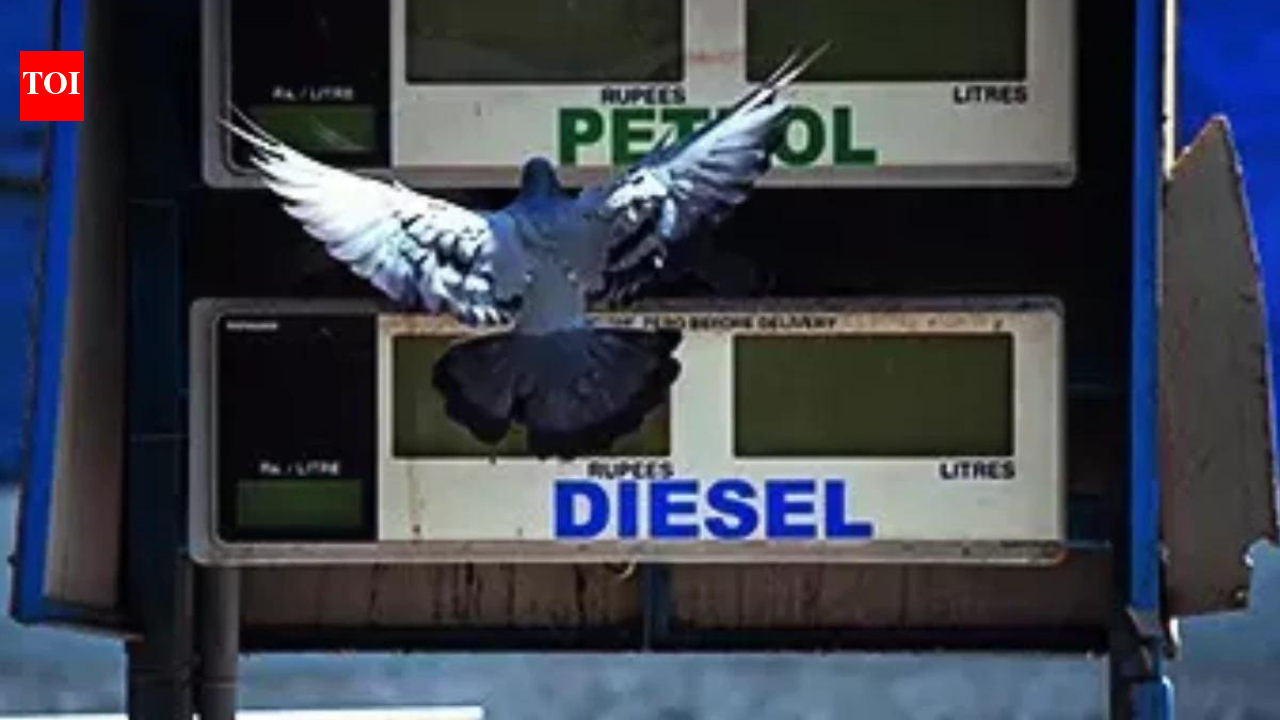
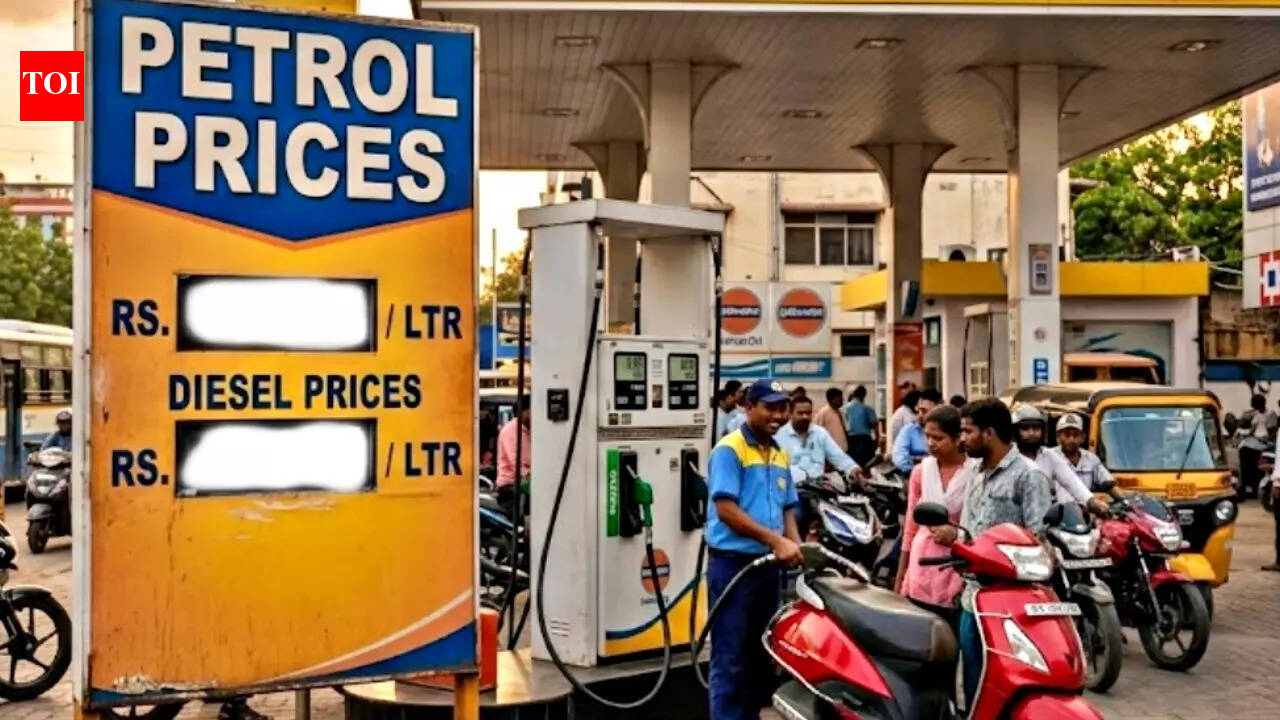
Sri Lanka on Sunday raised fuel prices by around 25 per cent, marking the second increase within a week as the ongoing Middle East conflict continues to disrupt global energy markets, news agency PTI reported.The price revision, effective from midnight, comes as tensions triggered by joint US–Israel strikes on Iran and retaliatory action by Tehran have spread across the Gulf region, leading to the closure of the Strait of Hormuz — a key global energy transit route.According to official announcements, the price of auto diesel rose 26.1 per cent from Sri Lankan rupees (LKR) 303 to LKR 382 per litre, while super diesel increased 25.5 per cent from LKR 353 to LKR 443. Petrol 92 octane climbed 25.6 per cent from LKR 317 to LKR 398, petrol 95 octane rose 24.7 per cent from LKR 365 to LKR 455, and kerosene jumped 30.8 per cent from LKR 195 to LKR 255.This is the third fuel price hike since March 1 and comes as the conflict, which has unsettled global oil markets, entered its fourth week.With the latest revision, retail fuel prices in Sri Lanka are set to return close to levels seen during the 2022 economic crisis, when the country declared its first-ever sovereign default since independence in 1948. The unprecedented financial turmoil at the time forced then president Gotabaya Rajapaksa to resign amid widespread civil unrest.The steep increase has sparked concern among transport operators. Non-state bus owners warned that up to 90 per cent of their fleet could be taken off the roads unless fares are revised.“This is the biggest rise of diesel ever. We will not be able to operate buses without an adequate fare revision. We need a minimum 15 per cent fare hike to stay afloat,” Gamunu Wijeratne, chairman of the Lanka Private Bus Owners’ Association, told reporters.The association threatened a nationwide strike if authorities fail to announce a scheduled fare revision.Responding to the developments, the National Transport Commission (NTC) said the latest diesel price increase, when applied to its fare formula, translates into a rise of more than 10 per cent in current bus fares. NTC Director General Nilan Miranda said Cabinet approval is expected on Monday to implement revised fares, according to media reports.Private operators account for about 65–75 per cent of the island nation’s public transport fleet, while the state-run share stands at around 25–35 per cent.Three-wheeler taxi operators, many of whom use petrol vehicles dominated by India’s Bajaj brand, said the price of commonly used petrol had risen to nearly LKR 400 per litre.“Who would want to ride with us at this rate?” a three-wheeler driver said, as quoted news agency PTI.Apart from state-owned Ceylon Petroleum Corporation (CPC), fuel retailing in Sri Lanka is also carried out by Lanka IOC — a subsidiary of IndianOil –as well as China’s Sinopec and Australia’s United Petroleum. Following CPC’s decision, LIOC and Sinopec also revised their retail fuel prices, media reports said.Opposition leaders criticised the government’s tax policy, claiming that authorities collect about LKR 119 per litre of petrol and LKR 93 per litre of diesel in taxes. They demanded that these levies be scrapped to provide relief to consumers.Analysts warned that the fresh fuel price hike could push inflation higher by 5–8 per cent.Earlier, government spokesman and minister Nalinda Jayatissa said that despite the price revisions, the government continues to bear a monthly subsidy burden of around Rs 20 billion by subsidising diesel by Rs 100 per litre and petrol by Rs 20 per litre.He said that without the revision, the state would have faced an additional financial burden of approximately $1.5 billion. Jayatissa urged the public to consume electricity and fuel “mindfully” and warned against hoarding, calling on citizens to report any such attempts.

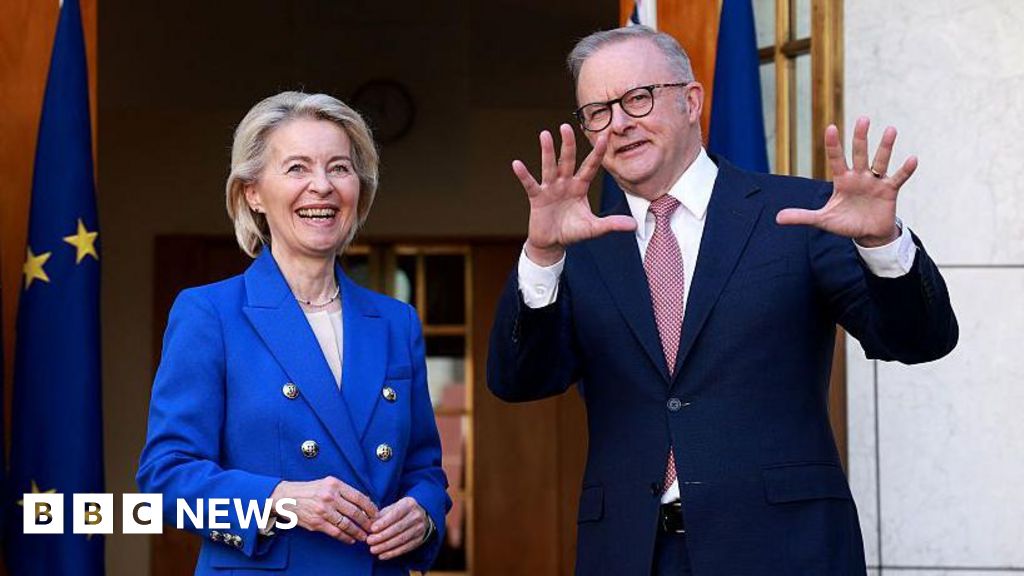
Australia and the EU sign sweeping trade and security deals after years of negotiations.
Source link
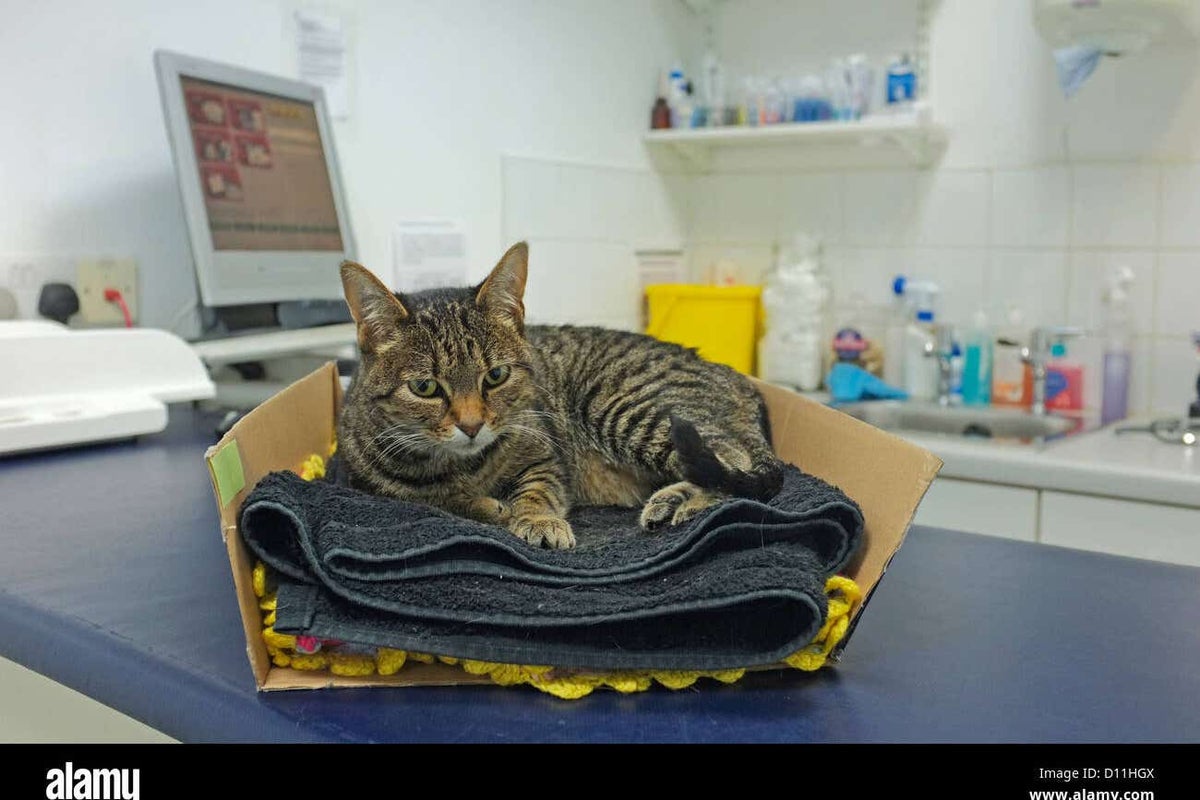
Vets will be legally bound to prescription fee caps and publishing price lists among new measures which will start coming into force later this year, the competition watchdog has announced.
The Competition and Markets Authority (CMA) said its final reforms for the sector will help pet owners better navigate the vet services market.
Other legally binding measures will include a price comparison website and mandatory branding by the large groups to boost competition and drive down prices.
The CMA said pet owners using a vet practice that is part of a larger chain can expect to see changes before Christmas, including standard price lists.
The measures follow the CMA finding that fees have risen at almost twice the rate of inflation, with pet owners not being given enough information about their vet and the prices of treatments.
Martin Coleman, chairman of the independent Inquiry Group, said: “This is the most extensive review of veterinary services in a generation, and today’s reforms will make a real difference to the millions of pet owners who want the best for their pets but struggle to find the practice, treatment and price that meets their needs.
“Too often, people are left in the dark about who owns their practice, treatment options and prices – even when facing bills running into thousands of pounds.
“Our measures mean it will be made clear to pet owners which practices are part of large groups, which are charging higher prices, and for the first time, vet businesses will be held to account by an independent regulator.
“Our changes put pet owners at the centre but also help vets by enhancing trust in the profession and protecting clinical judgment from undue commercial pressure – and that is important to ensure our pets continue to get the best care.”
The CMA said practices must publish a comprehensive price list for standard services, including consultations, common procedures, diagnostics, written prescriptions and cremation options under its new rules.
Prescriptions – for which “many” practices charge £30 or more for each – are to be capped at £21 for the first medicine and £12.50 for any additional medicines.
Practices must also provide a written estimate in advance for any treatment expected to cost £500 or more, including aftercare costs, as well as an itemised bill.
Emergency care will be the only exception for written estimates.
Prices and information about who owns the surgery are to be made available to pet owners through the Royal College of Veterinary Surgeons (RCVS) ‘Find a Vet’ service, which will share the data with third-party comparison sites.
Vet businesses must make it clear whether they are part of a group or an independent business, with details of group ownership to be displayed on signs at the surgery and online.
British Veterinary Association president Rob Williams said: “The majority of the CMA’s measures focus on increasing transparency and information, which will help pet owners make more informed choices and support competition, which is a really positive step.”
He added: “Delivering highly skilled veterinary medicine is costly and whilst we recognise prices have risen sharply in recent years this is due to a number of factors, including the higher costs all businesses are experiencing – and vet practices are not immune.
“Plus, thanks to advances in diagnostics and medical technology over the last 20 years, vets can now do much more to manage disease and injury in animals, whereas in the past the only option available may have been to euthanase.
“Owners today also have a greater expectation of their vet, with many expecting human quality healthcare for their pets and whilst this is possible to deliver, it comes at a cost.”
Business
Gold price prediction today: Pressure on gold prices to continue on March 24, 2026 amid US-Iran war? Check outlook – The Times of India

Gold price prediction today: Gold prices are likely to remain range-bound in the near future, says Praveen Singh, Head Currencies and Commodities, Mirae Asset ShareKhan
Source link


South Korea’s Misto Holdings’ 2025 profit jumps 31.6% on steady growth
Australia and EU agree sweeping trade deal in face of global uncertainty

How Jaxon Smith-Njigba’s contract extension impacts Seahawks

Strategic oil stocks to be released ‘immediately’ in Asia and Oceania: IEA

Transfer rumors, news: Real Madrid open to Camavinga exit, as Premier League clubs circle

New Income Tax Act 2025 To Take Effect From April 1: 10 Key Changes That Will Affect Your Money

-
 Entertainment1 week ago
Strategic oil stocks to be released ‘immediately’ in Asia and Oceania: IEA
-
Business1 week ago
New Income Tax Act 2025 To Take Effect From April 1: 10 Key Changes That Will Affect Your Money
-
 Sports1 week ago
Transfer rumors, news: Real Madrid open to Camavinga exit, as Premier League clubs circle
-
 Business7 days ago
Stocks and pound rise as US rate call approaches
-

 Tech1 week ago
Early Deals From the Amazon Spring Sale That Passed Our BS Test
-
 Tech6 days ago
Justice Department Says Anthropic Can’t Be Trusted With Warfighting Systems
-

 Sports6 days ago
March Madness 2026 – How to watch in SA, start time, schedule, TV channel for NCAA championship basketball tournament
-

 Sports1 week ago
PCB files complaint over allowing Bangladesh to take review on penultimate ball – SUCH TV