

Entertainment
Barry Manilow opens up about cancer recovery: ‘Been through hell’

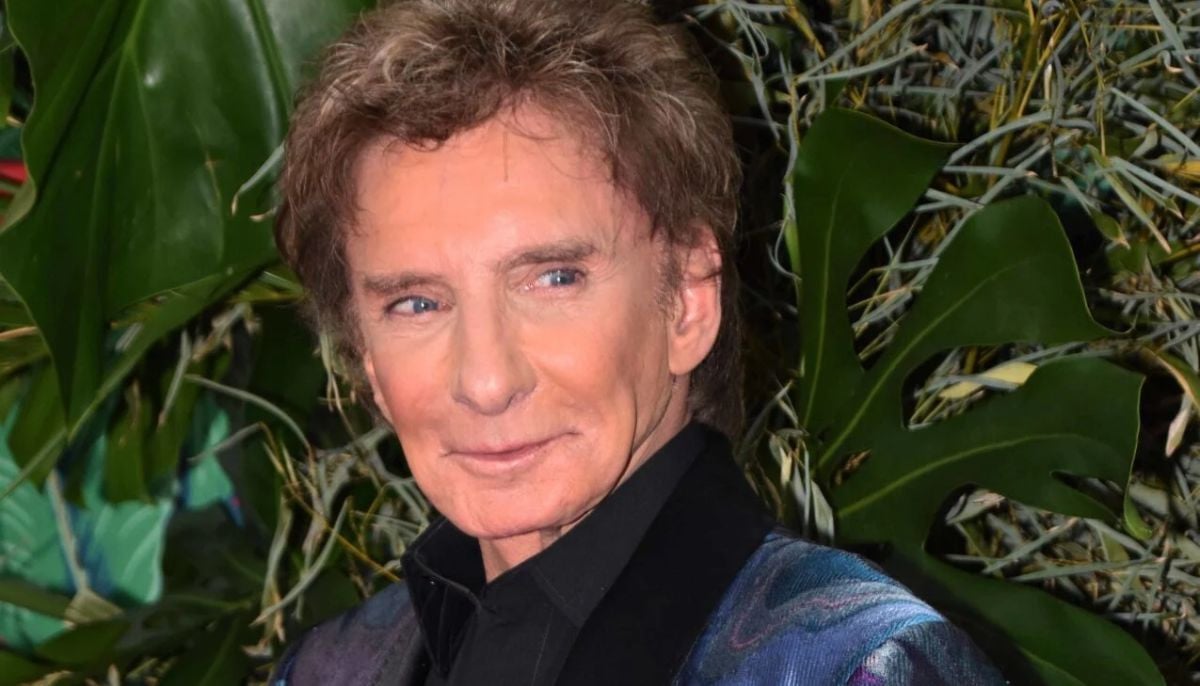
Barry Manilow is opening up about the toll of his cancer recovery.
In an interview with The Times on March 29, the Copacabana singer revealed that waiting for his voice and breathing to return has been “agony,” after being forced to postpone several shows following lung cancer surgery.
“I’m not totally healed, the doctors said that it would take a while, but I have no patience and waiting is agony,” Manilow, 82, said. “I tried to sing my show, but I have not been able to make it to the end without getting so winded that I have to stop.”
The setbacks come after what was initially described as a straightforward procedure to remove a cancerous spot on his left lung, discovered during an MRI last December. The scan followed a difficult stretch of bronchitis that lasted nearly three months.
Despite avoiding further treatment, Manilow admitted the recovery has been tougher than expected. He is still unable to complete a full 90-minute set, though there are signs of progress.
“I am getting closer and the doctors say it will come back, but they say, ‘Barry, you’ve been through hell. Ease up!’ And I have never heard a doctor say that, so it must have been more difficult than I thought,” he shared.
For now, the iconic singer is taking things slow, with postponed Las Vegas residency dates and tours gradually being rescheduled as he works toward a return to the stage later this year.
- CDF’s meetings in Iran part of ongoing mediation efforts: ISPR.
- Discussions focused on reaching “a conclusive agreement”: ISPR.
- Talks made meaningful contribution to mediation process: ISPR.
Chief of Army Staff (COAS) and Chief of Defence Forces (CDF) Field Marshal Asim Munir’s meetings with Iran’s top civil and military leadership during his visit to the country have resulted in “encouraging progress towards a final understanding”, the military’s media wing said on Saturday.
CDF Munir concluded a short but highly productive official visit to Iran, during which he held high-level engagements with Iranian leadership as part of ongoing mediation efforts aimed at promoting de-escalation and constructive engagement, the Inter-Services Public Relations said in a statement.
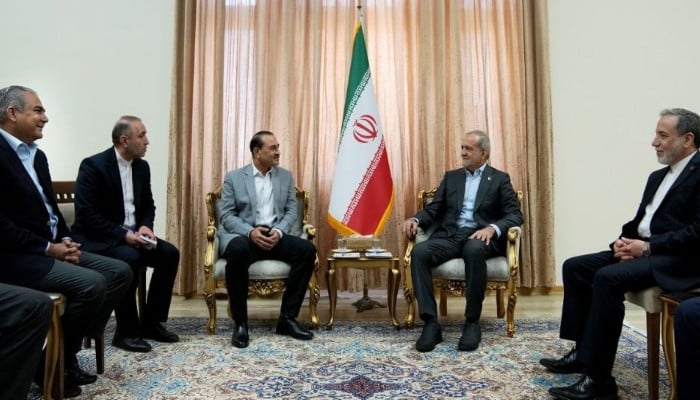
During the visit, Field Marshal Munir called on Iran’s President Masoud Pezeshkian, Parliament Speaker Mohammad Bagher Ghalibaf, Foreign Minister Abbas Araghchi, and Interior Minister Eskandar Momeni.
“The discussions remained focused upon expediting the consultative process underway to support peace and stability in the region and to reach to a conclusive agreement,” read the communique.
CDF Munir landed in Tehran on Friday as Islamabad intensified efforts to help broker a peace deal between the United States and Iran.
Pakistan has been acting as a key mediator between the two sides since hostilities erupted in the Middle East following joint US and Israeli attacks on Iran on February 28.
Islamabad brokered a two-week ceasefire between the two sides on April 8 that ended six weeks of fighting and continues to relay messages between Washington and Tehran.
Amid Pakistan’s diplomatic push for peace in the region, US Secretary of State Marco Rubio said earlier today that there was a chance Tehran would accept a deal to end the war as soon as Saturday.
“There is a chance that, whether it’s later today, tomorrow, in a couple days, we may have something to say,” Rubio told reporters in New Delhi, adding he hoped for “good news”.
Iran, on the other hand, said it was focused on finalising a memorandum of understanding through Pakistani-mediated talks with Washington.
Meanwhile, the ISPR said that Field Marshal Munir’s engagements with the Iranian leadership were held in a “positive and constructive environment” and made a meaningful contribution to the mediation process.
“The intensive negotiations over the last 24 hours have resulted in encouraging progress towards a final understanding,” it added.
The ISPR said that the Iranian leadership appreciated Pakistan’s “sincere and constructive” role in facilitating dialogue and promoting the peaceful settlement of regional issues.
Upon his arrival in Tehran on Friday, Field Marshal Munir was received by the Iranian interior minister along with senior civil and military officials, it added.
- Economic recovery process reversed due to Mideast war: Asif.
- Defence czar expresses hope for peace across region and beyond.
- Pakistan helping avert major global crisis, says defence minister.
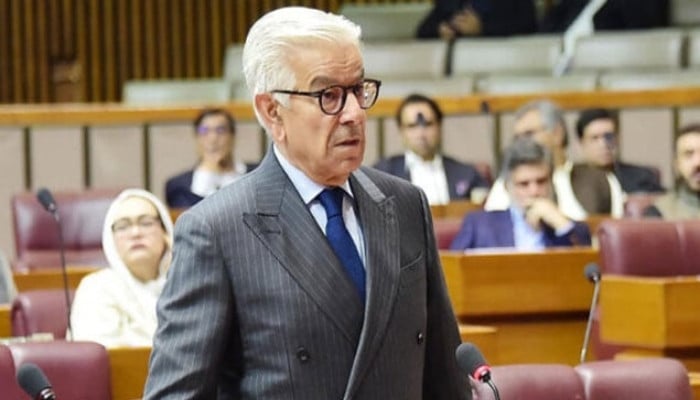
Defence Minister Khawaja Asif on Saturday said that Pakistan’s efforts in ongoing US-Iran mediation were gradually moving towards a “positive outcome”, expressing hope for peace across the region and beyond.
“We have slowly moved closer to a positive result in the US-Iran mediation,” the defence czar told Geo News in Sialkot.
According to Asif, Chief of Army Staff (COAS) and Chief of Defence Forces (CDF) Field Marshal Asim Munir and Interior Minister Mohsin Naqvi’s presence in Iran itself “signalled the matter was nearing” a resolution.
Field Marshal Munir landed in Tehran on Friday as Islamabad stepped up its diplomatic efforts to help end the US-Israel war on Iran.
During the visit — accompanied by Interior Minister Mohsin Naqvi, who was already in Tehran — Chief of Defence Forces (CDF) Munir met Iranian Foreign Minister Abbas Araghchi, President Masoud Pezeshkian and Parliament Speaker Mohammad Bagher Ghalibaf to discuss regional de-escalation and ongoing mediation efforts.
Pakistan emerged as a key mediator between Washington and Tehran after six weeks of fighting that began on February 28, with Islamabad playing a central role in ceasefire negotiations and backchannel diplomacy.
The Middle East war erupted after the US and Israel launched coordinated strikes on Iran, prompting Tehran to retaliate with attacks on US bases across the region and the closure of the Strait of Hormuz.
Hostilities ended on April 8 when Pakistan facilitated a two-week ceasefire, followed by direct negotiations between the US and Iran in its capital between April 11 and 12.
The talks, however, concluded without an agreement for a permanent end to the conflict as both sides disagreed on a number of issues, including Tehran’s blockade of Hormuz and its missile and nuclear programmes.
Despite the stalemate, Islamabad continued its push for mediation between Tehran and Washington, and also helped extend the ceasefire.
Meanwhile, the defence minister said that Pakistan was helping prevent a major global crisis and expressed optimism that the country’s diplomatic efforts would succeed.
Speaking about the domestic issues, Asif acknowledged the impact of inflation on ordinary citizens, saying people with limited resources were facing the greatest difficulties amid rising prices.
“We were in a recovery phase, but because of this war our economy has suffered badly,” he said, adding that the recovery process had not only stalled but had also reversed.


Ryan Bingham reflects on his award-winning career

NASCAR champion Kyle Busch’s cause of death revealed by family

CDF Munir’s Iran visit resulted in ‘encouraging progress towards final understanding’

-

 Entertainment1 week ago
Where Pete Davidson, Elsie Hewitt stand after breakup: Details revealed
-

 Entertainment1 week ago
Emilia Clarke recalls near-death incident while filming ‘Game of Thrones’
-

 Politics1 week ago
Rising diesel costs from Iran war strain US school budgets
-

 Entertainment1 week ago
Drake drops highly anticipated "Iceman" album, plus two surprise albums
-

 Politics1 week ago
UK’s Starmer faces survival battle as potential rivals circle
-

 Politics1 week ago
Trump says China will order 200 Boeing jets
-

 Tech1 week ago
Greg Brockman Officially Takes Control of OpenAI’s Products in Latest Shakeup
-

 Tech6 days ago
Why Is Your Grill So Dumb? The Best Grills Set Temp Like an Oven