

Fashion
$180 bn apparel glut deepens as Asian mills sit on unsold stock

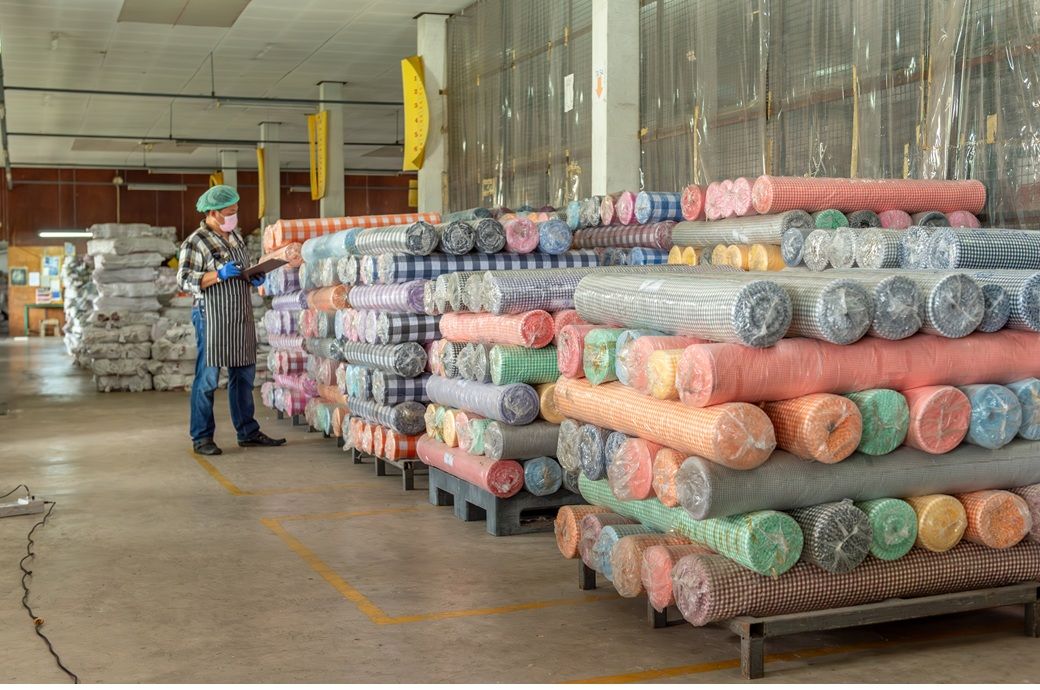
This hidden inventory is best understood through indirect but telling indicators. In Bangladesh, for instance, total textile capacity is estimated at ~*.*–*.* million tons, while actual consumption has dropped to around *.* million tons, implying utilisation levels of just ~** per cent, leaving a significant portion of capacity effectively idle. Similar patterns are visible across South Asia, where spinning and weaving units are operating well below optimal levels. In India and Pakistan, industry feedback suggests mills are running at **–** per cent capacity, with yarn inventories building up due to slower offtake from downstream buyers. Cotton dynamics are adding to the pressure, with global inventories exceeding *** million bales, keeping prices volatile and discouraging fresh procurement.
The pressure intensifies further along the value chain. Fabric manufacturers, particularly in Bangladesh, are facing delayed or reduced orders from garment exporters, leading to a build-up of greige and processed fabric stocks. At the same time, exporters themselves are holding finished goods as shipment cycles lengthen. Geopolitical disruptions around the Strait of Hormuz have increased transit times by *–** days on key routes, while freight costs have risen by **–** per cent, slowing inventory movement and delaying cash realisation.












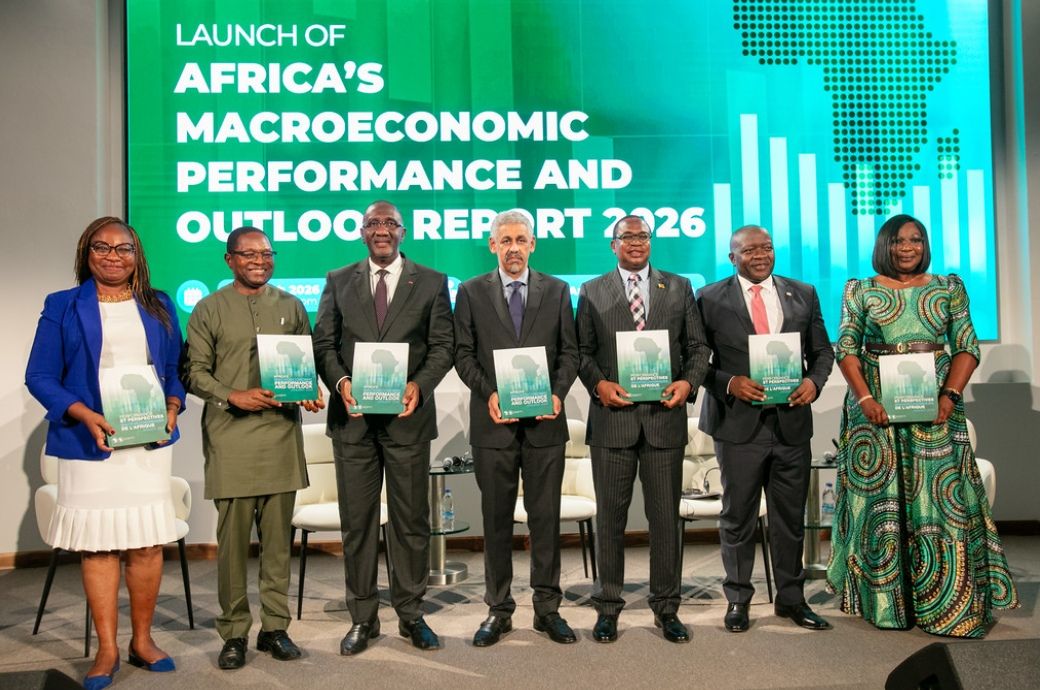
Despite ongoing regional and global headwinds, Africa continues to demonstrate impressive resilience and maintains its status as a global growth frontier, it noted.
Africa’s real GDP growth is projected to stabilise at 4.3 per cent in 2026 and grow further to 4.5 per cent in 2027, an African Development Bank report said.
Growth in 2025 exceeded 5 per cent in 22 African nations and topped 7 per cent in six.
Despite regional and global headwinds, Africa continues to demonstrate impressive resilience and maintains its status as a global growth frontier, it noted.
Africa outpaced the global average in 2025 as its real GDP surged to 4.2 per cent, up from 3.1 per cent in 2024, comfortably eclipsing the 3.1-per cent world average, the report said.
A key finding in the report is the ‘broad-based’ surge, with growth exceeding 5 per cent in 22 African countries, and topping 7 per cent in six, bolstered by easing inflationary pressures, improved macroeconomic management and favourable agricultural conditions, an AfDB release noted.
Twelve of the 20 fastest-growing economies in the world last year were African.
East Africa maintained its lead last year as the continent’s fastest-growing region, posting 6.4-per cent GDP growth, with its expansion driven by the surge in growth performances of 9.8 per cent in Ethiopia, 7.5 per cent in Rwanda and 6.4 per cent in Uganda.
Africa’s GDP per capita growth rose from 0.9 per cent in 2023 to 1.1 per cent in 2024 and 1.9 per cent in 2025, but still remains too low to propel rapid poverty reduction.
Inflation is declining, with average inflation estimated at 13.6 per cent in 2025, down from 21.8 per cent in 2024; further reductions are projected for 2026 and 2027.
Foreign direct investment rebounded sharply in 2024, rising by more than 75 per cent to reach $97 billion.
Remittance flows to the continent rebounded strongly in 2024, rising by more than 14 per cent to $104.6 billion—offsetting the 6-per cent decline recorded in 2023 and making remittances the largest single source of external non-debt financing, surpassing foreign portfolio investment.
Fibre2Fashion News Desk (DS)
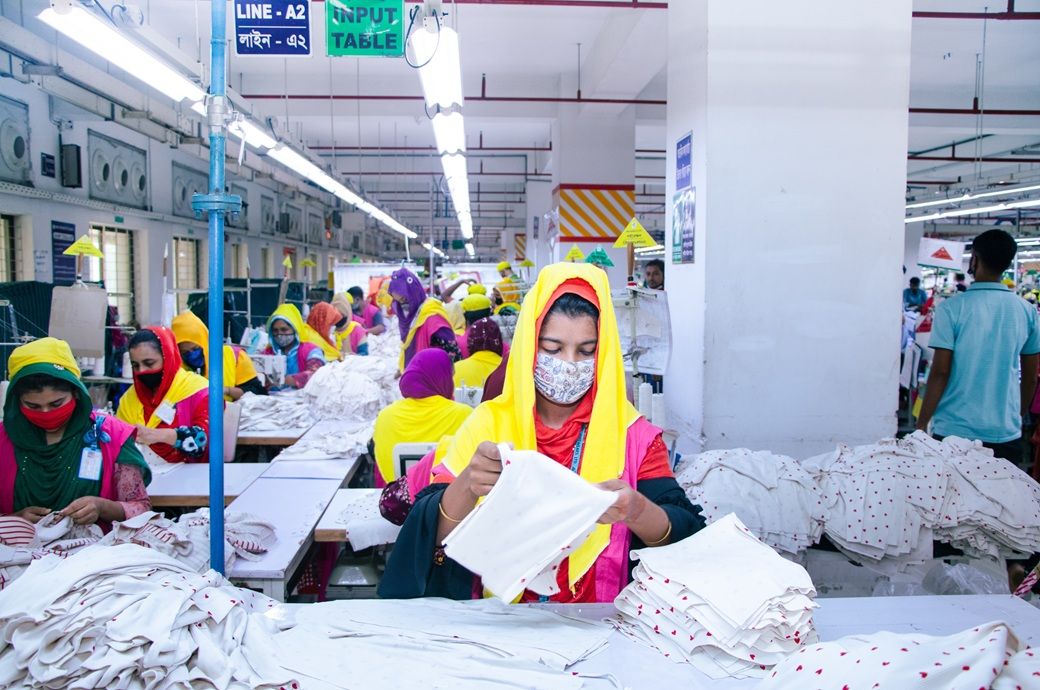
Foreseeing a ‘cautiously moderate’ near-term outlook for the RMG industry, Bangladesh Bank (BB) projected a combination of external demand uncertainty and emerging opportunities in key export markets.
Bangladesh’s RMG exports performance in the next few quarters will depend on the pace of economic recovery in major buying nations, stabilisation of global supply chains and the sector’s ability to diversify products and markets, the central bank noted.
Foreseeing a ‘cautiously moderate’ near-term outlook for the sector, it projected external demand uncertainty and emerging opportunities in key markets.
“Strengthening logistics, enhancing productivity and expanding into higher value apparel segments might be critical for maintaining the competitiveness of Bangladesh in the global garment market,” the bank’s ‘Quarterly Review of Readymade Garments (RMG): October-December of FY26’ noted.
The sector continued to occupy the dominant share in the country’s export basket, accounting for 80.36 per cent of total export earnings during the October-December period of fiscal 2025-26 (FY26).
Amid continuing demand uncertainty globally, the sector contracted during the quarter, with earnings reaching $9.74 billion, a 5.99 per cent year-on-year (YoY) decline.
Global demand conditions, inflationary pressures in importing countries, shifts in consumer spending patterns and supply chain adjustments continue to influence order volumes and export receipts, the bank observed.
In addition, production costs, exchange rate movements, and logistical conditions play a considerable role in shaping the competitiveness of Bangladesh’s garment exports.
These show a large and resilient industry providing the bulk of export earnings and employment facing growing short-term headwinds as it moves into the rest of FY26, the bank added.
Fibre2Fashion News Desk (DS)
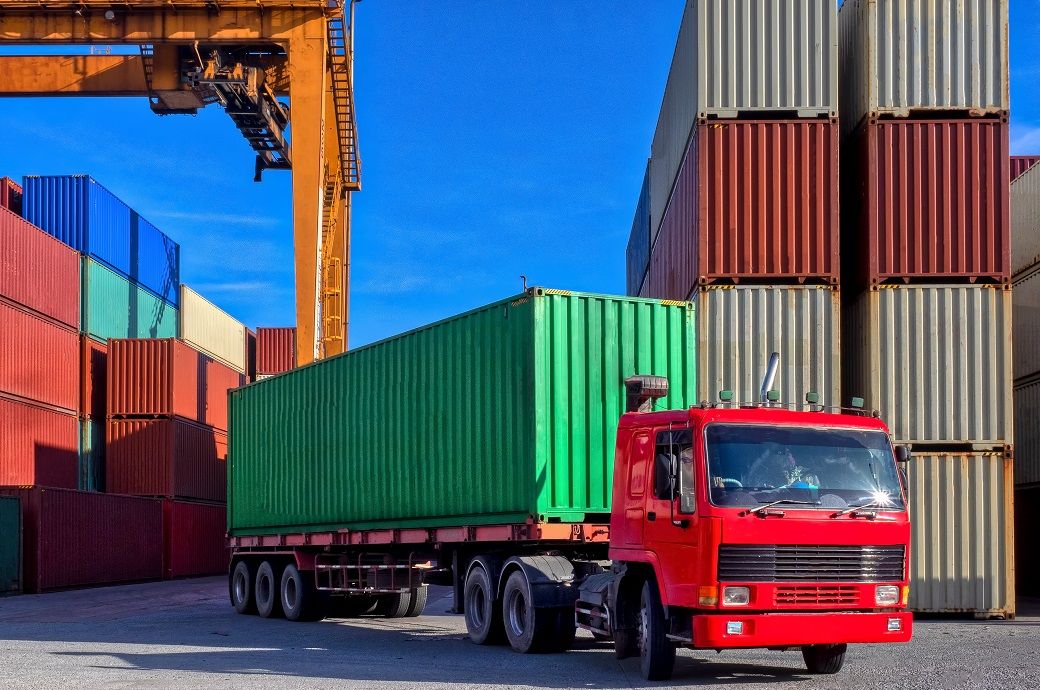
Rates on Asia–Europe trades have remained relatively stable despite ongoing tensions in the Middle East. Spot rates on Shanghai–Genoa inched up 2 per cent to $3,529 per 40ft container, while Shanghai–Rotterdam stayed unchanged at $2,543 per 40ft container. According to Drewry’s Container Capacity Insight, only 4 blank sailings have been announced for next week on the Asia–Europe trade, suggesting stable capacity. Meanwhile, Drewry expects spot rates to increase in the coming weeks as higher bunker fuel costs prompt carriers to implement emergency bunker fuel surcharges.
The Drewry WCI rose marginally to $2,287 per FEU, marking a fifth weekly gain, though overall freight trends remain stable across key routes.
Asia–Europe and Transpacific lanes saw limited movement, while bunker fuel surcharges may push rates higher.
Middle East-linked routes show sharper spikes, but disruption remains contained versus COVID-19 peaks.
On the Transpacific route, spot rates from Shanghai to New York increased 1 per cent to $3,434 per 40ft container, while those to Los Angeles decreased 1 per cent to $2,663. Maersk is seeking US regulatory approval to waive the 30-day notice period and introduce an emergency bunker surcharge, citing elevated and volatile fuel costs amid Middle East tensions. The proposed surcharge is $200 per Twenty-foot Equivalent Unit (TEU) for head-haul and $100 per TEU for backhaul dry shipments. With carriers continuing to push for rate increases, Drewry expects spot rates to increase further in the coming weeks.
Rates from New York to Rotterdam increased 3 per cent to $1,001 per FEU, while Rotterdam-New York increased 2 per cent to $1,579 per FEU. Rotterdam-Shanghai rose 2 per cent to $605 per FEU, and Los Angeles–Shanghai grew 2 per cent to $742 per 40-foot container.
Ongoing disruptions in the Strait of Hormuz, a key route for nearly 20 per cent of global oil, have tightened bunker fuel availability and pushed prices higher. In Asia, fuel supplies in key hubs like Singapore and China are starting to tighten, prompting carriers to adopt operational measures such as slow steaming, alternative refuelling strategies and emergency fuel surcharges to manage costs. These measures are expected to keep freight rates elevated in the short term.
A recent analysis by Drewry suggests not to panic as freight rates have surged amid the Middle East conflict but the situation remains relatively contained compared to the COVID-era spike. Capacity has largely held steady across most global routes, barring disruptions in Gulf-linked lanes, helping prevent extreme volatility. However, routes connected to the Middle East are witnessing sharper fluctuations, with elevated bunker surcharges adding to cost pressures.
Drewry data indicated that freight rate increases vary sharply by route. On non-Middle East routes, spot rates rose a relatively moderate 16 per cent between February and March 2026, far below the 35 per cent spikes seen during the COVID-19 peak. However, Middle East-linked routes have seen far steeper increases, with some lanes surging by as much as 316 per cent in March, alongside earlier gains of nearly 49 per cent. This divergence highlights a concentrated disruption, with bunker surcharges and route-specific risks significantly inflating logistics costs for affected trade corridors.
Fibre2Fashion News Desk (KUL)


Royal Family out in full bloom with Kate and Charlotte like two peas in pod

The sublime perfection of Raphael

Taylor Swift plans to reunite with Sabrina Carpenter, Sombr at Coachella

-

 Sports1 week ago
USMNT handed reality check by Doku, Belgium ahead of World Cup
-

 Sports1 week ago
2026 NCAA men’s hockey tournament: Schedule, results
-

 Fashion1 week ago
China rolls out tariff cuts on Congo imports from April 1
-

 Fashion1 week ago
EU apparel imports slump 15.48% YoY in Jan; Bangladesh hardest hit
-
Uncategorized6 days ago
[CinePlex360] Please moderate: “Further tariff
-

 Sports1 week ago
Man City show why they are worthy WSL title winners as tired United wilt
-
Uncategorized1 week ago
[CinePlex360] Please moderate: “Apple scrapping
-

 Entertainment1 week ago
The Avett Brothers’ bassist explains why he wrote a book about John Quincy Adams