

Fashion
EU apparel imports slump 15.48% YoY in Jan; Bangladesh hardest hit

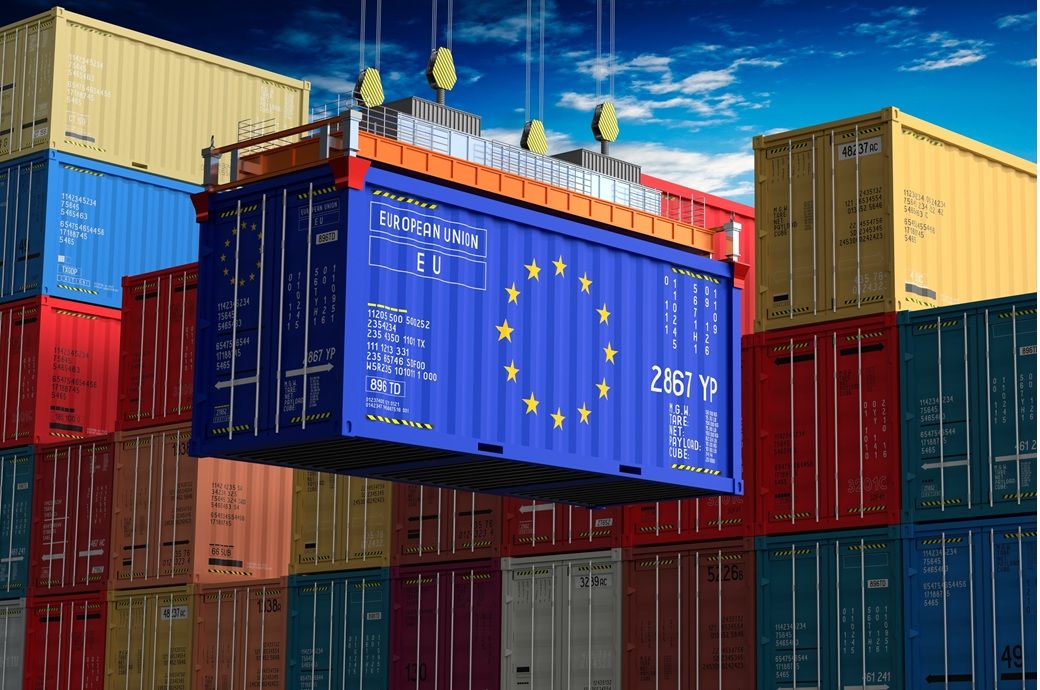
This was driven by an 8.36-per cent YoY decline in import volume and a 7.76-per cent YoY decrease in average unit prices.
The EU’s apparel imports fell by 15.48 per cent YoY in January to €7.03 billion, according to Eurostat.
Bangladesh’s apparel exports to the EU fell to €1.43 billion in January—a 25.25-per cent drop in value.
China remained the top exporter of apparel to the EU (€2.22 billion), but still saw a 6.9-per cent decline YoY in value.
India, Pakistan, Vietnam and Cambodia also remained in negative territory.
Bangladesh’s apparel exports to the bloc fell to €1.43 billion in January—a sharp 25.25-per cent drop in value. It saw a 17.49-per cent YoY decrease in the quantity of goods shipped, coupled with a 9.41 per cent drop in the unit price per kilogram.
China remained the top exporter of apparel to the EU (€2.22 billion), but still saw a 6.9-per cent decline YoY in value. Its unit prices dropped by 8.01 per cent YoY, while its export volume grew a bit by 1.21 per cent YoY.
Turkey faced a severe hit with a 29.12-per cent YoY decrease in apparel export value to the EU in the month, totaling €619.98 million.
Other countries like India, Pakistan, Vietnam and Cambodia remained in negative territory, reflecting a broad-based slowdown in the European fashion retail market.
Fibre2Fashion News Desk (DS)
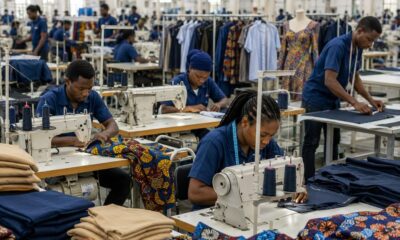



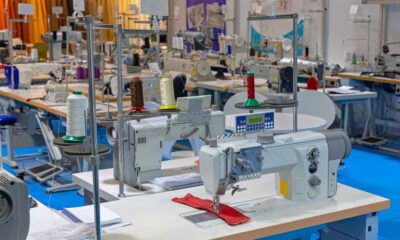


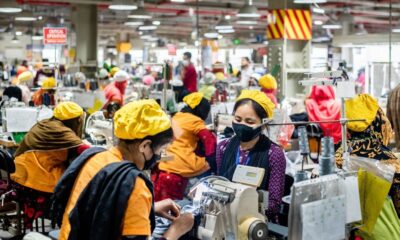

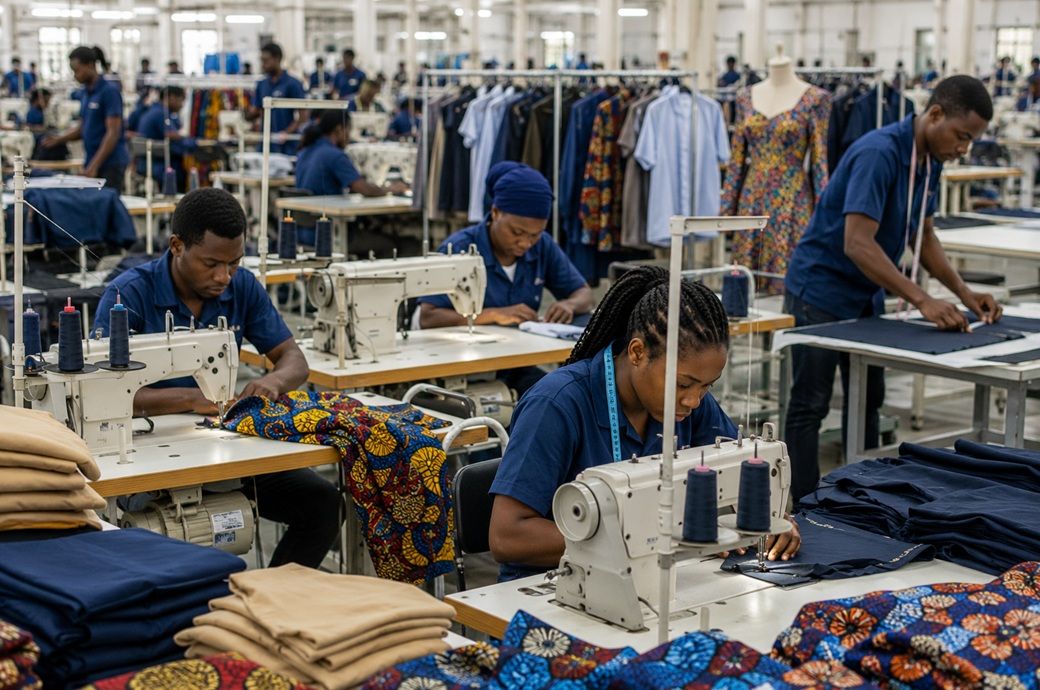
If the government makes it compulsory for state institutions to procure uniforms and other garments from domestic manufacturers, the apparel sector can absorb thousands of unemployed youth, AGAM national coordinator Nana Poquah Adiamah said.
The Association of Ghana Apparel Manufacturers (AGAM) recently called for a national procurement policy for garments and textiles, saying such a step may create over 100,000 jobs.
If the government makes it compulsory for state institutions to procure uniforms and other garments from domestic manufacturers, the apparel sector can absorb thousands of unemployed youth, AGAM noted.
The proposed policy should initially target uniforms for schools, security services, health institutions and other public sector agencies, she said.
Addressing a dialogue on such a procurement policy in Kumasi, she said women constituted 70-85 per cent of ownership, management, workforce and supply chains within the garment manufacturing industry.
Though Ghana has a Public Procurement Act and domestic procurement provisions, strong enforcement is lacking.
She said Ghana spends over $200 million annually on imported garments and apparel, draining scarce foreign exchange that could otherwise support domestic industries and job creation, according to a domestic media outlet.
Despite significant investments in skills development, factory expansion and global compliance standards, many domestic garment factories are operating below 40 per cent of their production capacity due to lack of orders, she added.
Fibre2Fashion News Desk (DS)
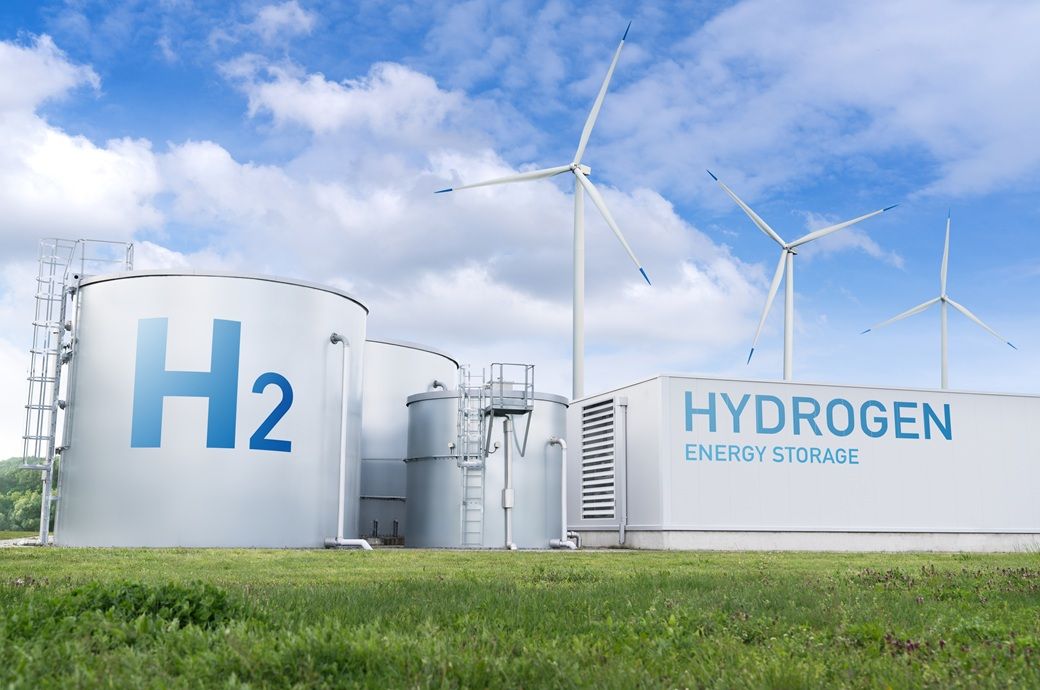
The scheme will contribute to the objectives of the Clean Industrial Deal to accelerate the decarbonisation of EU industry, the REPowerEU Plan to reduce dependence on Russian fossil fuels, as well as the EU Hydrogen Strategy, an official release said.
The European Commission has cleared a $1.5-billion German state aid scheme to produce renewable hydrogen through the European Hydrogen Bank’s ‘Auctions-as-a-Service’ tool for the auction that closed in 2026.
The scheme will contribute to the objectives of the Clean Industrial Deal, the REPowerEU Plan to reduce dependence on Russian fossil fuels, as well as the EU Hydrogen Strategy.
The approved scheme will support construction of up to 1,000 MW of installed electrolyser capacity, and the production of up to 10 million tonnes of renewable hydrogen. This is estimated to avoid up to 55 million tonnes of carbon dioxide.
The aid will be awarded through a competitive bidding process that will be supervised by the European Climate, Infrastructure, and Environment Executive Agency (CINEA).
The scheme will provide support to companies planning to construct new electrolysers feeding renewable hydrogen into the Danish Hydrogen Backbone 1 pipeline, which is a project of common interest, and deliver it to buyers connected to the German Hydrogen Core Network.
The aid will not only support the production of renewable hydrogen, but also cross-border infrastructure that connects renewable hydrogen sources in the North Sea to large-scale buyers.
Under the scheme, the aid will take the form of a direct grant per kilogram of renewable hydrogen produced. The aid will be granted for a maximum duration of ten years. Beneficiaries will have to prove compliance with EU criteria for the production of renewable fuels of non-biological origin (RFNBOs).
The European Hydrogen Bank is an initiative to facilitate EU production and imports of renewable hydrogen in and to Europe. Its objective is to close the investment gap and connect the future renewable hydrogen supply to consumers to meet the intended target of 20 million tonnes by 2030, contributing to the REPowerEU objectives and the transition to climate neutrality.
Run by the Innovation Fund, the hydrogen auctions implement the EU-domestic leg of the European Hydrogen Bank and are financed through the EU Emissions Trading System revenues.
Fibre2Fashion News Desk (DS)

The US–Iran military conflict has sent shockwaves through global energy and chemical markets. Crude surged past $*** per barrel in late March and April ****, its highest level in years. Prices briefly touched $*** per barrel in late April before stabilising near $*** per barrel, following several news-driven fluctuations. Year-on-year, this represents a surge of over +** per cent vs. **** highs and remains +** per cent above compared to last year’s equivalent period.
Key petrochemical feedstocks that directly feed the textile chain — Naphtha, Paraxylene (PX), Purified Terephthalic Acid (PTA), Mono Ethylene Glycol (MEG), Ethylene, and Ethylene Oxide are all under severe cost pressure. Further escalation above $***–***/barrel would trigger a new wave of downstream price hikes across yarn, fabric, and finishing chemicals.


Princess Eugenie finally ‘reacts’ to King Charles warm welcome

‘Margo’s Got Money Troubles’ Won TV’s OnlyFans Wars

UAE slams Iran’s Strait of Hormuz control plan as ‘pipe dream’

-

 Entertainment1 week ago
Conan O’Brien hat tricks as Oscar host
-

 Fashion1 week ago
Italy’s Zegna Group’s Q1 growth boosted by strong organic performance
-
 Business1 week ago
Pound wobbles and bonds suffer as Starmer battles on
-
 Fashion1 week ago
US T&A exports decline 10% to $5 bn on softer regional demand
-

 Sports1 week ago
2025-26 NBA Title Odds: Thunder, Spurs Favored; Knicks Rising
-

 Entertainment5 days ago
Where Pete Davidson, Elsie Hewitt stand after breakup: Details revealed
-
 Business7 days ago
Jersey Election 2026: Cost of living concern in St Helier Central
-

 Tech1 week ago
Hantavirus Conspiracy Theories Are Already Spreading Online