

Fashion
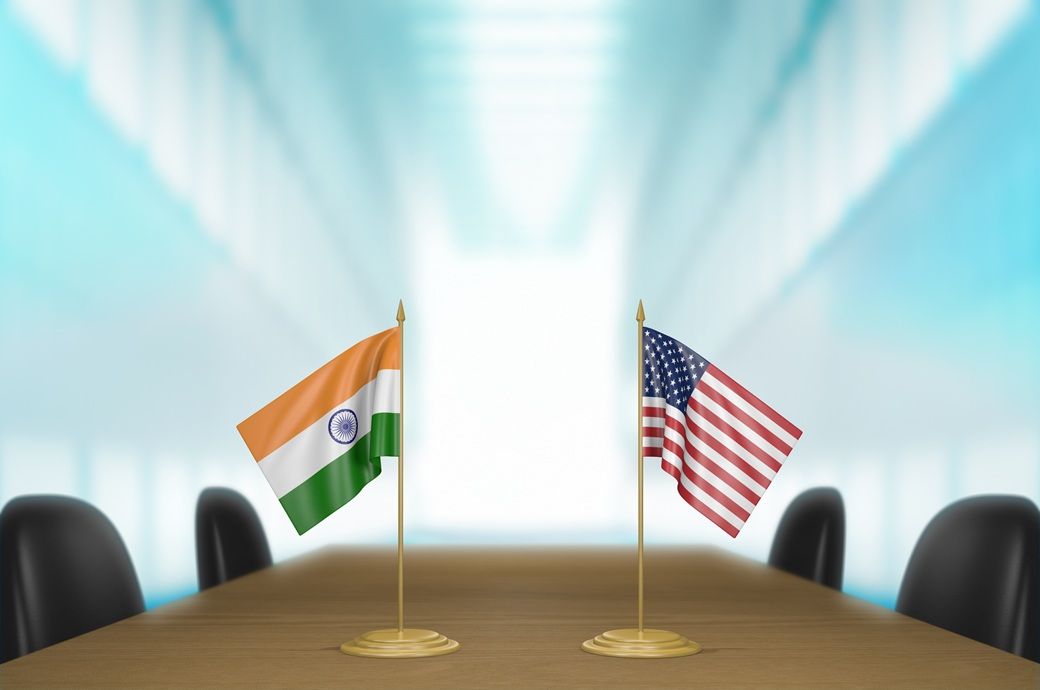
India, US to resume BTA talks today

The text of the agreement was released on February 7.
India and the US will today resume talks on the first phase of their bilateral trade agreement in Washington, DC.
The three-day talks will discuss the situation that has evolved under the changed US tariff regime.
The two unilateral probes launched by the USTR against India may also be discussed at the meeting.
Darpan Jain, additional secretary in the department of commerce, is leading the Indian team.
Darpan Jain, additional secretary in the department of commerce, is leading the Indian team.
The three-day talks will discuss the situation that has evolved under the changed US tariff regime, according to Indian media reports.
Following the US Supreme Court decision against the sweeping tariffs imposed by President Donald Trump on several countries, the US administration imposed a 10-per cent tariff on all countries beginning February 24 for 150 days.
This led to a meeting between chief negotiators of both sides scheduled in February getting postponed to this month.
The two unilateral investigations launched by the US Trade Representative (USTR) against India may also be discussed at the meeting. India has rejected allegations made by the USTR in these two probes under its Section 301 of Trade Law and has called for termination of the probes as the initiation notice has failed to provide cogent rationale to substantiate the claims.
Fibre2Fashion News Desk (DS)




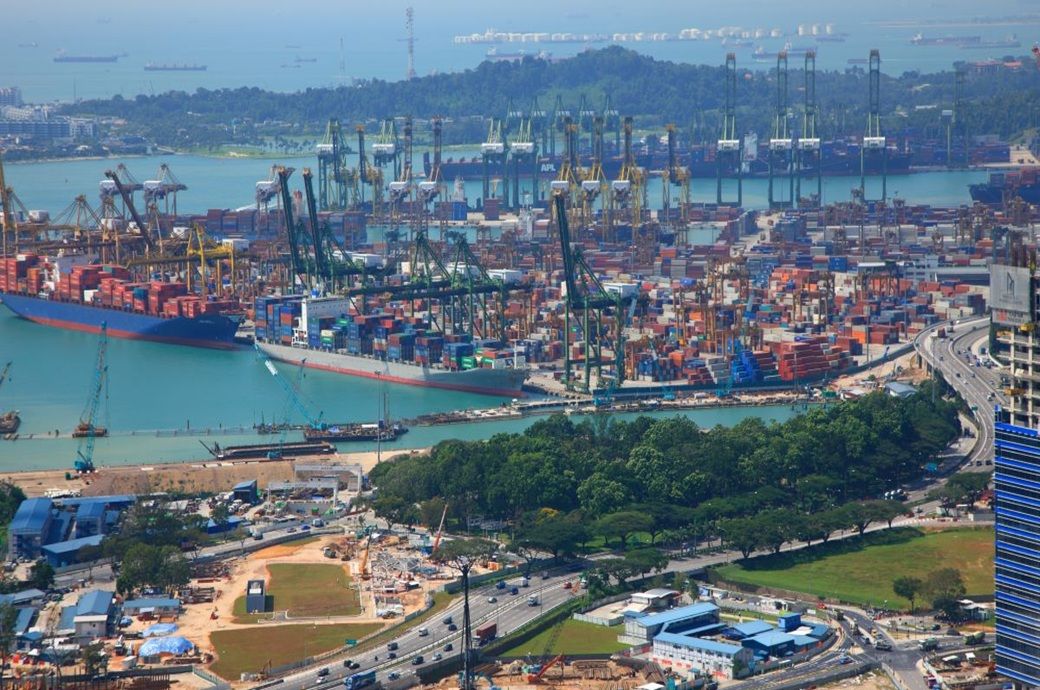
Singapore, one of the world’s most connected and efficient port hubs, offers a platform for testing and deploying innovations in areas such as cleaner fuels and digital technologies. UNCTAD complements this with global reach, policy expertise and hands-on support to developing countries.
UNCTAD and the Maritime and Port Authority of Singapore have launched a partnership to support the transition toward more sustainable, resilient and inclusive maritime transport systems.
They will promote adoption of alternative fuels and digital solutions across ports and shipping networks.
Efforts will focus on approaches that can be adapted to different national contexts.
Under the agreement, the partners will promote adoption of alternative fuels and digital solutions across ports and shipping networks. Efforts will focus on approaches that can be adapted to different national contexts, alongside knowledge-sharing in sustainable finance, digital innovation and workforce development.
“This partnership brings together Singapore’s operational excellence and UNCTAD’s global development expertise,” said Pedro Manuel Moreno, acting secretary general of UNCTAD.
“It will help accelerate a maritime transition that is not only greener and more efficient, but also resilient and inclusive—while contributing to global discussions at the UN Global Supply Chain Forum 2026,” he noted.
As pressure mounts to decarbonise ports, they face a complex balancing act: reducing emissions while keeping trade flowing efficiently and competitively, according to the UNCTAD, which recently said that challenge is turning more urgent as global supply chains navigate renewed uncertainty.
Recent tensions affecting key maritime chokepoints, including the Strait of Hormuz, have highlighted the risks of continued reliance on fossil fuels in global shipping. Volatility in energy markets and disruptions to shipping routes are reinforcing the case for alternative fuels and more resilient port infrastructure, UNCTAD said in a release.
A central priority of the partnership is ensuring that the maritime transition is inclusive.
Developing countries, many of which depend heavily on maritime trade, often face constraints in financing, technology and skills. The initiative will support these countries through training, advisory services and institutional strengthening.
Building on UNCTAD’s long-standing work with port communities, the partnership aims at improving port performance, strengthening connectivity and enhancing preparedness for disruptions.
The initiative will also contribute to preparations for the 2nd UN Global Supply Chain Forum taking place in late 2026, where policymakers, industry leaders and international organizations will address the future of trade logistics and resilience.
Fibre2Fashion News Desk (DS)
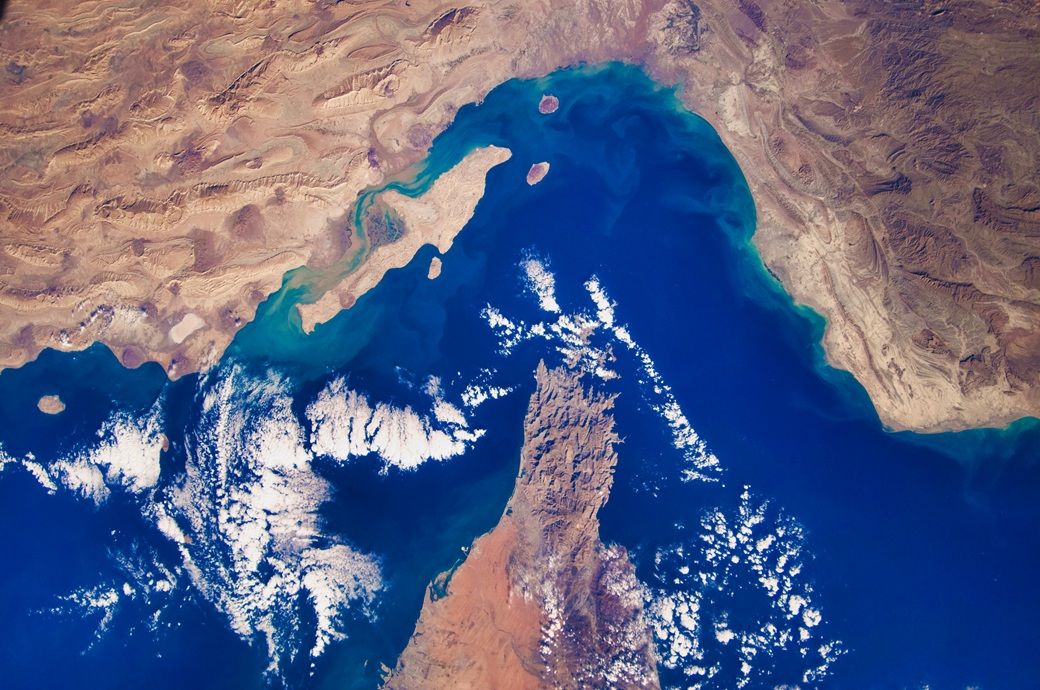
Describing the closure of the vital shipping route as a ‘structural rupture’ in global energy trade, the ERIA issue paper said member countries of the Association of Southeast Asian Nations (ASEAN), including Cambodia, are particularly exposed due to their heavy reliance on imported energy.
The Strait of Hormuz disruption is a systemic shock threatening Southeast Asia’s energy security and economic stability, a report by Economic Research Institute for ASEAN and East Asia said.
Flagging cascading impacts across key sectors beyond energy markets, it cautioned that these combined pressures could lead to slower economic growth, rising inflation and financial instability across the region.
The ASEAN region imports about two-thirds of its crude oil, with some like Cambodia, Singapore and the Philippines almost entirely dependent on external supplies. This dependence, combined with concentrated sourcing from the Middle East, makes ASEAN highly vulnerable to prolonged supply disruptions, the report noted.
Flagging cascading impacts across key sectors beyond energy markets, it cautioned that these combined pressures could lead to slower economic growth, rising inflation and financial instability across the region.
Higher import bills are expected to widen current account deficits, while currency volatility and capital outflows may further strain economies, it said.
The situation also poses risks to migrant workers in the Middle East, potentially affecting remittances that many ASEAN households depend on, it observed.
As fragmented national responses are insufficient to address such a complex crisis, ERIA called for stronger regional coordination, arguing that unilateral actions like stockpiling or subsidy policies could worsen supply shortages and increase competition among countries.
To strengthen resilience, the report outlined several strategic recommendations. These include developing indigenous energy resources such as biofuels, expanding regional energy trade and enhancing infrastructure through initiatives like the ASEAN Power Grid and Trans-ASEAN Gas Pipeline.
It also called for the creation of shared strategic reserves and coordinated stockpiling mechanisms to ensure more stable access to energy during crises.
ERIA also stressed on the importance of diversifying supply sources, accelerating renewable energy deployment and improving energy efficiency.
The Hormuz disruption is a ‘stress test’ for ASEAN’s economic and energy systems, and long-term resilience will depend on deeper regional integration, coordinated policymaking and a shift towards a more secure and diversified energy architecture, the report concluded.
Fibre2Fashion News Desk (DS)
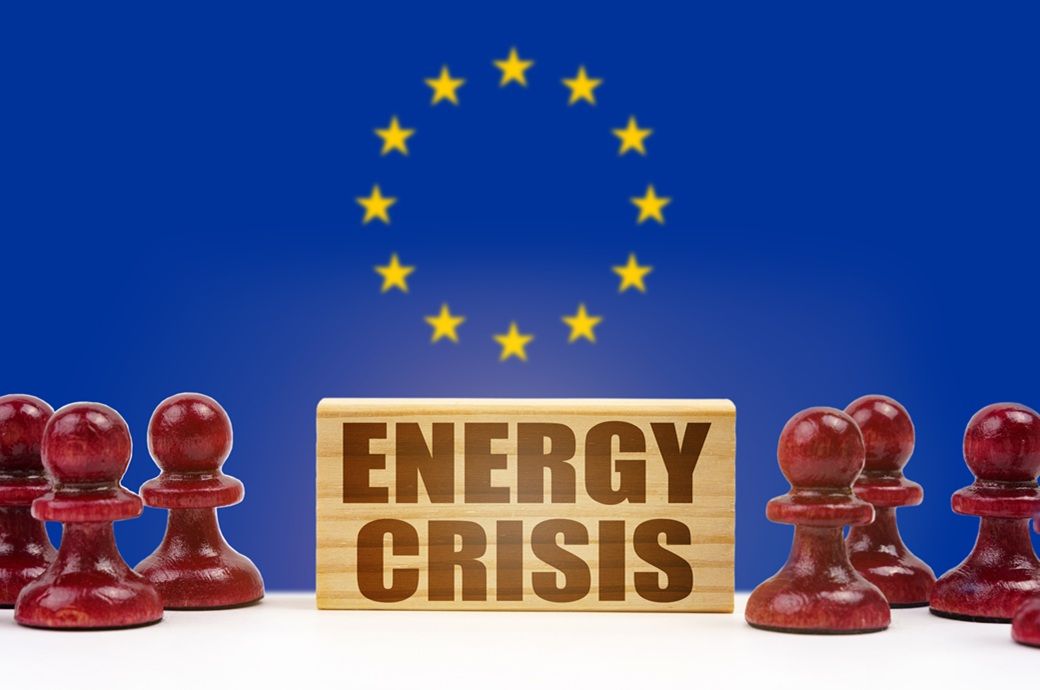
Energy shocks typically unfold in stages, beginning with a direct rise in oil and gas prices that increases costs for households and businesses. These pressures then spread across supply chains within a few quarters, raising prices in sectors such as transport, food, and metals. A further phase may emerge if trade disruptions intensify, creating bottlenecks in imports, S&P Global said in a report.
Middle East tensions are renewing energy risks for Europe, pushing up oil and gas prices and lifting inflation towards 3-3.5 per cent.
The EU imports about $110 billion from the region, with key supply chains exposed via the Strait of Hormuz.
While less vulnerable than in 2022, rising costs, supply disruptions, and tighter monetary policy could weigh on growth and confidence.
Europe’s exposure to the Middle East remains significant, with the EU importing around $110 billion worth of goods annually from the region, accounting for about 4 per cent of total imports. Nearly half of this comes from Saudi Arabia and Iraq, while about $40 billion in non-energy goods depend on safe passage through the Strait of Hormuz, a key global shipping route.
The impact is already visible in prices. Eurozone inflation is expected to rise to 3-3.5 per cent in April, up from 2.6 per cent in March, as higher energy costs filter into consumer prices. Business surveys indicate that companies are raising selling price expectations, signalling broader inflationary pressures beyond energy markets. Central banks may respond with tighter monetary policy, increasing borrowing costs and potentially dampening economic confidence, the report mentioned.
Europe’s energy structure presents a mixed picture. The region imports nearly two-thirds of its energy, with around 14 per cent sourced from the Middle East. Germany and Italy remain particularly exposed due to limited domestic resources, while France benefits from its nuclear capacity and the UK is relatively less dependent on Middle Eastern supplies. Overall, Europe’s vulnerability is lower than in 2022, when Russia accounted for up to 35 per cent of energy needs.
Supply chain risks are also emerging. Although energy shipments continue to reach major ports such as Rotterdam and Antwerp, critical dependencies remain. Products such as cyclohexane, polypropylene, polyethylene, and aluminium rely heavily on Middle Eastern supply routes, particularly through the Strait of Hormuz. Disruptions could affect industries ranging from packaging and petrochemicals to automotive and construction.
While some resilience exists, including alternative shipping routes from Saudi Arabia, analysts caution that supply chains are only as strong as their weakest link. Prolonged disruption in energy and trade flows could amplify economic strain across Europe in the months ahead, added the report.
Fibre2Fashion News Desk (SG)


UNCTAD, Maritime and Port Authority of Singapore launch partnership

Lexie Brown denies Klay Thompson cheated on Megan Thee Stallion with her

Strait of Hormuz disruption ‘systemic shock’ threatening SE Asia: ERIA

-

 Sports1 week ago
WWE WrestleMania 42 Night 2: Live match results and analysis
-

 Sports1 week ago
NCAA men’s gymnastics championship: All-time winners list
-

 Fashion1 week ago
UK’s Sosandar returns to profitability amid robust FY26 performance
-

 Politics6 days ago
UK’s Starmer seeks to deflect blame over Mandelson appointment
-

 Entertainment1 week ago
Ruby Rose old essay resurfaces detailing night of alleged Katy Perry assault
-

 Entertainment7 days ago
Lee Anderson, Zarah Sultana kicked out of UK Parliament for calling PM ‘liar’
-
 Business1 week ago
No fuel shortage: Govt assures 100% domestic LPG, PNG, CNG supply amid Hormuz energy crunch – The Times of India
-
 Business7 days ago
How Trump’s psychedelics executive order could unlock stalled cannabis reform