

Politics
UK’s Starmer seeks to deflect blame over Mandelson appointment

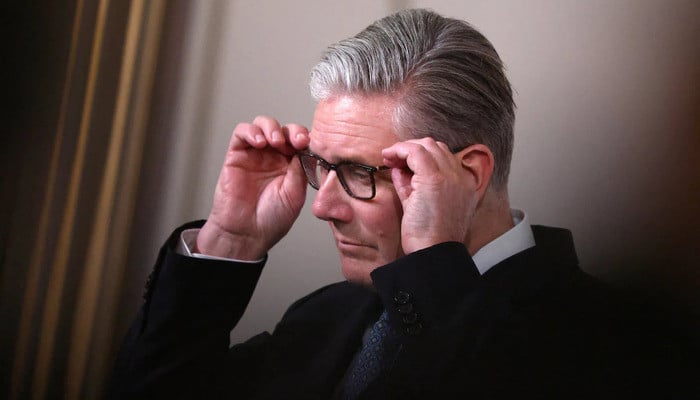
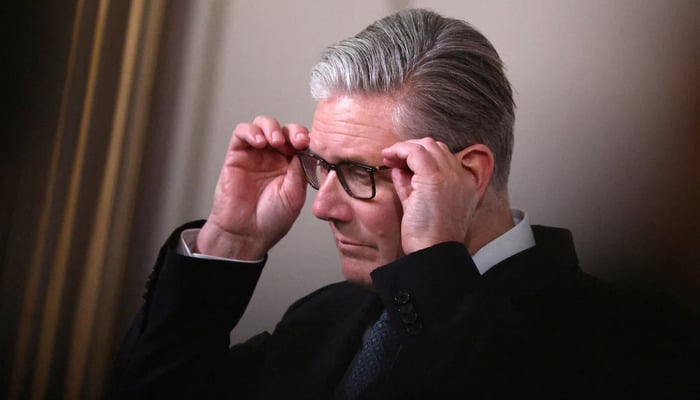
British Prime Minister Keir Starmer put the blame firmly on foreign ministry officials on Monday over the appointment of a US ambassador, saying they had withheld information about Labour veteran Peter Mandelson that would have halted his employment.
Starmer, under pressure to resign by political opponents over the scandal, has repeatedly sought to defend his role in the appointment of Mandelson and turned to parliament to set out his case that he was unaware that foreign ministry officials had been advised not to give security clearance to him.
He again said he regretted appointing Mandelson, whom he sacked in September after revelations about the depth of his ties to the late US sex offender Jeffrey Epstein. The events have prompted questions about the prime minister’s judgment, which resurfaced when the government said last week it had just found out Mandelson had failed a security vetting process.
On Monday, Starmer again expressed his anger over not being told by foreign ministry officials that in January 2025, they had disregarded advice and decided to grant Mandelson what is known as “developed vetting” clearance, a status that allows individuals access to information regarded as top secret.
“It beggars belief that throughout the whole timeline of events, officials in the foreign office saw fit to withhold this information from the most senior ministers in our system in government,” Starmer told parliament.
“That is not how the vast majority of people in this country expect politics, government or accountability to work.”
Starmer says he would not have appointed him if he had known
An appointment that once was hailed as a stroke of genius for employing a Labour veteran with trade experience who could win over incoming US President Donald Trump has turned out to be an ongoing nightmare for Starmer.

Trump, in a post on Truth Social, agreed that the appointment was a “really bad pick.”
“Prime Minister Keir Starmer of the United Kingdom acknowledged that he ‘exercised wrong judgement’ when he chose his Ambassador to Washington. I agree, he was a really bad pick. Plenty of time to recover, however!”, he said.
Starmer said he would not have appointed Mandelson if he had known the UK Security Vetting unit had advised that he should not gain the necessary clearance and that he had stopped the foreign office from being able to go against such advice in future.
Starmer, whose popularity has sunk since he won a landslide majority for Labour at a national election in 2024, had previously told parliament all due process had been followed over Mandelson.
Earlier, his spokesperson said: “The PM would never knowingly mislead parliament or the public … He clearly did not have this information when he previously spoke to parliament.”
After last week’s revelations that the foreign office had overridden a warning that Mandelson should not be appointed, Starmer sacked Olly Robbins, Britain’s top foreign ministry official, who the prime minister said had signed off on a statement on Mandelson clearing the vetting process.
Robbins has yet to make a formal statement on his sacking, but friends of his have been reported as saying he had followed the usual procedure, which allowed the foreign office to overrule advice from UK Security Vetting.
Opponents have accused Starmer of lying and incompetence, and say his position is no longer tenable.
Three weeks before local elections in which Labour is expected to suffer heavy losses, the resurgence of the scandal has triggered new questions about Starmer’s grip on government, although no senior Labour lawmakers have urged him to go.
Kemi Badenoch, leader of the main opposition Conservative Party, accused Starmer of failing to face up to the consequences of his action.
“It is how you face up to those mistakes that shows the character of a leader,” she told parliament. “Instead of taking responsibility for the decisions he made, the prime minister has thrown his staff, and his officials, under the bus.”
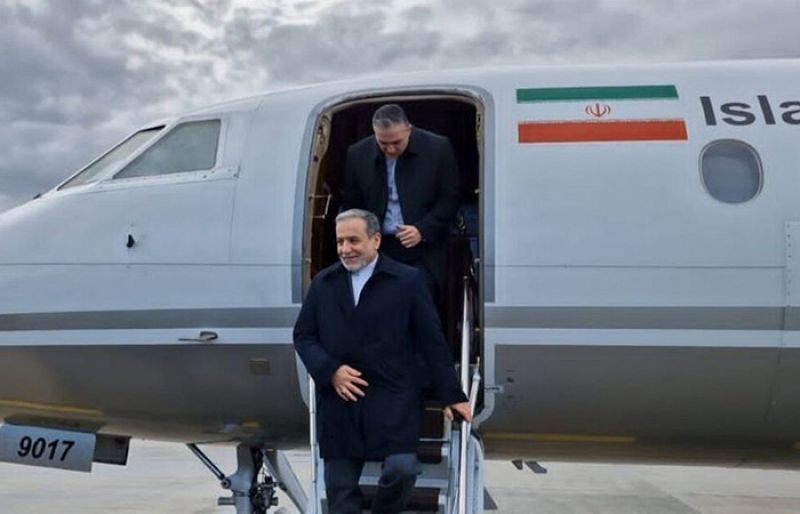
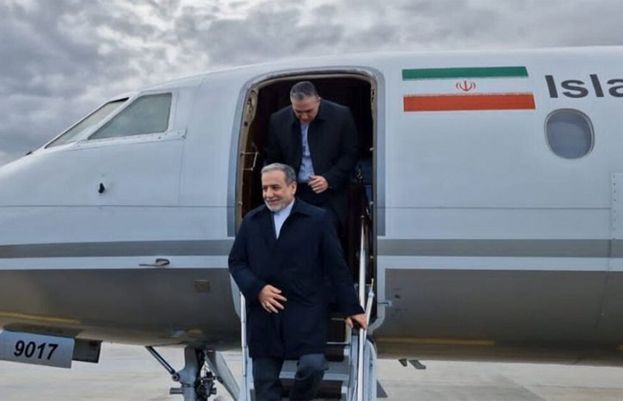
“He arrived early on Monday morning with the aim of meeting and holding talks with Russian President Vladimir Putin,” Iranian state news agency IRNA posted on Telegram.
Moscow’s TASS news agency confirmed earlier that Putin plans to meet Araghchi, citing Kremlin spokesman Dmitry Peskov.
Earlier, Araghchi headed to Russia as peace efforts between Tehran and Washington hung in the balance, following a flurry of regional diplomacy and the collapse of planned talks in Pakistan.
Abbas Araghchi visited Oman between trips to Pakistani capital Islamabad and is expected to meet President Vladimir Putin on Monday, according to the Iranian ambassador.
On Saturday, US President Donald Trump scrapped a planned trip to Islamabad by his envoys Steve Witkoff and Jared Kushner.
In a sign that efforts were ongoing, the Fars news agency said Iran had sent “written messages” to the Americans via mediator Pakistan outlining red lines, including nuclear issues and the Strait of Hormuz.
Fars said the messages were not part of formal negotiations, however.
US media outlet Axios reported on Sunday that Iran had sent a new proposal to reopen the Strait of Hormuz and end the war, with nuclear negotiations postponed for a later stage, citing a US official and two other sources with knowledge of the matter.
Iranian state news agency IRNA cited the report without denying it.
A ceasefire in the US-Israeli war with Iran has so far held, but its economic shockwaves continued to reverberate globally.
Iran has sealed off the strait, cutting flows of oil, gas and fertiliser and sending prices soaring, raising fears of food insecurity in developing countries.
Hopes for a second round of talks in Pakistan had centred on a planned visit by Witkoff and Kushner, but Trump cancelled the trip, dismissing it as “sitting around talking about nothing”.
On Sunday, Trump told Fox News that if Iran wanted the talks, “they can come to us, or they can call us.”
Trump faces domestic pressure as fuel prices rise following Iran’s closure of Hormuz, with midterm elections due in November. Polls show the war is unpopular among Americans.
Safe transit
Asked whether cancelling signalled renewed fighting, Trump said: “No, it doesn’t mean that.”
On Saturday, Araghchi met Pakistan’s military chief Asim Munir, Prime Minister Shehbaz Sharif and Foreign Minister Ishaq Dar, before travelling to Oman and returning to Islamabad.
He later left for Russia for talks with senior officials, his ministry said.
Russian and Iranian state media confirmed Araghchi’s talks with Putin, citing officials from their respective governments.
Iran’s official IRNA news agency quoted Iran’s envoy to Moscow, Kazem Jalali, saying they would meet in St Petersburg, Russia’s second city.
Araghchi himself posted on X that the talks in Oman had focused on ensuring safe transit through Hormuz, “to benefit of all dear neighbours and the world.”
“Our neighbours are our priority,” he added.
Pressure to end the war has intensified as the Strait of Hormuz remains closed. Iran’s Revolutionary Guards said they had no intention of lifting their blockade, which has roiled energy markets.
“Controlling the Strait of Hormuz and maintaining the shadow of its deterrent effects over America and the White House’s supporters in the region is the definitive strategy of Islamic Iran,” the Guards said on their official Telegram channel.
The United States has imposed a blockade of Iranian ports in retaliation.
In a statement carried by state media, Iran’s military warned that continued US “blockading, banditry and piracy” would draw a response.
Israel strikes Lebanon
Israel and Hezbollah traded blame over violations of the fragile ceasefire in Lebanon, with Prime Minister Benjamin Netanyahu saying the military was “vigorously” targeting the Iran-backed militia as both sides claimed new attacks.
Hezbollah drew Lebanon into the Middle East war on March 2 by firing rockets at Israel to avenge the death of Iran’s supreme leader Ali Khamenei, with Israel responding with strikes and a ground invasion.
But claims that both sides have breached a 10-day ceasefire agreed earlier this month have continued.
Netanyahu told Sunday’s weekly cabinet meeting that Hezbollah’s actions were “dismantling the ceasefire” while Hezbollah said it would respond to Israeli violations and its “continued occupation”.
Lebanon’s health ministry said Israeli strikes on the country’s south on Sunday killed 14 people, including two women and two children, and wounded 37.
The state-run National News Agency reported that Israeli warplanes had struck after evacuation warnings in Kfar Tibnit.
An Israeli strike on Zawtar al-Sharqiyah, another of the flagged villages, destroyed a mosque and another religious building, the news agency said.
Israel, which reported a soldier killed in combat in south Lebanon, says it can act against “planned, imminent or ongoing attacks”.
“This means freedom of action not only to respond to attacks…but also to pre-empt immediate threats and even emerging threats,” Netanyahu said.
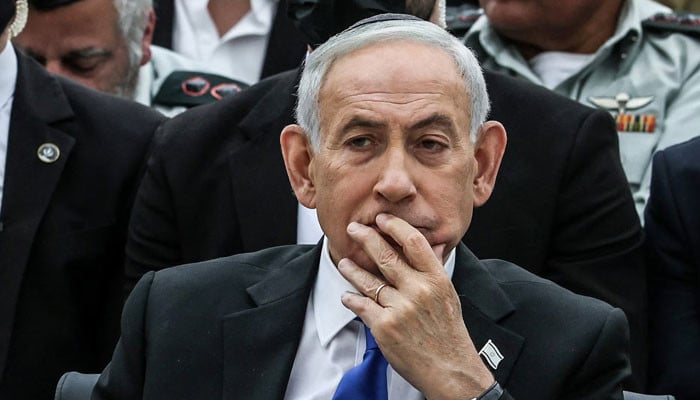
- Netanyahu plans to lead his party’s list in October elections.
- Opinion polls sees Bennett as best candidate to defeat Netanyahu.
- Bennett supports Israeli settlements in occupied West Bank.
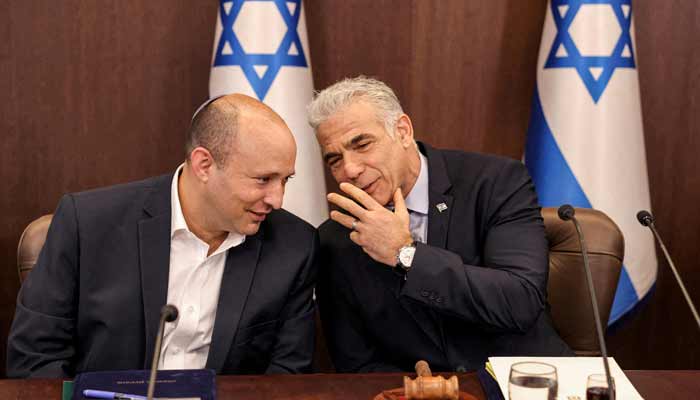
Israeli opposition leader Yair Lapid said on Sunday he would join forces with former premier Naftali Bennett ahead of this year’s elections, in a move aimed at unseating incumbent Benjamin Netanyahu.
Lapid, himself a former premier, said they would run on a joint list in the parliamentary election due in October, with a formal announcement expected later on Sunday.
In a post on X, Lapid said the pair would “announce today the first step in the process of repairing the State of Israel: the merger of Yesh Atid and ‘Bennett 2026’ into a single party led by former Prime Minister Naftali Bennett”.
“The move brings about the unification of the Repair Bloc, enabling all efforts to be focused on leading Israel toward the necessary repair.”
Both have been outspoken critics of Netanyahu’s handling of the country’s wars since October 2023, with Lapid going so far as to label the recent two-week ceasefire agreed with Iran a “political disaster”.
Right-winger Bennett, a longtime supporter of Israeli settlements in the occupied West Bank, and centrist Lapid previously formed a coalition government in June 2021.
It was replaced at the end of 2022 by the current administration led by Netanyahu, after Bennett said in June of that year that his coalition was no longer tenable and Lapid served a brief stint as caretaker prime minister.
Opinion polls suggest Bennett is the candidate best placed to defeat Netanyahu in the October vote.
The 54-year-old son of American immigrants and a former high-tech entrepreneur, Bennett sold his start-up in 2005 for $145 million (110 million euros).
As a former Israeli commando officer, he has a profile that resonates with part of the country’s younger generation after more than two years of the Gaza war.
Once a Netanyahu adviser, Bennett has over time become a staunch opponent of his former mentor’s policies.
He led several right-wing parties before forming a broad unity government in 2021.
His new running mate, 62-year-old Lapid, is the son of the late journalist and minister Tommy Lapid, a Holocaust survivor, and acclaimed author Shulamit Lapid.
A prominent television journalist, Lapid entered politics in 2012 by founding Yesh Atid, which went on to become the country’s second-largest political force.
He has since served as opposition leader, aside from his brief stint as prime minister.
Netanyahu plans to lead his party’s list in the general election that must be held no later than the end of October.
At 76, the leader of the right-wing Likud party is Israel’s longest-serving prime minister, with more than 18 cumulative years in office across multiple stints.
- Analysts, diplomats say terrorist group stages attacks.
- Russian mercenaries wounded in battle: Russian media.
- Nationwide operations continue to repel insurgents: military.
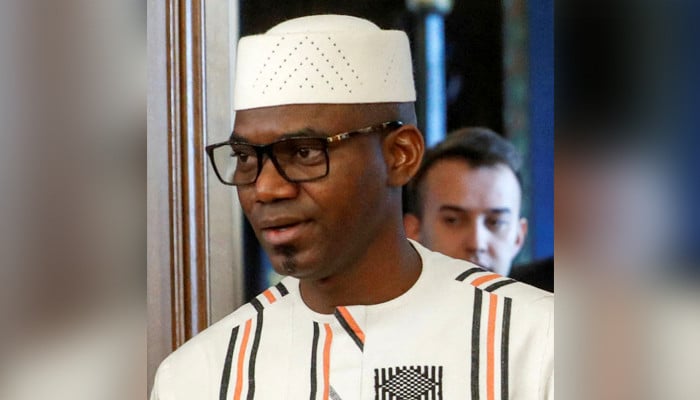
Mali’s Defence Minister Sadio Camara was killed in an attack on his residence near the main army base outside Bamako on Saturday, France’s RFI radio and two relatives said on Sunday.
A relative of Camara’s told Reuters he had been killed, while a Malian journalist known to be a brother-in-law of the defence minister posted about his death on Facebook.
A spokesperson for Mali’s defence ministry and a government spokesperson did not respond to requests for comment on Sunday. A statement by the armed forces said operations were continuing in various parts of the country to repel the insurgents.
A Reuters witness reported gunfire in Kati on Sunday morning.
Major shock for Mali’s military leaders
The United Nations called for an international response to violence and terrorism in West Africa’s Sahel region following Saturday’s assault, for which authorities have not provided a death toll.
“The secretary‑general is deeply concerned by reports of attacks in several locations across Mali. He strongly condemns these acts of violence,” a UN spokesperson posted on X.
If confirmed, Camara’s death would represent a major shock for Mali’s military leaders, said Djenabou Cisse, associate fellow at the Foundation for Strategic Research (FRS), which specialises in West African security.
The current government, led by Assimi Goita, took power after coups in 2020 and 2021 and has pursued closer ties with Russia while spurning Western military cooperation — a strategy Camara promoted.
“As a key figure within the junta and a central architect of the Mali–Russia rapprochement, his removal would underscore JNIM’s capacity to strike at the core of state power,” Cisse said.
Fate unclear of strategic city Kidal
In addition to Kati, Saturday’s strike hit near Bamako airport and in localities further north, including Mopti, Sevare and Gao.
The fate of the strategic city of Kidal, a former stronghold for the Azawad Liberation Front (FLA), was unclear on Sunday.
Ulf Laessing, head of the Sahel programme at German think tank the Konrad Adenauer Foundation, said the attack was a setback for Russia, which backed the military-led government after it kicked out French, US and other Western forces.
“For Russia, the attack has been a disaster,” Laessing said. “They were unable to prevent the fall of the highly symbolic Tuareg stronghold of Kidal and now need to leave this northern city.”
Saturday’s attacks are the latest sign that Mali’s government has failed to deliver greater security despite promising to do so.
The government has recently pursued closer ties with Washington, which has sought to rebuild cooperation on security and explore mining opportunities.


Strait of Hormuz disruption ‘systemic shock’ threatening SE Asia: ERIA

Anta: The Chinese sports brand taking on Nike and Adidas

Prince Harry stirs new debate at Palace with bold move: ‘walking liability’

-

 Sports1 week ago
WWE WrestleMania 42 Night 2: Live match results and analysis
-

 Sports1 week ago
NCAA men’s gymnastics championship: All-time winners list
-

 Fashion1 week ago
UK’s Sosandar returns to profitability amid robust FY26 performance
-

 Entertainment7 days ago
Lee Anderson, Zarah Sultana kicked out of UK Parliament for calling PM ‘liar’
-

 Entertainment1 week ago
Ruby Rose old essay resurfaces detailing night of alleged Katy Perry assault
-

 Entertainment1 week ago
Nathalie Baye, low-key legend of French cinema, dies aged 77
-
 Business1 week ago
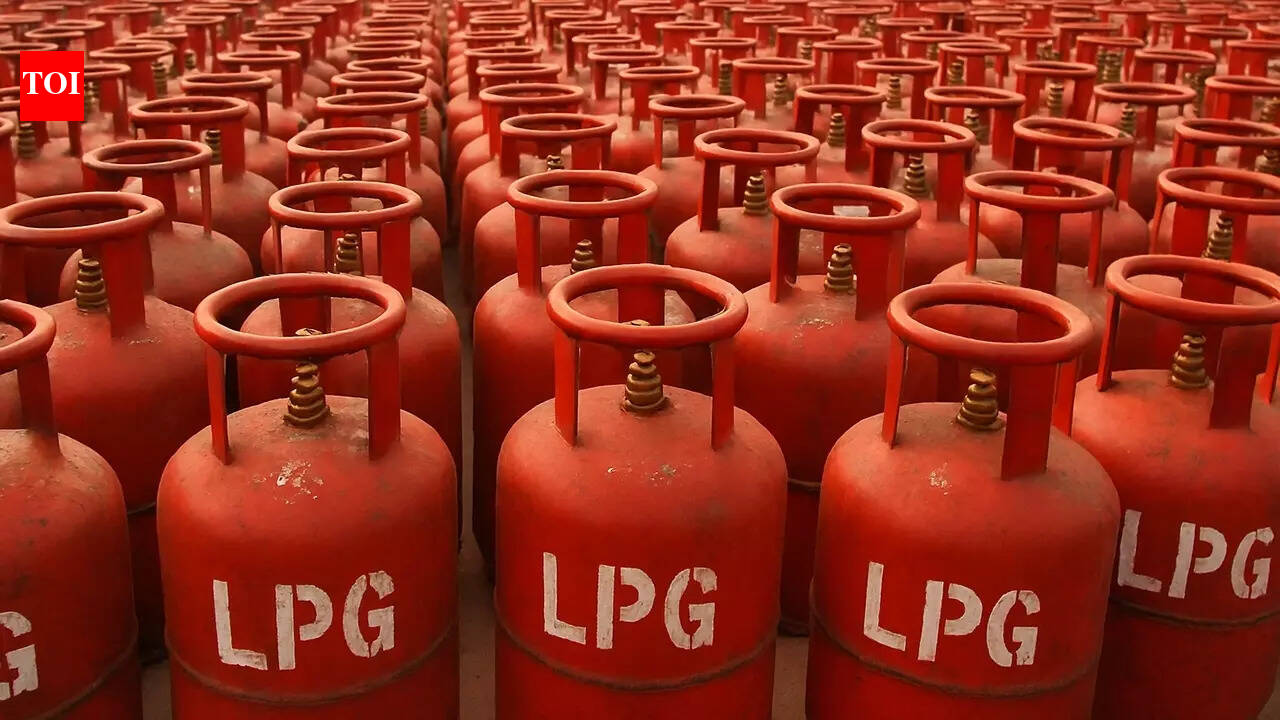
No fuel shortage: Govt assures 100% domestic LPG, PNG, CNG supply amid Hormuz energy crunch – The Times of India
-
 Business6 days ago
How Trump’s psychedelics executive order could unlock stalled cannabis reform