

Sports
Pakistan collapse as Afghanistan cruise to victory – SUCH TV


Afghanistan put on a commanding all-round display to seal an 18-run victory over Pakistan in their tri-nation series Twenty20 International on Tuesday, notching their second victory in two days.
After posting a competitive 169-5, Afghanistan — who beat the United Arab Emirates on Monday — restricted Pakistan to 151-9 with disciplined bowling and sharp fielding.
Pakistan had beaten Afghanistan in the tri-series opener on Friday but were second best this time.
They faltered at regular intervals in their chase with early strikes from Fazalhaq Farooqi (2-21) removing openers Sahibzada Farhan (18) and Saim Ayub, before Fakhar Zaman’s 25 kept the innings afloat.
But the middle order failed to capitalise with Salman Agha (20), Hasan Nawaz (nine), and Mohammad Nawaz (12) all going cheaply.
Rashid Khan (2-30) and Noor Ahmad (2-20) tightened the screws in middle overs, while experienced Mohammad Nabi (2-20) dismissed key batters.
Pakistan slumped to 111-9 in the 17th over, before Haris Rauf’s blistering 34 not out off 16 balls offered late fireworks.
Earlier, Afghanistan’s top order flourished through a superb partnership between Sediqullah Atal (64 off 45) and Ibrahim Zadran (65 off 45) despite the early loss of opener Rahmanullah Gurbaz.
The duo stitched together 113 runs for the second wicket, setting a strong foundation. Despite a late wobble caused by Faheem Ashraf (4-27), Afghanistan eventually had enough on the board and joined Pakistan with two wins from three matches.
“I think 170 was gettable,” rued Pakistan skipper Salman. “I thought the bowlers did a good job. We lost too many wickets in the middle overs. After eight overs, we were going well but we lost many wickets.
“When you lose that many wickets, it becomes very difficult. The Afghanistan spinners are quality spinners. If you give any sniff to them, they are good enough to grab it. If we did not lose that many wickets in the middle overs, it could have been a different story.”





Sports
Diego Pavia accepts Ravens rookie minicamp invite after making unfortunate NFL Draft history: reports
NEWYou can now listen to Fox News articles!
Diego Pavia, the polarizing former Vanderbilt quarterback who was runner-up in Heisman voting last season, has reportedly found a home in the NFL after going undrafted this weekend.
Pavia accepted an invitation to the Baltimore Ravens’ rookie minicamp on a tryout basis, per multiple reports. He doesn’t have a spot on the roster yet, but it’s a start as he looks to crack into the NFL with Baltimore.
Of course, Lamar Jackson, the two-time MVP quarterback, is cemented as the team’s starting quarterback, but perhaps Pavia can stand out enough in rookie minicamp to earn an invitation to training camp this summer.
CLICK HERE FOR MORE SPORTS COVERAGE ON FOXNEWS.COM
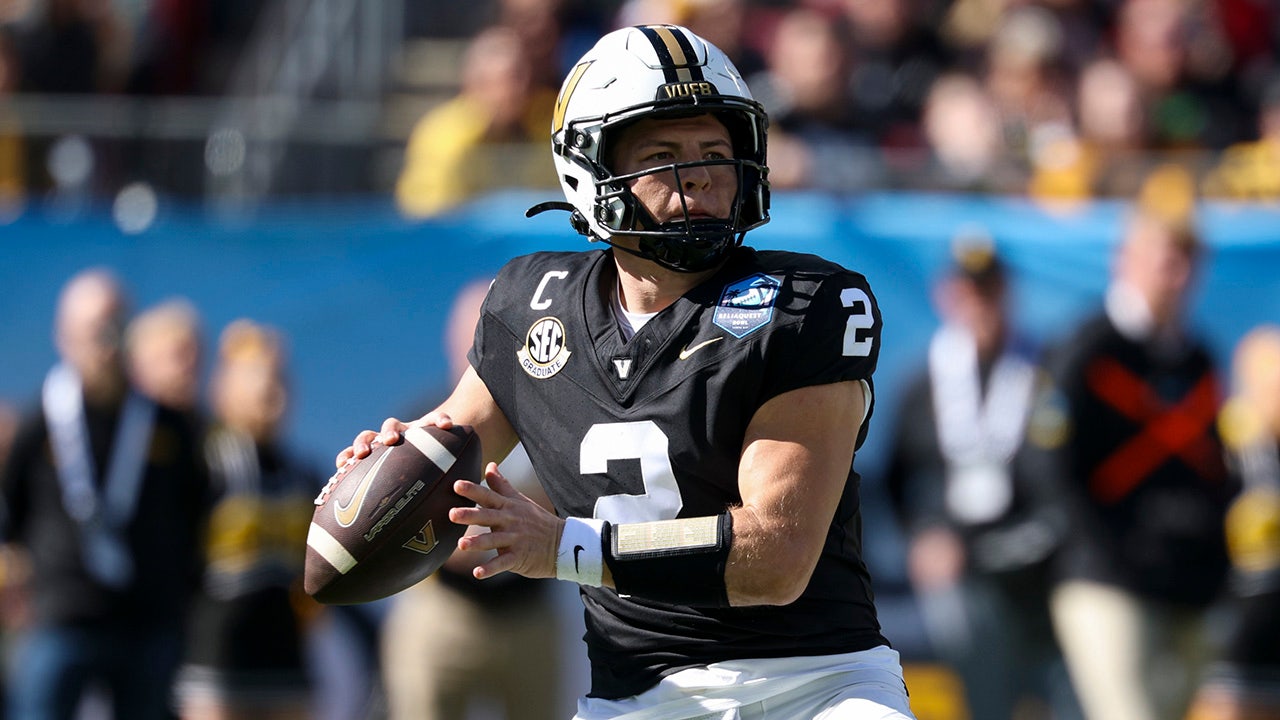
Vanderbilt Commodores quarterback Diego Pavia throws a pass against the Iowa Hawkeyes in the first quarter during the ReliaQuest Bowl at Raymond James Stadium on Dec. 31, 2025. (Nathan Ray Seebeck/Imagn Images)
Pavia was not expecting to be undrafted this weekend, but he became the first Heisman Trophy finalist since 2014 to not hear his name called through the seven rounds in Pittsburgh.
Pavia won the SEC Offensive Player of the Year and the Johnny Unitas Golden Arm award for best upperclassman quarterback after throwing for 3,539 passing yards and 29 touchdowns, both of which single-season school records, to give the Commodores its first-ever 10-win season.
Vanderbilt just missed out on the College Football Playoff after finishing 10-3.
POLARIZING COLLEGE FOOTBALL STAR, HEISMAN TROPHY FINALIST GOES UNDRAFTED
Pavia ultimately finished second in Heisman voting to Indiana quarterback Fernando Mendoza – the No. 1 overall pick in this year’s draft by the Las Vegas Raiders. So, what ultimately led to Pavia not getting drafted?
While his personality may have factored in, Pavia’s official height at the NFL Scouting Combine turned some heads. Vanderbilt had him listed at 6-foot, but he was measured at 5-foot-9 7/8, which would make him the shortest quarterback in the NFL if he were to step foot on the gridiron today. The average height is 6-foot-2 for an NFL quarterback.
However, those shorter than the average have seen success, including Minnesota Vikings newest member, Kyler Murray, who went first overall to the Arizona Cardinals in 2019 coming out of Oklahoma. He’s listed at 5-foot-10.
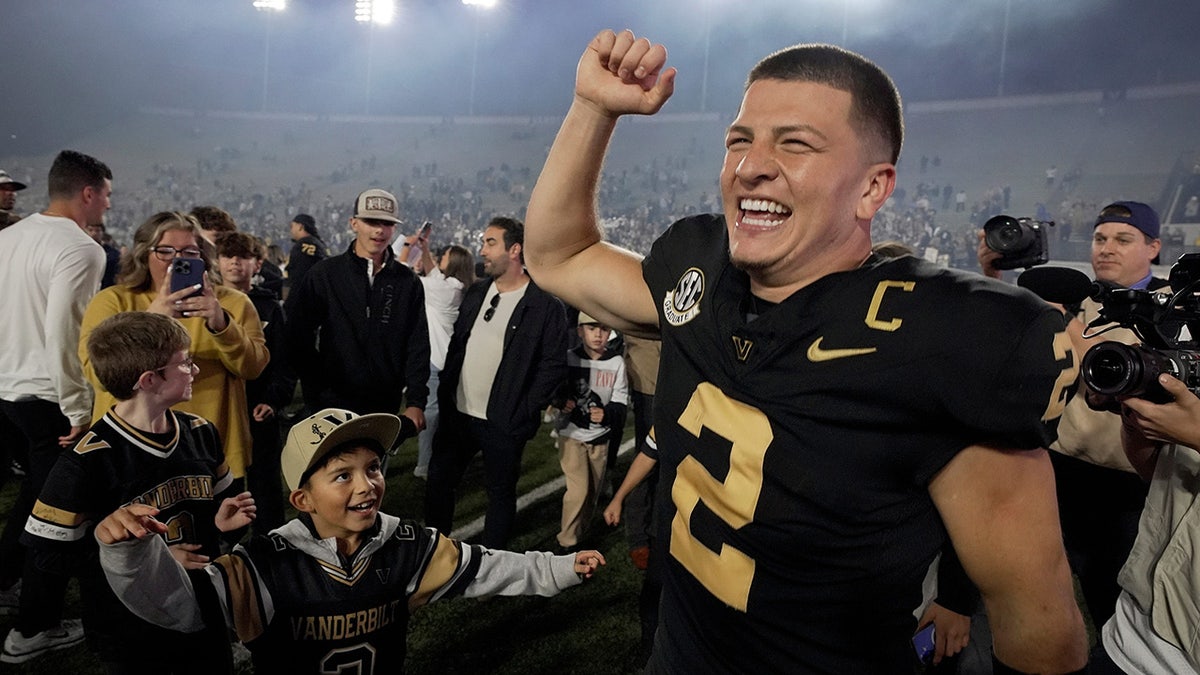
Vanderbilt quarterback Diego Pavia celebrates after the team’s win against Kentucky at FirstBank Stadium in Nashville, Tenn., on Nov. 22, 2025. (Mark Zaleski/The Tennessean / USA TODAY NETWORK via Imagn Images)
Pavia barked back at critics during the Senior Bowl in January regarding his height.
“Yeah, my size has been doubted my whole life,” he said at the time, via AL.com. “I feel like the only thing the NFL cares about is can you win, and I view myself as a winner. I’ve been fortunate with all these great teams that I’ve had — we’ve never had a losing season. So that’s something to look forward to, I hope, for the rest of my career, that’s how it’s going to be.
“I feel like God has blessed me in so many ways to be a connector, and I feel like that’s one of my superpowers that I’ve got — I can connect. We unite, and then once you unite, you want to play for one another, and once you give 120% effort, there’s no one that can stop your team.”
Pavia’s personality, viewed by some as more cocky than confident, may have played a factor as well. After finishing runner-up to Mendoza in Heisman voting, Pavia was spotted at a New York City nightclub next to a sign that read, “F— Indiana.” Then, he posted on social media a photo with friends and a caption that read, “F— ALL THE VOTERS, BUT…FAMILY FOR LIFE.”
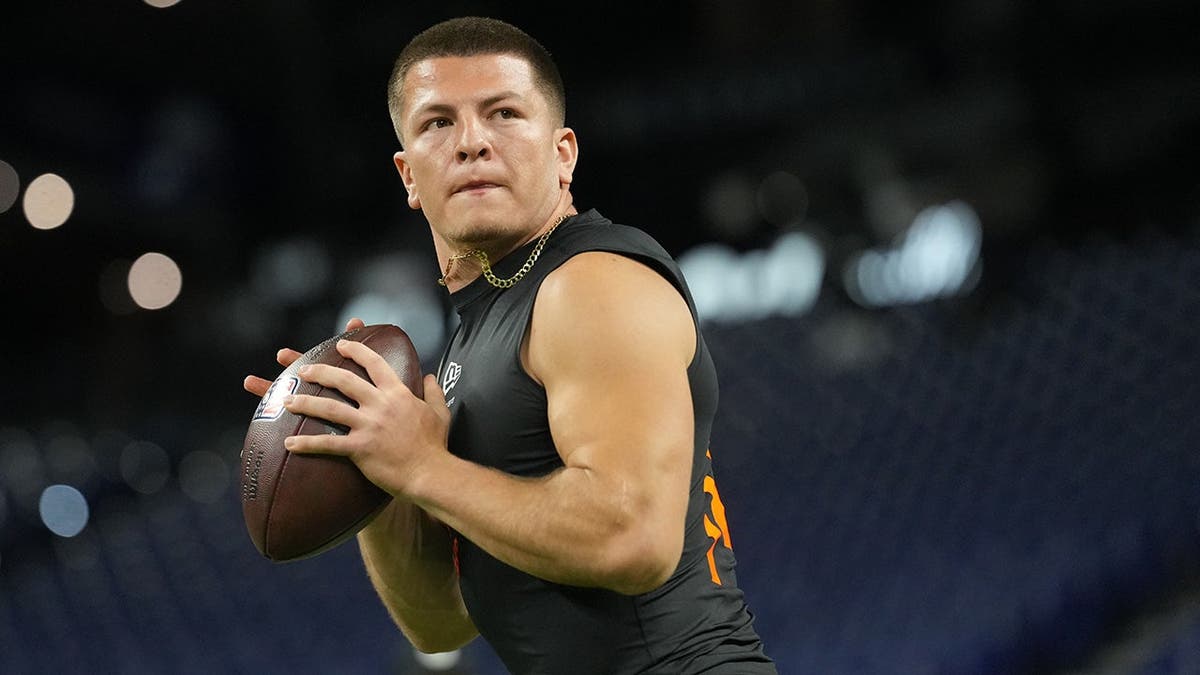
Vanderbilt quarterback Diego Pavia throws a football during the NFL Scouting Combine at Lucas Oil Stadium in Indianapolis, Ind., on Feb. 28, 2026. (Kirby Lee/Imagn Images)
CLICK HERE TO GET THE FOX NEWS APP
Pavia later apologized for his decision to post that on his socials.
No matter the case, Pavia has a shot now with the Ravens and new head coach Jesse Minter, as he aims to show enough to join the quarterbacks group in training camp. Other than Jackson, the Ravens have Tyler “Snoop” Huntley on the roster to start the season.
Follow Fox News Digital’s sports coverage on X and subscribe to the Fox News Sports Huddle newsletter.

NEWYou can now listen to Fox News articles!
Trevor Bauer, the former Cy Young Award winner and MLB All-Star, tossed a no-hitter for the independent Long Island Ducks in a 13-0 win over the Lancaster Stormers on Sunday afternoon at Penn Medicine Park in Pennsylvania.
It was just Bauer’s second start in the United States since 2021, and he faced just one batter over the minimum in a scheduled seven-inning game of a doubleheader against the Stormers.
Bauer threw 84 pitches, striking out seven hitters and walking just one to lose out on the perfect game.
CLICK HERE FOR MORE SPORTS COVERAGE ON FOXNEWS.COM
Trevor Bauer smiles after pitching no-hitter for Long Island Ducks on Sunday, April 26, 2026. (Jordan McGregor)
But Bauer unleashed a roar on the mound after a called strike three to notch the third no-hitter in Ducks history.
Combined with his first outing for the Ducks on April 21, Bauer has a strong 1.64 ERA to start the season in the Atlantic League of Professional Baseball (ALPB), which is a “Professional Partner League” of MLB.
Fans might have been supporting the opposing Stormers, but they understood what was at stake as Bauer was mowing down hitters throughout his start. They were even heard chanting his name at one point, hoping he could keep his hitless streak alive.
After the game, Bauer returned the favor for those at the Pennsylvania ballpark, signing autographs and taking pictures with fans after entering his name into the Ducks’ record books.
TREVOR BAUER SIGNS WITH PRO BASEBALL TEAM IN UNITED STATES AMID MLB RETURN HOPES
“I’m looking forward to competing in front of U.S. fans again this season,” said Bauer when he signed with the Ducks earlier this month. “The Ducks have had some incredible players come through their organization, and I’m excited to be part of that tradition.”
Ex-MLB stars like Dontrelle Willis, Daniel Murphy, Rich Hill and Eric Gagne have played for the Ducks in the past. New York Mets legends Gary Carter and Bud Harrelson both managed the team, with the latter also being a part-owner.
Bauer’s first start for the Ducks impressed an AL team scout in attendance, saying he was pretty impressed by Bauer’s arsenal on the bump.
“He showed flashes of the guy he used to be and a guy who can help a club,” the scout told the New York Post. “He went out and handled himself well. He showed flashes of the breaking ball he had in the past. Certainly the velocity is not what it once was, but it’s still solid, mostly 92-94. He didn’t throw the ball particularly well on the inside part of the plate with his fastball, but I think it was a really good first outing. You’d expected him to get sharper and probably tick up in velocity.
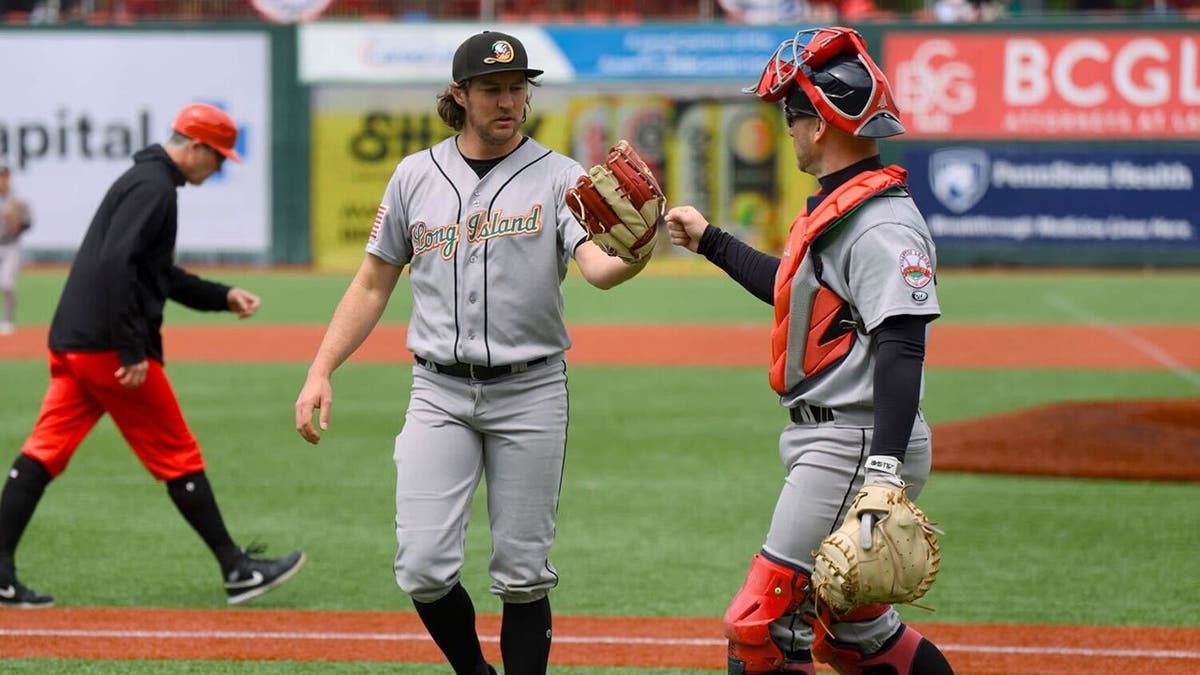
Trevor Bauer and catcher high-five after finish inning for Long Island Ducks in no-hit bid on Sunday April 26, 2026. (Jordan McGregor)
“You’re talking about a guy who was at the top of the game. Is he back there? No, but he looked like a guy who could go out and compete.”
Bauer pitched in Japan in both 2023 and 2025, while a stint in Mexico came in 2024. He pitched to a 2.59 ERA and 9.2 K/9 in Japan in 2023, and in Mexico, those numbers improved to 2.48 and 13.0. Last year in Japan, though, his ERA shot up to 4.41, and he struck out just 8.2 batters per nine innings.
This June will mark five years since Bauer, as the reigning Cy Young Award winner, last appeared in an MLB game. On June 28 of that year, he tossed six innings of two-run ball while striking out eight batters, recording the win.
Two days later, Bauer was hit with sexual assault allegations, which eventually led to a 324-game suspension (the equivalent of two seasons). It was eventually reduced to 184 games for violating the league’s Joint Domestic Violence, Sexual Assault and Child Abuse Policy.
Bauer has maintained his innocence, settling with one accuser while another is facing 16 years in prison after being charged with fraud for faking a pregnancy and asking Bauer for money for an abortion.

Trevor Bauer pitches for Long Island Ducks during no-hitter on Sunday, April 26, 2026. (Jordan McGregor)
Bauer and Lindsey Hill, who accused the pitcher of beating and sexually abusing her in 2021, settled their case in late 2023. Bauer revealed texts from Hill, who said that Bauer would be her “next victim,” among other damning messages. Hill has since said that MLB has more evidence of Bauer’s alleged misconduct.
Last June, Hill was ordered to pay Bauer more than $300,000 for violating settlement terms. Hill breached their settlement agreement with each other by discussing Bauer on podcasts and in public appearances, the Los Angeles Times reported.
Nearly two years ago, Bauer said he “may have no other choice” but to sue Major League Baseball “if I continue being kept out” of the league. Bauer has said he’d “play for the league minimum,” but he has yet to sign with an MLB team.
“Anyone that’s willing to sit down with me and listen: I’d like to play the second half of my career in a better way than I played the first half,” Bauer told Fox News Digital in January 2024. “I’d like to be an example that you can make mistakes, recognize them, adjust and then be better in the future. I think that’s something us as humans have to do and should be doing constantly.”
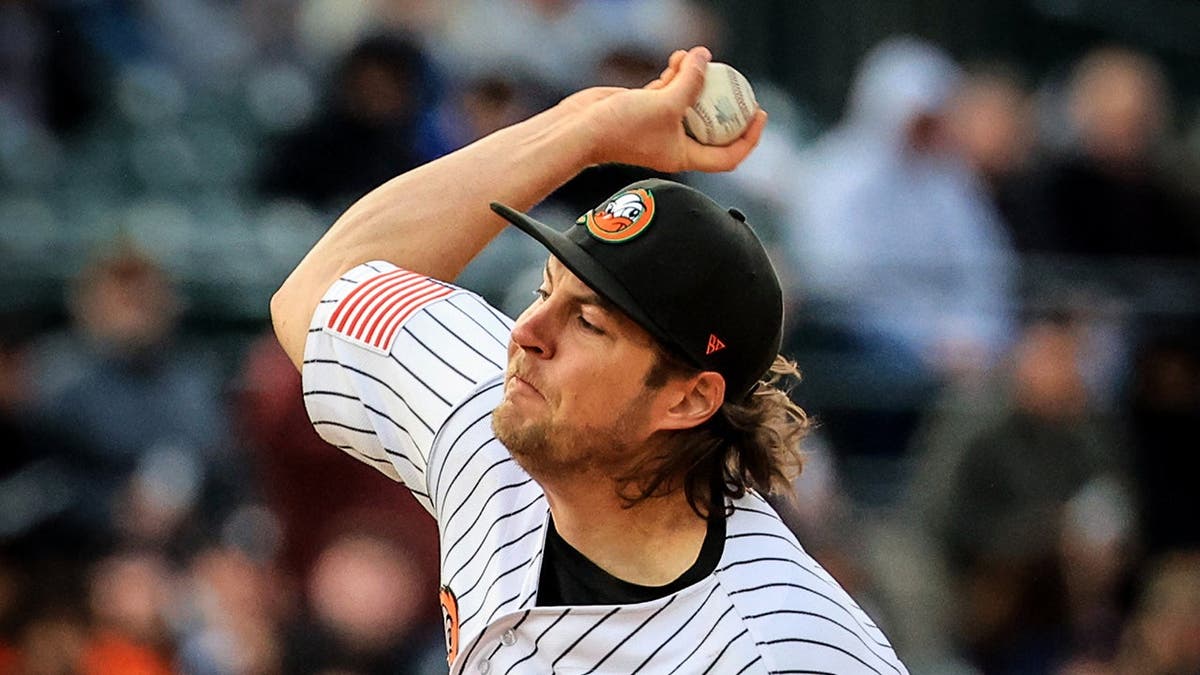
Long Island Ducks pitcher Trevor Bauer throws against the Hagerstown Flying Boxcars at Fairfield Properties Ballpark in Central Islip, N.Y., on April 21, 2026. (Thomas A. Ferrara/Newsday RM/Getty Images)
CLICK HERE TO DOWNLOAD THE FOX NEWS APP
Bauer has since called out MLB after Pete Rose and other deceased former players were taken off the league’s permanently ineligible list.
“So, since Pete is welcome back now, does that go for everyone who has been blackballed?” Bauer asked on X. “Or do you actually have to be guilty of something to qualify for that?”
Bauer was performing well for the Dodgers at the time of the allegations, pitching to a 2.59 ERA.
Fox News’ Ryan Morik contributed to this report.
Follow Fox News Digital’s sports coverage on X and subscribe to the Fox News Sports Huddle newsletter.
Sports
Kai Trump reveals ‘scary’ medical moment during her trip to Masters Tournament at Augusta National
NEWYou can now listen to Fox News articles!
Kai Trump, the granddaughter of President Donald Trump, revealed a “scary” medical moment that occurred while she was attending the Masters Tournament earlier this month in a new vlog.
The future University of Miami golfer traveled to Augusta National Golf Club to take in the first major of the year, but the trip to Georgia hit a speed bump after she had an allergic reaction to a hand soap she used on her face.
CLICK HERE FOR MORE SPORTS COVERAGE ON FOXNEWS.COM
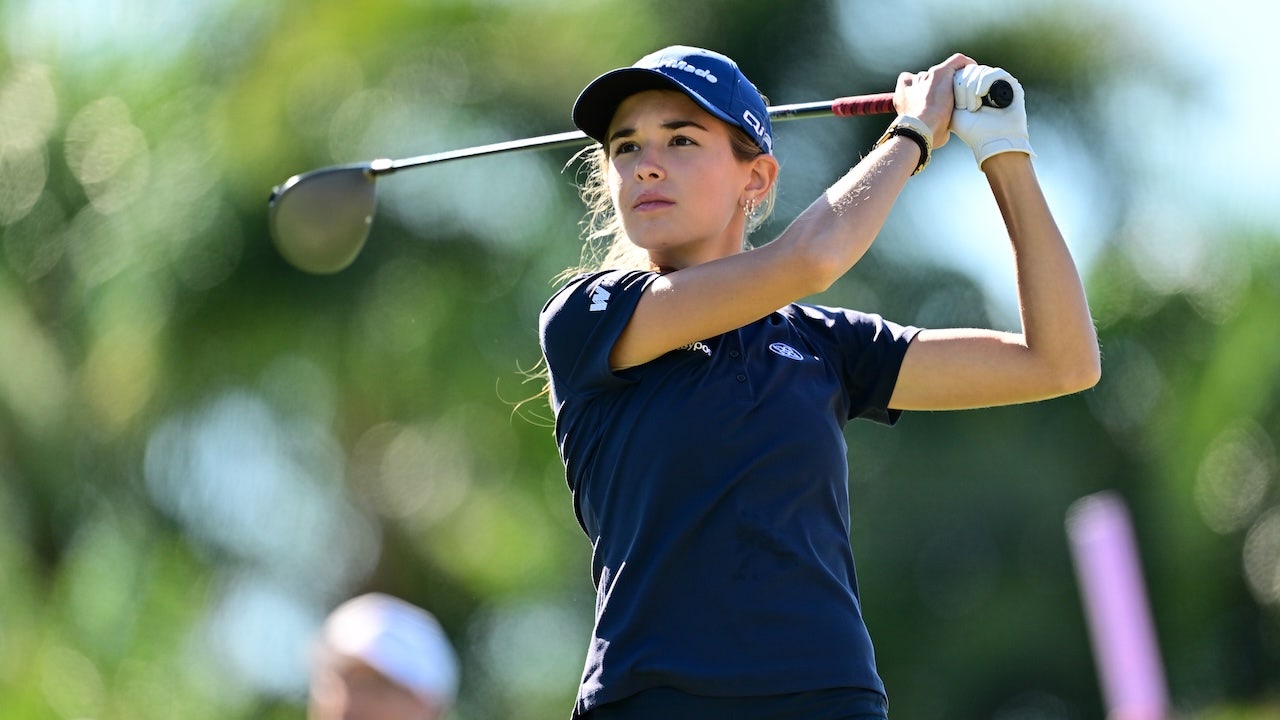
Amateur Kai Trump of the United States plays her shot from the 16th tee during the first round of The ANNIKA driven by Gainbridge at Pelican Golf Club in Belleair, Fla., on Nov. 13, 2025. (Julio Aguilar/Getty Images)
“I was using hand soap on my face, when I was at Augusta, to wash off my makeup and I started getting these bumps on my neck,” she said in the vlog.
The 18-year-old had to get medical attention, ultimately receiving a steroid shot to counteract the allergic reaction.
BRYSON DECHAMBEAU HITS GOLF BALLS ON WHITE HOUSE SOUTH LAWN DURING VISIT WITH TRUMP
“Now, I don’t have a rash anymore, but I had an allergic reaction to the hand soap on my face,” she said.
“I have very sensitive skin. It was so, so scary.”
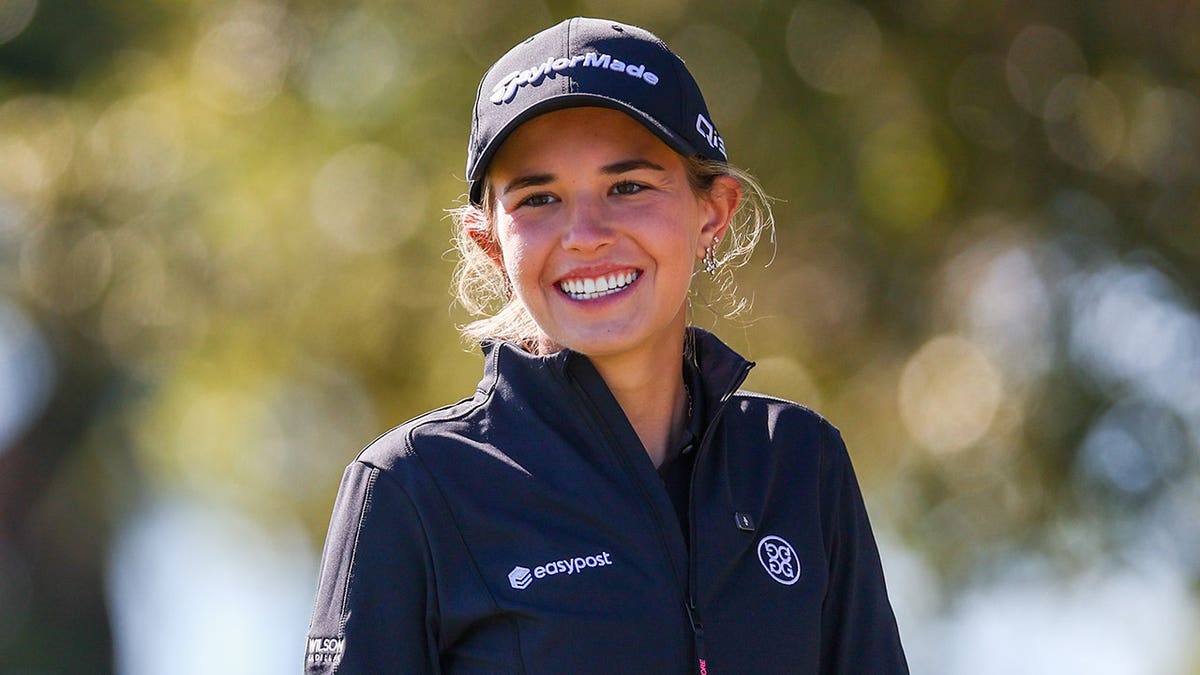
Amateur golfer Kai Trump looks on from the 11th tee before The ANNIKA driven by Gainbridge at Pelican Golf Club in Belleair, Florida, on Nov. 12, 2025. (Douglas P. DeFelice/Getty Images)
Once the rash was put to rest, Kai appeared to enjoy her weekend at Augusta. She posed for a photo she shared on Instagram with Bryson DeChambeau, a supporter of her grandfather and fellow YouTuber, and his caddie, Greg Bodine.
It wasn’t the best week for DeChambeau, though, as he missed the cut at Augusta National after shooting 6-over in his first two days of the tournament.
In the end, Rory McIlroy, who finally completed the career Grand Slam last year at the Masters, retained the green jacket with a second-straight win. He finished one shot ahead of Scottie Scheffler, who finished 11-under for the week after going 4-under in his final round on Sunday.
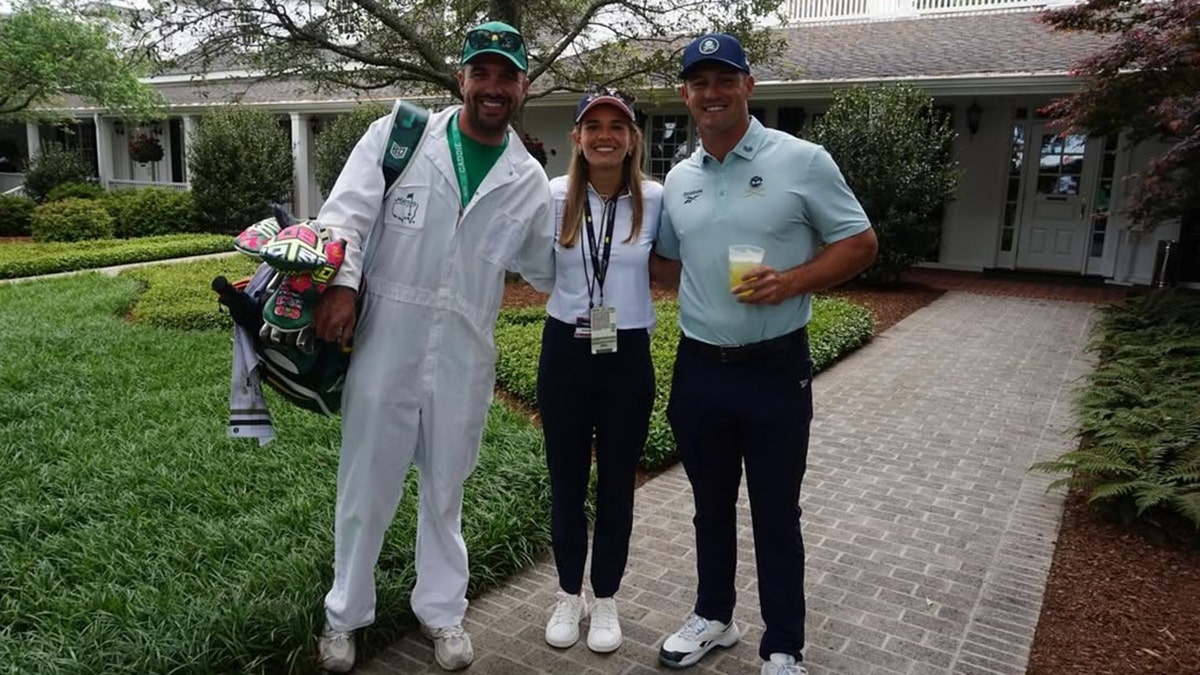
Kai Trump poses for a photo with Bryson DeChambeau during the 2026 Masters at Augusta National Golf Club in Augusta, Ga., on April 9, 2026. (Instagram/@KAITRUMPGOLFER)
CLICK HERE TO DOWNLOAD THE FOX NEWS APP
Russell Henley, Cam Young, Tyrell Hatton and Justin Rose, who lost to McIlroy in a playoff at last year’s Masters, all finished tied for third place at 10-under.
Kai is currently scheduled to enroll at the University of Miami later this fall, where she intends to play for the women’s golf team. She is a high school senior at The Benjamin School in Palm Beach Gardens, Fla.. She discussed her upcoming senior prom in her latest vlog.
Follow Fox News Digital’s sports coverage on X and subscribe to the Fox News Sports Huddle newsletter.


Strait of Hormuz disruption ‘systemic shock’ threatening SE Asia: ERIA
Anta: The Chinese sports brand taking on Nike and Adidas

Prince Harry stirs new debate at Palace with bold move: ‘walking liability’

-

 Sports1 week ago
WWE WrestleMania 42 Night 2: Live match results and analysis
-

 Sports1 week ago
NCAA men’s gymnastics championship: All-time winners list
-

 Fashion1 week ago
UK’s Sosandar returns to profitability amid robust FY26 performance
-

 Politics6 days ago
UK’s Starmer seeks to deflect blame over Mandelson appointment
-

 Entertainment7 days ago
Lee Anderson, Zarah Sultana kicked out of UK Parliament for calling PM ‘liar’
-

 Entertainment1 week ago
Ruby Rose old essay resurfaces detailing night of alleged Katy Perry assault
-

 Entertainment1 week ago
Nathalie Baye, low-key legend of French cinema, dies aged 77
-
 Business1 week ago
No fuel shortage: Govt assures 100% domestic LPG, PNG, CNG supply amid Hormuz energy crunch – The Times of India