

Business
Government urged supermarkets to limit food prices, according to reports

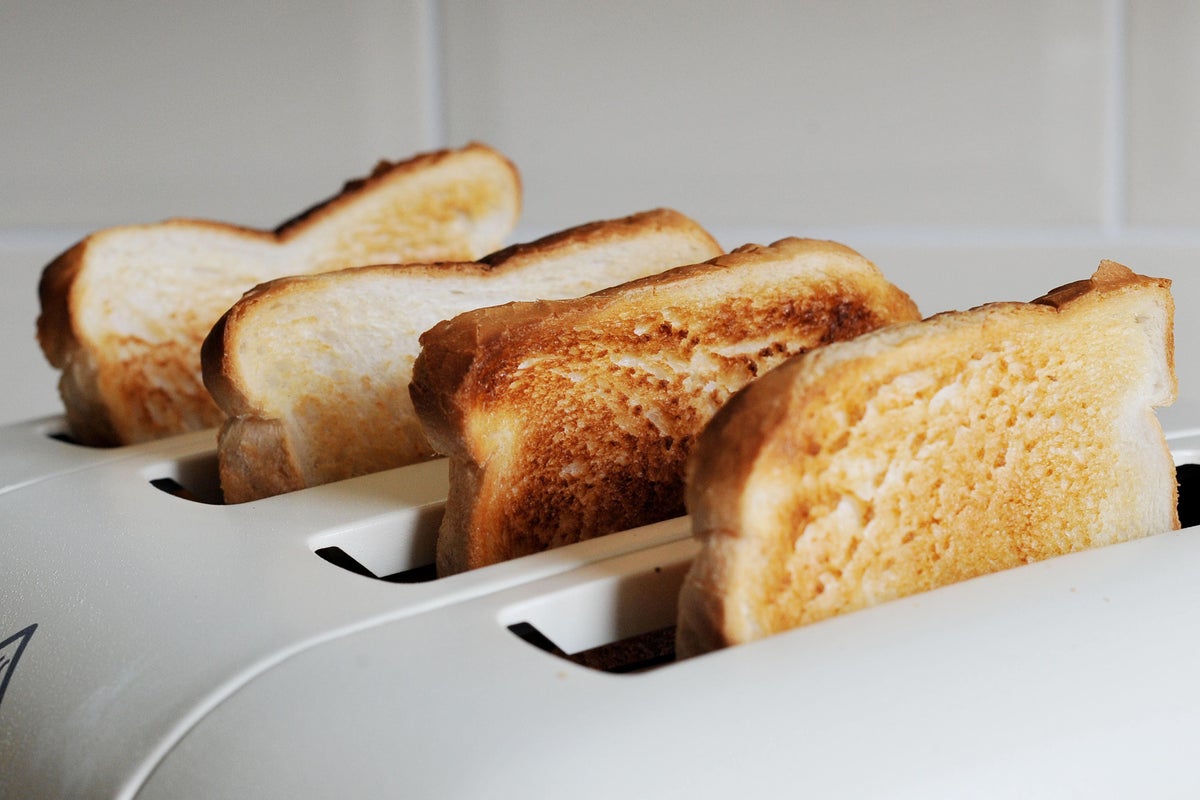
The Government “must focus on how it will reduce the public policy costs which are pushing up food prices”, the British Retail Consortium (BRC) has said after reports the Treasury asked supermarkets to limit food prices in return for the lifting of some regulations.
The proposals would see shops voluntarily cap the prices of essential groceries such as eggs, bread and milk, according to the Financial Times.
The Treasury has said it would in return offer supermarkets “incentives” which may include easing packaging policies and delay potentially costly changes to healthy food rules, the newspaper said.
Helen Dickinson, the chief executive of the BRC, the leading trade association for retailers, said: “Rather than introduce 1970s style price controls and trying to force retailers to sell goods at a loss, the Government must focus on how it will reduce the public policy costs which are pushing up food prices in the first place.”
She added: “The challenge facing retailers is a combination of higher energy and commodity costs resulting from the Middle East conflict, and the soaring cost of the Government’s domestic policies.”
“The UK has the most affordable grocery prices in Western Europe thanks to the fierce competition between supermarkets,” she also said.
A spokesperson for the Treasury said: “The Chancellor has been clear we want to do more to help keep costs down for families, and will set out more detail in due course.”
The Treasury asked supermarkets for guarantees that British farmers would not lose income from price caps, according to the FT.
Some measures, including the packaging regulations, generate revenue for the Treasury, it reported.
The Government has also recommended supermarkets reinvest the savings from the regulation changes to freeze grocery prices, it added.
This comes after UK food inflation rose to 3.7% in April.
The Foreign Secretary on Tuesday told an aid summit of the risk of “sleepwalking into a global food crisis” as a result of Iran’s blockade of the Strait of Hormuz.
Chancellor Rachel Reeves is to set out measures to help households with the cost of living on Thursday.
Writing in The Times, she said she had made decisions which were “responsible in the national interest”.
“I will not tolerate anyone exploiting a crisis to make a quick buck off the back of hardworking people,” the Chancellor wrote.
“I am clamping down on price gouging, giving regulators new, focused investigatory powers. Where regulators identify concerning practices, they will be encouraged to name and shame.”
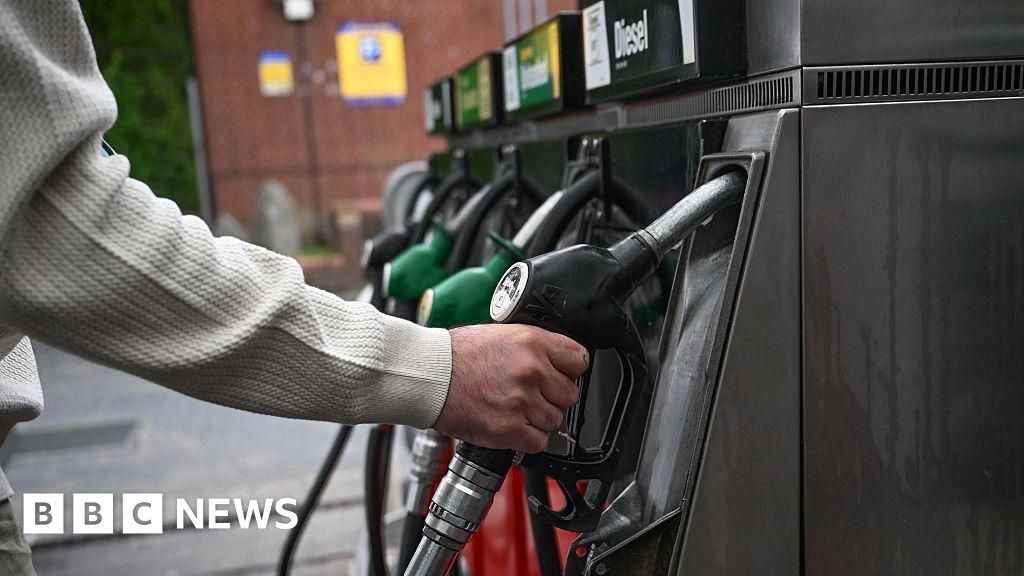
The waiver reflects increasing supply concerns over certain fuels due to the effective blockade of the Strait of Hormuz.
Source link
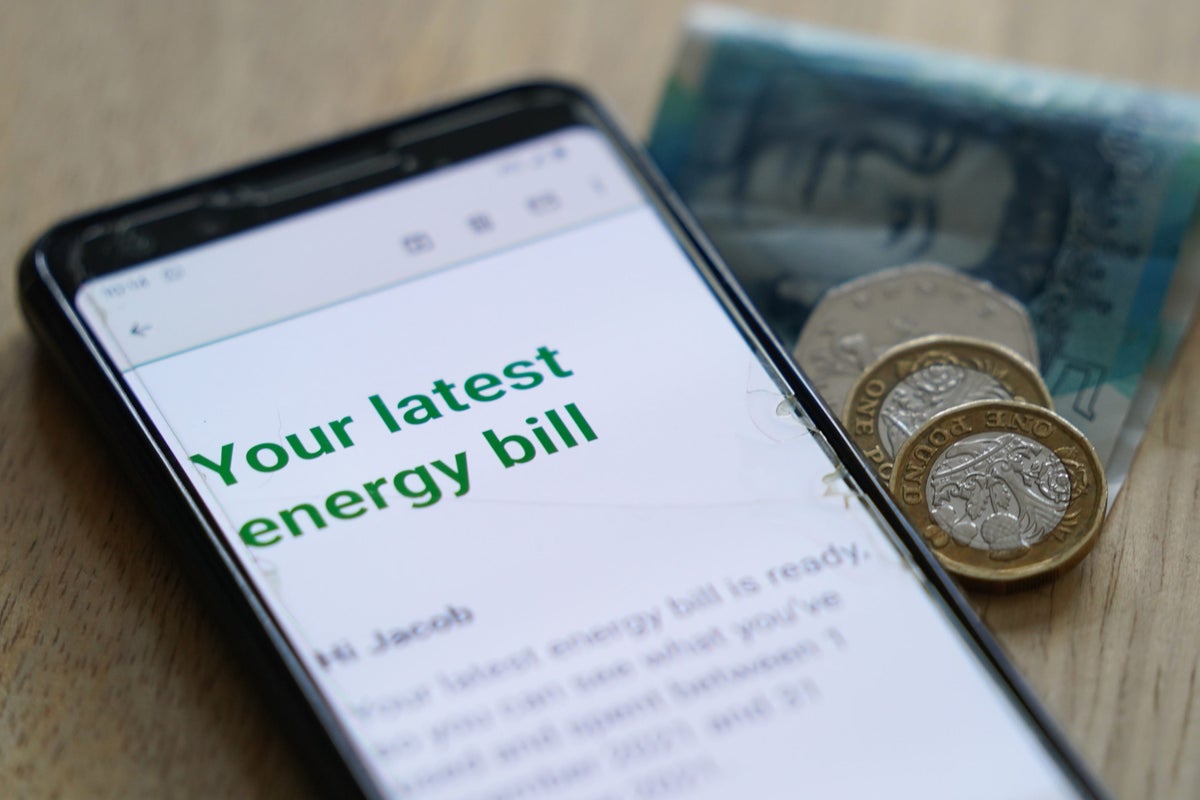
UK inflation is set to have eased last month as a drop in household energy bills offset a jump in fuel prices – but experts warned of turbulence ahead as the Iran energy price shock “catches up” with the cost of living.
Most economists think the rate of Consumer Price Index (CPI) inflation slowed to 3% in April, from 3.3% in March.
This would mean that prices were still rising year-on-year, but at a slower rate than they were the month before.
A big driver of the expected slowdown is set to come from Ofgem lowering its energy price cap from the start of April by 7%, or £10 a month, for the average household using both electricity and gas.
This was largely driven by Government measures to reduce bills including moving 75% of the cost of the UK’s renewables obligation from household bills on to general taxation, and scrapping the energy company obligation scheme.
However, experts point to a mixed picture for energy costs last month with motorists hit by a surge in fuel prices following the start of US-Israel’s war with Iran.
Sanjay Raja, chief UK economist for Deutsche Bank, said he was expecting pump prices to have risen by about 15% in April from March.
“Looking ahead, we expect price momentum to pick back up as the Iran shock catches up with the inflation data,” Mr Raja wrote in a research note.
“Indeed, dual fuel bills won’t rise until the summer.”
Household energy bills are forecast to jump from July when the regulator sets its next price cap, with the latest predictions from analysts Cornwall Insight suggesting this could be 12% or £196 a year higher.
Victoria Scholar, head of investment for Interactive Investor, said April’s lower energy price cap will “go some way towards helping offset higher petrol, airline and other prices impacted by the elevated global oil price backdrop” with Brent crude oil trading at an average of around 120 US dollars a barrel during the month.
“When the Ofgem energy price cap resets in July, UK households will be faced with a sharp increase in energy bills,” she cautioned.
“Were it not for the Iran war, it would be about this time that the UK inflation rate was finally expected to fall back to the Bank of England’s 2% target.
“Instead, interest rate and inflation expectations have drastically rerated higher.”
The Bank of England kept interest rates on hold last month and is expecting inflation to increase under several of its potential scenarios for the impact of the energy shock.
Experts have stressed that the economic outlook could change depending on how long the Middle East conflict goes on, and how high oil and gas prices go.
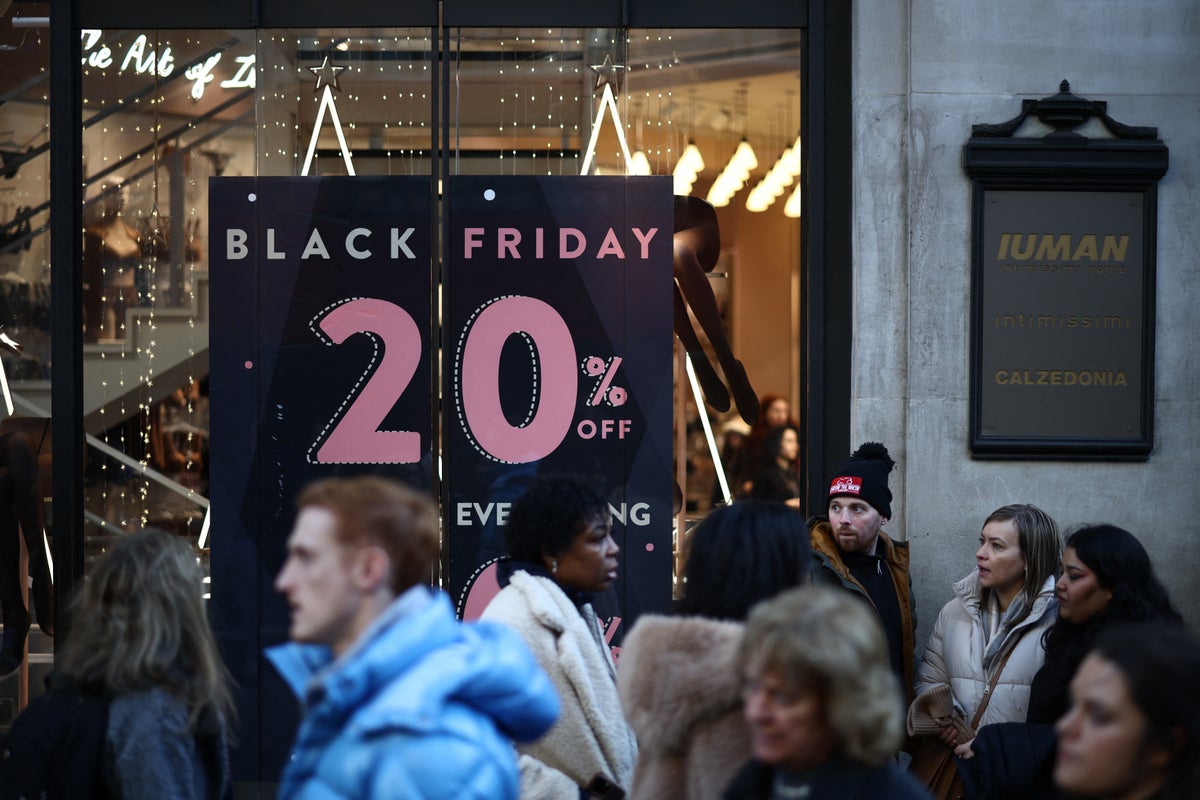
Major high street retailers John Lewis, Boots, and Debenhams misled customers with their Black Friday promotions last year, according to a ruling by the Advertising Standards Authority (ASA).
The advertising watchdog found two John Lewis advertisements for MacBook and ASUS laptops overstated the advertised price reductions.
For instance, a MacBook Air offered at £699 with a claimed £150 saving was problematic, as the ASA noted “insufficient” data to prove its established selling price was £849.
Third-party trackers indicated the laptop had only been sold at £849 for a single day in July 2025. Similarly, a purported £450 price drop for an ASUS laptop during John Lewis’s Black Friday event lacked sufficient evidence to demonstrate a genuine saving.
Debenhams also faced scrutiny for two ads, one claiming “44 per cent savings” on home products and another featuring “21 per cent savings” on various items, including a hair styling tool, both deemed misleading.
Boots advertised a Hugo Boss fragrance reduced from £80 to £60, but the ASA discovered it had only been sold at the higher price for 21 days when it was initially launched.
In all instances, the ASA concluded it had not seen evidence that the advertised Black Friday deals represented a genuine saving against the product’s usual selling price, thereby misleading consumers.
The sweep is the latest by the regulator using AI-powered monitoring, and follows rulings against hotel and travel companies in November for making misleading “from” price claims.
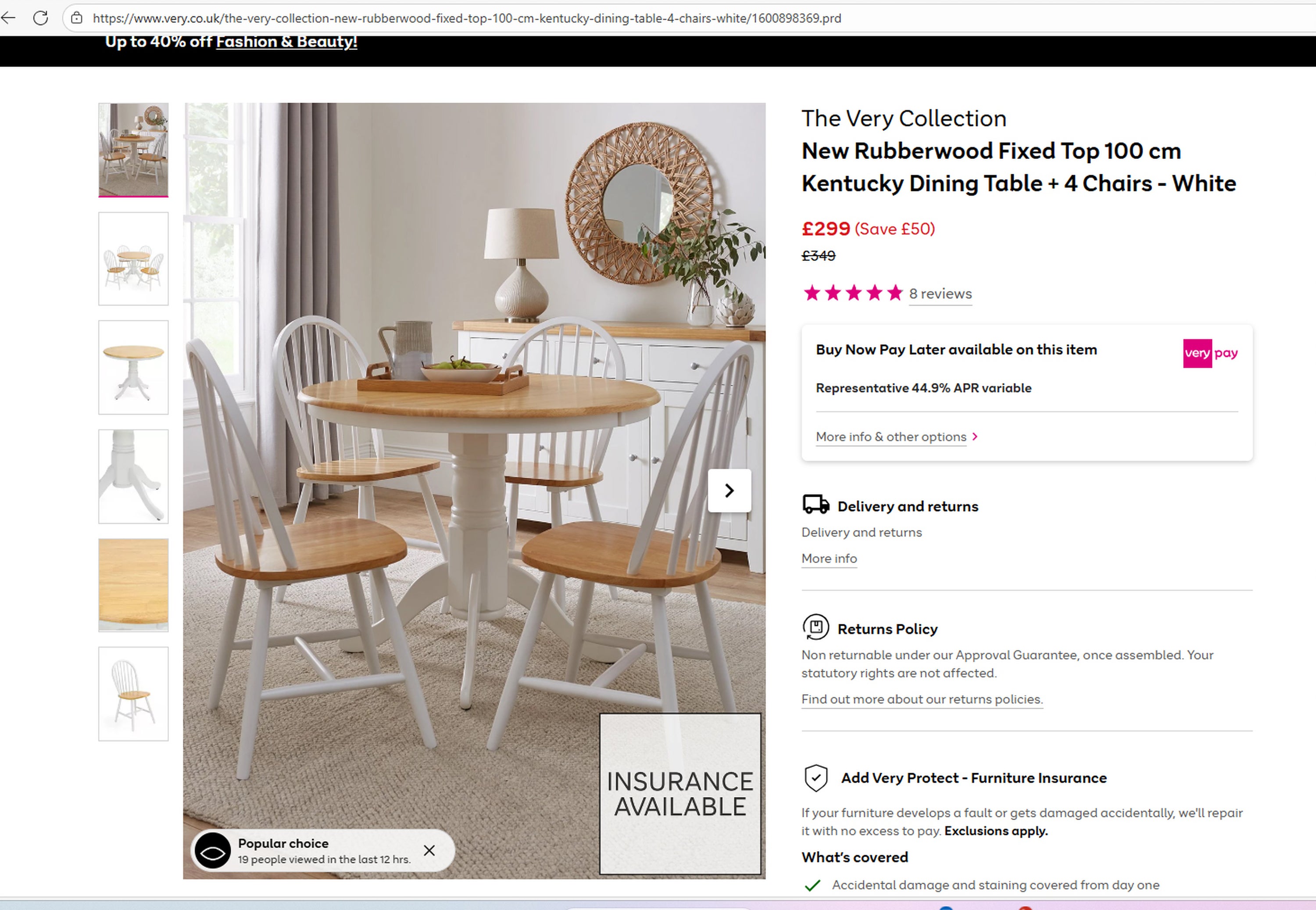
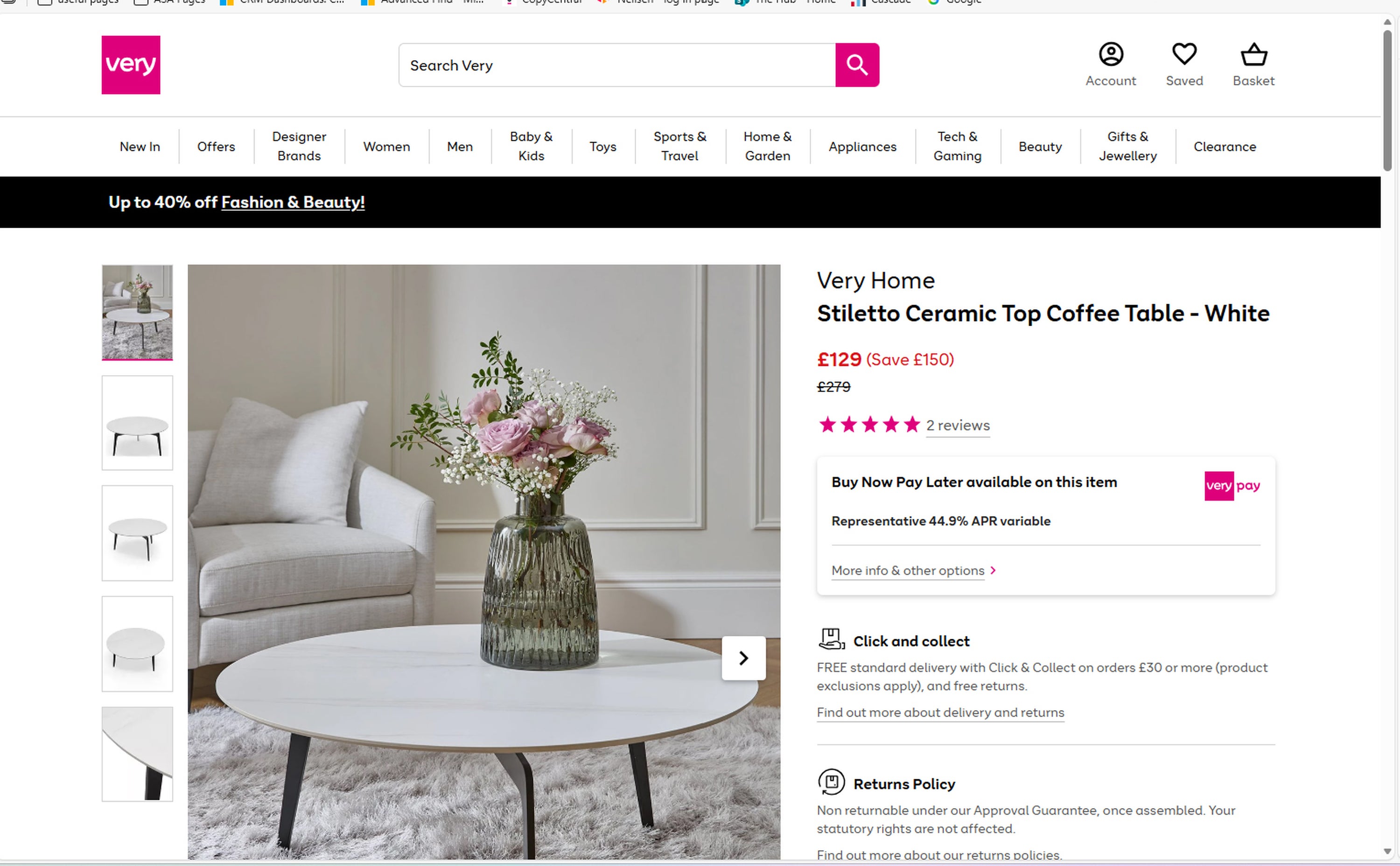
The ASA also banned two ads for Very following complaints from the watchdog Which? over misleading reference prices and associated savings.
Emily Henwood, operations manager at the ASA, said: “People rightly expect the deals they see around Black Friday to be genuine.
“These rulings send a clear message to retailers and brands that promotional events aren’t exempt from the rules.
“We expect advertisers to be able to demonstrate that the discounts they promote represent real savings so that people aren’t misled.”
Which? head of consumer protection policy Sue Davies said: “It’s unacceptable that well-known businesses have been reeling in customers with misleading deals.
“It will be reassuring to people, especially when so many are already struggling with cost-of-living pressures, that the ASA is taking action. This should send a message to other businesses that dodgy pricing will not be tolerated.
“That being said, we find too often that customers are being targeted by ‘deals’ that are not what they seem. It’s clear that the current system is not fit for purpose and the Government must tighten the law to ban deceptive pricing.”
A Debenhams spokesman said: “We note the ASA’s ruling in relation to a small number of marketplace product adverts from late 2025.
“Debenhams operates a marketplace model, where third-party sellers set their own prices and are required to comply with all advertising and pricing regulations.
“While we do not set or control this pricing, we have taken steps to reinforce our guidance and requirements for third-party sellers to ensure compliance with all advertising and pricing regulations.”
A John Lewis spokeswoman said: “Our Never Knowingly Undersold price promise means we lower thousands of prices each week to match competitors – and this activity intensifies during the busy Black Friday period.
“While we always strive to ensure the price claims in our advertising are accurate and compliant, we apologise for two errors which weren’t picked up when we lowered our prices to match others.”
A Boots spokeswoman said: “We know that our customers enjoy making genuine savings on their shopping at Boots, and last year we offered discounts on more than 20,000 products across the Black Friday period.
“We have robust measures in place to make sure that our promotions comply with the relevant laws and associated guidance, and we have taken learnings from this individual case of human error identified by the ASA.”


Tankers exit Hormuz as Trump, Vance talk up Iran deal prospects
Government urged supermarkets to limit food prices, according to reports

Jonas Brothers to launch a new project for fans

-

 Entertainment1 week ago
Conan O’Brien hat tricks as Oscar host
-

 Fashion7 days ago
Italy’s Zegna Group’s Q1 growth boosted by strong organic performance
-

 Fashion1 week ago
EC clears €5-bn German state aid to back decarbonisation of industry
-

 Tech1 week ago
Papa Johns Is Getting Into Drone Delivery—but Not for Pizza
-

 Tech1 week ago
CUDA Proves Nvidia Is a Software Company
-
 Fashion1 week ago
India’s Raymond Lifestyle’s FY26 income tops $743 mn for 1st time
-

 Tech1 week ago
Chevron Wants a School District Tax Break for a Data Center Power Plant in Texas
-
 Business1 week ago
Pound wobbles and bonds suffer as Starmer battles on