

Business
Nationwide pledges £100 cash handout to members – here’s how to get it


Nationwide will give members an £100 boost after another “stellar” year, its CEO has announced.
The building society’s fourth Fairer Share payment, unveiled on Thursday, means 4.4m members will be eligible for the cash payment in June.
It comes after another successful year for the building society, which leaves the CEO Dame Debbie Crosbie as probably the most powerful woman in banking.
The building society made a pre-tax profit of £1.49 billion for the year to the end of March.
In the past year, Nationwide has also lured another 1m new current account customers after upping its competitive assault on the big high street banks.
Meanwhile, its profits helped it to return £1.8bn in value for members in the form of higher savings and lower mortgages.
Nationwide, the fastest growing brand in UK financial services, also saw more people who switch account choose it over any other provider. It offers a £175 switching bonus to new customers.
It doubled its share of student current account openings to 43 per cent, which suggests the mutuality message is popular among the young. It has won praise from the industry for putting first-time buyers first.
Under Dame Debbie, Nationwide has adopted a more combative stance, with TV adverts featuring actor Dominic West which mock the big banks for bad service and branch closures.
Nationwide has made a promise to keep all branches open until at least 2030.
Dame Debbie said: “These stellar results are exactly what we want to deliver for our 22 million Nationwide customers. I am delighted that more than a million more people opened a Nationwide account this year. It is testament to our commitment to providing the best service possible.
“It has been especially pleasing to see such a strong rise in students joining Nationwide. Holding the number one position in high street banking across the three crucial areas of mortgages, personal savings and current account balances shows how competitive and ambitious we are. We’re proud to serve the growing number of people and businesses who choose Nationwide.”
On the Fairer Share payment, Dame Debbie added: “Once again, we will reward people who use us for their main banking with a £100 Fairer Share payment. And all Nationwide members can now open a new savings bond at an exclusive rate.
“We are proud to be recognised as the UK’s best bank, and we will continue to deliver the value, service and choice our customers deserve. My commitment is to make sure every customer feels secure, supported and valued.”
Dame Debbie’s most controversial move was the £2.9bn takeover of Virgin Money in 2024, which bolstered the building society’s earnings. Critics have worried that it would be difficult to integrate the two. That deal meant that one in three people in the UK now have a connection to Nationwide.
Nationwide says it has made “significant progress” on merging Virgin Money, which is seen as strong in business banking. Customers will begin to migrate from Virgin to the Nationwide brand this year.
Fans of mutuality note that while some big banks, notably RBS, needed a direct government bailout during the 2008 global financial crash, Nationwide did not.
Nationwide was named Which? bank brand of the year last year and took gold in the Retail Banking sector at the Britain’s Most Admired Companies awards. It says it has been first for customer satisfaction among its peer group for 14 consecutive years.
Nationwide traces its history back to 1884 and prides itself on being a mutual owned by its members. It says that without shareholders to reward, over time it should always offer cheaper home loans than the big banks.
David Hollingworth at L&C Mortgages said: “Nationwide has long made first time buyers a priority and that continues. It has looked to solve the affordability conundrum for first time buyers, flexing criteria to as much as 6x income as part of its Helping Hand proposition. It is also consistently ‘there or thereabouts’ when it comes to the Best Buy tables, taking on the big banks in what has been an aggressively competitive marketplace.”
Adam French, head of consumer finance at Moneyfactscompare.co.uk, said: “While Nationwide’s traditional savings accounts and ISAs may not currently top the best buy charts on rates alone, it is very competitive. It’s fixed, child’s and regular saver products all offer returns comfortably above the rate of inflation which is critical for cash savers looking to protect their nest egg from the corrosive effects of rising prices.”
Rachel Reeves has announced a cut in the rate of VAT on tickets for theme parks, zoos and museums from 20% to 5% over the summer holidays.
The Chancellor set out the measure as part of a package aimed at easing the impact on the cost of living from the Iran war.
Sir Keir Starmer said the support would give families concerned about the months ahead “a bit of breathing room” to “enjoy moments that matter without the same level of financial strain”.
Ms Reeves told the Commons in a statement on Thursday: “This will apply to ticket prices for both adults and children, covering attractions such as fairs, theme parks, zoos and museums.
“It will include children’s tickets for cinemas, concerts, soft play, and the theatre, and it will cut the cost of children’s meals in restaurants and cafes from 20% VAT to 5% as well.”
She said the changes will apply across England, Wales, Scotland and Northern Ireland from June 25 until September 1.
The Government expects businesses to pass on VAT savings to customers.
Her “Great British Summer Savings” scheme, which the Treasury estimated would cost around £300 million, also includes free bus travel for children aged between five and 15 in England during the school holidays in August.
Other measures announced by Ms Reeves include a 10p per mile increase in tax-free mileage rates backdated to April, a £350 million critical chemicals resilience fund and a £120 million fund to help the ceramics sector, and the cutting of import tariffs on more than 100 types of food products.
As expected, Ms Reeves did not announce immediate help with energy bills driven up by Donald Trump’s war in the Middle East.
The household energy price cap is predicted to rise by £209 a year from July after the closure of the Strait of Hormuz pushed up global oil and gas prices.
Ms Reeves told MPs: “Because of the decision that I made at the budget last year to cut £150 from energy bills, we have lessened the impact of rising prices and current external forecasts suggest that the cap from July will be at a similar level to the cap in April last year.
“We stand ready to act if market conditions worsen significantly later this year and I have been leading cross-Government contingency work on design of potential future targeted and temporary support for businesses.”
The Chancellor said she would pay for cost-of-living support by changing how oil and gas companies with overseas operations are taxed.
This would put an end to the practice of some oil and gas groups structuring their tax affairs “in a way which ensures they pay little or no corporation tax on their UK energy trading profits” and “raise hundreds of millions of pounds a year”, Ms Reeves said.
Final costings for all the measures will be detailed at the next budget following scoring from the Office for Budget Responsibility, according to the Treasury.
Sir Keir, who was seeking to regain control of the political agenda with the announcements after his premiership came under pressure, said it was “not right” that “for too many families those things – a trip to the seaside, a visit to the zoo, a bus ride into town for a day out, even a simple treat at the end of the week – are starting to feel out of reach”.
The Government was providing “a serious response” to the “concerns people have about the months ahead” due to global instability, the Prime Minister wrote on Substack.
“This summer, we are making it easier and more affordable for families to get out, spend time together, and make memories they will cherish for life.”
Theme parks and cinemas welcomed the the slashing of VAT, with British Association of Leisure Parks, Piers and Attractions chief executive Paul Kelly saying it was “a very welcome and timely boost for the UK’s visitor attraction sector”.
“Our members stand ready to pass on this benefit and deliver brilliant, memorable experiences for visitors of all ages.”
UK Hospitality chairwoman Kate Nicholls said a lower rate of VAT for hospitality was “the quickest and simplest way to lower prices and boost consumer confidence”.
Business
US big quantum technology bet: Trump administration backs firms with $2 billion funding tied with equity stake
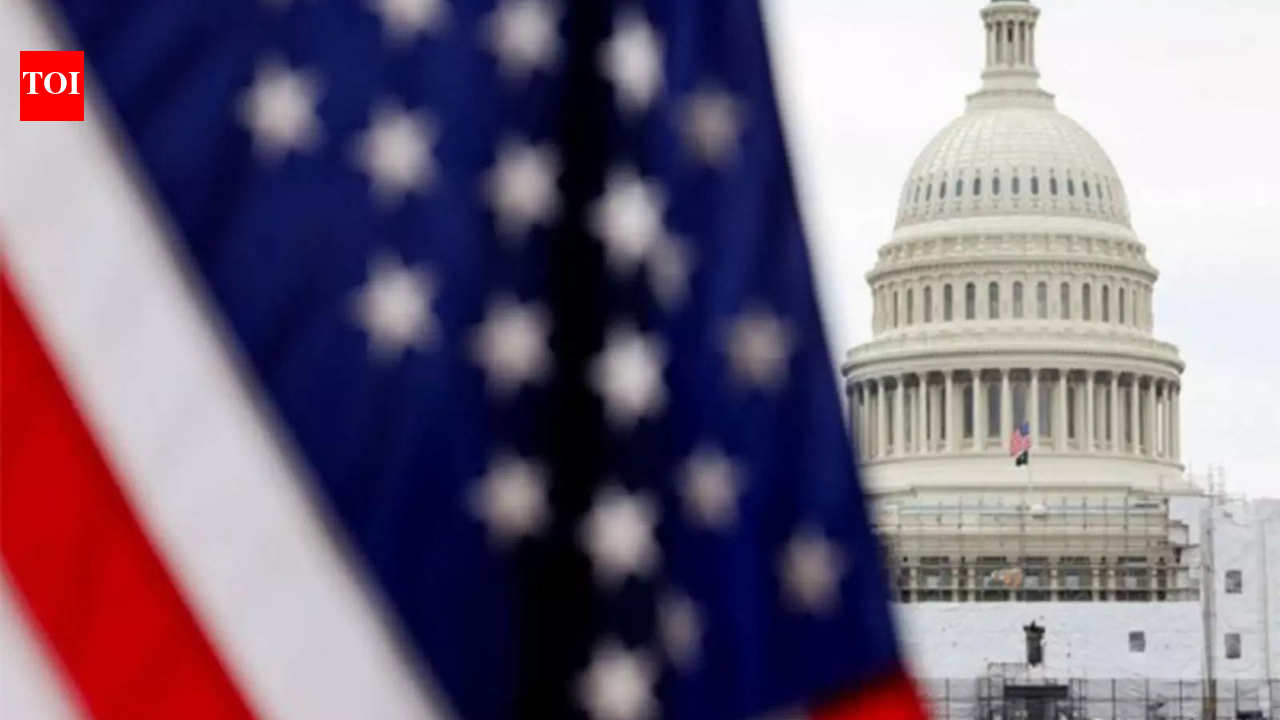
The Trump administration is awarding grants to a group of quantum computing companies, including IBM, in exchange for equity stakes in some of them, deepening Washington’s push to support sectors viewed as critical to domestic supply chains and technological competitiveness, Reuters reported.The move expands the administration’s strategy of taking ownership positions in companies considered strategically important, particularly in areas where the US is seeking to counter China’s influence, including advanced technology and semiconductor-related sectors.The US government has previously taken significant stakes in companies such as Intel and rare-earth miner MP Materials.Under the latest initiative, IBM will receive $1 billion, while GlobalFoundries is set to receive $375 million, according to statements issued by the companies on Thursday.Other firms, including D-Wave Quantum, Rigetti Computing and Infleqtion, are expected to receive around $100 million each in exchange for a US government stake in the companies.Shares of companies involved in the programme rose between 7 per cent and 25 per cent in premarket trading.According to an earlier report by the Wall Street Journal, the administration is awarding a total of $2 billion in grants to nine quantum-computing companies.Quantum computers are designed to process information exponentially faster than traditional supercomputers, although the technology still faces major technical challenges, including high error rates that limit practical applications.GlobalFoundries said it launched a business called Quantum Technology Solutions aimed at scaling manufacturing capabilities for quantum computing hardware, while the US government agreed to take an equity stake of around 1 per cent in the company.IBM also announced plans to launch a company called Anderon in New Albany, New York, which it described as America’s first dedicated quantum chip manufacturing facility.Backed by $1 billion in incentives under the CHIPS Act from the Commerce Department and an additional $1 billion cash contribution from IBM, Anderon will operate as a 300-millimetre quantum wafer foundry.IBM said it would contribute intellectual property, assets and workforce capabilities to Anderon and bring in additional investors as the company expands.“These strategic quantum technology investments will build on our domestic industry, creating thousands of high-paying American jobs while advancing American quantum capabilities,” Commerce Secretary Howard Lutnick said.

Britain’s biggest budget airline, easyJet, says it intends to operate its full summer schedule – despite concerns about possible aviation fuel shortages caused by the Iran conflict.
The carrier’s chief executive, Kenton Jarvis, told the BBC Today programme: “We’ve seen absolutely no issues with fuel supply at any of our airports in the UK, across Europe, or indeed beyond. We stay in very close contact with our fuel suppliers, airports, governments, and they are equally raising no issues looking forward.
“What is true is obviously there’s a lot less oil coming from the Gulf region, but fuel suppliers have successfully diversified with production increased in Norway, in West Africa, in the Americas. Refining capacity for jet fuel has also increased substantially outside of the Gulf region.”
In March, the airline reduced the number of available seats by 0.3 per cent due to the high fuel price. But Mr Jarvis said: “At easyJet, we fully intend to fly the summer schedule that we have on sale.”
His comments echo those of Steve Heapy, CEO of rival Jet2, who said on Wednesday: “The current picture is one of increased production and imports, meaning we continue to look ahead with confidence. We have already been very clear about our plans to operate our schedule as normal this summer, and our message to holidaymakers is that summer is on.”
EasyJet reported sharply increased losses for the first half of its financial year, covering October 2025 to March 2026. The company lost £552m, up 40 per cent compared with a year earlier. It represents an average loss of £13 for each of the 42 million passengers flown.
The airline’s CEO told Today presenter Nick Robinson: “Airlines typically make losses in the six months to March as they run through the winter and then look to make the profits as we operate in the summer.
“We actually saw our airline capacity increase by four per cent, and six per cent more passengers came with us because the planes were fuller.
“So demand was there, but the pricing was not increased versus last year.”
The carrier has raised its minimum fare and is conducting an “active review of all discretionary cost”.
Looking ahead, the easyJet CEO said: “Demand seems to be very strong in what we call the late market.
“As we ran through April, demand was very strong for the month of April. We’re seeing it again in May. But as you look further out, people are more cautious. People are waiting and watching, but they are booking as as you approach, and I expect that strong late booking market to run through the summer.”
He later told analysts that fares for the summer are “slightly above where they were last year over peak season”.
EasyJet has 72 per cent of its fuel requirement hedged for the summer months, falling to 53 per cent for the winter season. It has suspended its normal hedging strategy “due to elevated near-term fuel prices”.
Mr Jarvis also described delays caused by the EU entry-exit system as “completely unacceptable”.
Since 10 April 2026, all Schengen area frontiers are supposed to be running the digital borders scheme and checking the biometrics of “third-country nationals” – of whom British travellers comprise the major share.
Already airlines including easyJet have left passengers behind due to the length of passport queues on departure from the EU to the UK.
“This is completely unacceptable,” Mr Jarvis said. “I’d encourage all the European countries is to use the flexibility that’s been given to them by the European Commission, that they can phase the introduction of this if they see queues in peak times.
“They can go back to normal border force control with stamping of passports, so they should use this.”
Greece has said biometric checks will not be imposed on British arrivals and departures until further notice.
Read more: Ryanair boss Michael O’Leary to reach four decades leading Europe’s biggest budget airline


NYC and LA Are Teaming Up to Fight for EVs

US’ Aramark’s Q2 revenue grows on US, international gains

In meeting with Prince Rahim, PM Shehbaz seeks to strengthen partnership with AKDN

-

 Entertainment1 week ago
Conan O’Brien hat tricks as Oscar host
-

 Fashion1 week ago
Italy’s Zegna Group’s Q1 growth boosted by strong organic performance
-
 Business1 week ago
Pound wobbles and bonds suffer as Starmer battles on
-

 Sports1 week ago
2025-26 NBA Title Odds: Thunder, Spurs Favored; Knicks Rising
-

 Entertainment5 days ago
Where Pete Davidson, Elsie Hewitt stand after breakup: Details revealed
-

 Tech1 week ago
Hantavirus Conspiracy Theories Are Already Spreading Online
-
 Business1 week ago
Tui issues update on summer jet fuel shortage fears
-

 Tech1 week ago
Microsoft releases rare zero-day free Patch Tuesday update | Computer Weekly