

Business
Trump’s tariff fallout? India-China trade talks on the horizon; critical rare earths, fertilisers & pharma in focus – Times of India

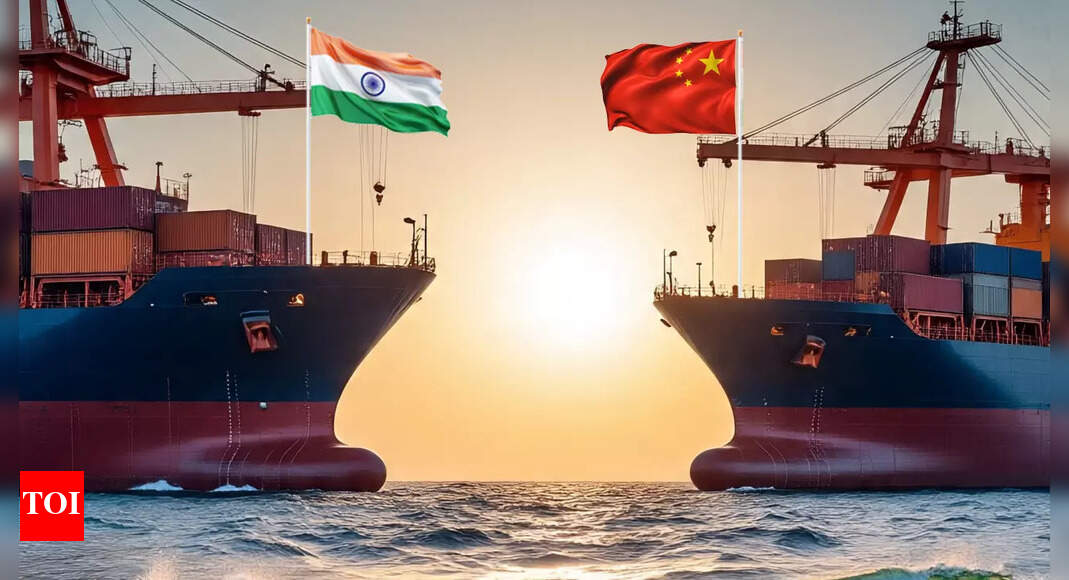
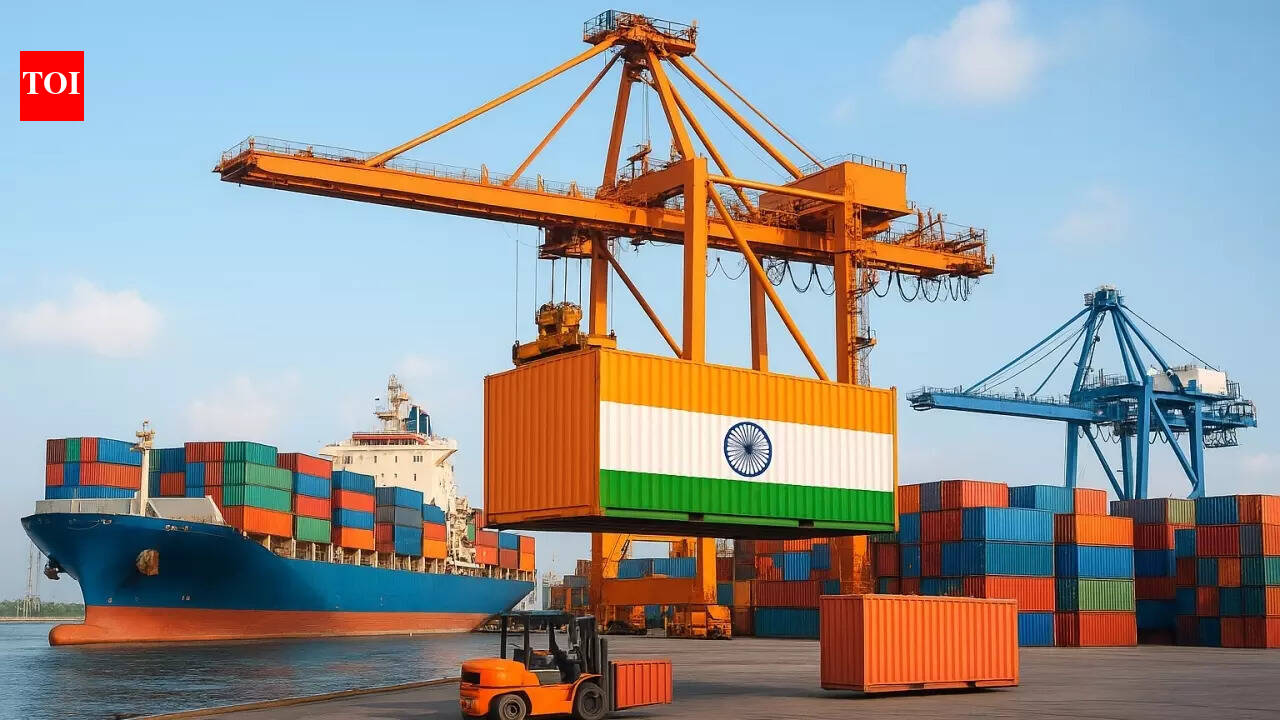
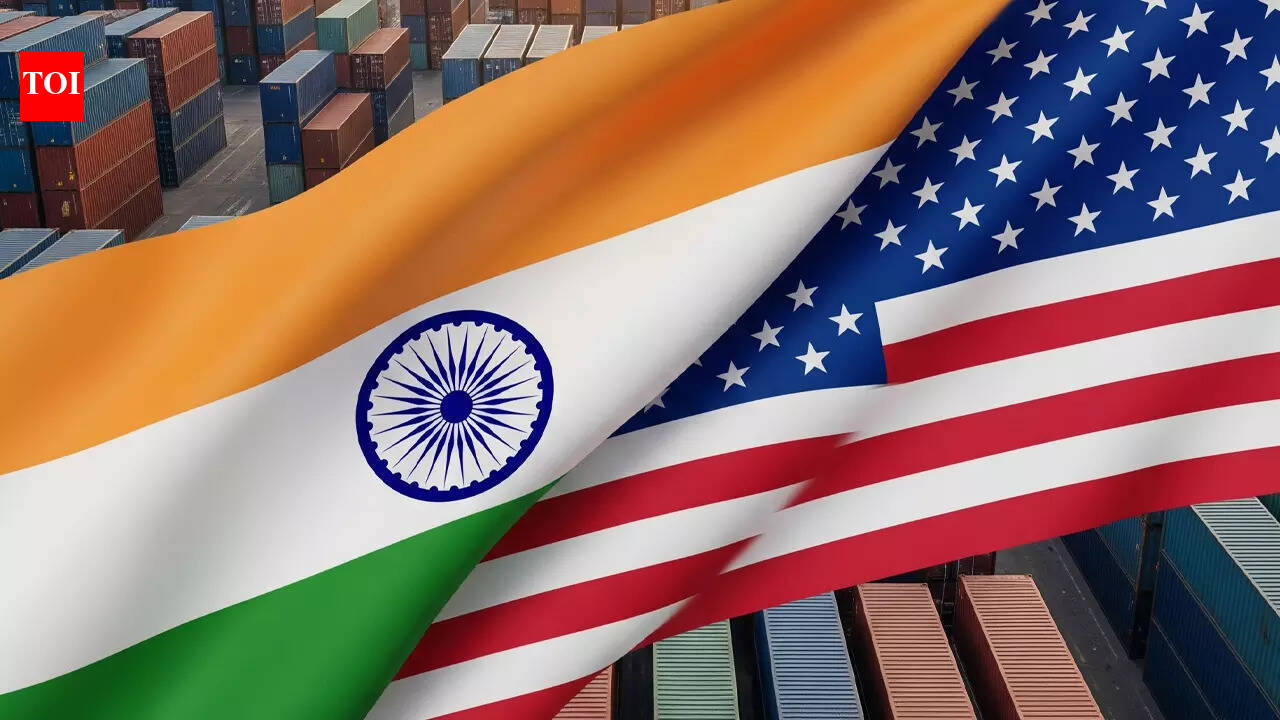
US President Donald Trump’s tariff war with India and China, may result in the two countries forging better trade ties. India and China are expected to begin discussions soon on a trade package involving the supply of essential rare earth magnets, fertilizers, and pharmaceuticals. Although initial outreach has started, the supply of rare earth magnets and all fertilizers from China has not yet resumed.India and China are both worried about the potential trade imbalance in the pharmaceutical sector. Trump’s proposed 250% tariff on finished drugs over the next 18 months could disrupt the industry in both nations.This move could indicate an improvement in relations with China amidst rising tensions with the US and demands from Indian industries to speed up the import of crucial inputs from China, according to an ET report.Also Read | ’Secondary tariffs could go up…’: US official warns of higher sanctions on India if Trump’s talks with Putin fail; asks Europe to ‘put up or shut up’
India-China trade talks amidst Trump’s tariffs
Representatives from both countries are anticipated to meet later this month, coinciding with Prime Minister Narendra Modi’s likely visit to the Shanghai Cooperation Organisation (SCO) summit in Tianjin, scheduled from August 31 to September 1. “The top three items on the agenda for discussion are rare earth magnets, fertilisers and pharmaceuticals,” a senior official informed ET.
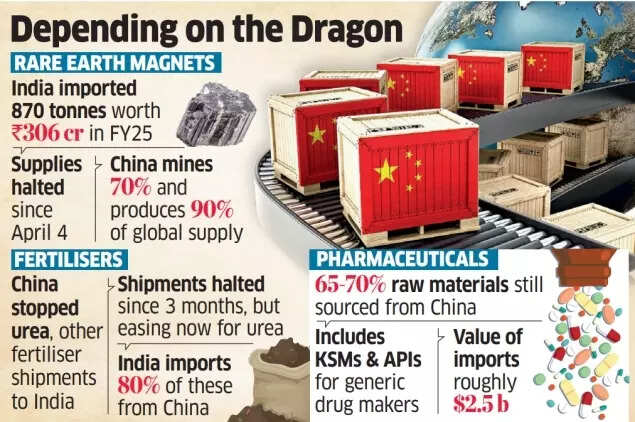
Depending on the dragon
The commerce ministry has scheduled a meeting before the SCO summit with key pharmaceutical industry representatives to discuss collaboration and strengthening ties with China as part of broader cooperation efforts. Industry experts told the financial daily that the details of these discussions have not been revealed yet, but they may include strategies to mitigate the impact of US tariffsIndia requires government approval for investments from countries sharing a border with it, a policy specifically targeting its northern neighbor. This comes against a backdrop of escalating tensions over the past five years, including border conflicts and China’s support for Pakistan.Also Read | ‘Don’t think US tariffs will…’: S&P confident Donald Trump’s tariffs won’t impact India’s growth; here’s whyOn April 4, China announced export controls on medium and heavy rare earth-related items to “safeguard national security” in response to US President Donald Trump’s tariffs, citing end-use regulations. Potential talks with Beijing are significant given the 50% tariff Trump has imposed on Indian exports.The US has postponed tariffs on China for 90 days. Rare earth magnets are crucial for various products, particularly electric vehicles. Although China has resumed shipping rare earth magnets to companies in the US, Europe, and Southeast Asia, export licenses for vendors supplying to India have not yet been granted.“Individual clearances for importing these items have not been received yet,” said one source. “Negotiations between the two countries for a trade package will now commence.” In the past three months, Beijing also stopped shipments of urea and some other fertilizers to India. However, it has started easing restrictions on urea supplies to the country.“Tenders for importing urea from China have been issued,” stated a senior executive of a fertilizer company. This suggests that China is willing to send some quantity of the fertilizer to India.Also Read | India-China trade tensions ease! China loosens urea export curbs to India; move comes amidst Trump’s tariff warsState trading enterprises, which import urea from China on behalf of the Indian government, have begun issuing tenders for importing a limited amount of the crop nutrient. Although there is no discussion about specialty fertilizers, discussions are likely progressing, according to informed sources.China had also halted shipments of specialty fertilizers like calcium nitrate and mono ammonium phosphate. India imports about 80% of these chemicals from China.Despite this, Beijing, a global supplier of agricultural inputs, has been exporting them to other countries.


Business
Rs 20,000 crore gold, silver rush: What will people buy this Akshaya Tritiya? – The Times of India
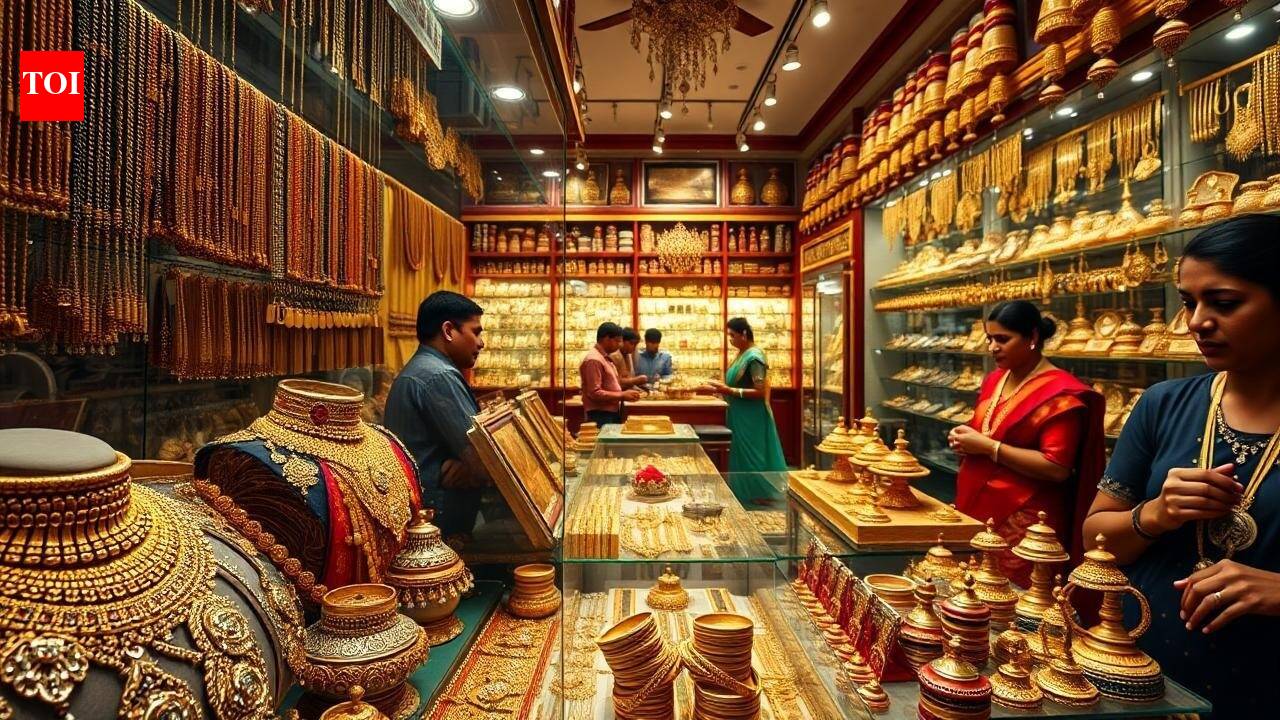
This Akshaya Tritiya, India’s gold and silver markets are heading for bumper purchases, with overall trade likely to cross Rs 20,000 crore even as record-high prices reshape buying patterns. The estimate, shared by the Confederation of All India Traders (CAIT), is higher than last year’s Rs 16,000 crore, signalling growth in value despite a sharp rise in bullion rates.Prices for the yellow metal have surged sharply over the past year, going from Rs 1,00,000 per 10 grams, to Rs 1.58 lakh. Meanwhile, silver has shown a steeper rally, jumping from Rs 85,000 per kilogram to Rs 2.55 lakh per kilogram. According to CAIT, this sharp escalation has not weakened demand, but is instead prompting consumers to make more deliberate and value-oriented purchases.Praveen Khandelwal, member of parliament from Chandni Chowk and secretary general of CAIT told ANI, “Akshaya Tritiya has traditionally been one of India’s most auspicious occasions for purchasing gold… While gold continues to dominate, the nature of purchasing is evolving significantly in response to steep price escalation.”Commenting on customer preference, CAIT national president BC Bhartia highlighted, “There is a clear shift towards lightweight, wearable jewellery, alongside a stronger focus on silver and diamond products. Attractive incentives such as reduced making charges and complimentary gold coins are also helping sustain consumer interest.”Despite the increase in overall trade value, the quantity of metals being sold tells a different story. Pankaj Arora, National President of the All India Jewellers and Goldsmith Federation (AIJGF), an associate of CAIT, explained that the projected Rs 16,000 crore gold trade amounts to nearly 10,000 kilograms (10 tonnes) at current rates. The value, spread across an estimated 2 to 4 lakh jewellers, translates to average sales of only 25 to 50 grams per jeweller, “clearly indicating a sharp decline in volume”.Meanwhile for silver, the estimated Rs 4,000 crore trade corresponds to around 1,56,800 kilograms (157 tonnes), resulting in average sales of about 400 to 800 grams per jeweller during the festival period. “These figures underline a critical shift: while the value of business is expanding due to rising prices, actual consumption is contracting,” Khandelwal said.This gap between value and volume is also reshaping consumer’s buying pattern, with smaller items and lightweight jewellery gaining popularity. At the same time, jewellers are facing challenges due to fluctuating prices, especially when it comes to managing inventory.Even so, festive demand remains steady, with markets witnessing healthy footfall. “Consumers are now adopting a more cautious and pragmatic approach, balancing traditional beliefs with financial discipline,” Khandelwal added.At the same time, it’s not just about physical gold anymore as consumers are increasingly exploring alternatives like digital gold, Sovereign Gold Bonds and gold ETFs, drawn by the promise of liquidity, safety and flexibility when prices are volatile.CAIT and AIJGF have urged jewellers to comply with mandatory hallmarking standards, including HUID certification, and advised buyers to verify the purity and authenticity of their purchases.

Lauren Elcock is among the young Londoners who say rising rents are forcing them to quit the capital.
Source link
As governments across the world restricted the movements of their citizens during Covid lockdowns from 2020, people spent more time online. We bought more online and socialised more online, and this brought us closer to the people who want to scam us. At the same time, realistic video impersonations, voices, websites, and texts became more commonplace, and scammers increased their use of social media including WhatsApp.

Rs 20,000 crore gold, silver rush: What will people buy this Akshaya Tritiya? – The Times of India

Prince Harry corrects blunder before peace with King Charles suffers again
The cost of rising rents: Working four jobs and pushed on to benefits

-

 Entertainment6 days ago
Palace left in shock as Prince William cancels grand ceremony
-

 Sports6 days ago
The case for Man United’s Fernandes as Premier League’s best
-

 Politics1 week ago
Chinese, Taiwanese will unite, Xi tells Taiwan opposition leader
-

 Entertainment1 week ago
Dua Lipa hits major career high ahead of wedding with Callum Turner
-
 Business1 week ago
The FAA wants gamers to apply for air traffic control jobs
-
 Business1 week ago
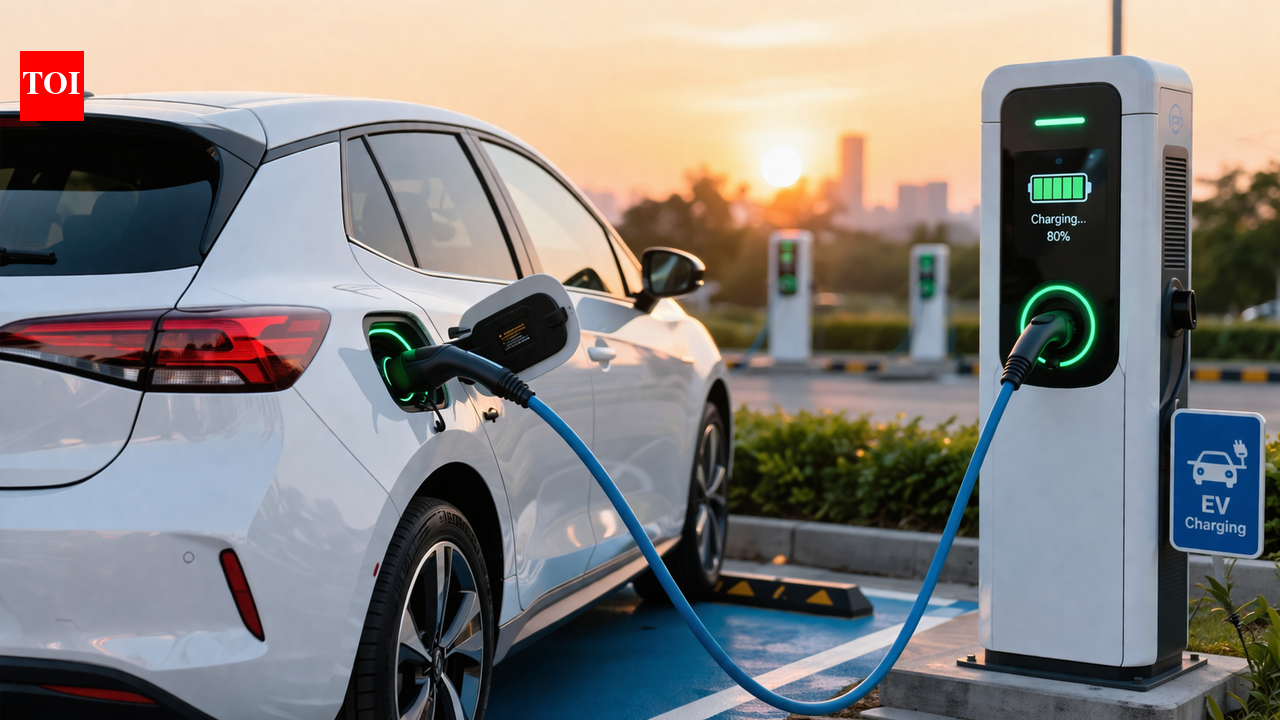
100% road tax waiver for electric cars, new rules for 2, 3 and 4 wheelers – what Delhi govt’s draft EV policy says – The Times of India
-
 Business6 days ago
UK could adopt EU single market rules under new legislation
-

 Fashion6 days ago
Energy emerges as biggest cost driver in textile margins