

Business
India’s low-cost healthcare drives NRI medical tourism; insurance makes care affordable: Report – The Times of India


NEW DELHI: India’s comparatively low healthcare costs and expanding insurance coverage are driving a surge in medical tourism among non-resident Indians (NRIs), according to a new report based on Policybazaar’s NRI claims data from the past three years, cited by Economic Times.Cost advantages Medical procedures in India remain far cheaper than in many global markets. Elective surgeries typically cost between $2,000 and $15,000, while complex procedures are priced between $20,000 and $40,000. In addition, India offers access to economical generic alternatives for specialised medicines and therapies, allowing for extended treatment and chronic disease management.Insurance benefits Health insurance in India is also significantly more affordable, with annual premiums ranging from $120 to $300 per individual—well below costs in most other countries. The report highlights that such pricing has encouraged more NRIs to consider India for both routine and advanced medical care.Rising demand Online search behaviour reflects the trend: queries for “health insurance India for NRIs” rose 60 per cent in 2024 compared to 2023, while searches for “medical treatment for overseas citizens in India” climbed 45 per cent over the last 18 months.Beyond cost savings Policybazaar survey also noted additional factors driving demand, including familiar cultural surroundings, the presence of family support, and widespread English proficiency among medical professionals. Many hospitals also offer comprehensive treatment packages that include visa assistance, travel arrangements and post-operative care. Insurance policies now increasingly cover support services for NRIs managing treatment for their elderly parents in India. With India’s healthcare sector already catering to international patients, analysts say the combination of cost competitiveness and growing insurance options positions the country as a major hub for NRI medical tourism.
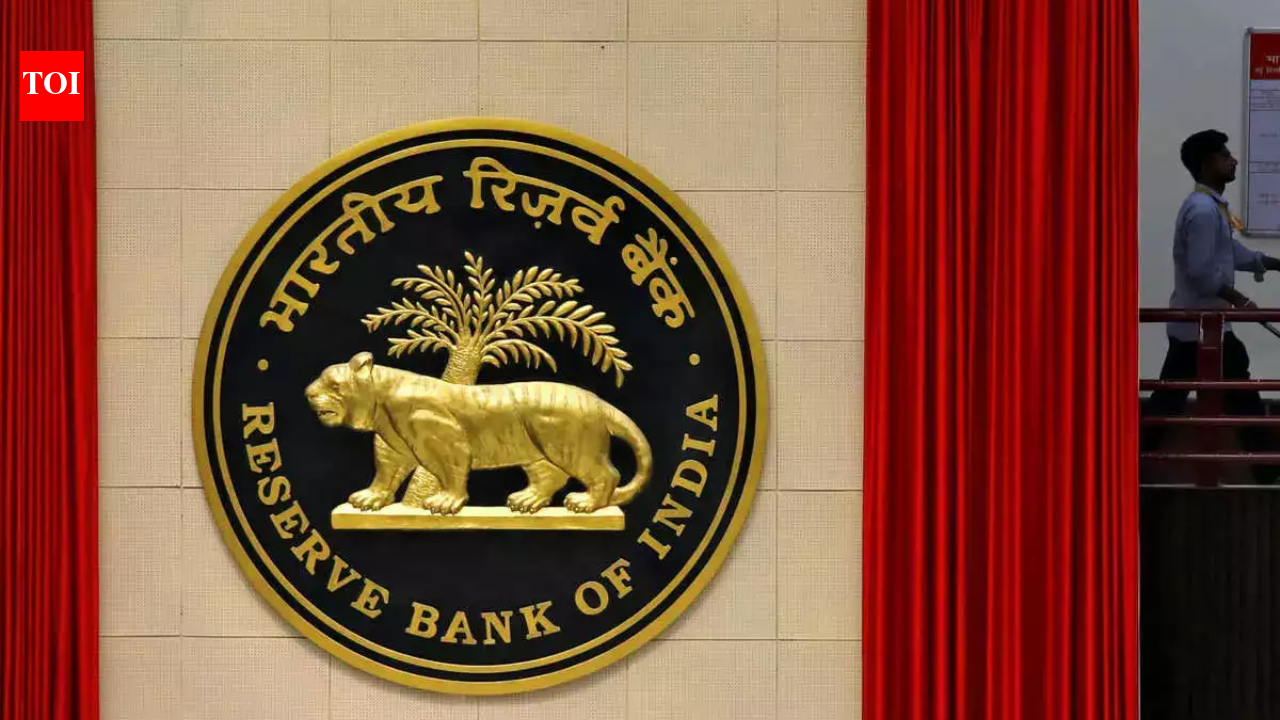
The Reserve Bank of India (RBI) on Monday decided against activating the countercyclical capital buffer (CCyB), indicating that current financial and credit conditions do not warrant an additional capital requirement for banks, PTI reported.The central bank said the decision followed a review and empirical assessment of indicators used under the CCyB framework.“Based on review and empirical analysis of CCyB indicators, it has been decided that it is not necessary to activate CCyB at this point in time,” RBI said in a statement.Under the RBI (Commercial Banks – Prudential Norms on Capital Adequacy) Directions, 2025, the CCyB framework is activated when financial conditions indicate rising systemic risks linked to excessive credit growth.The framework primarily relies on the credit-to-GDP gap as a key indicator, along with supplementary metrics.According to the RBI, the CCyB mechanism is intended to serve two broad objectives.Firstly, it requires a bank to build up a buffer of capital in good times, which may be used to maintain the flow of credit to the real sector in difficult times.Secondly, it achieves the broader macro-prudential goal of restricting the banking sector from indiscriminate lending in the periods of excess credit growth that have often been associated with the building up of system-wide risk.The framework was introduced globally after the 2008 financial crisis as part of measures proposed by the Group of Central Bank Governors and Heads of Supervision (GHOS) under the Basel framework to strengthen financial system resilience.
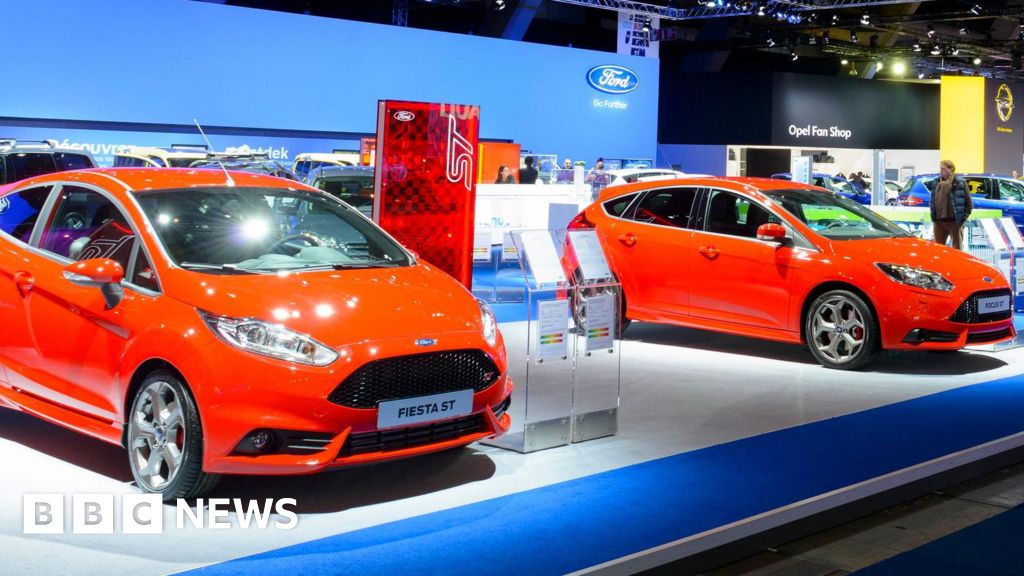
The company has announced plans to build seven new models in Europe including a small electric hatchback.
Source link

“Today’s policymaking is constrained by a more volatile external environment with more frequent and overlapping shocks, a rising public interest bill, in part reflecting market concerns with countries’ elevated debt, and the long-standing challenge of weak productivity growth,” he said.


Turkiye’s current account deficit expected to widen in 2026: Minister

UK’s clothing imports fall 3% in Q1, sharply lower than Q4 2025
RBI sees no signs of excess credit risk, keeps countercyclical capital buffer inactive

-

 Entertainment6 days ago
Conan O’Brien hat tricks as Oscar host
-

 Tech1 week ago
Could Contact-Tracing Apps Help With the Hantavirus? Not Really
-

 Fashion5 days ago
Italy’s Zegna Group’s Q1 growth boosted by strong organic performance
-

 Sports1 week ago
Bobby Cox, legendary Atlanta Braves manager who led 1995 World Series champions, dead at 84
-

 Entertainment1 week ago
Martin Short: Facing tragedy with joy
-

 Entertainment1 week ago
Tom Brady gets back at Kevin Hart during Netflix roast
-

 Sports1 week ago
Jacob Fatu unleashes vicious assault on Roman Reigns after World Heavyweight Championship loss at WWE Backlash
-

 Entertainment1 week ago
Martha Stewart: How to make an omelet