Business
India’s low-cost healthcare drives NRI medical tourism; insurance makes care affordable: Report – The Times of India
NEW DELHI: India’s comparatively low healthcare costs and expanding insurance coverage are driving a surge in medical tourism among non-resident Indians (NRIs), according to a new report based on Policybazaar’s NRI claims data from the past three years, cited by Economic Times.Cost advantages Medical procedures in India remain far cheaper than in many global markets. Elective surgeries typically cost between $2,000 and $15,000, while complex procedures are priced between $20,000 and $40,000. In addition, India offers access to economical generic alternatives for specialised medicines and therapies, allowing for extended treatment and chronic disease management.Insurance benefits Health insurance in India is also significantly more affordable, with annual premiums ranging from $120 to $300 per individual—well below costs in most other countries. The report highlights that such pricing has encouraged more NRIs to consider India for both routine and advanced medical care.Rising demand Online search behaviour reflects the trend: queries for “health insurance India for NRIs” rose 60 per cent in 2024 compared to 2023, while searches for “medical treatment for overseas citizens in India” climbed 45 per cent over the last 18 months.Beyond cost savings Policybazaar survey also noted additional factors driving demand, including familiar cultural surroundings, the presence of family support, and widespread English proficiency among medical professionals. Many hospitals also offer comprehensive treatment packages that include visa assistance, travel arrangements and post-operative care. Insurance policies now increasingly cover support services for NRIs managing treatment for their elderly parents in India. With India’s healthcare sector already catering to international patients, analysts say the combination of cost competitiveness and growing insurance options positions the country as a major hub for NRI medical tourism.
Business
FTSE 100 in the green after lower-than-expected US inflation figures
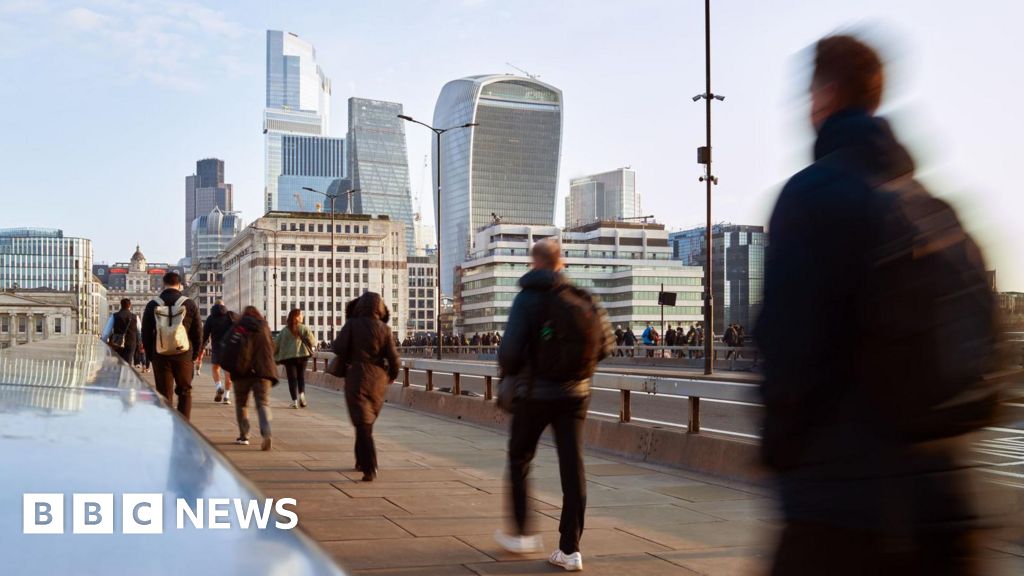
Stock prices in London closed mostly higher on Friday, in light of lower-than-expected US inflation the day before.
The US consumer price index rose by 2.7% in November from a year before, slowing from 3.0% annual inflation in September. Market consensus cited by FXStreet had expected inflation to increase to 3.1% in November.
“The knife-edge nature of yesterday’s rate decision by the Bank of England is keeping UK stocks in check and stalled the FTSE 100’s push towards the 10,000 mark,” said AJ Bell’s Danni Hewson. “Investors have responded to the reality that we could be approaching the end of the current rate-cutting cycle.”
She continued: “Across the Atlantic, the sharply lower-than-anticipated CPI reading in the US suggests the Federal Reserve might have more scope for rate cuts next year.”
The FTSE 100 index closed up 59.65 points, 0.6%, at 9,897.42. The FTSE 250 ended down 12.88 points, 0.1%, at 22,312.71, and the AIM All-Share closed up 1.03 points, 0.1%, at 757.39.
On the FTSE 100, Anglo American edged up 0.4% after reporting that it was striving to wrap up the sale of its nickel business and that it had restarted efforts to dispose of its remaining coal operation.
The London-based diversified miner previously suffered a setback, after Peabody Energy abruptly ended its bid to acquire Anglo American’s steelmaking coal assets in Australia.
Anglo American said on Friday it has reinitiated a formal process to sell the remaining steelmaking coal business.
The miner also said it is working to finalise the last regulatory approval with the European Commission required to complete the transaction, first announced in February this year.
Carnival, on the FTSE 250, jumped 17%.
The Florida-based cruise operator’s pre-tax profit jumped 45% to a “record” 2.77 billion dollars in the financial year ended November 30, from 1.92 billion dollars a year ago. Revenue climbed 6.4% to 26.62 billion dollars, also a record, from 25.02 billion dollars, with passenger ticket revenue growing 5.8% to 17.42 billion dollars.
Carnival also announced the reinstatement of dividends, declaring a quarterly payout of 15 US cents.
For the full year 2026, the company expects adjusted net income to grow by 12%.
In small caps, Seraphim Space rose 8.8%.
The space technology-focused investor’s largest holding, ICEYE, has won a 1.7 billion euro deal through a joint venture with arms firm Rheinmetall AG. The JV will provide the German armed forces with radar services.
On AIM, Revel Collective plunged 74%.
The bar and pub company said that “a number of credible parties” were in talks with the firm to potentially acquire the businesses it operates, but it warned that any deal is unlikely to return any value to shareholders.
Caledonia Mining rose 11%.
The Zimbabwe-focused gold miner has “welcomed” revised provisions announced by the Zimbabwean government on the gold mining sector.
A proposal to up a royalty rate to 10% from 5% will now only apply if the bullion price tops 5,000 dollars an ounce, and not 2,500 dollars. Also, a proposed tax change on capital expenditure treatment has been withdrawn.
Caledonia said that so long as the gold price remains below 5,000, dollars there will be no change to its financial outlook.
In European equities on Friday, the CAC 40 in Paris closed up 0.3%, while the DAX 40 in Frankfurt ended up 0.3%.
The pound was quoted at 1.3373 dollars at the time of the London equities close on Friday, lower compared with 1.3387 dollars on Thursday. The euro stood at 1.1715 dollars, lower against 1.1730 dollars. Against the yen, the dollar was trading higher at 157.46 yen compared with 155.46 yen.
Stocks in New York were higher. The Dow Jones Industrial Average was up 0.6%, the S&P 500 index up 0.7%, and the Nasdaq Composite up 0.8%.
The yield on the US 10-year Treasury was quoted at 4.14%, widening from 4.11%. The yield on the US 30-year Treasury was quoted at 4.82%, widening from 4.79%.
Brent oil was quoted at 60.16 dollars a barrel at the time of the London equities close on Friday, down from 60.23 dollars late Thursday.
Gold was quoted lower at 4,348.80 dollars an ounce, against 4,370.61 dollars on Thursday.
The biggest risers on the FTSE 100 were Endeavour Mining, up 120.00p at 3,910.00p, Rolls-Royce, up 26.00p at 1,170.00p, DCC, up 103.52p at 5,019.52p, Melrose Industries, up 11.20p at 576.60p, and Spirax, up 120.00p at 6,850.00p.
The biggest fallers on the FTSE 100 were Barratt Redrow, down 10.16p at 368.64p, Persimmon, down 32.00p at 1,317.00p, JD Sports Fashion, down 2.05p at 84.63p, Berkeley Group, down 70.00p at 3,884.00p, and Marks & Spencer, down 5.50p at 326.60p.
On Monday’s economic calendar, the UK releases current account and gross domestic product data.
On Monday’s UK corporate calendar, no significant events are scheduled.
– Contributed by Alliance News
Business
November home sales struggle as supply stalls
High home prices, stubbornly high mortgage rates and now less supply are all weighing on potential homebuyers.
Sales of previously owned homes rose just 0.5% in November from October and were 1% lower than November 2024, according to the National Association of Realtors. Sales came in at an annualized rate of 4.13 million units.
This count is based on closings, so it reflects contracts likely signed in September and October, when mortgage rates initially came down slightly but then stayed in a tight range.
Supply, which had been gaining for much of this year, fell in November. There were 1.43 million homes for sale at the end of the month, down 5.9% from October but up 7.5% year over year, according to the association. At the current sales pace, that represents a 4.2-month supply. A six-month supply is considered balanced between buyer and seller.
“Inventory growth is beginning to stall,” Lawrence Yun, chief economist for the Realtors, said in a release. “With distressed property sales at historic lows and housing wealth at an all-time high, homeowners are in no rush to list their properties during the winter months.”
Sellers who were on the market also began to delist their properties at a higher rate than usual. Sellers often take unsold homes off the market heading into winter, but that dynamic was much stronger this year.
And that is keeping pressure on home prices. The median price of a home sold in November was $409,200, an increase of 1.2% from November 2024, and the highest November reading on record. The Realtors use a median measurement, which can skew to what end of the market is selling most. The high end is currently doing much better than the low end. Sales of homes priced in the $100,000 to $250,000 range were down nearly 8% from a year ago, while homes priced at more than $1 million were up 1.4%.
“Wage growth is outpacing home price gains, which improves housing affordability. Still, future affordability could be hampered if housing supply fails to keep pace with demand,” Yun said.
Homes are staying on the market longer, at 36 days compared with 32 days last November. First-time homebuyers made up 30% of sales, unchanged from a year ago, but historically they make up about 40%. Investors stepped back into the market, making up 18% of transactions, up from 13% in November 2024.
Business
US monetary policy: Fed’s official sees no urgency for further rate cuts, flags distorted inflation data – The Times of India
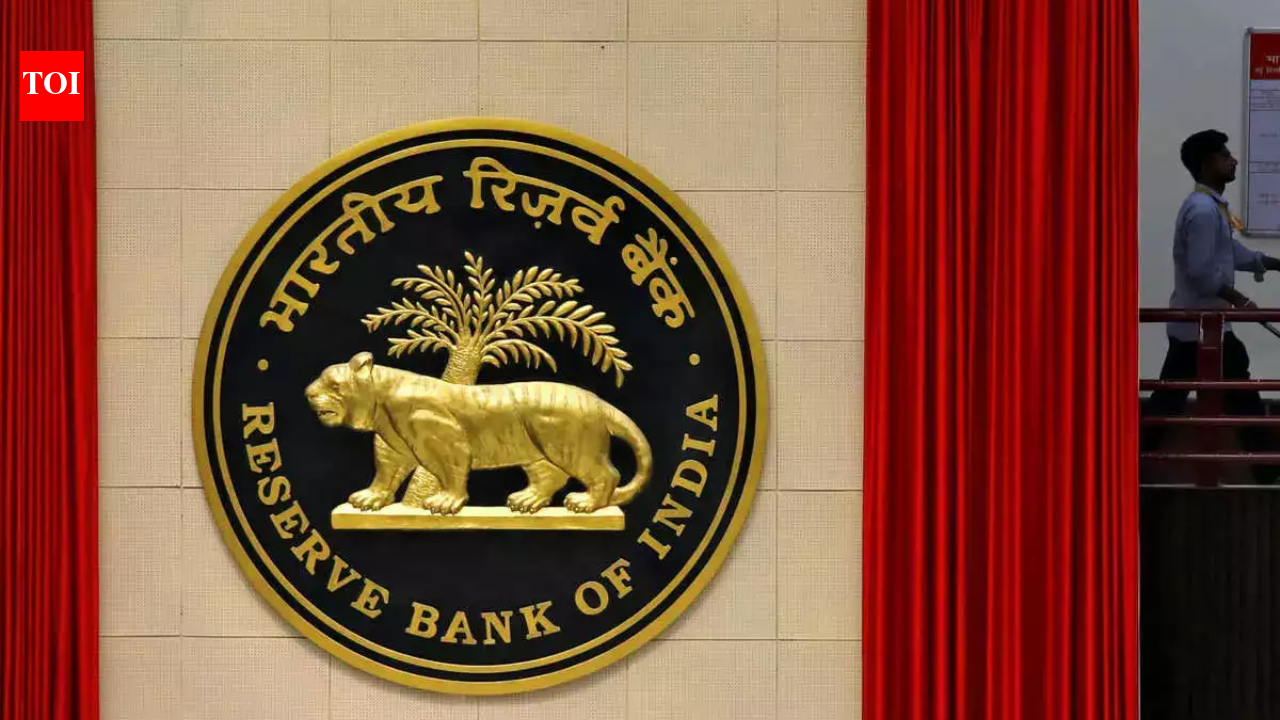
A senior US Federal Reserve official has said there is no immediate need to cut interest rates further, cautioning that recent inflation data may have been distorted due to disruptions in data collection during the federal government shutdown, AFP reported.Speaking to CNBC on Friday, New York Federal Reserve President John Williams said inflation readings for recent months were likely affected because government agencies were unable to collect price data in October and the first half of November amid the record-long shutdown.“Because of that, I think the data were distorted in some of the categories, and that pushed down the consumer price index reading probably by a tenth or so,” Williams said, adding that it was difficult to precisely quantify the impact.He said inflation data for December could provide a clearer picture of the extent of the distortion.Williams’ remarks followed the release of a delayed US consumer price index report earlier this week, which showed inflation easing to 2.7 per cent in November from 3 per cent in September. Several economists had warned that the figures may not fully reflect underlying price pressures.Some analysts pointed out that a higher share of price quotes may have been collected during the Black Friday discount period, potentially biasing the data downward — a concern Williams echoed.Asked how the latest data influenced his outlook on interest rates, Williams said the Fed’s policy stance was appropriate for now.“I don’t personally have a sense of urgency to need to act further on monetary policy right now,” he said, adding that the rate cuts already delivered had positioned policymakers well.The Federal Reserve has cut interest rates three times this year as the labour market weakened, but has signalled a higher threshold for additional easing. The central bank’s next policy meeting is scheduled for late January.
-
Business6 days agoHitting The ‘High Notes’ In Ties: Nepal Set To Lift Ban On Indian Bills Above ₹100
-
Politics1 week agoTrump launches gold card programme for expedited visas with a $1m price tag
-
Sports1 week agoU.S. House passes bill to combat stadium drones
-
Sports1 week agoPolice detain Michigan head football coach Sherrone Moore after firing, salacious details emerge: report
-
Fashion1 week agoTommy Hilfiger appoints Sergio Pérez as global menswear ambassador
-
Business1 week agoCoca-Cola taps COO Henrique Braun to replace James Quincey as CEO in 2026
-
Fashion1 week agoBrunello Cucinelli lifts 2025 revenue growth forecast to up to 12%
-
Tech6 days agoFor the First Time, AI Analyzes Language as Well as a Human Expert