

Business
Nirmala Sitharaman: GST Reform Plans Took 18 Months To Shape


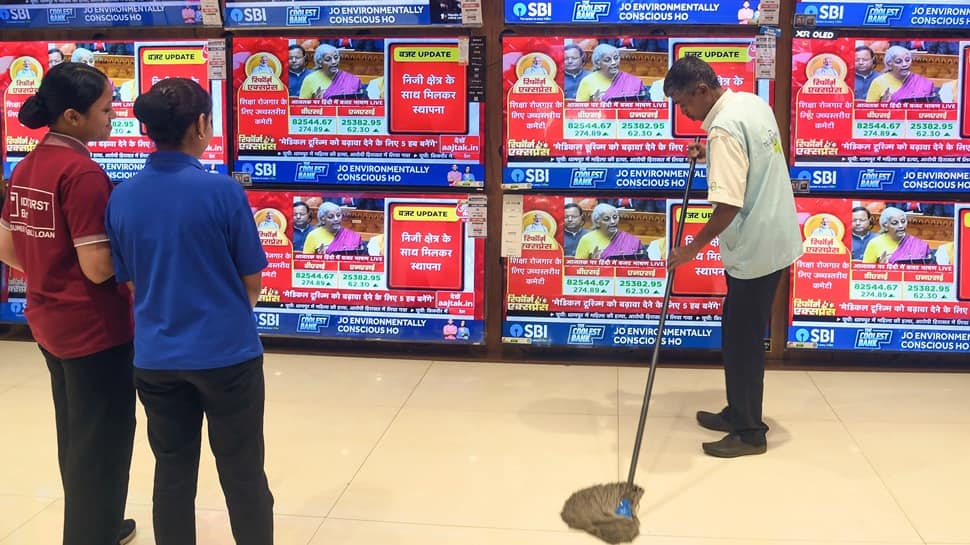
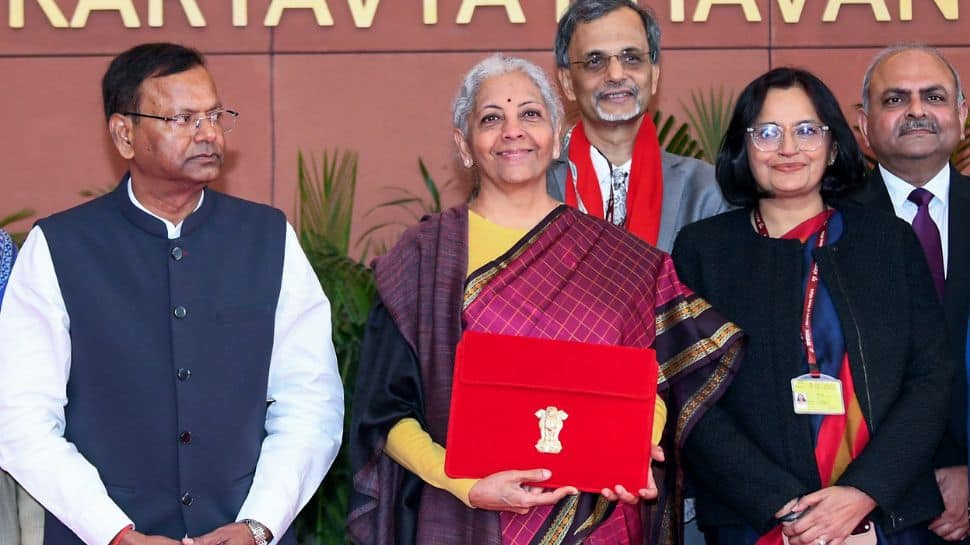
New Delhi: The recent reduction and rationalisation of Goods and Services Tax (GST) slabs — bringing them down to two and exempting certain categories, including health and life insurance premiums — had been under discussion for nearly 18 months, Union Finance Minister Nirmala Sitharaman said at an NDTV summit on Tuesday.
Sitharaman stressed that the reforms were not a reaction to the 50 per cent tariffs announced by former US President Donald Trump, which had sparked speculation that GST changes were aimed at boosting domestic demand to offset a potential USD 48 billion export hit.
According to the Finance Minister, deliberations on GST revisions began even before last year’s Union Budget, when Prime Minister Narendra Modi reminded her to focus on relief for the ‘aam aadmi’. At the time, she had presented her eighth consecutive budget, which included income tax rebates for salaried taxpayers earning up to ₹12 lakh.
“It took time to prepare a worthy package of proposals for the Prime Minister,” she said, noting that she formally approached him with the GST plan only in May this year.
The next hurdle was getting states on board. A crucial GST Council meeting was scheduled for September 3–4, where several states were expected to push back over possible revenue losses and demand compensation, including a fresh ‘sin tax’. However, Sitharaman said the meeting ended in a single day with a unanimous consensus.
“To be fair to state finance ministers, they were supportive of rate rationalisation,” she said.
The Finance Minister also underlined that states have not received compensation since 2022, referring to the GST Compensation Cess. Previously, collections under this cess were redistributed to states and Union Territories to offset revenue losses from the GST regime.
“Currently, the cess is being used to repay loans taken by states and UTs during Covid,” Sitharaman explained. She added that the more sustainable solution lies in improving tax collection efficiency rather than depending on payouts from the Centre.




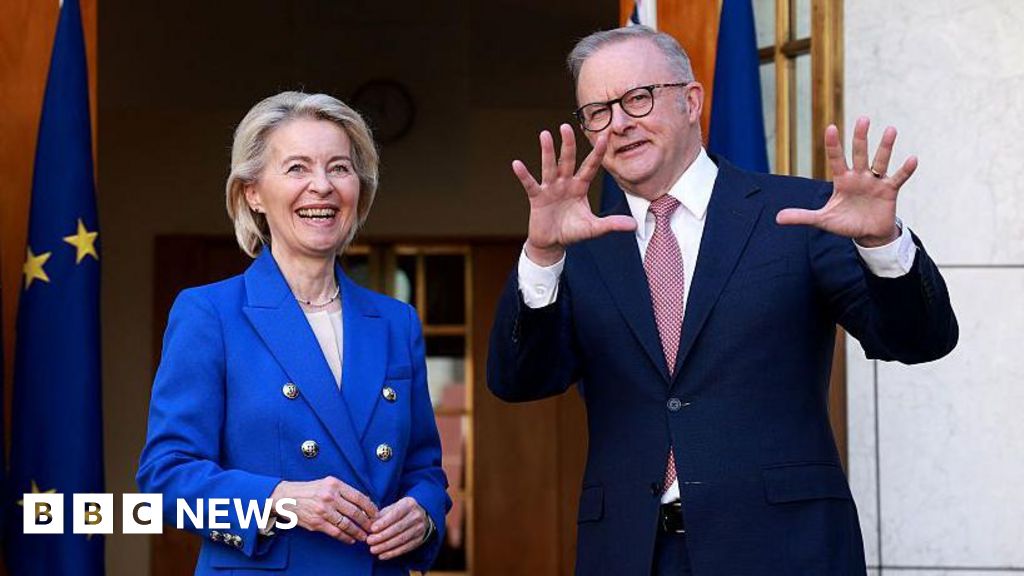
Australia and the EU sign sweeping trade and security deals after years of negotiations.
Source link
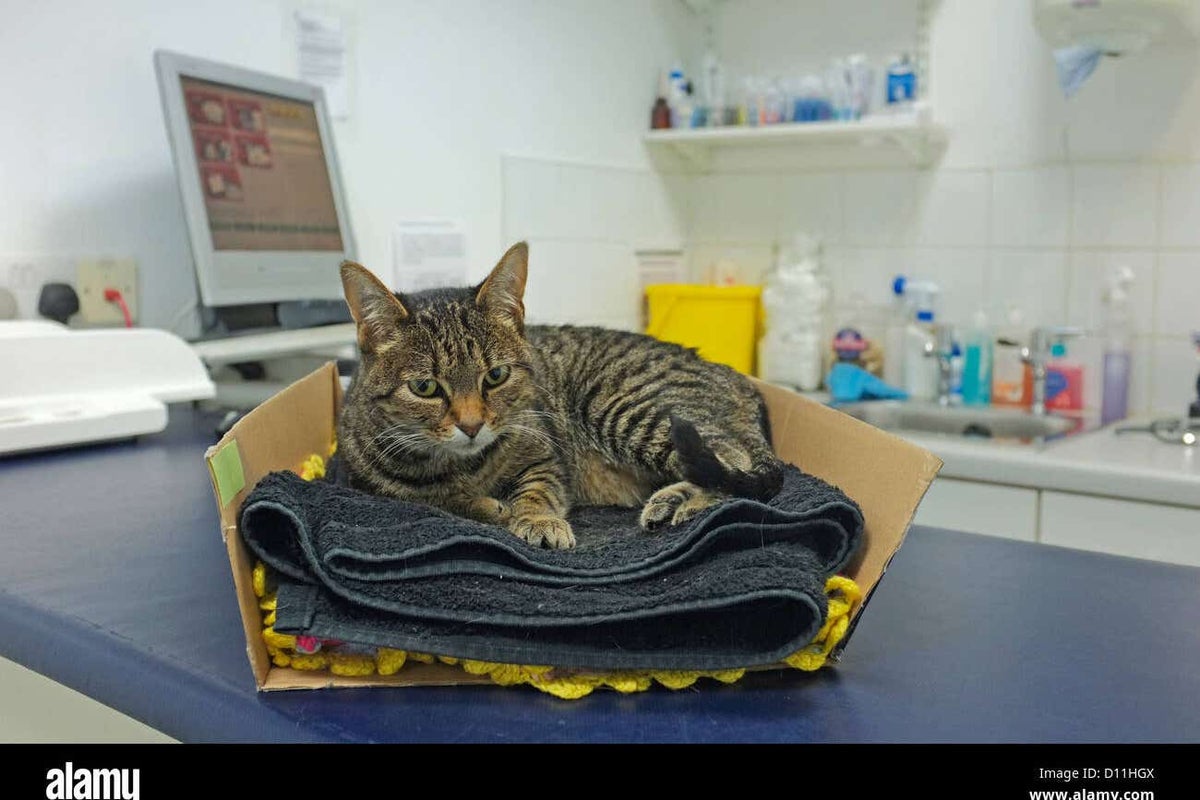
Vets will be legally bound to prescription fee caps and publishing price lists among new measures which will start coming into force later this year, the competition watchdog has announced.
The Competition and Markets Authority (CMA) said its final reforms for the sector will help pet owners better navigate the vet services market.
Other legally binding measures will include a price comparison website and mandatory branding by the large groups to boost competition and drive down prices.
The CMA said pet owners using a vet practice that is part of a larger chain can expect to see changes before Christmas, including standard price lists.
The measures follow the CMA finding that fees have risen at almost twice the rate of inflation, with pet owners not being given enough information about their vet and the prices of treatments.
Martin Coleman, chairman of the independent Inquiry Group, said: “This is the most extensive review of veterinary services in a generation, and today’s reforms will make a real difference to the millions of pet owners who want the best for their pets but struggle to find the practice, treatment and price that meets their needs.
“Too often, people are left in the dark about who owns their practice, treatment options and prices – even when facing bills running into thousands of pounds.
“Our measures mean it will be made clear to pet owners which practices are part of large groups, which are charging higher prices, and for the first time, vet businesses will be held to account by an independent regulator.
“Our changes put pet owners at the centre but also help vets by enhancing trust in the profession and protecting clinical judgment from undue commercial pressure – and that is important to ensure our pets continue to get the best care.”
The CMA said practices must publish a comprehensive price list for standard services, including consultations, common procedures, diagnostics, written prescriptions and cremation options under its new rules.
Prescriptions – for which “many” practices charge £30 or more for each – are to be capped at £21 for the first medicine and £12.50 for any additional medicines.
Practices must also provide a written estimate in advance for any treatment expected to cost £500 or more, including aftercare costs, as well as an itemised bill.
Emergency care will be the only exception for written estimates.
Prices and information about who owns the surgery are to be made available to pet owners through the Royal College of Veterinary Surgeons (RCVS) ‘Find a Vet’ service, which will share the data with third-party comparison sites.
Vet businesses must make it clear whether they are part of a group or an independent business, with details of group ownership to be displayed on signs at the surgery and online.
British Veterinary Association president Rob Williams said: “The majority of the CMA’s measures focus on increasing transparency and information, which will help pet owners make more informed choices and support competition, which is a really positive step.”
He added: “Delivering highly skilled veterinary medicine is costly and whilst we recognise prices have risen sharply in recent years this is due to a number of factors, including the higher costs all businesses are experiencing – and vet practices are not immune.
“Plus, thanks to advances in diagnostics and medical technology over the last 20 years, vets can now do much more to manage disease and injury in animals, whereas in the past the only option available may have been to euthanase.
“Owners today also have a greater expectation of their vet, with many expecting human quality healthcare for their pets and whilst this is possible to deliver, it comes at a cost.”
Business
Gold price prediction today: Pressure on gold prices to continue on March 24, 2026 amid US-Iran war? Check outlook – The Times of India

Gold price prediction today: Gold prices are likely to remain range-bound in the near future, says Praveen Singh, Head Currencies and Commodities, Mirae Asset ShareKhan
Source link


South Korea’s Misto Holdings’ 2025 profit jumps 31.6% on steady growth
Australia and EU agree sweeping trade deal in face of global uncertainty

How Jaxon Smith-Njigba’s contract extension impacts Seahawks

Strategic oil stocks to be released ‘immediately’ in Asia and Oceania: IEA

New Income Tax Act 2025 To Take Effect From April 1: 10 Key Changes That Will Affect Your Money

Transfer rumors, news: Real Madrid open to Camavinga exit, as Premier League clubs circle

-
 Entertainment1 week ago
Strategic oil stocks to be released ‘immediately’ in Asia and Oceania: IEA
-
Business1 week ago
New Income Tax Act 2025 To Take Effect From April 1: 10 Key Changes That Will Affect Your Money
-
 Sports1 week ago
Transfer rumors, news: Real Madrid open to Camavinga exit, as Premier League clubs circle
-

 Sports1 week ago
PCB files complaint over allowing Bangladesh to take review on penultimate ball – SUCH TV
-
 Business7 days ago
Stocks and pound rise as US rate call approaches
-

 Tech6 days ago
Justice Department Says Anthropic Can’t Be Trusted With Warfighting Systems
-

 Sports6 days ago
March Madness 2026 – How to watch in SA, start time, schedule, TV channel for NCAA championship basketball tournament
-
 Business1 week ago
Stocks To Watch: Tata Motors, IndiGo, Jindal Stainless, GMR Airports, Hindalco, And Others