

Business
Household Spending Up 33% In India Since 2022, Nearly Half Face Budget Stress


Last Updated:
A critical survey conducted across all income groups highlighted India’s household struggles with monthly and annual expenses amidst rising inflation.

Indian household expenses are soaring every month. (representative image)
Rising inflation threatens to break the back of the Indian middle class. According to Worldpanel India’s Kharcha 3.0 report, average household expenses in India have jumped significantly in the last three years. From about Rs 42,000 in June 2022 to over Rs 56,000 in March, there has been a 33 per cent rise in monthly expenses.
Around 6,000 households were surveyed as part of a syndicated study, which revealed that around 45 per cent of families in India today are struggling to manage their expenses and only 17 per cent feel they are living comfortably.
Inflation and increasing expenses have swelled most drastically in urban cities, where average quarterly spending has gone from Rs 52,711 in June 2022 to Rs 73,579 in March 2025. Over the same period, rural households that spent Rs 36,104 are now paying Rs 46,623 every quarter to make ends meet.
Increasing Expenses Hurt All Income Groups
A multifold jump in expenses has resulted in major budget constraints and financial stress on Indian citizens across income categories. The urban NCCS AB households, who are considered the most affluent, have recorded a 15 per cent increase in their yearly expenses. The rural NCCS CDE households have undergone an 18 per cent jump in annual expenses.
“With rising expenses across both urban and rural segments and most families prioritising essentials, savings, and debt repayment, consumers are becoming increasingly cautious in their choices,” said K Ramakrishnan, Managing Director – South Asia, Worldpanel by Numerator.
Rising expenses have weakened an Indian citizen’s buying capacity and consumer sentiment. The Reserve Bank of India’s Consumer Confidence Index reflects the same, enduring a drop from 98.5 in March 2024 to 95.4 in May 2025. During the survey, a whopping 59 per cent of households expected no improvement in their financial condition for the coming quarter, while 30 per cent worried it could get worse.
Indians are now exercising great caution with their monthly or annual budgets and prioritising needs above wants, including essentials, education and debt repayment. In a hypothetical scenario, 54 per cent of households confirmed that if provided extra income, they would prefer to keep it in savings. Only 7 per cent said they would buy a luxury item with it.

A team of writers and reporters decodes vast terms of personal finance and making money matters simpler for you. From latest initial public offerings (IPOs) in the market to best investment options, we cover al…Read More
A team of writers and reporters decodes vast terms of personal finance and making money matters simpler for you. From latest initial public offerings (IPOs) in the market to best investment options, we cover al… Read More
September 11, 2025, 18:11 IST
Read More
Heineken has announced a substantial investment exceeding £44 million into hundreds of its pubs across the UK, a move expected to create approximately 850 jobs.
The Dutch brewing giant’s Star Pubs operation, which manages 2,350 sites nationwide, is undertaking this significant financial commitment despite a challenging period for the pub sector.
The industry has faced considerable pressure over the past year, grappling with escalating labour costs and increases in national insurance contributions.
Concurrently, consumer spending has been constrained by concerns over inflation and rising unemployment, further impacting pub revenues. However, pubs did receive additional business rates support from the government last month, aimed at alleviating some of these financial burdens.
Lawson Mountstevens, managing director of Star Pubs, indicated that the investment strategy is partly designed to bolster revenues and help the group navigate the recent “sustained increases in running costs”.
This year, £44.5 million will be allocated to upgrades for 647 pubs. A notable 108 of these venues are earmarked for particularly significant cash injections, with each transformation costing at least £145,000.
Heineken clarified that while the majority of its pubs are group-owned, they are independently operated by local licensees. A key focus for this investment, particularly in the lead-up to the 2026 football World Cup, will be on sports-focused venues.
The pub firm and brewer has a history of significant investment in British pubs, having pumped £328 million into the sector since 2018. Work has already commenced at 52 locations, including eight projects dedicated to reopening boarded-up pubs that have endured lengthy closures.
Mr Mountstevens also urged the government to reduce the tax burden on pubs, arguing it would ease cost pressures and foster further job creation within the industry.
He stated: “We can only do so much; the root-and-branch reform of business rates that the industry has been calling for over many years is urgently required, as well as a lowering of the burden of taxation on pubs, including VAT and beer duty.”
He concluded with a direct appeal: “We are calling on the Government to support us in bringing out the best in the Great British pub.”
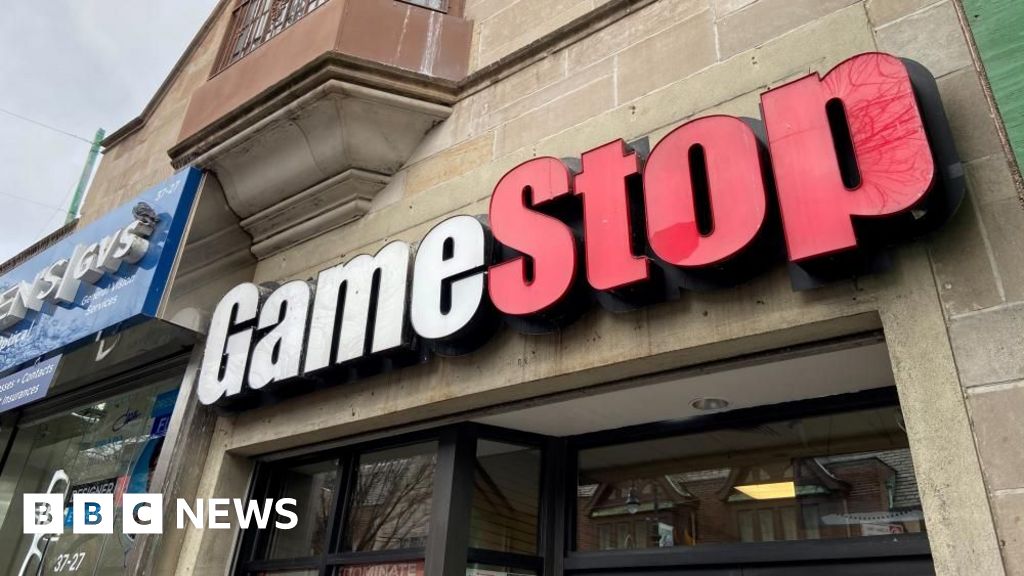
GameStop’s boss Ryan Cohen says he sees potential to make eBay a much bigger rival to Amazon.
Source link
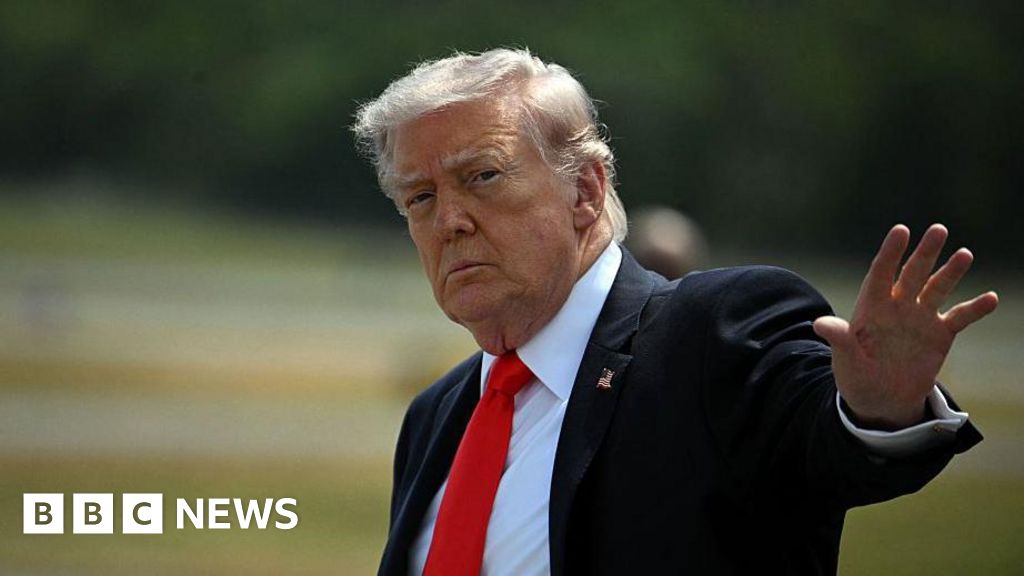
It comes as the US said on Monday it will begin to help “guide” vessels out of the Strait of Hormuz.
Source link


Tarik Skubal to undergo elbow surgery, sidelining Tigers ace for months ahead of free agency

Jake Paul breaks silence after Olivia Rodrigo’s savage SNL joke

UAE says air defences engage Iranian missiles, drones as flights diverted

-

 Tech1 week ago
A Brain Implant for Depression Is About to Be Tested in Humans
-

 Tech1 week ago
Almost 90% of women leave tech industry within 10 years | Computer Weekly
-
 Business1 week ago
Pakistan’s oil market is fuelling the crisis | The Express Tribune
-
 Business7 days ago
‘I had £20,000 stolen and had to fight a 13-month fraud reporting rule to get it back’
-

 Sports6 days ago
Pro wrestling star Steph De Lander reveals how colleague’s advice helped lead her to title triumph at ACW
-

 Entertainment1 week ago
Norway joins Type 26 Frigate Programme to boost NATO naval power
-

 Entertainment1 week ago
Melania Trump says ABC should ‘take a stand’ on late-night host Kimmel
-

 Tech6 days ago
This Ambitious Laptop Doesn’t Leave Much Room for Your Hands