

Business
‘That’s cute’: Frontier CEO fires back at United CEO declaring discount airline model dead


President and CEO of Frontier Airlines, Barry Biffle attends The Future of Everything presented by the Wall Street Journal at Spring Studios on May 17, 2022, in New York City.
Steven Ferdman | Getty Images Entertainment | Getty Images
Frontier Airlines CEO Barry Biffle fired back at his counterpart at United Airlines who said the deep discount model in the U.S. is dead.
“That’s cute,” Biffle said Wednesday at the Skift Global Forum, a travel conference in New York. “If he’s good at math he would understand that we have a [flight] oversupply issue in the United States.”
Biffle’s comments were a response to United CEO Scott Kirby, who said last week at an airline conference in Long Beach, California, that he thought the largest U.S. discounter, Spirit Airlines, would go out of business. Spirit in August entered its second bankruptcy in less than a year after failing to find sturdy financial footing.
When Kirby was asked why he thought Spirit would shut down, he responded, “Because I’m good at math.”
Kirby added that if Biffle wants Frontier to be the largest of the U.S. discount carriers, then he’s going to be the “last man standing on a sinking ship.”
Biffle defended his airline’s lower unit costs — $7.50 per available seat mile, excluding fuel, compared with far larger United’s $12.36 in the second quarter — and said the carrier caters to customers who might not be flying at all, as well as those who want a cheap flight but are splurging on other things when traveling, like luxury hotels.
When asked Wednesday about whether Frontier relies on extra capacity left on the table by United, Biffle replied: “That’s like the CEO of Nordstrom saying ‘I allow customers to buy jeans from Walmart.'”
Both Frontier and United, along with other airlines like JetBlue Airways, have announced that they’re adding new flights on major Spirit routes to win over its customers as it struggles.
Ultra-low cost airlines have struggled from a jump in costs after the pandemic, an oversupply of domestic U.S. flights that have pushed down fares, and competition from larger airlines that offer both no-frills basic economy tickets and global networks to burn frequent flyer models on.
“Customers care about value, and they don’t get value on a [ultra-low-cost carrier],” Kirby told CNBC on Tuesday.
Those budget airlines long relied on rock-bottom fares and fees for everything else from seat assignments to cabin baggage, a model large network airlines have copied with their basic economy tickets. Now, Spirit, Frontier and others are looking to offer more upscale offerings and bundles that include things they used to charge for.
Frontier swung to a $70 million net loss in the second quarter but forecast unit revenue growth in the mid-to-high single digits in the third, and to “provide a solid foundation for profitability in 2026.”





Heineken has announced a substantial investment exceeding £44 million into hundreds of its pubs across the UK, a move expected to create approximately 850 jobs.
The Dutch brewing giant’s Star Pubs operation, which manages 2,350 sites nationwide, is undertaking this significant financial commitment despite a challenging period for the pub sector.
The industry has faced considerable pressure over the past year, grappling with escalating labour costs and increases in national insurance contributions.
Concurrently, consumer spending has been constrained by concerns over inflation and rising unemployment, further impacting pub revenues. However, pubs did receive additional business rates support from the government last month, aimed at alleviating some of these financial burdens.
Lawson Mountstevens, managing director of Star Pubs, indicated that the investment strategy is partly designed to bolster revenues and help the group navigate the recent “sustained increases in running costs”.
This year, £44.5 million will be allocated to upgrades for 647 pubs. A notable 108 of these venues are earmarked for particularly significant cash injections, with each transformation costing at least £145,000.
Heineken clarified that while the majority of its pubs are group-owned, they are independently operated by local licensees. A key focus for this investment, particularly in the lead-up to the 2026 football World Cup, will be on sports-focused venues.
The pub firm and brewer has a history of significant investment in British pubs, having pumped £328 million into the sector since 2018. Work has already commenced at 52 locations, including eight projects dedicated to reopening boarded-up pubs that have endured lengthy closures.
Mr Mountstevens also urged the government to reduce the tax burden on pubs, arguing it would ease cost pressures and foster further job creation within the industry.
He stated: “We can only do so much; the root-and-branch reform of business rates that the industry has been calling for over many years is urgently required, as well as a lowering of the burden of taxation on pubs, including VAT and beer duty.”
He concluded with a direct appeal: “We are calling on the Government to support us in bringing out the best in the Great British pub.”
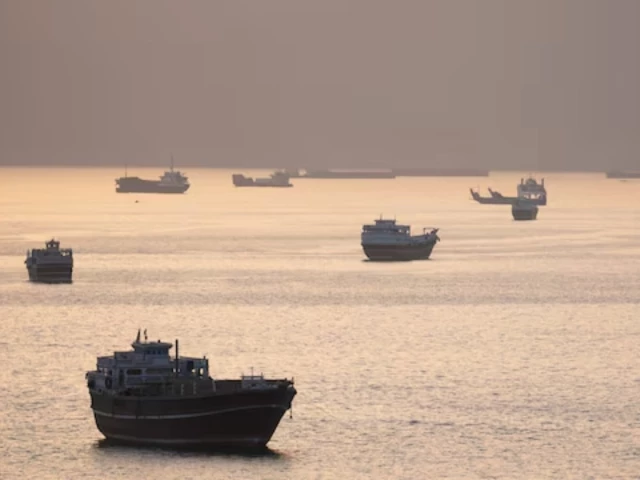
It comes as the US said on Monday it will begin to help “guide” vessels out of the Strait of Hormuz.
Source link
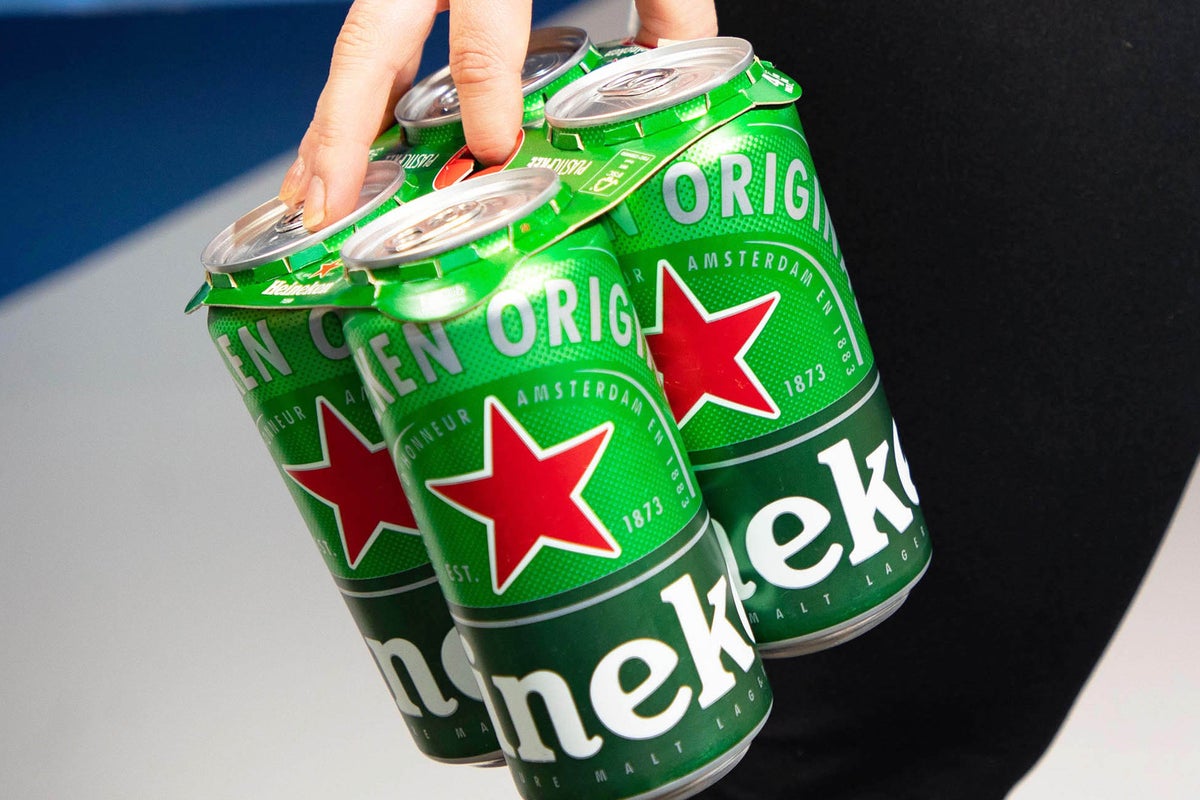
Heineken has revealed plans to invest more than £44 million into improvements for hundreds of its UK pubs.
The Dutch brewing giant said the cash injection into its Star Pubs operation, which runs 2,350 sites across the UK, will create around 850 jobs.
The major investment plan comes despite a challenging backdrop for the pub sector.
Pubs have come under pressure from rising labour costs and increases to national insurance contributions over the past year, while consumer spending has also come under pressure with concerns over inflation and rising unemployment.
However, pubs received additional business rates support from the Government from last month to help ease their cost pressures.
Lawson Mountstevens, Star Pubs’ managing director, said the company’s investment plan is partly aimed at boosting revenues to help the group cope with the recent “sustained increases in running costs”.
The plans will see the business invest £44.5 million this year into upgrades for 647 of its pubs.
It said 108 of its venues will see particularly significant cash injections, with these all set for transformations costing at least £145,000.
Heineken said the majority of pubs are owned by the group but independently operated by locals, with sports-focused venues an emphasis for investment in the run-up to the 2026 football World Cup.
The pub firm and brewer said it has pumped £328 million into British pubs since 2018.
It has already started work in 52 locations, including eight projects where it is reopening boarded-up pubs which have suffered from lengthy closures.
Mr Mountstevens urged the Government to reduce the tax burden on pubs to help ease the cost burden and support more job creation in the industry.
He said: “We can only do so much; the root-and-branch reform of business rates that the industry has been calling for over many years is urgently required, as well as a lowering of the burden of taxation on pubs, including VAT and beer duty.
“We are calling on the Government to support us in bringing out the best in the Great British pub.”

Heineken to boost British pubs with £44 million investment before World Cup

India aligns RoDTEP schedules with amended customs tariff

Emily Blunt celebrates as ‘Devil Wears Prada 2’ dominates box office

-

 Tech1 week ago
A Brain Implant for Depression Is About to Be Tested in Humans
-

 Tech1 week ago
Almost 90% of women leave tech industry within 10 years | Computer Weekly
-
 Business1 week ago
Pakistan’s oil market is fuelling the crisis | The Express Tribune
-
 Business7 days ago
‘I had £20,000 stolen and had to fight a 13-month fraud reporting rule to get it back’
-

 Sports6 days ago
Pro wrestling star Steph De Lander reveals how colleague’s advice helped lead her to title triumph at ACW
-
 Entertainment7 days ago
Norway joins Type 26 Frigate Programme to boost NATO naval power
-
 Entertainment7 days ago
Melania Trump says ABC should ‘take a stand’ on late-night host Kimmel
-
 Tech6 days ago
This Ambitious Laptop Doesn’t Leave Much Room for Your Hands