

Business
India-US trade deal: 25% penal tariffs linked to Russian oil gone? Here’s what we know – The Times of India

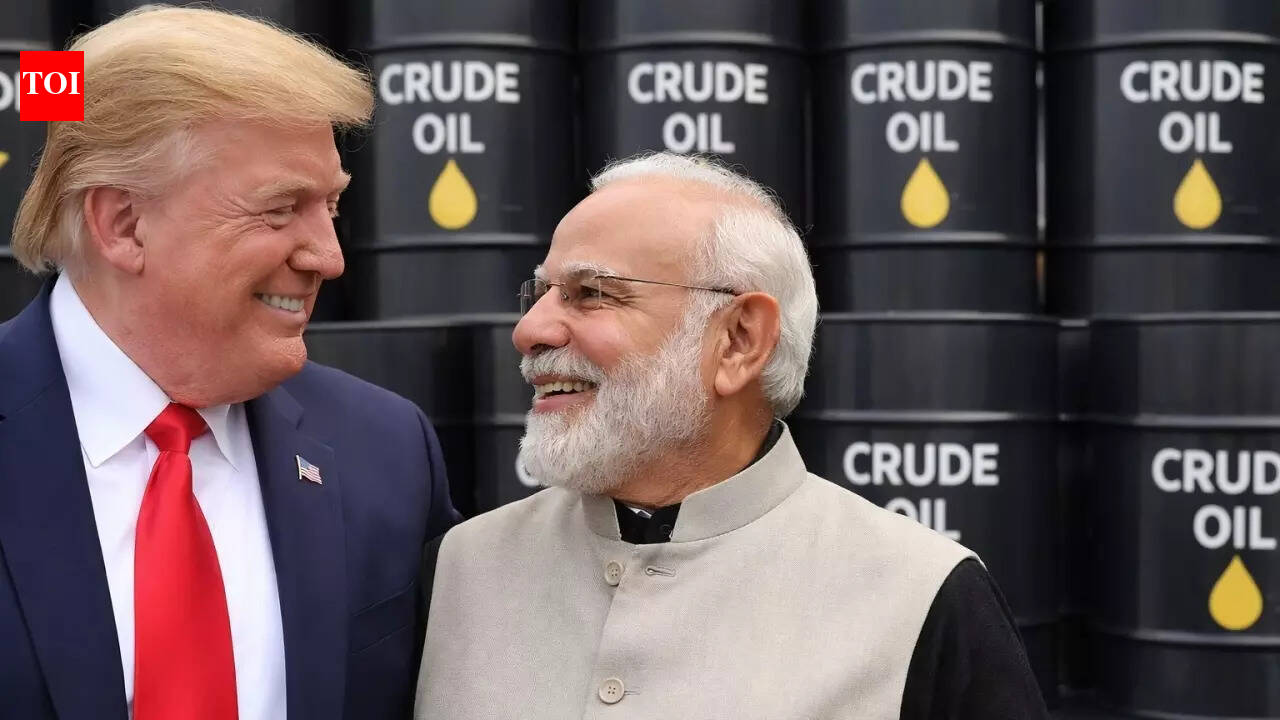
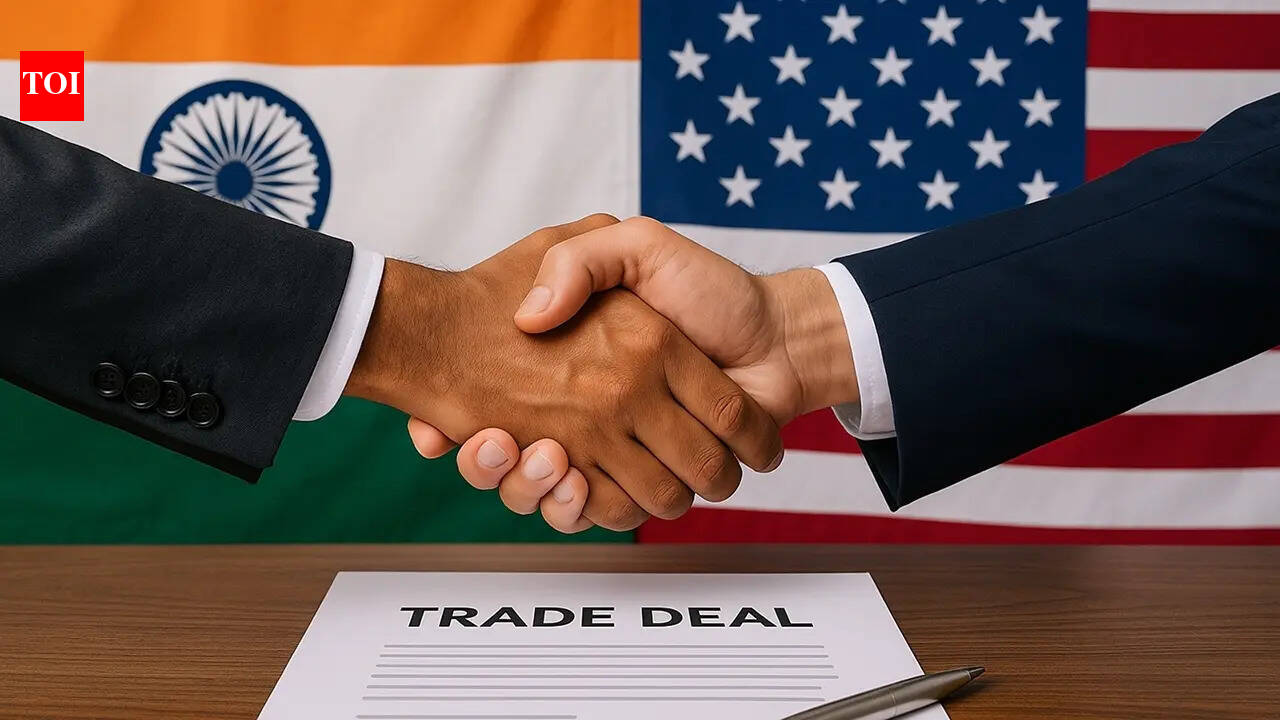
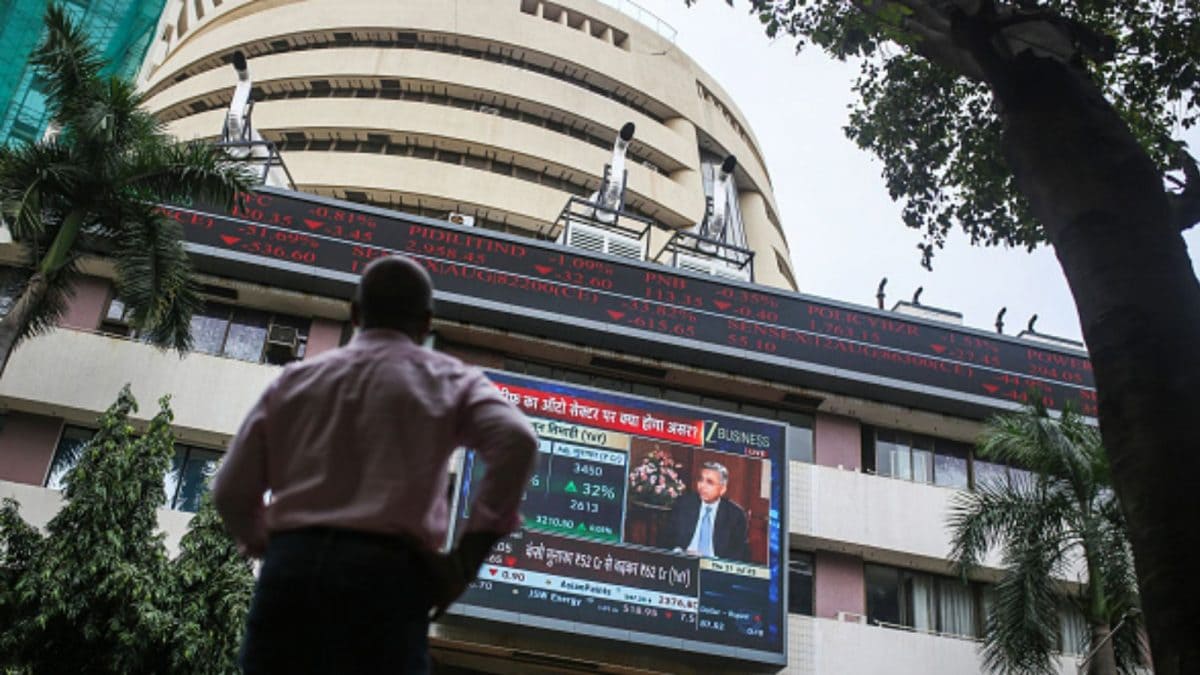
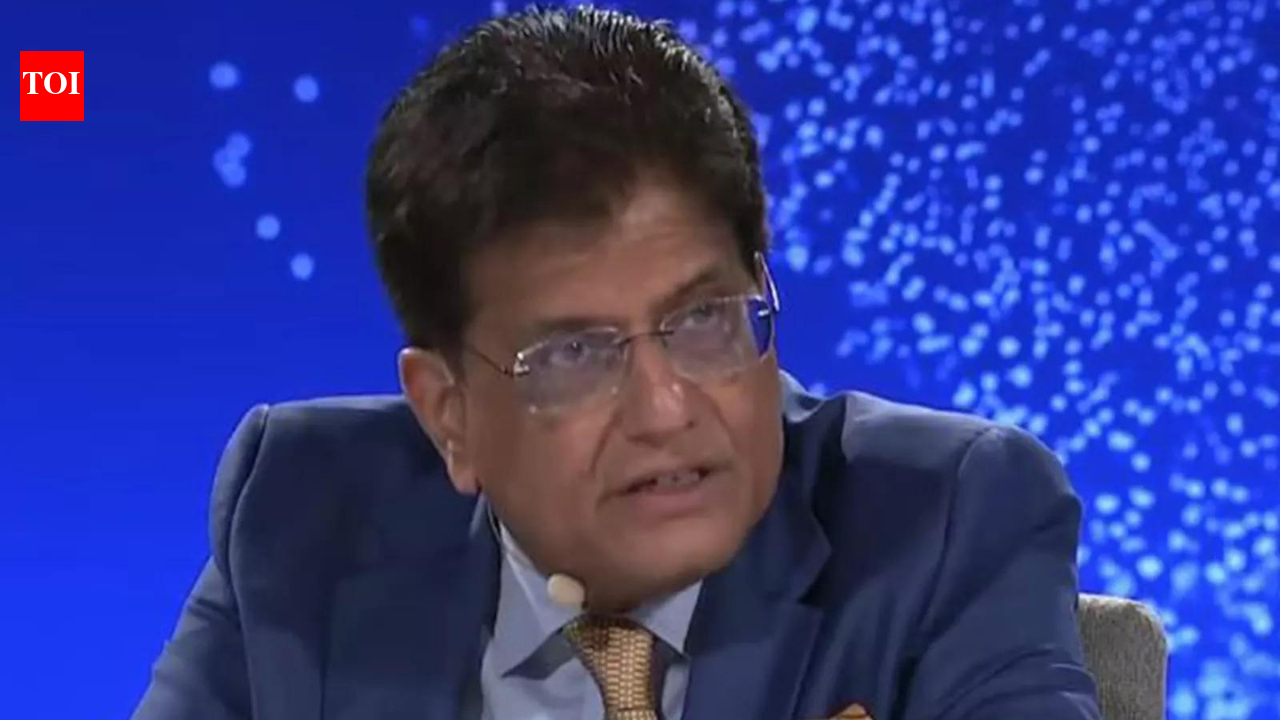
US President Donald Trump has reportedly agreed to remove the 25% tariff America imposed on India for its crude oil imports from Russia. A New Delhi–based source quoted in a Bloomberg report said that the US has agreed to withdraw the 25% penal tariff for India’s Russian oil procurement. In the meantime, India and the US have announced a trade deal, with the Trump administration lowering the tariffs on Indian exports to 18%. Trump took to social media platform Truth Social to announce the trade deal, which was later confirmed by PM Narendra Modi confirming it via X (Twitter). However, India is yet to confirm the details of the trade deal shared by Trump in his post.
Also Read | India-US trade deal announced by US President Donald Trump; check detailsUS Ambassador to India Sergio Gor also told a TV channel that the final figure of tariff on India will be 18%, indicating that the 25% penal tariff linked to Russian crude has also been removed.He also said that the 18% tariff rate is effective immediately, and that India would buy $500 billion worth of US energy, coal, technology and agricultural products.Russia has been the largest supplier of crude for India since the start of the former’s war with Ukraine. The share in India’s oil import basket has gone up to almost 40%. But recently, after US sanctions on Russian oil firms, Indian refiners had been forced to reduce Russian crude oil purchases.
India-US Trade Deal: What PM Modi, Trump said
PM Modi posted on X, “Wonderful to speak with my dear friend President Trump today. Delighted that Made in India products will now have a reduced tariff of 18%. Big thanks to President Trump on behalf of the 1.4 billion people of India for this wonderful announcement. When two large economies and the world’s largest democracies work together, it benefits our people and unlocks immense opportunities for mutually beneficial cooperation. President Trump’s leadership is vital for global peace, stability, and prosperity. India fully supports his efforts for peace. I look forward to working closely with him to take our partnership to unprecedented heights.”Before Trump had posted on social media, “It was an Honor to speak with Prime Minister Modi, of India, this morning. He is one of my greatest friends and, a Powerful and Respected Leader of his Country. We spoke about many things, including Trade, and ending the War with Russia and Ukraine. He agreed to stop buying Russian Oil, and to buy much more from the United States and, potentially, Venezuela. This will help END THE WAR in Ukraine, which is taking place right now, with thousands of people dying each and every week! Out of friendship and respect for Prime Minister Modi and, as per his request, effective immediately, we agreed to a Trade Deal between the United States and India, whereby the United States will charge a reduced Reciprocal Tariff, lowering it from 25% to 18%. They will likewise move forward to reduce their Tariffs and Non Tariff Barriers against the United States, to ZERO. The Prime Minister also committed to “BUY AMERICAN,” at a much higher level, in addition to over $500 BILLION DOLLARS of U.S. Energy, Technology, Agricultural, Coal, and many other products. Our amazing relationship with India will be even stronger going forward. Prime Minister Modi and I are two people that GET THINGS DONE, something that cannot be said for most. Thank you for your attention to this matter!”


The Lucid logo is shown at the Los Angeles Auto show on Nov. 20, 2025.
Mike Blake | Reuters
DETROIT — Lucid Group suspended its vehicle production guidance for the year as its incoming CEO evaluates the all-electric vehicle manufacturer’s business operations, including the potential for lower output of EVs.
The company on Tuesday also said it needs to lower its “elevated inventory” of vehicles, which for automakers has historically meant decreasing or idling vehicle production.
A company spokesman told CNBC that there is currently no plan to idle its sole U.S. plant in Arizona, but incoming CEO Silvio Napoli said he is continuing to evaluate Lucid’s business.
“An essential objective over time is to build a more cost-efficient company, one that progresses in funding its own growth. That means being rigorous in delivering our commitments,” Napoli said Tuesday on Lucid’s quarterly results call with investors. “In simple words, this means making clear choices on where to invest and, just as importantly, where not to.”
Napoli said he plans to review the company’s operations over the next several weeks before updating investors on the company’s guidance when Lucid reports its second-quarter results at an unspecified date.
The company’s prior production guidance was between 25,000 to 27,000 units in 2026. Lucid executives said plans for cost-cutting, autonomous vehicles with Uber and Nuro, and the company’s “path to profitability” outlined in an investor day in March remain intact.
Lucid has produced roughly 3,200 more vehicles than it has sold since 2024, according to its annual production and deliveries. That includes a difference of roughly 2,000 units last year and 2,400 vehicles during the first quarter of 2026.
The pulled guidance occurred as the company reported first-quarter results that were in line with preliminary results released by the company a month ago, but that still significantly missed Wall Street’s expectations.
“We ended the quarter with elevated inventory that we expect to convert to revenue and cash as deliveries normalize, while maintaining alignment between production and sales cadence. Our focus is on disciplined execution — driving structural cost improvements, managing capital efficiently, and improving operating leverage as we scale,” Lucid CFO Taoufiq Boussaid said in a statement.
Here’s how the company performed in the first quarter compared with average estimates compiled by LSEG:
- Loss per share: $3.46 vs. a loss of $2.64 expected
- Revenue: $282.5 million vs. $440.4 million expected
The company’s revenue increased roughly 20% year-over-year but was far lower than the 87.4% jump analysts were expecting, according to LSEG.
The all-electric vehicle maker said a seat supplier issue “significantly affected” deliveries of its crucial Lucid Gravity SUV during the quarter that resulted in a stop-sale of the vehicle due to safety concerns.
Boussaid said the seat issue caused a more than $200 million revenue impairment during the first quarter.
Lucid produced 5,500 vehicles and delivered 3,093 vehicles in the first quarter of 2026.
The automaker, which is heavily backed by Saudi Arabia’s Public Investment Fund, said it has sufficient liquidity through the second half of 2027. It ended the first quarter with approximately $4.7 billion, including a recent capital raise and delayed draw term loan provided by PIF.
Lucid on Tuesday said production of a new vehicle plant in Saudi Arabia continues despite the ongoing war in nearby Iran. The company said it has not experienced any significant interruptions to the facility other than some delays in shipping.
The company also said it is adjusting its production reporting to count vehicles once they complete the company’s “factory gating process,” which includes vehicles that may not be completely built and are sent to operations elsewhere for completion.
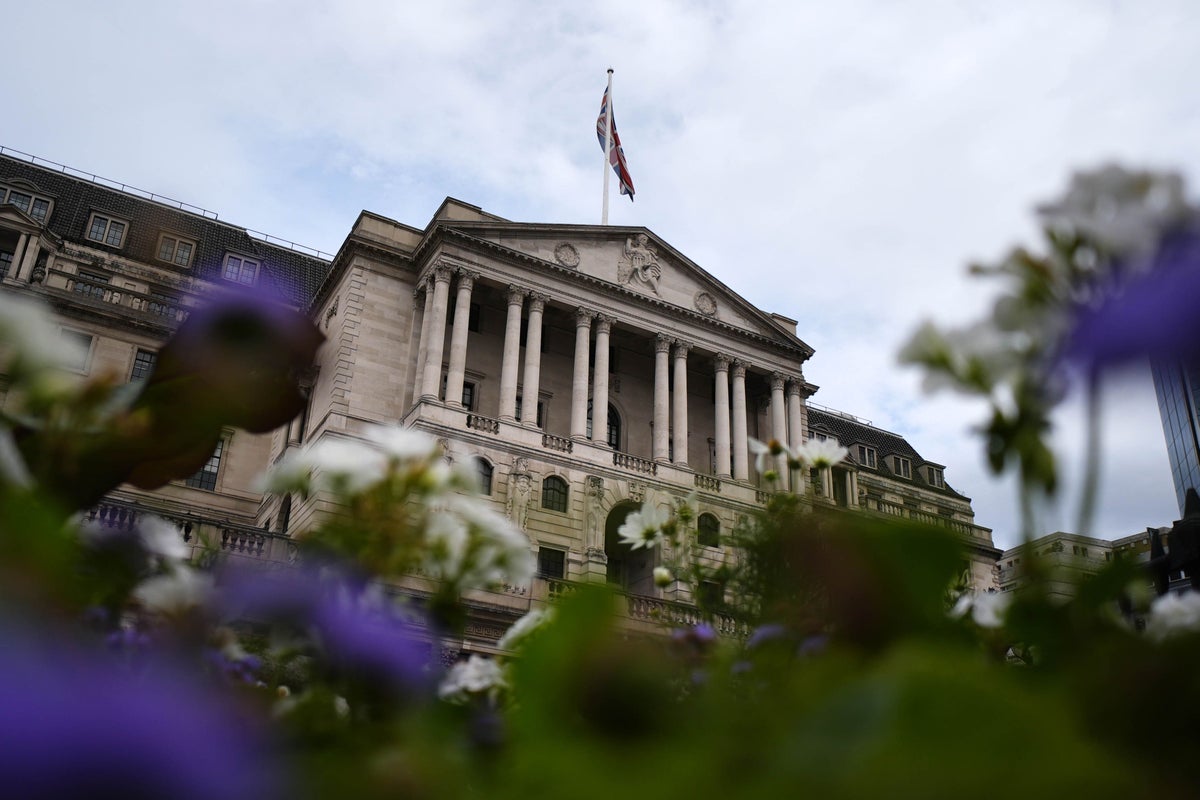
Britain’s long-term borrowing costs have surged to their highest level since 1998, driven by escalating inflation worries and political uncertainty ahead of this week’s local elections.
On Tuesday afternoon, the yield on 30-year UK government bonds, known as gilts, hit a 28-year peak, climbing 0.14 percentage points to 5.798%.
This increase in yield signifies a drop in bond prices, as the two move inversely. Consequently, the government faces higher expenses when seeking to borrow from financial markets.
The yield on 10-year gilts also rose, lifting by 0.15 percentage points to 5.122%, though this remains below recent highs reported last month.
In contrast, US 10-year treasury notes were flat on Tuesday, despite a steady increase over recent weeks.
Gilt yields have grown amid growing predictions that the conflict in Iran will drive higher inflation due to spiking energy costs, which is then likely to cause the Bank of England to increase interest rates.
City traders currently expect the central bank to vote for at least two interest rate hikes in the coming months, despite the Bank maintaining the current rate of 3.75% last week.
The rise in gilt yields means the Government will face higher debt interest costs, providing more strain on the Chancellor’s spending powers.
It comes amid a backdrop of significant pressure on Prime Minister Sir Keir Starmer in the run-up to the UK local elections.
The pound was broadly flat at 1.353 versus the dollar on Tuesday.
Workers in southern Scotland can find themselves paying more tax than colleagues who live south of the border.
Source link


‘I Actually Thought He Was Going to Hit Me,’ OpenAI’s Greg Brockman Says of Elon Musk
EV maker Lucid suspends production guidance amid incoming CEO’s business review
Long-term borrowing costs in UK reach 28-year high amid rising inflation

-

 Tech1 week ago
A Brain Implant for Depression Is About to Be Tested in Humans
-

 Tech1 week ago
Almost 90% of women leave tech industry within 10 years | Computer Weekly
-

 Sports1 week ago
Pro wrestling star Steph De Lander reveals how colleague’s advice helped lead her to title triumph at ACW
-
 Business1 week ago
‘I had £20,000 stolen and had to fight a 13-month fraud reporting rule to get it back’
-

 Entertainment1 week ago
Norway joins Type 26 Frigate Programme to boost NATO naval power
-

 Tech1 week ago
Are tech leaders risking a cyber resourcing crisis? | Computer Weekly
-

 Entertainment1 week ago
Melania Trump says ABC should ‘take a stand’ on late-night host Kimmel
-
 Business6 days ago
PSX plunges over 4,800 points | The Express Tribune