

Fashion
Turkiye ends retaliatory tariffs on several US goods initiated in 2018


The list of covered products include cars, fruits, rice, tobacco, alcoholic beverages, solid fuels and chemical products.
Turkiye has announced terminating retaliatory tariffs imposed in 2018 on several US imports in response to US tariffs on steel and aluminium imports enacted during President Donald Trump’s first term.
The decision followed talks with the US and consultations within the WTO framework.
Ankara has, however, not retaliated against the US decision in August to impose a 15-per cent tariff on Turkish imports.
The Presidential decree was published in the country’s official gazette.
“Following positive negotiations with the US and consultations within the framework of WTO [World Trade Organisation] Dispute Settlement Mechanism reports, the additional financial obligations applied to imports of certain US-origin products have been terminated,” domestic media quoted the Turkish Trade Ministry as saying.
President Tayyip Erdogan is scheduled to attend the United Nations General Assembly in New York this week ahead of a meeting at the White House with Trump.
Ankara has, however, not retaliated against the US decision in August to impose a tariff rate of 15 per cent on Turkish imports.
Turkiye will continue to work towards meeting an existing goal of $100 billion in annual two-way trade with the United States, it said. Trade volumes between the two countries stood at roughly $30 billion last year.
Fibre2Fashion News Desk (DS)











PTA prices recorded notable declines across key Asian benchmarks, tracking crude oil weakness rooted in evolving geopolitical signals. The correction was broad-based, spanning China, Southeast Asia, and South Korea, while India**;s CIF price held steady reflecting the lag in import contract structures and limited spot availability in the domestic market on the day.
The *** per cent Polyester Yarn market witnessed a slightly negative trend during the assessed period, with mild price corrections observed across both yarn grades in the Asia Free on Board (FOB) China market. Prices for **s (*** per cent polyester yarn) declined from around $*.***/kg to nearly $*.***/kg, registering a decrease of approximately *.** per cent.
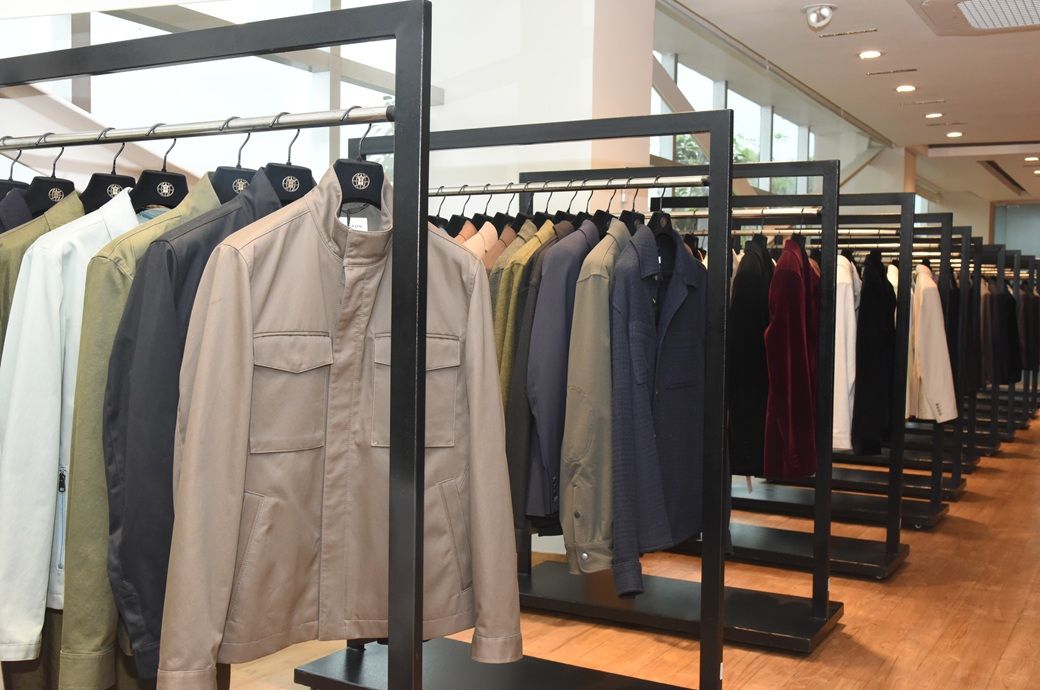
The pivot is urgent because the old model is under pressure. April **** looked strong: Ready-Made Garment (RMG) exports rose **.** per cent year on year to $*.** billion. But the ten-month picture is weaker. From July-April FY****–**, apparel exports stood at $**.** billion, down *.** per cent. Knitwear fell *.** per cent to $**.** billion; woven fell *.** per cent to $**.** billion. The rebound is real, but so is the drag underneath.
AWARE is the sharpest EU-facing signal: blockchain-backed product data for Digital Product Passport (DPP) readiness. Open Supply Hub adds the factory-identity layer, pushing production information into an open platform. GIZ brings the longer reform spine, from May **** to February ****, covering energy efficiency, circularity, chemical management, renewable-energy skills and textile-waste transparency.
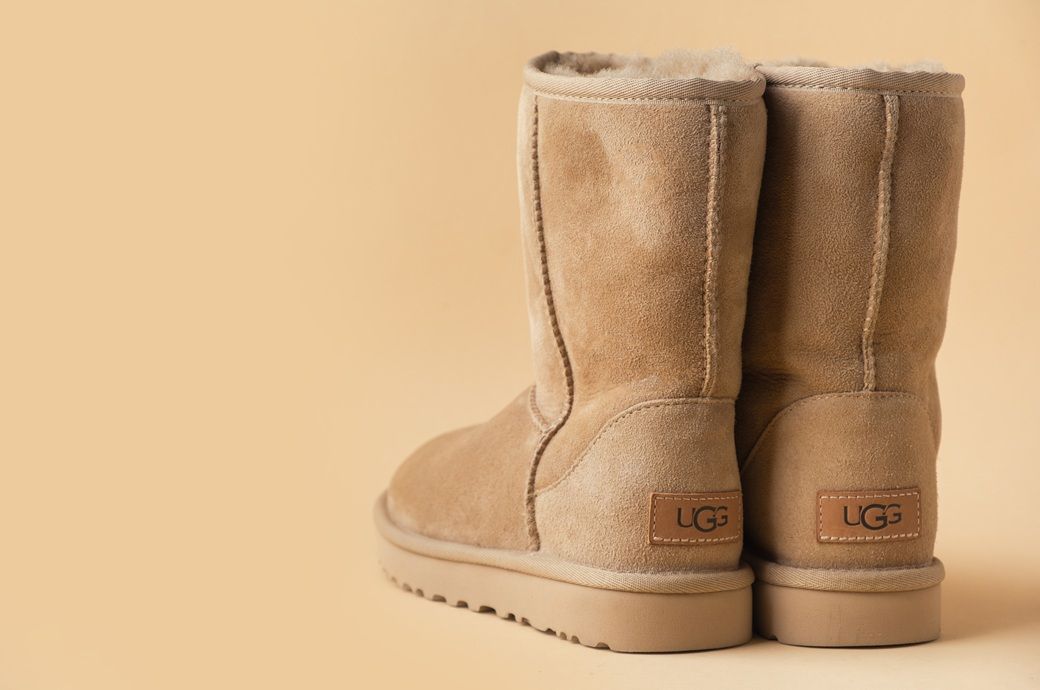
Kenneth Straka, Senior Product Development Manager at Deckers Outdoor Corporation, said that Deckers places strong emphasis on sustainability, noting that founder John Luke often reminded the team that the French word for sustainability is durability. This idea aligned with discussions at the Global Fashion Summit, where the theme centred on “Building Resilient Futures” in the sustainable and circular economy.
Durability has helped UGG become one of the most sought-after boot brands and a key sales driver for Deckers, alongside its sportswear brand Hoka. “One of the things we think about in terms of circularity is making products that last a long time and remain with consumers throughout their lives. We want products that consumers can wear for ** or ** years,” Straka said in an interview with Fibre*Fashion on the sidelines of the Global Fashion Summit in Copenhagen.


Polyester yarn prices ease as PTA weakens on limited demand

The border as lifeline

Bangladesh apparel reset: Compliance edge or energy trap?

-

 Entertainment5 days ago
Conan O’Brien hat tricks as Oscar host
-

 Tech1 week ago
Could Contact-Tracing Apps Help With the Hantavirus? Not Really
-

 Tech1 week ago
I Tried the Best Captioning Smart Glasses, and Only One Leads the Pack
-

 Fashion5 days ago
Italy’s Zegna Group’s Q1 growth boosted by strong organic performance
-

 Sports1 week ago
Bobby Cox, legendary Atlanta Braves manager who led 1995 World Series champions, dead at 84
-

 Entertainment1 week ago
Martin Short: Facing tragedy with joy
-

 Entertainment1 week ago
Tom Brady gets back at Kevin Hart during Netflix roast
-

 Entertainment1 week ago
Martha Stewart: How to make an omelet